
Yes, you absolutely can spray safe products on your dog to make them smell nice. Many options exist, from specialized dog deodorizer spray products to gentle, naturally scented options. Choosing the right product is key to keeping your beloved pet fresh without causing skin irritation or health issues.
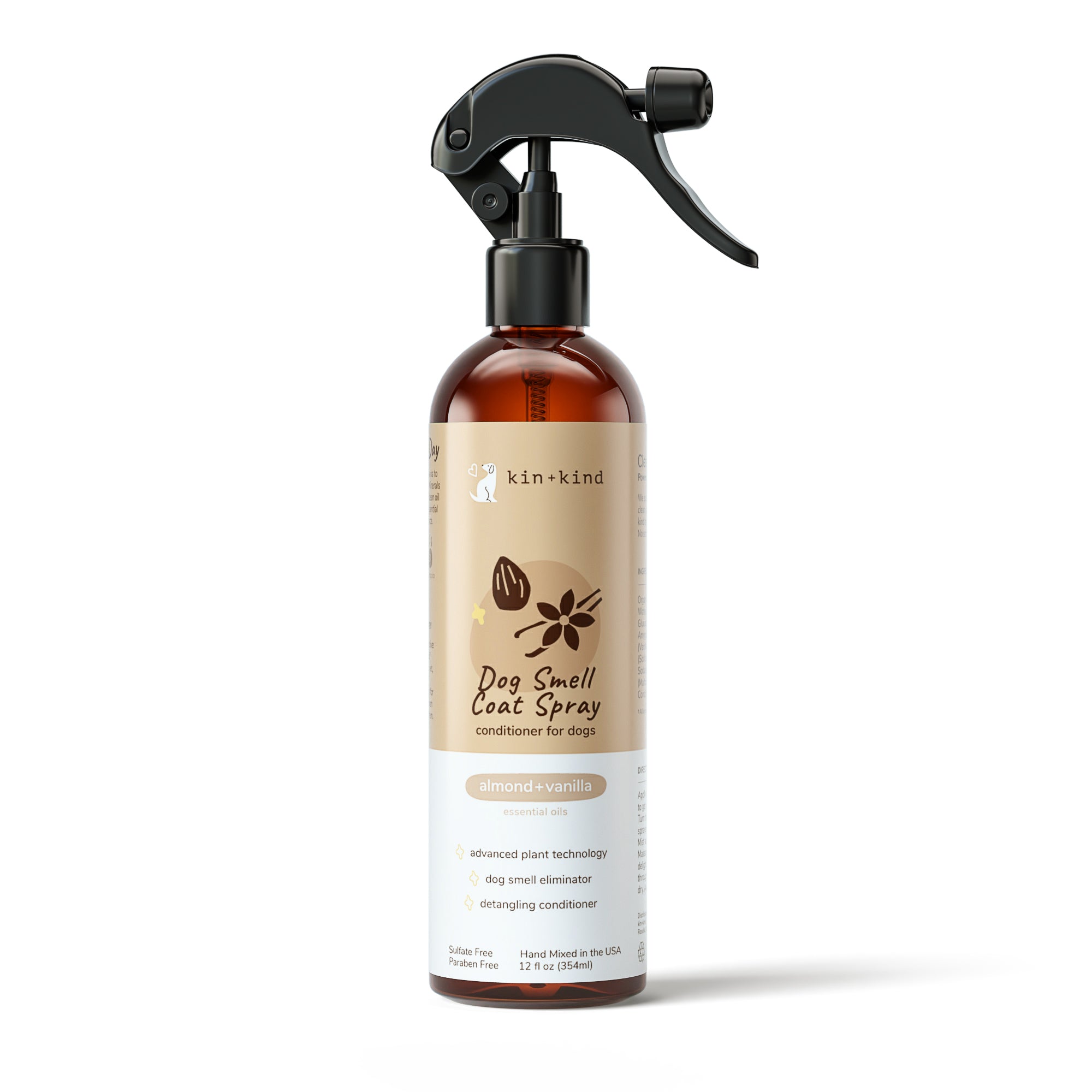
Image Source: kin-kind.com
Why Dogs Smell (And When to Spray)
Dogs smell for many reasons. Bath time helps, but odors can return fast. Knowing the source of the smell helps you choose the best smelling dog spray.
Common Causes of Dog Odor
- Natural Oils: Dogs have natural oils on their skin and coat. These keep their fur healthy, but they can sometimes smell “doggy.”
- Dirt and Environment: Rolling in the grass, mud, or something smelly outside makes your dog smell bad quickly.
- Skin Issues: Certain skin problems or allergies can cause strong, unpleasant odors. If the smell is sudden or very strong, see your vet.
- Ears and Glands: Infected ears or full anal glands are major odor culprits. Sprays will only mask these issues temporarily.
The Role of Dog Perfume and Cologne
Many owners want their dogs to smell pleasant all the time. This is where products like dog perfume and canine cologne come in. These are designed specifically for canine skin and coat.
Important Note: Never use human perfumes or colognes on your dog. They contain harsh alcohols and chemicals that can severely irritate or burn a dog’s sensitive skin. Always look for products clearly labeled as dog safe fragrance.
Deciphering Dog Scent Products
The market is full of sprays claiming to make your dog smell great. We need to look at what these products actually do. Are they just masking odors, or are they fixing the problem?
Dog Deodorizer Spray vs. Dog Perfume
These terms are often used interchangeably, but they have slightly different primary goals.
| Product Type | Primary Function | Scent Intensity | Best Used For |
|---|---|---|---|
| Dog Deodorizer Spray | Neutralizes or eliminates bad smells. | Usually light to medium. | Quick freshening between baths. |
| Dog Perfume/Cologne | Adds a pleasant scent to the coat. | Medium to strong. | After a bath or for a special occasion. |
| Pet Grooming Spray | Condition, detangle, and add scent. | Varies widely. | Daily coat care and brushing. |
Odor Eliminating Dog Spray Technology
A truly good odor eliminating dog spray uses ingredients that break down odor molecules. They don’t just cover up the bad smell with a stronger one. Look for ingredients like:
- Baking soda derivatives.
- Natural enzymes (these “eat” the odor-causing bacteria).
- Activated charcoal (though less common in sprays).
Choosing the Best Smelling Dog Spray: Scent Profiles
What smells “good” is very personal. Some people like fruity smells, others prefer clean scents. When selecting a best smelling dog spray, think about your preference and your dog’s skin sensitivity.
Popular Scent Categories
- Fresh & Clean: These mimic laundry detergent or “fresh air.” They often use light notes of linen, ocean breeze, or cotton. These are often very popular for daily use.
- Floral & Herbal: Scents like lavender, chamomile, or rosemary are common. Lavender is excellent because it can also have a calming effect. These fit well into the natural dog scent category.
- Fruity & Sweet: Think apple, coconut, or melon. These are very strong and can sometimes smell too artificial if not made well.
- Musk & Woodsy: Deeper scents like sandalwood or cedarwood are often found in canine cologne marketed toward male dogs, offering a more sophisticated aroma.
Safe Ingredients to Look For
The formulation matters most for safety. You want ingredients that are soothing, not irritating.
- Aloe Vera: Soothes skin.
- Oatmeal Extract: Calms itching.
- Vegetable Glycerin: Helps lock in moisture.
- Essential Oils (Used Safely): Many natural sprays use diluted essential oils. Caution is vital here.
Essential Oils: A Word of Warning
While essential oils provide the best natural dog scent, many are toxic to dogs, even when diffused or sprayed lightly.
Oils to AVOID near dogs (especially concentrated): Tea tree, pennyroyal, wintergreen, pine, cinnamon, citrus (in high amounts).
Always check the ingredient list. If a reputable brand uses essential oils, they must be heavily diluted and dog-safe, like true lavender.
Application Techniques for Maximum Freshness
Spraying your dog correctly ensures the product works well and your dog stays comfortable. Improper application can lead to skin issues or a wet, smelly dog!
Step-by-Step Spraying Guide
- Brush First: Always brush your dog before applying any spray. This removes loose hair and dirt, allowing the spray to reach the skin and coat evenly.
- Shake Well: If you are using a dog coat freshener, shake the bottle thoroughly. Ingredients can separate.
- Avoid the Face: Never spray directly toward your dog’s head. Their eyes, nose, and ears are extremely sensitive.
- Spray the Body: Mist lightly over the back, sides, and legs. Use a sweeping motion, keeping the bottle about 8 to 12 inches away from the coat.
- Massage In (Optional): For deeper scent penetration, lightly massage the product into the coat with your hands.
- Use on Bedding: For an ongoing fresh smell, lightly mist your dog’s bed or favorite blanket. This provides a continuous, subtle dog safe fragrance while they rest.
How Often Should I Spray?
This depends on the product and your dog’s activity level.
- Light Deodorizer: Every 2–3 days, or as needed after outdoor play.
- Conditioning Grooming Spray: Daily or every other day during brushing.
- Strong Perfume/Cologne: Only after a bath, or perhaps once a week for odor maintenance. Overuse can cause product buildup or skin dryness.
Special Considerations: Puppies and Sensitive Skin
When dealing with very young dogs or dogs with known allergies, product selection must be extra cautious.
Can I Use Dog Cologne for Puppies?
It is best to avoid strong perfumes on puppies under six months old. Their immune systems and skin are still developing. Look specifically for dog cologne for puppies or stick to hypoallergenic, unscented moisturizing sprays designed for sensitive skin. If you must use a scent, choose a very mild herbal option like chamomile.
Navigating Sensitive Skin
If your dog frequently scratches, licks, or has hot spots, they might have sensitive skin.
- Patch Test: Before using any new spray widely, spray a tiny amount on one small area of their back (where they won’t lick it). Wait 24 hours to check for redness or irritation.
- Hypoallergenic Formulas: Seek out sprays labeled as hypoallergenic. These minimize common irritants like artificial dyes and strong synthetic perfumes.
- Focus on Deodorizing, Not Scent: For sensitive dogs, prioritize an odor eliminating dog spray that neutralizes smell using enzymes rather than adding heavy fragrance.
Beyond Sprays: Holistic Approaches to Freshness
Sprays are a quick fix, but true freshness comes from good overall care. Using a spray on a dirty, oily coat will not work well.
Integrating Sprays into a Grooming Routine
A spray works best when the coat is already clean. Think of it as the final finishing touch.
- Bathing Frequency: Bathe your dog based on their breed and activity. Too much bathing strips natural oils, leading to dry skin that might smell worse.
- The Power of Brushing: Regular brushing removes dead hair, dirt, and distributes natural skin oils. A good dog coat freshener will work much better on a brushed coat.
- Diet Matters: A high-quality diet rich in Omega fatty acids leads to healthier skin and a naturally less “doggy” smell.
Natural DIY Dog Scent Solutions
If you prefer to avoid commercial products entirely, you can make simple, gentle rinses at home. These are often used as a final rinse after a bath.
Simple Apple Cider Vinegar (ACV) Rinse
ACV naturally balances skin pH and fights odor-causing bacteria.
- Recipe: Mix 1 part ACV with 10 parts water.
- Usage: After shampooing and rinsing your dog, pour this mixture over their coat. Do not rinse it out. The vinegar smell dissipates completely as the dog dries, leaving a neutral, fresh scent.
Chamomile Tea Spray
For calming and mild scent:
- Recipe: Brew a strong cup of chamomile tea. Let it cool completely. Mix with an equal amount of water.
- Usage: Pour into a clean spray bottle. Use this as a gentle, natural dog scent refresher between baths.
Commercial Product Deep Dive: What to Look For on the Label
When standing in the pet store aisle, you need to know which labels matter. We are looking for quality, safety, and effectiveness.
Key Label Terms to Find
- pH Balanced: This is crucial. Dog skin has a different pH level than human skin. Products must be pH balanced for dogs to avoid irritation.
- Alcohol-Free: Alcohol dries out the skin and can cause itching.
- Paraben-Free/Sulfate-Free: These chemicals are sometimes harsh or unnecessary in pet grooming spray formulations.
Table: Analyzing Different Product Types
| Goal | Recommended Product Type | Ingredients to Prioritize | Caution Points |
|---|---|---|---|
| Quick Odor Fix | Dog Deodorizer Spray | Enzymes, Baking Soda Derivatives | Ensure it dries quickly; avoid heavy perfumes. |
| Post-Bath Freshness | Dog Perfume / Canine Cologne | Light essential oils (diluted), Glycerin | Must be explicitly dog safe fragrance. |
| Daily Coat Maintenance | Pet Grooming Spray | Aloe, Panthenol, Mild Conditioners | Check for drying agents like alcohol. |
| Natural Scent Preference | Natural Dog Scent Sprays | Chamomile, Lavender (diluted), ACV base | Verify essential oil dilution ratios. |
Addressing Puppy Needs Specifically
As mentioned, puppies require gentler care. If you are looking for a dog cologne for puppies, you are likely looking for a mild freshener that helps socialize them to being sprayed.
Making Scent Introduction Positive
If your puppy fears the spray bottle noise:
- Desensitize: Spray the product onto a soft cloth first, not directly onto the puppy. Let them sniff the cloth.
- Positive Association: Spray near them (but not on them) while giving high-value treats.
- Start Small: Begin by spraying just one paw or the back of their neck, followed immediately by praise and a reward.
This slow introduction ensures that the process of applying dog safe fragrance remains a happy, non-scary experience.
Durability and Longevity of Dog Sprays
How long will that great smell last? It depends on the spray formula and your dog’s environment.
Factors Affecting Scent Life
- Spray Concentration: Stronger canine cologne formulas generally last longer than light dog coat freshener mists.
- Coat Texture: Dogs with thick double coats (like Huskies or Goldens) tend to hold scent longer than dogs with short, single coats (like Beagles).
- Humidity: High humidity can sometimes cause scents to fade faster or, conversely, reactivate lingering oils, causing a quick return of the base odor.
- Activity: If your dog rolls in the dirt five minutes after you spray them, the freshness will be gone instantly.
When to Reapply
Listen to your nose! If you notice the “dog smell” returning, it is time for a light mist. For maintenance, reapplying every few days keeps the aroma pleasant without overwhelming the senses. Remember, you are aiming for a subtle, pleasant natural dog scent, not a walking air freshener.
Safety Deep Dive: Fathoming Ingredients
The most important part of choosing any spray is ensuring it does not harm your pet. We must look closely at every ingredient list when selecting an odor eliminating dog spray.
What to Watch Out For (Red Flags)
- Artificial Dyes (e.g., Blue 1, Red 40): These provide no benefit and can cause skin reactions.
- Phthalates: Often used to make fragrances last longer. These chemicals are endocrine disruptors and should be strictly avoided in products used on pets.
- Heavy Alcohol Content: As discussed, this strips natural oils.
- Strong Chemical Odors: If the bottle smells intensely chemical before spraying, it likely contains synthetic perfumes that can irritate respiratory systems.
The Difference Between Scent and Conditioning Sprays
Many top-tier pet grooming spray lines now offer dual-purpose products. These are usually the safest bet because they are formulated for daily use. They condition the coat while offering a light, refreshing scent. They help maintain the look and smell between professional grooms.
Final Thoughts on Keeping Your Dog Smelling Great
Finding the best smelling dog spray is a journey. It often involves trial and error until you find the perfect balance of pleasant aroma, safety, and longevity for your specific dog.
Prioritize health over overwhelming fragrance. A healthy, clean dog will always smell better than a dirty dog covered in perfume. Use sprays as a tool to enhance cleanliness, not replace regular bathing and grooming. Whether you choose a strong canine cologne for special events or a subtle dog deodorizer spray for daily touch-ups, always put your pet’s comfort first.
Frequently Asked Questions (FAQ)
Q: Can I use Febreze or other human fabric fresheners on my dog?
A: No, never use human air or fabric fresheners like Febreze on your dog. These products are heavily scented and contain chemicals that are toxic if licked and very irritating to a dog’s skin and respiratory system. Stick to products labeled specifically as dog safe fragrance.
Q: My dog has sensitive skin. What is the safest option for a scent?
A: For sensitive skin, look for hypoallergenic, unscented moisturizing sprays first. If you desire a scent, choose an odor eliminating dog spray that uses very mild, natural ingredients like diluted chamomile or oatmeal. Always perform a patch test first.
Q: How do I know if a dog perfume is truly natural?
A: A truly natural spray will list recognizable botanical extracts (like lavender or rosemary essential oils) and clearly state they are free from parabens, sulfates, and synthetic perfumes. Be wary of products that simply say “fragrance” without listing the source. A genuine natural dog scent product will be transparent about its essential oil sourcing and dilution.
Q: Are dog cologne for puppies necessary?
A: No, they are not necessary. Puppies generally do not require heavy fragrances. If you feel the need to freshen a puppy after a messy play session, use a very light, unfragranced moisturizing pet grooming spray or a simple water spritz until they are older.
Q: Will a dog coat freshener help with wet dog smell?
A: A light freshener can help immediately after drying, but it cannot eliminate the deep smell caused by wetness, which comes from yeast and bacteria growth on the skin. A strong odor eliminating dog spray might mask it temporarily, but the best fix is a proper bath using a deodorizing dog shampoo followed by thorough drying.
Q: What is the difference between dog perfume and canine cologne?
A: In the pet industry, these terms are mostly interchangeable marketing terms. “Cologne” is often used for scents marketed toward males (woodsy/musky), while “perfume” is used for those marketed toward females (floral/sweet). Functionally, they are both scented finishing sprays.