
If your dog keeps coughing, it usually means there is an issue with their throat, windpipe, or lungs. A cough is your dog’s way of clearing something irritating from their airways.
A persistent cough in a dog can be worrisome for any pet owner. It is a common symptom, but it can signal anything from a minor irritation to a serious health problem. This guide helps you look at the many causes of dog hacking and tells you what steps you should take next. We will also share important tips from veterinarians to keep your dog breathing easy.
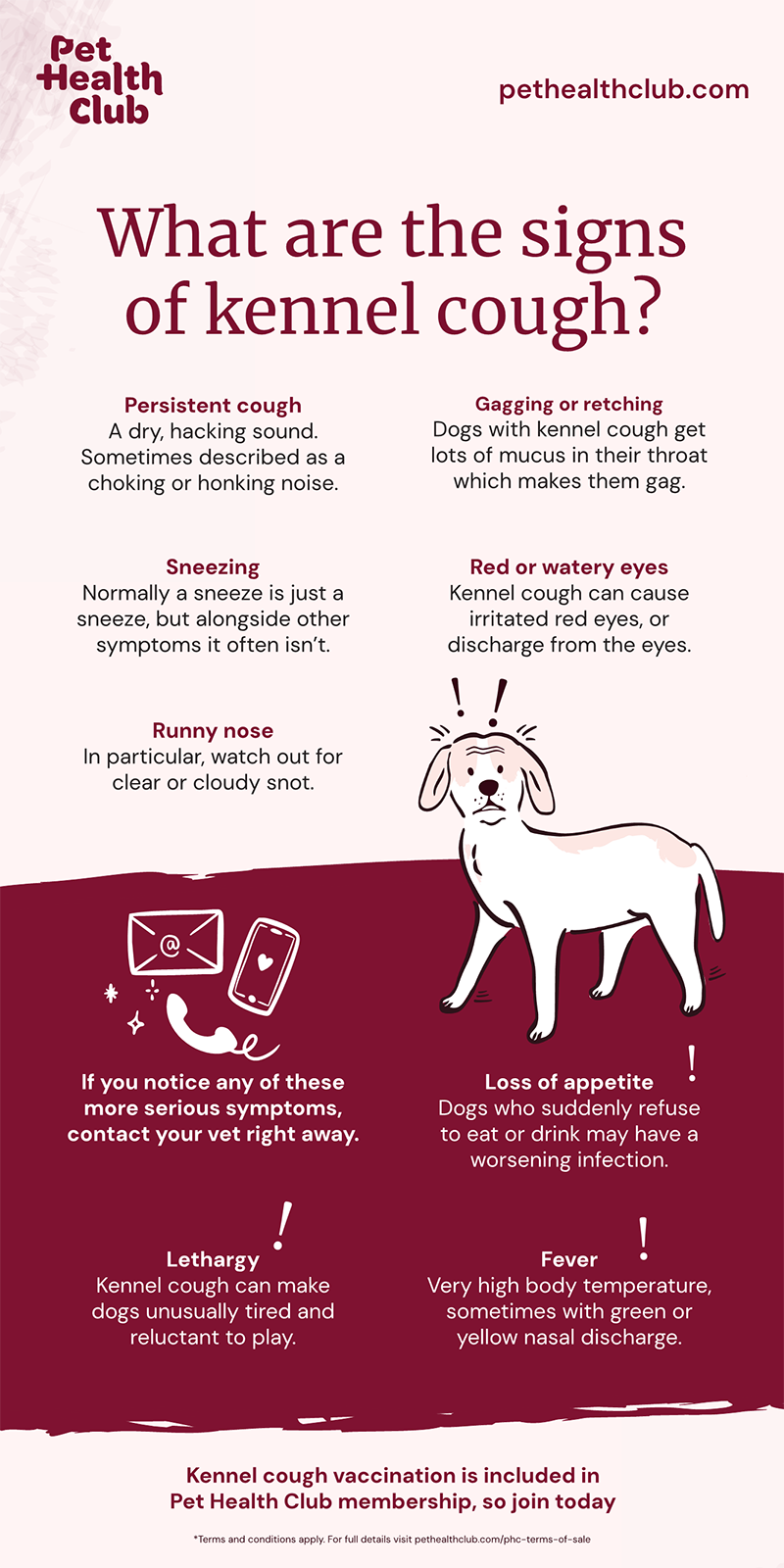
Image Source: images.ctfassets.net
Fathoming Common Causes of Dog Coughs
Many different things can make your dog cough. Some causes are mild and go away fast. Others need careful medical help right away. Knowing the different types of coughs helps you figure out what might be wrong.
Infectious Causes: The Role of Bacteria and Viruses
Infections are a major reason why dogs develop a cough. These often spread easily between dogs.
Kennel Cough in Dogs (Infectious Tracheobronchitis)
Kennel cough in dogs is very common. It is a highly contagious respiratory infection. It often affects dogs in group settings like boarding kennels, dog parks, or grooming salons.
The cough associated with kennel cough is very distinct. It often sounds like a loud, dry, honking noise. It can seem like the dog is trying to hack something up.
Key Facts About Kennel Cough:
- It is usually caused by bacteria (like Bordetella bronchiseptica) or viruses (like Parainfluenza).
- It often starts suddenly.
- It can get worse with excitement or exercise.
- Most cases clear up on their own within a few weeks.
Other Respiratory Infections
Other dog respiratory infection symptoms can include coughing. These might be viral or bacterial, similar to a human cold or flu. These infections can sometimes lead to wetter coughs, especially if fluid builds up in the lungs.
Structural Issues: Problems with the Airways
Sometimes the problem is not an infection but the physical structure of the dog’s throat or windpipe.
Tracheal Collapse in Dogs Symptoms
This condition is more common in small breeds, like Yorkshire Terriers or Pomeranians. Tracheal collapse in dogs symptoms include a chronic, dry, honking cough, similar to kennel cough.
The windpipe (trachea) is supported by C-shaped rings of cartilage. If these rings weaken, the windpipe can flatten or collapse when the dog breathes in. This collapse irritates the throat, causing the cough.
- The cough often worsens when the dog pulls on its collar or gets excited.
- Some dogs make a wheezing sound when breathing, too.
- It is a progressive condition, meaning it often gets worse over time.
Laryngeal Paralysis
In this condition, the voice box (larynx) doesn’t open and close right. This can cause choking noises or coughing, especially when eating or drinking. Older, larger breeds are more often affected.
Non-Infectious Causes: Irritants and Allergies
If your dog keeps coughing persistently but has no fever or discharge, the cause might be outside of infection.
Allergies and Irritants
Dogs can be allergic to things in their environment.
- Dust and Pollen: Just like people, dogs can have seasonal allergies.
- Smoke and Fumes: Cigarette smoke, strong cleaners, or air fresheners can irritate sensitive airways.
- Dust Mites: Common indoor allergens.
When airways are irritated by allergens, inflammation occurs. This leads to a dry hacking cough in dogs.
Heart Disease
One very important cause, especially in older dogs, is heart disease. When the heart doesn’t pump blood well, fluid can back up into the lungs (pulmonary edema). This causes a wet, deep cough. This type of cough often sounds worse when the dog is resting or lying down, as gravity shifts the fluid.
Deep Lung Issues
Coughs can also come from problems deep within the lungs themselves.
Dog Coughing Up Phlegm
If you notice your dog dog coughing up phlegm (mucus), this suggests fluid or inflammation deep in the lungs. This is common with pneumonia or severe bronchitis. This cough sounds “wet” or “productive.”
Dog Bronchitis
This is long-term inflammation of the airways leading to the lungs. It is often chronic. Treatments for dog bronchitis focus on reducing inflammation and soothing the airways. A chronic cough that lasts for months is often related to bronchitis.
Deciphering the Type of Cough Your Dog Has
The sound and timing of the cough give vital clues to the cause. Watch your dog closely to provide the best information to your vet.
Comparing Cough Types
It is important to tell the difference between a true cough and similar sounds your dog might make.
Reverse Sneezing vs Coughing in Dogs
Many owners confuse a reverse sneeze with coughing. Reverse sneezing vs coughing in dogs is an important distinction.
A reverse sneeze involves rapid, snorting inhalations. It sounds like the dog is choking or trying to suck air in quickly through the nose. It often happens after excitement or drinking. A true cough is an active forceful push of air out of the lungs.
| Feature | True Cough | Reverse Sneeze |
|---|---|---|
| Action | Forceful exhalation | Forceful, rapid inhalation |
| Sound | Honk, bark, gag, or heave | Snorting, gasping, choking sound |
| Purpose | To clear the throat/airway | Often caused by irritation in the back of the throat |
| Duration | Can last several seconds | Usually stops quickly on its own |
Wet vs. Dry Coughs
- Dry Cough: Feels harsh, often sounds like a hack or honk. Causes include kennel cough, mild irritation, or tracheal collapse.
- Wet Cough: Sounds gurgly or rattly, sometimes producing mucus. This suggests fluid in the lower airways or lungs (like in pneumonia or heart failure).
When Does the Cough Happen?
The timing is another helpful clue:
- After Exercise/Excitement: Often points to kennel cough or tracheal collapse, where increased air flow stresses the airways.
- At Night or When Lying Down: Strongly suggests fluid buildup due to heart issues or severe inflammation.
- After Drinking or Eating: May indicate aspiration or laryngeal paralysis.
- All the Time (Persistent): Points toward chronic conditions like bronchitis or advanced tracheal issues.
Action Steps: What To Do When Your Dog Coughs
If your dog has a mild, isolated cough, you might be able to manage it at home briefly. However, any dog coughing persistently needs professional attention.
Immediate Steps for Mild Coughs
If the cough seems mild and your dog seems otherwise normal (eating, playing, breathing easily), try these simple steps:
- Check the Collar: Switch to a harness immediately. A tight collar puts pressure directly on the trachea, worsening coughs caused by irritation or collapse.
- Humidify the Air: Use a cool-mist humidifier in the room where your dog rests. Moist air soothes irritated airways.
- Avoid Irritants: Stop using scented candles, strong cleaning sprays, or cigarette smoke near your dog.
- Limit Excitement: Keep your dog calm. Limit vigorous play or excitement until the coughing stops.
When to Worry About Dog Cough
Knowing when to worry about dog cough is crucial for your pet’s safety. Some symptoms signal an emergency.
Call your vet immediately or head to an emergency clinic if you see any of the following:
- Difficulty Breathing: Your dog is struggling to catch its breath or breathing rapidly even when resting. Look for an extended neck or open-mouth breathing without panting.
- Blue or Pale Gums: This shows a lack of oxygen and is life-threatening.
- Coughing Up Blood: Any sign of blood, even pink-tinged foam, needs urgent care.
- Extreme Lethargy: If your dog becomes very weak, stops eating, or refuses to move.
- Fever: A high temperature accompanying the cough suggests a serious infection like pneumonia.
- Coughing Fits that Won’t Stop: Prolonged, violent coughing spells that lead to gagging or collapse.
Veterinary Diagnosis and Testing
If home remedies don’t work after a couple of days, or if the cough is severe, a vet visit is necessary. The vet will need to find the specific source of the irritation.
The Initial Exam
Your veterinarian will start by asking detailed questions about the cough’s sound, timing, and duration. They will perform a physical exam, listening closely to your dog’s heart and lungs.
- Listening: The vet listens for crackles (fluid), wheezes (narrowed airways), or loud, harsh sounds (irritated main airways).
- Throat Check: They will check for swelling or foreign objects in the back of the throat.
Diagnostic Tools
Depending on the initial findings, the vet might recommend further tests:
Chest X-rays (Radiographs)
X-rays are essential for looking deep inside. They help the vet see:
- The size and shape of the heart (to check for heart failure).
- If there is fluid or congestion in the lungs (pneumonia).
- The structure of the trachea (to diagnose collapse).
Bloodwork
Blood tests can check for signs of infection (high white blood cell counts) or organ issues that might relate to a chronic cough.
Cough Swabs or Samples
If an infection is suspected, the vet might take a sample from the throat or lungs. This helps identify the exact bacteria or virus causing the illness, allowing for targeted treatment.
Treatments for Dog Bronchitis and Other Conditions
Treatment depends entirely on what is causing the cough. Targeting the root issue is the best way to stop the coughing.
Treating Infections
If the cause is an infection, treatment focuses on clearing it up.
- Antibiotics: Used for bacterial infections like Bordetella (kennel cough) or pneumonia. Note that antibiotics do not work against viruses.
- Antivirals: Less common, but sometimes used if a severe viral infection is present.
Managing Chronic Airway Issues
For long-term issues like chronic bronchitis or airway collapse, treatment aims to manage symptoms and improve comfort.
Treatments for Dog Bronchitis
Managing treatments for dog bronchitis often involves reducing inflammation in the bronchi.
- Cough Suppressants: These medications can block the cough reflex. They are best used sparingly, often only at night to allow the dog to rest.
- Bronchodilators: Medicines like Albuterol can open up the airways, making breathing easier. These are usually given via an inhaler or nebulizer.
- Steroids (Corticosteroids): Used to decrease severe inflammation in the lungs over time.
Addressing Tracheal Collapse
For tracheal collapse in dogs symptoms, treatment has medical and surgical options.
- Medical Management: This involves cough suppressants, weight management (as extra weight strains the neck), and using a harness instead of a collar.
- Surgical Correction: In severe cases, rings can be surgically placed around the windpipe to keep it open. This is a major surgery reserved for dogs whose quality of life is severely impacted.
Heart-Related Cough Management
If the cough is due to heart disease, the treatment shifts to heart support:
- Diuretics: Medicines to remove excess fluid from the lungs.
- Cardiac Medications: Drugs to help the heart pump more efficiently.
Managing the heart disease often resolves the associated cough completely.
Preventive Measures: Keeping Airways Clear
While not all causes can be prevented, you can reduce the risk of several common culprits.
Vaccination is Key
Vaccination is the best defense against contagious respiratory diseases.
- Bordetella Vaccine: Essential for dogs who go to daycare, shows, or boarding facilities. It significantly reduces the risk and severity of Kennel cough in dogs.
- Other Core Vaccines: Keeping up-to-date on standard vaccines supports overall immune health.
Environmental Control
Minimizing exposure to respiratory irritants is an easy step everyone can take.
- Air Quality: Ensure your home has good air circulation. Avoid heavy use of harsh chemical cleaners.
- Leash Etiquette: Always use a harness for walks, especially if you suspect any history of hacking or honking. This removes pressure from the neck and trachea.
- Weight Control: Keeping your dog at a healthy weight is crucial. Excess fat puts pressure on the chest cavity and lungs, making any pre-existing respiratory condition much harder to manage.
Monitoring Health Trends
If your dog has a chronic cough, keep a detailed log. Note down when the cough happens, what makes it better or worse, and any associated symptoms, like changes in appetite or energy. This data is invaluable for your vet when adjusting long-term care plans for conditions like chronic bronchitis.
Frequently Asked Questions (FAQ) About Dog Coughs
How long can a dog cough last?
A mild cough from a simple irritation or early-stage kennel cough might last just a few days. However, if the cough lasts longer than 7 to 10 days, or if it keeps coming back, it is no longer considered simple. Dog coughing persistently requires a veterinary workup to find the underlying cause, whether it is chronic bronchitis or something else.
Can my dog catch a human cold?
No, dogs cannot catch human colds, and we cannot catch their respiratory infections like kennel cough. However, dogs can get their own specific viral infections that act like a cold in humans.
What is the fastest way to stop a hacking cough in my dog?
There is no single fast cure for all coughs. For a dry hacking cough that sounds like irritation, quickly switching to a harness and using a humidifier might help soothe the airways immediately. However, if the cough is due to a serious cause like pneumonia or heart issues, the fastest way to relief is through the specific medications prescribed by a vet for that condition. Never give human cough medicine without veterinary guidance, as many contain ingredients toxic to dogs.
Are reverse sneezes dangerous?
Reverse sneezes are usually not dangerous. They look scary because the dog sounds like they are choking, but they are typically just a brief spasm in the throat caused by irritation. If they happen very frequently, your vet might check for underlying nasal or throat issues, but they usually resolve on their own.
Does age matter when diagnosing a cough?
Yes, age is a very important factor. In young, active dogs, infectious causes like kennel cough are more likely. In older dogs, veterinarians immediately consider heart disease, cancer, or chronic issues like tracheal collapse in dogs symptoms, as these become more common with age.