
If your dog is throwing up and has diarrhea, it means their tummy is upset. This is a very common problem for dogs. Many things can cause a puppy sick upset stomach or an adult dog to feel unwell this way. If your dog is throwing up and has diarrhea, you should watch them closely for signs of serious illness, but often, it passes quickly.
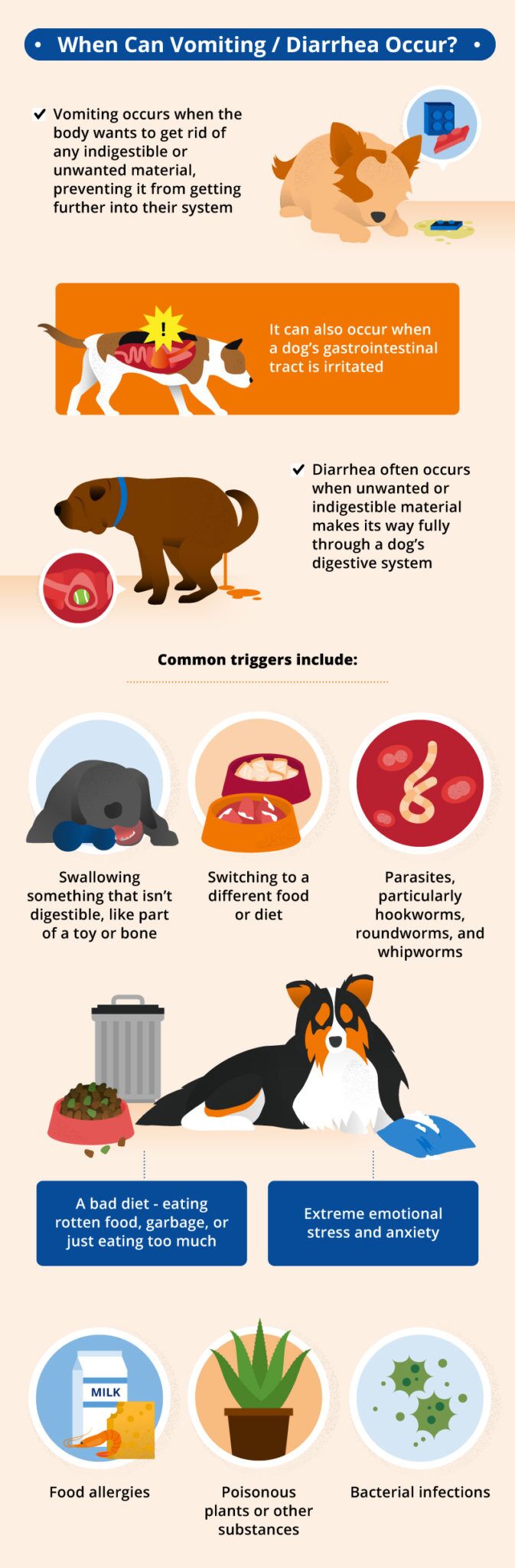
Image Source: cdn-ilbfemn.nitrocdn.com
Deciphering Common Causes of Vomiting and Diarrhea in Dogs
When a dog has both vomiting and diarrhea, it signals that the digestive system is irritated or inflamed. This combination of symptoms can stem from various sources, ranging from minor dietary indiscretions to serious infections. Getting to the root cause is key to effective care.
Dietary Issues: The Most Frequent Culprits
The number one reason for acute gastrointestinal (GI) upset is usually something the dog ate. Dogs explore the world with their mouths, which often leads to trouble.
Ingestion of Inappropriate Items
Dogs frequently get into things they shouldn’t. This is a major source of dog vomiting and diarrhea causes.
- Garbage Gut: Eating spoiled food or trash is very common. Bacteria or toxins in the old food irritate the stomach lining.
- Dietary Indiscretion: Eating too much rich food, human table scraps, or a sudden change in dog food can overload the digestive system.
- Foreign Objects: Swallowing toys, bones, or non-food items can cause blockages or irritation, leading to sickness.
Food Sensitivities and Allergies
Sometimes, it is not what they ate today, but what they eat regularly.
- Intolerance: Some dogs cannot properly digest certain ingredients, like dairy or grains.
- Allergies: True food allergies cause a stronger immune reaction, leading to chronic irritation, often manifesting as diarrhea and sometimes vomiting.
Infections and Parasites
Germs and tiny invaders are major contributors to stomach sickness. These often cause sudden dog vomiting and diarrhea.
- Viral Infections: Parvovirus is a severe concern, especially in puppy sick upset stomach cases. Other viruses can also cause upset.
- Bacterial Infections: Salmonella or E. coli found in contaminated food or water can lead to rapid illness.
- Parasites: Worms (like roundworms or hookworms) and protozoa (like Giardia or Coccidia) irritate the intestines, causing inflammation, which results in diarrhea, and sometimes vomiting.
Toxin Exposure and Medications
Accidental poisoning is a serious emergency.
- Toxins: Ingesting household cleaners, certain plants, antifreeze, or rodent poisons will cause severe vomiting, often involving dog vomiting bile, and explosive diarrhea.
- Medication Side Effects: Certain drugs, especially NSAIDs (pain relievers) or some antibiotics, can upset a dog’s stomach.
Systemic Diseases and Conditions
Vomiting and diarrhea are not always confined to the gut. They can signal problems in other body systems.
- Pancreatitis: Inflammation of the pancreas, often triggered by fatty meals, causes intense pain, severe vomiting, and diarrhea.
- Kidney or Liver Disease: When these organs fail to filter waste properly, toxins build up, leading to nausea and GI signs.
- Hemorrhagic Gastroenteritis (HGE): This causes sudden, severe, often dog bloody vomit and stool, and requires immediate veterinary care.
Interpreting the Vomit: What Does It Look Like?
The appearance of the vomit gives important clues about the issue.
Dog Vomiting Clear Liquid
If your dog is just dog vomiting clear liquid, it is often stomach acid or water. This usually happens when the stomach is empty or has been irritated for a while. It can mean the dog is retching due to hunger or mild irritation before they eat anything.
Dog Vomiting Bile
Vomiting yellow liquid means the dog is bringing up bile from the small intestine. This often happens after the stomach is empty of food. If you see dog vomiting bile frequently, it points to significant irritation or possible blockage higher up in the system.
Presence of Blood
Seeing dog bloody vomit and stool is never normal.
- Bloody Vomit (Hematemesis): Fresh red blood suggests irritation in the esophagus or stomach lining. Dark, “coffee ground” material means the blood has been digested, pointing to bleeding higher up, perhaps an ulcer.
- Bloody Stool (Hematochezia or Melena): Fresh red blood indicates issues in the lower colon or rectum. Dark, tarry stool (melena) means digested blood from the upper GI tract.
Managing Diarrhea: Addressing Frequent Episodes
Frequent dog diarrhea needs attention, especially if it lasts more than 24 hours or is very watery.
Consistency and Frequency
We grade diarrhea based on form. Knowing this helps you describe the situation to your vet.
| Stool Grade (1-7) | Description | Concern Level |
|---|---|---|
| 1 | Hard, pellet-like | Constipation |
| 3 | Sausage-shaped, soft | Mild issue |
| 5 | Pasty, takes shape | Moderate diarrhea |
| 7 | Watery, no shape | Severe diarrhea |
Frequent dog diarrhea graded 6 or 7 increases the risk of dehydration quickly.
Understanding the Causes of Frequent Stool
If your dog has constant loose stools, it often means the colon is inflamed.
- Stress Colitis: Nervousness or changes in routine can cause frequent, small, urgent bowel movements, often with mucus.
- Infection Aftermath: Even after treating an infection, the gut lining can take time to heal, leading to temporary loose stools.
When to Worry About Dog Throwing Up: Red Flags
Knowing when to worry about dog throwing up can save your dog’s life. While occasional vomiting is normal, certain signs mean you must seek immediate veterinary help.
Emergency Situations
If you notice any of the following, stop reading and call your vet or an emergency clinic right away:
- Non-Stop Vomiting: More than 3-4 times in a few hours, especially if the dog cannot keep water down.
- Lethargy or Weakness: If your dog is refusing to move, seems weak, or collapses.
- Known Toxin Ingestion: If you suspect they ate poison, medication, or a large foreign object.
- Severe Abdominal Pain: If their belly is tight, hard, or they cry when you touch it.
- Signs of Dehydration: Sunken eyes, tacky (sticky) gums instead of moist ones, or skin that stays tented when gently pinched.
- Bloody Vomit or Stool: Any significant amount of fresh or digested blood requires urgent care.
Worries Specific to Puppies
A puppy sick upset stomach is far more serious than an adult dog’s. Puppies dehydrate incredibly fast, and serious illnesses like Parvovirus spread quickly. Any persistent vomiting or diarrhea in a young puppy warrants a vet visit within hours.
Initial Steps: First Aid When Your Dog Is Sick
If the sickness is mild (one or two episodes of vomiting, soft stool but otherwise acting normal), you can try supportive care at home for 12 to 24 hours. This is the realm of home remedies for dog diarrhea and vomiting.
Step 1: Resting the Stomach
The first goal is to let the gut calm down.
- Withholding Food (Short Term): For 12 hours, withhold all food. This gives the inflamed digestive tract a chance to rest. Do not withhold food longer than 24 hours without vet approval, especially in puppies or small breeds.
- Water Access: Small amounts of water are important to prevent dehydration. Offer a few licks every hour, rather than letting them gulp a whole bowl, which can trigger more vomiting.
Step 2: Reintroducing Food Safely
Once vomiting stops for several hours (usually 8-12 hours after the last episode), you can slowly start feeding again. This is the crucial step in deciding what to feed dog with diarrhea and vomiting.
The focus here is on a bland, easily digestible diet.
Bland Diet Components
A bland diet is low in fat and fiber. It helps firm up the stool without irritating the gut further.
- Protein Source: Plain, boiled, skinless chicken breast or plain, boiled, lean ground beef (drained very well of all fat).
- Carbohydrate Source: Plain white rice (cooked until very soft) or plain boiled sweet potato.
Feeding Schedule for Recovery
You must introduce this food slowly.
- First Meal: Offer a very small amount (about one tablespoon for a medium dog) of the bland mix (50% protein, 50% carb). Wait an hour. If they keep it down, offer another small amount.
- Day 1: Feed 4-6 tiny meals throughout the day, slightly increasing the volume if everything stays down.
- Day 2 & 3: Gradually increase the meal size while decreasing the feeding frequency back toward normal.
- Transition Back: Over the next 3-4 days, slowly mix their regular food into the bland diet, decreasing the bland food until they are back to their normal diet.
Step 3: Utilizing Home Remedies for Support
Certain home remedies for dog diarrhea and vomiting can help restore balance. Always consult your vet before starting any supplement.
- Probiotics: Canine-specific probiotics introduce healthy bacteria to the gut, helping crowd out the bad bacteria and heal the gut lining.
- Plain Pumpkin: Canned pumpkin (pure, not pie filling) is rich in soluble fiber. It can help absorb excess water in the colon, firming up loose stools. Start with a teaspoon mixed into food.
- Electrolyte Solutions: For mild dehydration, veterinary oral electrolyte solutions can be helpful if the dog won’t drink plain water.
Deciphering Chronic vs. Acute GI Issues
It is important to know if this is a one-time event or a persistent problem.
Acute Illness
Acute illness happens suddenly. It lasts a few days and usually resolves with rest or simple treatment. Causes include dietary indiscretion or a minor virus.
Chronic Illness
Chronic issues last weeks or months. If your dog has had frequent dog diarrhea or ongoing vomiting for more than a week, or if symptoms keep coming back, it needs serious investigation. Chronic issues often involve underlying disease or true allergies.
Investigating Deeper: Medical Causes Requiring Tests
If supportive care fails or the symptoms are severe, the vet will need to run tests to find the cause among the dog vomiting and diarrhea causes.
Bloodwork Analysis
Blood tests give insight into the function of internal organs and check for infection or anemia.
- Complete Blood Count (CBC): Looks at red and white blood cells. Low red cells suggest blood loss from severe diarrhea or vomiting. High white cells suggest infection or inflammation.
- Chemistry Panel: Checks liver and kidney function. Abnormal results point toward systemic disease rather than just a stomach bug.
Fecal Testing
Testing the stool sample is essential to rule out parasites. Even if you treat for worms, testing ensures the treatment worked or finds other microscopic invaders like Giardia.
Imaging Studies (X-rays and Ultrasound)
If a blockage is suspected, X-rays or ultrasound can visualize the digestive tract. This is crucial if the dog ate a foreign object or if there are signs of mass or severe inflammation.
Endoscopy and Biopsy
For persistent vomiting that doesn’t respond to treatment, the vet may suggest an endoscopy. A camera is passed down the throat to look directly at the stomach and upper intestine lining. Biopsies (small tissue samples) can diagnose Inflammatory Bowel Disease (IBD) or cancer.
Special Focus: When Puppies Get Sick
A puppy sick upset stomach must be taken seriously due to their small size and developing immune systems.
Risks Unique to Puppies
- Rapid Dehydration: Their small bodies lose fluid faster than adults.
- Parvovirus Risk: Unvaccinated puppies are highly susceptible to this deadly virus, which causes severe, bloody diarrhea and vomiting.
- Hypoglycemia (Low Blood Sugar): Puppies burn energy quickly. If they vomit and cannot eat, their blood sugar can drop dangerously low.
If your puppy has vomited more than once or has watery diarrhea, contact your veterinarian immediately for guidance on hydration and testing.
Fathoming Nutritional Management During Recovery
Once the acute phase passes, diet change is key. Deciding what to feed dog with diarrhea and vomiting transitions from the bland diet to a long-term solution.
Transitioning Away from the Bland Diet
Do not switch back to the old food abruptly. Sudden changes can cause the diarrhea to return.
- Mixing Ratio: Start with 75% bland diet mixed with 25% regular food. Feed this for two days.
- Gradual Increase: If stool remains firm, increase to 50/50. Continue slowly over 5-7 days until the dog is eating 100% of their normal food again.
Choosing a Maintenance Diet
If the initial cause was a one-off event (like eating too much fat), returning to the previous high-quality food is fine. However, if the cause was undiagnosed food sensitivity or chronic irritation, a specialized diet might be necessary.
- Limited Ingredient Diets (LID): These use novel proteins (like venison or duck) or novel carbohydrates (like potato) to reduce the chance of triggering an allergic reaction.
- Gastrointestinal (GI) Prescription Diets: These are highly digestible, low-fat, and often contain added prebiotics to support gut health after severe upset.
Exploring Specific Symptom Combinations
Sometimes the combination of symptoms points toward a specific area of distress.
Dog Vomiting Bile and Excessive Drooling
Excessive drooling along with vomiting bile often suggests nausea or esophageal irritation. The dog may be nauseous but unable to bring up food, leading to stomach acid and bile reflux. If the drooling is excessive and thick, check for pain or mouth injury as well.
Dog Bloody Vomit and Stool – The Severe Case
When you see both fresh blood in the stool and potentially digested blood in the vomit, this signals significant trauma or inflammation somewhere along the entire tract. This often points toward serious conditions like severe infections, HGE, or internal ulcers requiring hospitalization for IV fluids and specialized medication. Do not attempt home remedies for dog bloody vomit and stool.
Reading the Signs: Interpreting Subtle Symptoms
Sometimes dogs try to hide that they feel ill. Watch for subtle cues when you suspect stomach issues.
- Loss of Appetite (Anorexia): A dog that refuses a favorite treat or meal is likely feeling nauseous.
- Lip Licking and Yawning: Excessive lip licking when no food is present, or frequent yawning, are often calming signals associated with nausea or stress.
- Increased Thirst: Dogs that feel sick sometimes drink excessively to compensate for fluid loss from diarrhea or vomiting.
By paying attention to these small signals, you can intervene sooner when dealing with dog vomiting and diarrhea causes.
Frequently Asked Questions (FAQ)
Can I give my dog Pepto-Bismol or Imodium for diarrhea?
No, you should never give your dog human medications like Pepto-Bismol or Imodium without explicit instructions from your veterinarian. Pepto-Bismol contains salicylates, which can be toxic to dogs, especially cats, and Imodium can cause severe, life-threatening constipation or other issues, particularly in certain breeds like Collies. Always stick to veterinarian-approved treatments or home remedies for dog diarrhea and vomiting.
How long does dog diarrhea and vomiting usually last?
For mild cases caused by eating something bad, symptoms often improve within 12 to 24 hours once the irritating substance has passed. If symptoms persist beyond 24 hours, or if the dog is very young or very old, veterinary intervention is necessary.
My puppy keeps throwing up clear liquid; should I worry?
Yes, you should monitor this closely. If a puppy sick upset stomach involves repeated vomiting of clear liquid, it suggests ongoing stomach acid irritation or the dog is trying to vomit because they are hungry or have nausea. Because puppies are prone to quick dehydration, it is best to call your vet sooner rather than later for advice on managing fluids.
What food is best for a dog recovering from vomiting?
The best food initially is a bland diet, such as boiled, skinless chicken mixed with plain white rice. This mixture is low in fat and easy to digest. Once recovered, transition slowly back to their regular food, or discuss a prescription GI diet with your vet if issues were chronic.
Is rice and chicken enough long-term if my dog has chronic diarrhea?
No. While rice and chicken are excellent for short-term recovery after vomiting and diarrhea, they lack essential vitamins, minerals, and the proper balance of fats and proteins needed for long-term health. They are only meant as a temporary measure while the gut heals.