
A dog may cough for many reasons, ranging from simple irritation to serious illness. If your dog is coughing, it often means there is a problem in their airways or lungs.
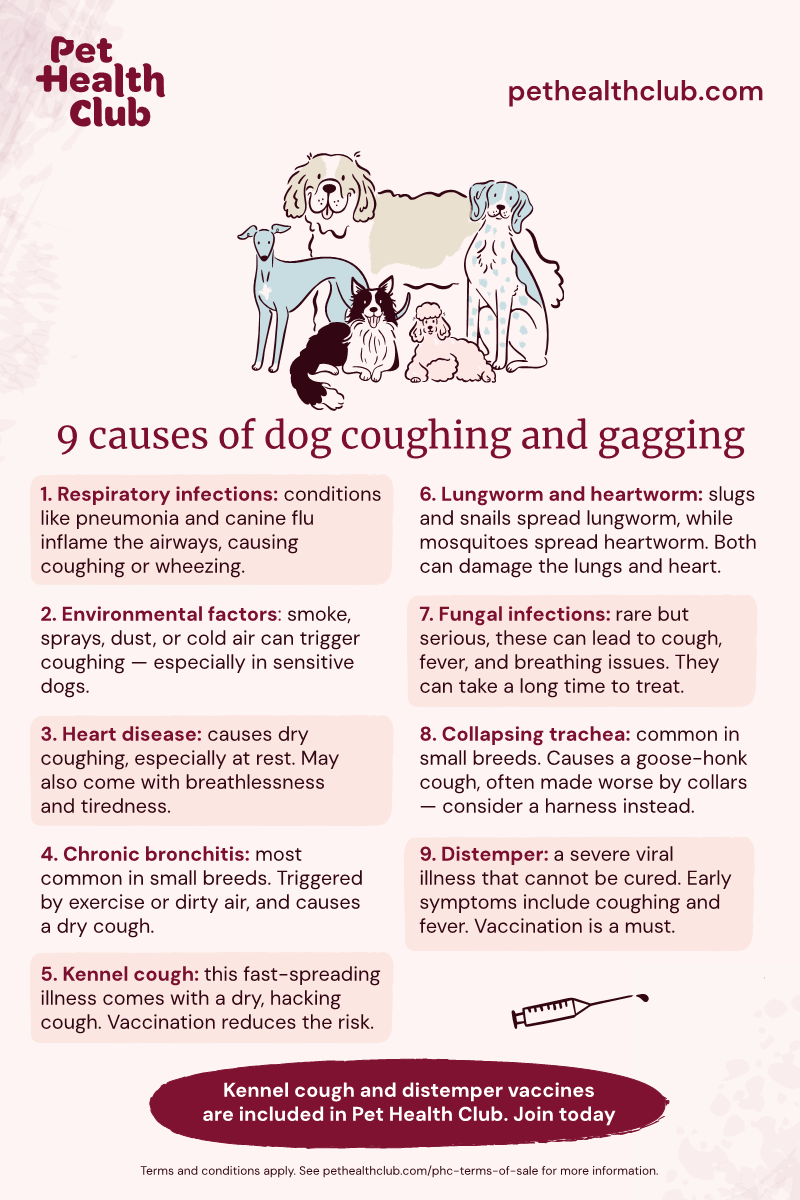
Image Source: images.ctfassets.net
Grasping Why Dogs Cough
Coughing is a natural reflex. It helps clear the throat and windpipe. Think of it as your dog trying to get something out of its throat. This “something” could be mucus, dust, water, or even a small object.
However, a cough that happens often or lasts a long time needs attention. Many things cause Dog respiratory issues. It is important to know what kind of cough your dog has. This helps your vet figure out the problem quickly.
Types of Dog Coughs
Not all coughs sound the same. The sound tells a lot about the cause.
- Wet Cough: Sounds bubbly or moist. This often means mucus is present. It suggests fluid in the lungs or airways.
- Dry Cough: Sounds harsh or hacking. This usually means irritation or inflammation, not much fluid.
- Honking Cough: A deep, loud, often repetitive sound. This is very common with certain airway problems.
- Reverse Sneeze: This is not a true cough. It sounds like a snort or gasp. We will look at Causes of dog reverse sneezing later.
Common Triggers for Dog Coughing
Many things can make a dog start coughing. Some are mild; others are serious health threats.
Canine Kennel Cough Symptoms and Causes
One of the most frequent causes is an infection. This is often called “kennel cough.” The medical name is infectious tracheobronchitis.
Canine kennel cough symptoms often start suddenly. The cough is usually dry and hacking. It can sound like a goose honk.
- What Causes It? It is highly contagious. It spreads easily where dogs are close together. Think of dog parks, boarding kennels, or grooming salons. Several germs cause it. Common culprits are the Bordetella bronchiseptica bacteria and certain viruses like Parainfluenza.
- How It Spreads: Dogs spread it through air droplets when they cough or sneeze.
- Other Signs: Dogs with kennel cough might also have a runny nose or watery eyes. They may seem tired. Most dogs are still bright and eat well, but the cough is the main sign.
Tracheal Collapse in Dogs
If you have a small dog breed, like a Yorkie or a Pomeranian, you might see Tracheal collapse in dogs. This is a condition where the cartilage rings supporting the windpipe weaken.
The windpipe caves in when the dog breathes or pulls on its leash. This blockage causes a classic, loud, honking cough.
- Risk Factors: Small breeds are most at risk. Older dogs often develop this problem.
- Triggers: Excitement, exercise, or pulling on a collar can set off the cough.
- Management: Management often involves avoiding collars (using a harness instead) and sometimes medication. Severe cases may need surgery.
Allergic Reactions and Environmental Irritants
Sometimes the cause is simply something in the air. This leads to Dog throat irritation causes.
Dogs can inhale things that tickle their throat.
- Smoke: Cigarette smoke or smoke from a fire bothers their sensitive airways.
- Dust and Pollen: Just like people, dogs can have allergies. Pollen seasons can trigger coughing fits. Dust from sweeping or dusty environments can also be a factor.
- Strong Scents: Perfumes, air fresheners, or cleaning sprays can irritate the throat lining, leading to a cough.
Heart Disease and Coughing
A serious reason for a persistent cough relates to the heart. This is very important to check if your dog is older.
When the heart is not pumping blood well (heart failure), fluid can back up into the lungs. This condition is called pulmonary edema.
- Signs: The cough from heart issues is often moist or wet. It tends to be worse when the dog rests, especially at night or when lying down.
- Other Clues: You might notice the dog tires easily, has trouble breathing, or seems restless. If you see Dog wheezing and coughing, heart disease is a major concern.
Deep Dive into Specific Respiratory Illnesses
Many Dog persistent coughing remedies depend on correctly naming the illness. Here is a closer look at serious Dog chest infection signs.
Pneumonia
Pneumonia is a severe infection or inflammation of the air sacs in the lungs. It is a true Dog chest infection.
- Bacterial Pneumonia: Often develops after other issues like kennel cough or if the dog inhales food or vomit (aspiration pneumonia).
- Viral Pneumonia: Less common but often serious.
- Symptoms: The cough is deep and wet. The dog will also be lethargic, have a high fever, and breathe fast or shallowly. They often lose their appetite. This requires immediate veterinary care and antibiotics.
Chronic Bronchitis
This is a long-term swelling and inflammation of the bronchial tubes (the airways leading to the lungs). It is common in middle-aged and older small dogs.
- Nature of the Illness: It is similar to asthma in people. The airways are constantly irritated.
- The Cough: A classic, dry, hacking cough. It often gets worse with exercise or excitement.
- Treatment Focus: Treatment aims to reduce inflammation using steroids or other anti-inflammatory drugs.
Heartworm Disease
Heartworms are parasitic worms that live in the heart and nearby large blood vessels. They cause severe damage to the lungs as they mature.
- Transmission: Spread through mosquito bites.
- Cough Type: The cough is often dry and persistent. It can be mistaken for chronic bronchitis initially.
- Prevention is Key: Regular preventative medication is vital to avoid this dangerous disease.
Fathoming the Reverse Sneeze
Sometimes what sounds like a bad cough is actually a Causes of dog reverse sneezing. This is often startling to owners but is usually harmless.
A reverse sneeze happens when air is rapidly and forcefully sucked into the lungs, rather than pushed out like a normal sneeze or cough.
- Why it Happens: It is usually a reflex trying to clear irritation in the back of the throat, the soft palate, or the nose.
- What It Sounds Like: Loud snorting, gasping, or gagging sounds that last for several seconds.
- Common Triggers: Excitement, pulling on the leash, or exposure to irritants can cause it.
- When to Worry: If the episode lasts a very long time (many minutes) or happens constantly, seek vet advice. Otherwise, gently massaging your dog’s throat often stops the episode quickly.
Interpreting Cough Frequency and Severity
When should you take action? Knowing the warning signs is crucial for your dog’s health.
When should I worry about my dog coughing?
While a single cough is rarely an emergency, persistent or severe symptoms demand a vet visit.
| Sign | Urgency Level | Possible Implication |
|---|---|---|
| Coughing that lasts several days | Medium | Kennel cough, allergies, early bronchitis |
| Coughing that worsens at night | High | Possible heart disease or severe fluid buildup |
| Coughing accompanied by fever/lethargy | High | Serious infection like pneumonia |
| Coughing where the dog collapses or chokes | Emergency | Severe tracheal collapse or major airway blockage |
| Coughing with pink/white foam from mouth | Emergency | Severe fluid in lungs (pulmonary edema) |
| Dog wheezing and coughing together | High | Significant airway narrowing |
If your dog has chronic coughing (going on for weeks), even if mild, it needs testing to rule out underlying diseases like heart problems or chronic bronchitis.
Diagnosing the Cause
Your veterinarian will perform several checks to find the source of the cough.
Physical Exam
The vet will listen closely to your dog’s chest with a stethoscope. They listen for abnormal sounds like crackles (fluid), wheezes (narrowed airways), or loud airway noises. They will also check your dog’s gums and heart rate.
Imaging and Testing
If the initial exam suggests something serious, further tests are needed for Dog respiratory issues.
- Chest X-rays (Radiographs): These are very important. They show the size and shape of the heart. They also show the lungs to look for signs of infection (pneumonia), fluid, or masses.
- Blood Work: To check for signs of infection or organ function.
- Heartworm Test: Essential, especially in areas where heartworm is common.
- Tracheal Wash (Bronchoalveolar Lavage – BAL): If infection is suspected, a sample of fluid or cells is collected from the airways using a scope or needle. This helps identify the specific bacteria or inflammatory cells present.
Treatment Options and Dog Persistent Coughing Remedies
Treatment must target the root cause. There is no single cure-all for every Dog hacking cough causes.
Treating Infections
If the cause is bacterial, like bacterial pneumonia or secondary infection following kennel cough, antibiotics are the main treatment.
- Kennel Cough Treatment: Often, mild cases are left alone to clear up in 1–3 weeks. If the cough is severe or the dog is very young or old, your vet might prescribe cough suppressants or antibiotics.
- Pneumonia Treatment: Requires strong antibiotics, sometimes hospitalization, and oxygen therapy if breathing is difficult.
Managing Airway Issues
For structural problems like Tracheal collapse in dogs, the focus is on making the dog comfortable and reducing strain on the trachea.
- Harnesses Only: Never use a neck collar on a dog prone to tracheal collapse.
- Cough Suppressants: Medications like butorphanol or dextromethorphan can help reduce the severity and frequency of the cough, allowing the dog to rest.
- Steroids/Anti-inflammatories: For chronic bronchitis, medications like prednisone reduce the swelling in the airways.
Heart-Related Cough Management
When coughing stems from heart failure, treatment focuses on managing the heart function to prevent fluid buildup.
- Diuretics (Water Pills): Medications like Furosemide help the body get rid of excess fluid in the lungs.
- Heart Medications: Drugs that help the heart pump more efficiently slow the progression of heart disease.
Addressing Environmental Causes
If Dog throat irritation causes the cough, the solution is environmental control.
- Switch to a dust-free cat litter if you also have cats.
- Use HEPA air filters in the home, especially during allergy season.
- Avoid walking your dog near freshly mowed lawns if pollen is an issue.
- Use dust covers on bedding.
Home Care and Support for Coughing Dogs
While medical treatment is vital, supportive care at home can significantly help your dog recover and feel better. This is key for many Dog persistent coughing remedies.
Humidifying the Air
Dry air makes airway irritation worse. Moist air helps loosen mucus, making it easier for the dog to clear their throat.
- Cool-Mist Humidifier: Place one near where your dog sleeps.
- Steamy Bathroom: Take your dog into the bathroom and run a hot shower for 10–15 minutes. Do not put the dog in the hot water, just let them breathe the steam. This is very helpful for kennel cough or bronchitis.
Managing Excitement
Excitement often triggers coughing fits, especially in dogs with weak airways or chronic conditions.
- Keep greetings calm.
- Use gentle commands and avoid rough play sessions until the cough clears.
Hydration and Diet
Ensure your dog always has fresh, clean water available. Good hydration keeps the mucus thin. If your dog has difficulty swallowing due to throat irritation, try offering wet food or adding water/low-sodium broth to their kibble.
Distinguishing Cough from Other Noises
It is easy to mistake other sounds for a true cough. Knowing the difference helps you report accurately to your vet.
Comparison Table: Cough vs. Reverse Sneeze vs. Gagging
| Noise Feature | True Cough | Reverse Sneeze | Gagging/Choking |
|---|---|---|---|
| Sound | Forceful expulsion of air, often hacking or honking. | Rapid inhalation of air, snorting, gasping. | Retching, retching sound, often followed by vomiting. |
| Body Posture | Can happen anywhere. Dog often stands or sits. | Neck extended, head pushed forward. | Straining, abdomen heaving. |
| Frequency | Can be frequent or come in fits. | Usually short bursts (seconds long). | Often happens after eating or drinking, or if something is stuck. |
| Purpose | To clear irritants/mucus from lower airways. | To clear irritation from the soft palate/throat. | To expel contents from the stomach or esophagus. |
If you notice Dog wheezing and coughing together, it strongly suggests severe airway obstruction or fluid overload, needing immediate attention.
Long-Term Outlook for Coughing Dogs
The outlook largely depends on the cause.
For a healthy dog who caught a simple virus like kennel cough, recovery is usually complete within a few weeks with minimal intervention.
For dogs with chronic issues like Tracheal collapse in dogs or chronic bronchitis, coughing becomes a lifelong management issue. The goal shifts from a cure to controlling symptoms and maintaining a good quality of life. Regular vet check-ups are essential to monitor these chronic conditions.
If your dog has a known heart condition, annual or semi-annual screenings are necessary to catch fluid buildup early, before the cough becomes severe.
By carefully observing the sound, timing, and associated symptoms of your dog’s cough, you provide your veterinarian with the best clues to start effective Dog persistent coughing remedies and ensure your companion breathes easier.
Frequently Asked Questions (FAQ)
Can I give my dog human cough medicine?
No. Never give your dog human cough medicine without explicit instruction from your veterinarian. Many human cough medicines contain ingredients like acetaminophen (Tylenol) or dextromethorphan in formulations that are toxic to dogs, especially those containing decongestants.
How long can kennel cough last?
A typical case of uncomplicated kennel cough usually resolves on its own within 1 to 3 weeks. However, the cough can linger for several weeks after the initial infection clears, especially if it has caused inflammation in the airways.
Is dog coughing contagious to humans?
Generally, no. The most common causes of coughing in dogs, like kennel cough (Bordetella) or canine influenza, are specific to dogs and do not infect people. However, the germs causing these issues can sometimes be carried on clothing or hands, so washing your hands after handling a sick dog is always good practice.
What if my dog is coughing up blood?
Coughing up blood (hemoptysis) is a serious sign. It can indicate severe infection, heartworm disease, lung cancer, or significant clotting issues. When should I worry about my dog coughing? Anytime blood is involved, seek immediate veterinary attention.
What causes a cough after drinking water?
If a dog coughs immediately after drinking, it often means they are drinking too fast, inhaling water into their windpipe, or have a condition affecting the swallowing reflex, such as mild laryngeal paralysis or irritation in the esophagus. This is often related to Dog throat irritation causes.