
A dog can get pregnant very soon after having puppies, sometimes as early as a few weeks, but breeding a dog immediately after giving birth is strongly discouraged due to health risks for both the mother and the new litter.
This topic is vital for anyone involved in breeding dogs responsibly. Knowing the timing of next heat after whelping is key to planning future litters safely. Many new mothers experience what is called a postpartum estrus cycle, but whether they are truly ready to conceive again is another matter entirely.
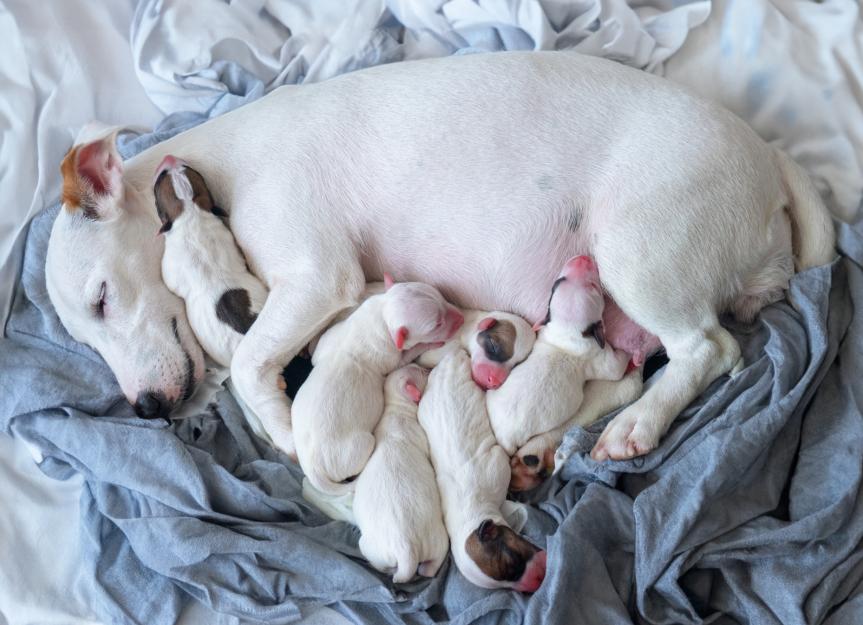
Image Source: image.petmd.com
Deciphering Canine Fertility After Whelping
When a female dog (bitch) gives birth, her body goes through massive changes. Her primary focus shifts entirely to feeding and caring for her newborn puppies. This period, known as the post-whelping phase, is crucial for recovery.
The female dog’s reproductive system needs significant downtime. Hormonal levels that were high during pregnancy and birth must return to normal. This recovery time is vital for her long-term health.
The Anestrus Period in Lactating Dogs
After giving birth, a dog enters a phase called anestrus period in lactating dogs. This is essentially a reproductive rest period. During anestrus, the ovaries are quiet, and no eggs are developing.
Lactation, the process of producing milk, strongly influences this rest period. High levels of the hormone prolactin, which promotes milk production, tend to suppress the hormones that trigger a new heat cycle.
- Short-term effect: Prolactin acts like a natural brake on the return of fertility.
- Variability: The length of this suppressed state varies greatly among breeds and even individual dogs. Some large breeds may have a longer anestrus than smaller breeds.
How Soon Dogs Cycle After Nursing?
The general rule is that the longer a dog nurses her puppies, the longer her reproductive system stays quiet. Nursing stimulates hormonal feedback that delays the return of the dog heat cycle resumption post-puppies.
Typical Timeframes
While a few very rare cases might show early signs, most healthy dogs will not enter a true heat cycle until the puppies are well into the weaning process.
| Stage of Puppy Development | Typical Maternal Reproductive Status | Notes |
|---|---|---|
| 0–4 Weeks (Newborns) | Deep Anestrus | Milk production is at its peak. Fertility is extremely low. |
| 4–8 Weeks (Weaning Starts) | Anestrus may start to lift | Hormones begin to shift as puppies eat more solid food. |
| 8–12 Weeks (Weaning Complete) | High probability of first heat | If the previous litter was successfully weaned, the cycle is likely to restart. |
If the puppies are weaned early, the mother’s body might try to restart its cycle sooner. If the litter is still nursing heavily at 10 weeks, she will likely remain in anestrus.
Examining Premature Heat After Puppy Birth
While uncommon in healthy dogs, a premature heat after puppy birth can sometimes occur. This is often a source of great concern for breeders.
If a heat cycle appears very quickly, usually within the first 4 to 6 weeks postpartum, it is essential to confirm if it is a true estrus.
Differentiating True Heat from Postpartum Bleeding
The first bloody discharge after whelping can be confusing.
- Normal Postpartum Discharge (Lochia): This discharge is usually brownish or dark red. It lessens over several weeks and is the body cleaning out the uterus after birth. It does not signal readiness to breed.
- True Heat (Estrus): This involves swelling of the vulva, behavioral changes (flagging the tail), and attraction to males. The discharge often becomes lighter pink or straw-colored when the dog is fertile.
A veterinarian should confirm if a very early cycle is legitimate. An early, incomplete cycle might mean the body is still recovering.
Signs of Heat Post-Delivery in Dogs
Recognizing the signs of heat post-delivery in dogs is critical, especially if you are trying to prevent accidental mating. If a dog is truly coming into estrus, you will observe clear behavioral and physical changes.
Physical Signs:
- Vulvar Swelling: The vulva swells up again, though perhaps not as dramatically as a normal cycle if the body is still recovering.
- Discharge: The bloody discharge may lighten or change color.
Behavioral Signs:
- Increased Attention to Males: She may become restless or seek out male dogs.
- Flagging: She lifts her tail sideways when touched near her hindquarters, showing she is receptive.
- Restlessness: She may seem distracted or moody.
If you observe these signs early (under 8 weeks postpartum), you must strictly separate her from any intact males. Allowing mating at this stage is risky.
Risks of Immediate Breeding After Whelping
The question of “Can I breed dogs immediately after giving birth?” has a clear answer: No, it is not advisable. Attempting to breed a dog too soon carries significant health risks.
Maternal Health Concerns
The body requires time to heal completely from pregnancy and labor.
- Uterine Stress: The uterus is still recovering from the expansion needed for the pregnancy. Placing new sperm and potential embryos into an unprepared uterus strains the tissues.
- Nutritional Depletion: The mother is already using significant energy and nutrients to produce milk for her current litter. A new pregnancy would drain her reserves severely, leading to poor health for her and her existing puppies.
- Increased Risk of Complications: Subsequent pregnancies too close together increase the risk of problems like mastitis (udder infection) or metritis (uterine infection).
Risks to the New Puppies
Allowing the mother to become pregnant while still nursing stresses the milk supply.
- Reduced Milk Quality/Quantity: The energy needed for a new pregnancy diverts resources from milk production. This means the current litter might not receive enough high-quality nutrition.
- Behavioral Changes: A female who is newly pregnant may become less attentive or protective of her current litter as her hormones shift again.
Factors Affecting Dog Heat Cycle Resumption Post-Puppies
Several things can speed up or slow down the return of fertility after a dog has given birth.
1. Nursing Intensity and Duration
This is the biggest factor. As mentioned, suckling releases prolactin, which keeps the reproductive cycle paused.
- Early Weaning: If puppies are taken away early (before 6 weeks), the stimulus for milk production stops faster, and the dog heat cycle resumption post-puppies can happen sooner.
- Large Litters: A very large litter nurses constantly, keeping prolactin levels high for longer, thus delaying the cycle return.
2. Breed Differences
Different breeds naturally have different reproductive rhythms.
- Seasonal Breeders: Some breeds naturally cycle less frequently overall.
- Fast Recovery Breeds: Generally, some smaller, toy breeds may resume cycles faster than giant breeds, though this is not a hard rule.
3. Individual Dog Health
A dog’s overall body condition matters.
- Body Weight: A dog that is underweight or extremely thin post-whelping may take longer to cycle because her body prioritizes survival and recovery over reproduction.
- Complications: If the mother had any birth difficulties (retained placentas, infection), her body will focus entirely on healing, delaying the next heat significantly.
Planning Responsible Breeding Timing
Responsible breeders prioritize the health of their female dog over fitting in an extra litter. They adhere to recognized best practices regarding the anestrus period in lactating dogs.
Recommended Waiting Period
Most veterinary reproductive specialists and reputable kennel clubs suggest waiting a specific amount of time after a litter is fully weaned before attempting to breed a dog again.
A common recommendation is to wait until the dog has had at least one full, normal heat cycle after the end of nursing before attempting conception.
General Guidelines for Waiting:
- Wait until puppies are fully weaned (usually 8–10 weeks).
- Wait for the first heat cycle that occurs after weaning is complete.
- Breed on the second heat cycle following whelping, allowing the body two full cycles of recovery between pregnancies.
This protocol ensures the mother is nutritionally replenished and her reproductive organs have returned to their ideal state for carrying a healthy litter. Trying to force a litter sooner often results in lower conception rates and smaller, weaker litters.
Analyzing the Postpartum Estrus Cycle
If a dog seems to go into heat very shortly after delivering puppies, it is important to grasp the physiology behind this postpartum estrus cycle.
In some species, like cats, immediate fertility is common. In dogs, it is less common but possible if the pregnancy was very short or if the dog experienced hormonal imbalances.
Hormonal Fluctuation
During pregnancy, progesterone levels are high. After whelping, these levels drop sharply. This sharp drop can sometimes trigger a premature release of Follicle-Stimulating Hormone (FSH), leading to the development of follicles on the ovaries. If estrogen rises quickly, signs of heat can appear.
However, even if a dog shows physical signs of heat, the eggs released might not be mature enough to result in a successful pregnancy. This is why waiting for firm confirmation of ovulation is crucial for breeding timing.
Why Early Mating Fails
Even if a dog were successfully bred during a very early, premature heat after puppy birth, the chances of successful implantation and continuation of pregnancy are low because the uterine lining is still preparing for involution (shrinking back to normal size).
Practical Steps for Managing Breeding Cycles Post-Whelping
If you manage breeding stock, you need clear steps to manage recovery.
Monitoring the Mother Closely
Keep detailed records. Note the exact date of the last puppy delivery. Monitor her behavior and physical condition daily.
- Weight Tracking: Ensure she is maintaining a healthy weight, even while nursing.
- Veterinary Check-ups: Schedule a check-up about 6–8 weeks postpartum to discuss reproductive plans.
Preventing Accidental Breeding
If you suspect the timing of next heat after whelping is approaching early, strict management is non-negotiable.
- Separate Housing: Keep the mother entirely separate from any intact males. Even if you think she is not ready, an aggressive male might detect subtle hormonal shifts before you do.
- Supervision: Never leave the mother unsupervised around male dogs during the entire nursing period and the following recovery time.
Interpreting Slow Return to Cycle
If the dog seems too slow to cycle—for instance, 6 months pass after weaning and she still shows no signs—this warrants a veterinary investigation. Prolonged anestrus can sometimes signal underlying health issues that need attention before safe breeding can resume.
Summary of Safe Breeding Intervals
To maintain the health of your breeding female, the goal is to allow her body to completely recover from the stresses of gestation and nursing before undertaking another pregnancy.
The biological drive for a dog to breed is strong, but responsible breeding means overriding instinct with science and care. Delaying breeding ensures better chances for a healthy next litter and a healthier life for the mother dog. Always consult your veterinarian for advice tailored to your specific dog’s breed and health history, especially if you are considering breeding dogs immediately after giving birth.
Frequently Asked Questions (FAQ)
Q: Can a dog get pregnant while still nursing puppies?
A: Yes, it is biologically possible, though not common until the nursing stimulus lessens. Prolactin levels drop as puppies eat solid food, allowing reproductive hormones to rise again.
Q: How long is the typical anestrus period after having puppies?
A: The anestrus period in lactating dogs usually lasts until the puppies are fully weaned, often between 8 to 12 weeks, but sometimes longer depending on the breed and the individual dog’s recovery speed.
Q: What should I do if I see signs of heat very early after delivery?
A: If you observe signs of heat post-delivery in dogs before 6 weeks, you must separate her completely from males. Contact your veterinarian to confirm if it is a true estrus or just postpartum discharge, and plan to skip breeding during that cycle to prioritize her recovery.
Q: Does being overweight affect when my dog cycles after puppies?
A: Yes. Both being severely underweight and significantly overweight can delay the return of the heat cycle after whelping because the body prioritizes reaching a healthy reproductive baseline before attempting conception again.