
A dog howls at night for several key reasons, often signaling loneliness, alerting others to perceived threats, responding to high-pitched sounds, or indicating a health issue. Why does my dog howl at night? This common canine behavior usually stems from their pack instincts, a need for attention, or an environmental trigger.
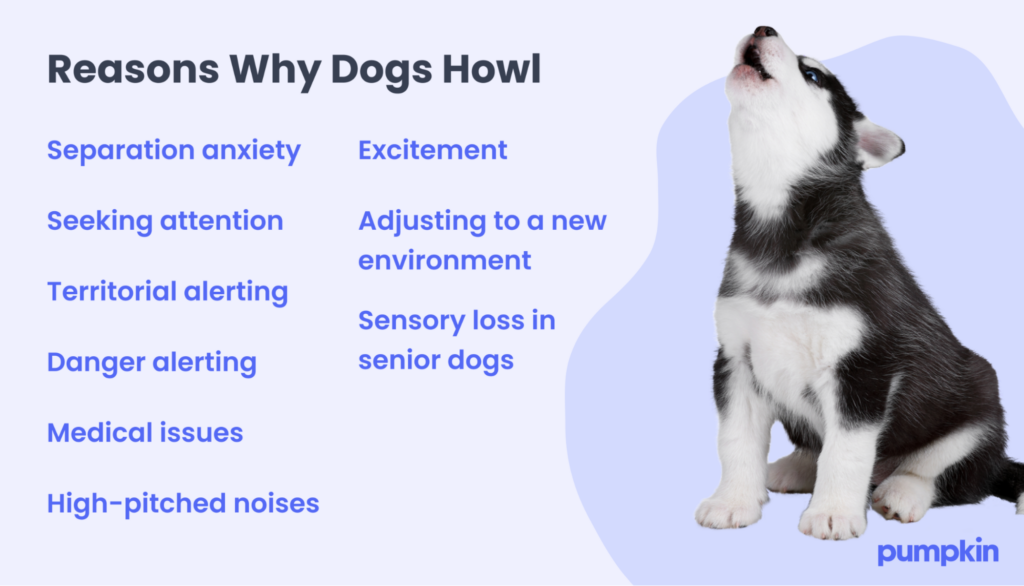
Image Source: static.wixstatic.com
Deciphering Canine Vocalizations: Why Dogs Howl
Howling is a very old way dogs talk. It is not just noise; it carries messages. Think of it like an ancient signal. Dogs howl to communicate across long distances, much like wolves do in the wild. When your dog howls at night, they are trying to tell you something important about their feelings or their surroundings. Fathoming the root cause is the first step to finding a fix.
Instinctual Roots of Nighttime Howling
Dogs are descendants of wolves. Wolves howl to gather the pack, announce their location, or warn rivals away. Your domestic dog might tap into these deep-seated instincts.
The Call of the Pack
Even though your dog lives with you, they still view you as their pack. If they feel left out or alone, they might howl to call you back. This is often linked to separation anxiety dog howling at night. The dog feels the pack is gone, and they use the howl to find where everyone is.
Territorial Warnings
Sometimes, a night howl is a warning. If your dog hears a distant siren, another dog barking far away, or strange noises, they may howl to say, “I am here! Stay away!” This is a natural defense mechanism kicking in when the house is quiet.
Environmental Triggers for Night Howling
The quiet of the night makes some sounds much louder and more noticeable to a dog’s sensitive ears. These sounds can trigger an urge to howl.
Hearing High-Pitched Sounds
Many dogs react strongly to high-pitched noises. A common trigger is a siren—police, fire truck, or ambulance. These sounds mimic the pitch of a distant howl. This often explains instances of dog howling at the moon, though it is usually a sound source, not the moon itself, that sparks the vocalization.
Responding to Other Dogs
If a neighbor’s dog howls nearby, your dog might join in. This is called chorus howling. It is a social bonding activity, even if the other dog is blocks away.
Psychological and Emotional Causes
A dog’s emotional state plays a huge role in nighttime noise. Boredom and anxiety are major culprits behind reasons for nighttime dog howling.
Loneliness and Attention Seeking
Many dogs crave interaction. If they are left alone in a room or the yard overnight, they may feel lonely. They learn quickly that howling brings a human running. This quickly turns into a habit if not managed. This is a frequent cause of excessive dog howling at night.
Separation Anxiety
This is more serious than simple loneliness. A dog with separation anxiety panics when left alone or separated from their primary attachment figure. Howling becomes a frantic attempt to make the owner return. This often happens right after bedtime or if the owner leaves the house.
Health Issues Leading to Night Howls
Not all howling is behavioral. Sometimes, pain or discomfort signals a need for medical help. Recognizing when health is the issue is vital.
Pain and Discomfort
If a dog suddenly starts howling at night when they never did before, it could mean pain. Arthritis, dental pain, or internal issues can cause distress, especially when the dog settles down to sleep.
Cognitive Decline (Doggy Dementia)
Older dogs can develop Canine Cognitive Dysfunction (CCD). This is similar to human Alzheimer’s. Dogs with CCD often become disoriented, especially at night. They may pace, seem lost, or howl out of confusion and fear. This is a key consideration when looking at medical reasons for dog howling.
Hearing or Vision Loss
As dogs age, they may lose some sight or hearing. The dark can become scary. If they wake up confused in the night, they might howl because they cannot see where they are or locate their owners.
Investigating When Your Dog Howls in Sleep
A common query is, dog howling in sleep. This is usually different from active howling.
Dreams and Stimulation
Just like humans, dogs dream. They might whimper, twitch, or even let out soft howls while fast asleep. This is usually related to what they are experiencing in their dream state—maybe chasing a squirrel or running in a field. These vocalizations are generally brief and do not require intervention unless they wake the dog up completely.
Deeper Sleep Arousal
Sometimes, a sudden, loud howl from a sleeping dog means they were startled awake by a noise, a bad dream, or disorientation due to age. If this happens often, it suggests poor sleep quality due to anxiety or environment.
Practical Steps to Address Nighttime Howling
Once you have a good idea of the cause, you can start working on solutions. Fixing the issue requires patience and consistency.
Step 1: Rule Out Medical Issues
Before assuming it’s just bad behavior, schedule a vet visit if the howling is new or sudden. Discuss any changes in behavior, activity level, or apparent pain. Treating an underlying health problem is the first step to calming dog howling at night.
Step 2: Managing Environmental Triggers
If outside noise or sounds cause the howling, manage the environment.
- Block the Noise: Close windows and use a white noise machine. This drowns out distant sirens or other dogs.
- Limit Visual Access: If your dog sleeps near a window they look out of, block that view.
- Sound Masking: Play calm music specifically designed for dogs. This helps create a peaceful sleeping environment.
Step 3: Addressing Separation Anxiety and Loneliness
If loneliness or anxiety is the problem, focus on security and pack connection.
Build Confidence While Alone
Do short practice periods when you are home. Leave the room for 30 seconds, then return calmly. Gradually increase the time. Do not make a big fuss when you leave or return. Keep departures and arrivals low-key.
Create a Safe Den
Dogs feel secure in small, dark spaces, like a crate or a specific dog bed corner. Make this spot comfortable with familiar blankets and safe toys. This spot should feel like a secure den, not a punishment area.
Enrichment Before Bed
A tired dog is less likely to howl from boredom or anxiety. Ensure your dog gets plenty of physical exercise and mental stimulation during the day. A long walk or a training session before bedtime can help them settle easier.
Step 4: Dealing with Attention-Seeking Howls
If your dog howls and you immediately run to them, you have taught them that howling works. You must break this cycle.
- Ignore the Howl: This is the hardest part. If you are sure the dog is safe and healthy, ignore the howling completely. Do not look, speak, or go near the dog during the vocalization.
- Reward Quiet: Wait for a short break in the howling—even just three seconds of silence. Go to them during that quiet moment and calmly praise or give a small, high-value treat. You are rewarding silence, not stopping the noise.
Step 5: Solutions for Excessive Dog Howling at Night Outdoors
If your dog is outside at night, the risk of howling increases significantly due to environmental stimulation and loneliness.
- Bring Them Inside: The simplest and often most effective solution is to have your dog sleep indoors, close to the family. This addresses pack needs directly.
- Supervised Outdoor Time: If outdoor sleeping is necessary, ensure they have shelter and cannot see or hear every passing trigger. Reduce the time they spend out there, especially during peak noise hours (late evening/early morning).
Tools and Training Aids for Calming Night Howlers
Several aids can assist in the training process, especially for anxious howlers.
| Tool/Aid | Primary Use | How It Helps | Caution |
|---|---|---|---|
| White Noise Machine | Environmental Noise Blocking | Masks outside sounds that trigger howls. | Ensure volume is not too high. |
| Thundershirt/Anxiety Wrap | Anxiety Management | Provides gentle, constant pressure, mimicking a hug. | Must be introduced calmly when the dog is relaxed. |
| L-Theanine Supplements | Mild Anxiety Relief | Natural amino acid that promotes relaxation. | Always consult a vet before starting any supplement. |
| Long-Lasting Chews | Boredom/Distraction | Keeps the dog busy when settling down for the night. | Ensure the chew is safe for unsupervised nighttime use. |
Teaching “Quiet” Command
You can teach your dog to stop barking or howling on command. Start this training during the day when they are calm.
- Get your dog to vocalize (e.g., knock on the door).
- When they start barking/howling, let them do it a few times.
- Place a tasty treat right up to their nose. Most dogs will stop barking to sniff the treat.
- The instant they are quiet, say “Quiet!” and give the treat.
- Practice this repeatedly until they associate the word “Quiet” with stopping the noise and getting a reward.
Special Consideration: How to Stop Dog Howling Outdoors
If you are struggling to stop dog howling outdoors because neighbors are complaining, immediate, consistent action is needed. Outdoor dogs are more exposed to triggers and feel more isolated.
Ensure the outdoor area is secure and not too isolated. If the dog howls after you go inside, it signifies separation distress or territorial arousal due to nighttime activity outside (like nocturnal animals). Bringing the dog inside near the family is the gold standard for resolving this outdoor isolation howling.
If bringing them in is impossible, invest heavily in visual barriers and soundproofing for their kennel area. Ensure they have a highly engaging chew toy only available when they are outside at night to redirect focus.
Fathoming Age-Related Howling
If your older dog begins howling, always check with the vet first. If physical reasons are excluded, focus on CCD management.
- Night Lights: Use dim night lights to prevent disorientation if they wake up confused.
- Consistent Routine: Keep bedtime and wake-up times extremely regular. Predictability reduces anxiety in older dogs.
- Evening Puzzles: Use gentle puzzle toys or slow feeding to engage their minds before sleep, which can help them settle better.
Frequently Asked Questions (FAQ)
Can I stop my dog from howling completely?
It is difficult to stop a dog from howling entirely, as it is a natural behavior. The goal is usually to manage excessive or inappropriate howling (like howling when safe and inside) down to a rare, acceptable level.
Is it bad if my dog howls a little bit at night?
A brief howl in response to a siren or a quick whimper while dreaming is usually not a concern. Constant, prolonged, or frantic howling is a sign that attention is needed—either behavioral correction or medical evaluation.
Does howling mean my dog is sad?
Sadness or loneliness is a major factor. If the howling occurs only when the dog is alone, it strongly suggests sadness or separation anxiety related to feeling disconnected from the pack.
Why does my dog howl specifically at sirens?
Sirens produce high-frequency sounds that dogs perceive as similar to other dogs howling or distress calls. It triggers an instinctual response to join the “chorus” or investigate the potential emergency.