
The best way to weigh a dog depends on the dog’s size, temperament, and where you are located. For small dogs, using a bathroom scale dog weight method is often simplest. For larger dogs, you might need to weigh yourself first and then hold the dog, subtracting the difference.
Keeping track of your dog’s weight is a vital part of pet care. Weight changes often signal health issues. This guide shows you simple, effective dog weighing methods for any size pup, helping you maintain good pet weight tracking.
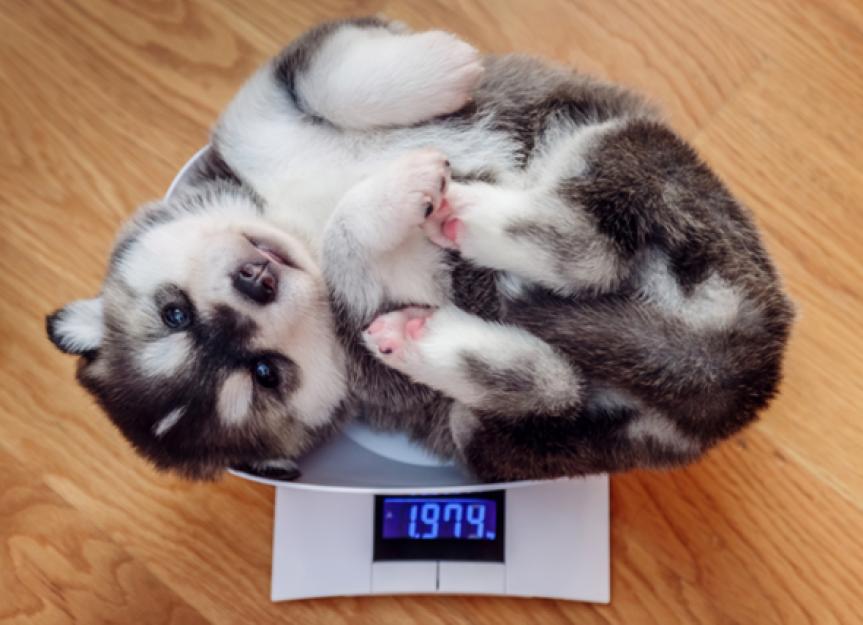
Image Source: image.petmd.com
Why Weighing Your Dog Matters
Knowing your dog’s current weight is not just a number for your records. It is a key piece of health data. Regular checks help vets set the right medicine doses. It also helps you manage their diet and exercise.
Health Indicators Tied to Weight
A sudden or slow weight change signals something important.
- Weight Loss: Can mean poor nutrition, dental pain making eating hard, or serious illness like kidney disease or cancer.
- Weight Gain: Often points to too many treats, not enough exercise, or conditions like hypothyroidism. Being overweight strains the heart, joints, and overall life span.
Tools for Accurate Dog Weight Measurement
You need the right tools for precise dog weight measurement. The best tool changes based on how big your dog is.
Small to Medium Dogs: Using Standard Scales
For small and medium dogs, your home scale works well. This is the most common home method.
Bathroom Scale Dog Weight Technique
If your dog is small enough to hold, this is easy.
- Weigh Yourself First: Step onto the scale and note your weight precisely.
- Weigh With Your Dog: Pick up your dog gently. Step onto the scale holding your pet. Note this combined weight.
- Calculate the Difference: Subtract your weight (Step 1) from the combined weight (Step 2). The result is your dog’s weight.
Example:
* Your Weight: 150 lbs
* You + Dog Weight: 165 lbs
* Dog Weight: 165 – 150 = 15 lbs
This method is fast and uses what you already have. Be sure your bathroom scale is accurate. Consider checking it against a known weight occasionally.
Investing in Proper Equipment
For better accuracy, especially for pet weight tracking, specialized scales are better.
Digital Dog Scale (The Precision Option)
A digital dog scale offers high precision. These are flat platforms designed for pets. They often have a hold feature that locks the weight even if the pet wiggles a bit. They are excellent for monitoring small changes in small dogs.
Portable Dog Scale (For Travel and Mobility)
A portable dog scale is great if you travel often or have a dog that won’t stand still on a regular scale. These often look like a hanging scale with a sling or harness. You suspend the dog gently from the hook. These are very handy for weighing puppy at home as they grow quickly.
Veterinary Scale Dog (The Gold Standard)
A veterinary scale dog is the most accurate tool. These professional scales are often larger, more robust, and calibrated often. If you have a very large dog or a complex medical need, visiting the vet clinic for a check-up can give you the most reliable number.
How to Weigh Large Dog Breeds
Weighing how to weigh large dog breeds like Great Danes or Mastiffs presents a challenge. You cannot simply lift them onto a standard scale.
Method 1: The Two-Step Subtraction Method (Revisited)
This is the standard approach for big dogs.
- Pros: Uses existing equipment (bathroom scale).
- Cons: Accuracy relies on how still you and your dog remain during the lift.
Method 2: Using a Platform Scale (If Available)
If you own livestock, have a large truck scale nearby, or visit a dog-friendly farm supply store, you might access a large platform scale.
- Place the empty, large scale cover (if needed) on the platform. Note this zero weight.
- Lead your dog onto the platform slowly.
- Take the reading immediately.
Method 3: The Gentle Approach with a Sling
If you have access to a heavy-duty hanging scale (similar to a portable dog scale but higher capacity), you can use a strong sling or hammock designed to support their weight safely. This requires training your dog to enter the sling calmly.
Weighing Puppy at Home: Monitoring Rapid Growth
Puppies grow incredibly fast. Daily or weekly checks are important for young dogs.
Tools for Puppies
For newborns and very young puppies, a kitchen scale or a baby scale is perfect.
- Place a small towel or mat on the scale surface.
- Tare the scale (set it to zero) so the towel weight is ignored.
- Place the puppy gently on the towel.
- Record the weight immediately.
Why this matters: Puppies should gain weight steadily. If a puppy stops gaining or loses weight, it needs immediate veterinary attention. This precise method ensures accurate pet weight tracking during this critical stage.
Advanced Techniques for Difficult Dogs
Some dogs hate standing still. They wiggle, jump off, or refuse to cooperate. This makes standard weighing methods unreliable.
Trick 1: Positive Reinforcement and High-Value Treats
Make the scale a good place to be.
- Start slow. Put the scale in the living room, not just the bathroom.
- Lure the dog onto the scale with a favorite treat. Reward them instantly just for putting one paw on it.
- Gradually require both front paws, then all four paws.
- Use extremely high-value, slow-to-eat treats (like a dab of peanut butter on a lick mat placed on the scale). This keeps them busy while you get the reading.
Trick 2: The “Wait” or “Stay” Game
If your dog knows a “stay” command, use it. Practice having them stay on the scale for just a second, then reward heavily. Slowly build up the duration until you can step away to read the display without them moving.
Trick 3: Using a Carrier or Crate
If your dog fits comfortably in a carrier, use the subtraction method with the crate.
- Weigh the empty carrier.
- Weigh the carrier with the dog inside.
- Subtract the empty weight.
This works well for dogs fearful of open surfaces or those who move constantly on a flat scale.
Comparing Dog Weighing Methods
Here is a quick comparison to help you choose the right technique.
| Method | Ideal For | Equipment Needed | Accuracy Level | Notes |
|---|---|---|---|---|
| Bathroom Scale Subtraction | Medium dogs, cooperative dogs | Standard bathroom scale | Medium | Requires two readings and simple math. |
| Kitchen/Baby Scale | Puppies, toy breeds | Digital kitchen scale | High | Excellent for tracking small increments. |
| Portable Dog Scale (Hanging) | Uncooperative dogs, traveling | Hanging scale with harness/sling | Medium-High | Requires securing the dog safely. |
| Digital Dog Scale (Platform) | Small to medium dogs | Flat digital platform scale | High | Easiest for dogs who stand calmly. |
| Veterinary Scale Dog Visit | Large dogs, maximum precision | Professional platform scale | Very High | Best for medical confirmation. |
Maintaining Consistent Pet Weight Tracking
Consistency is key to successful pet weight tracking. A few pounds difference between Monday’s reading and Wednesday’s reading might just be a large poop! You need routine.
Scheduling Weigh-Ins
Decide on a schedule. For healthy adult dogs, once a month is often enough. For puppies, seniors, or dogs actively dieting, aim for once a week. Always try to weigh your dog at the same time of day. Weighing first thing in the morning before breakfast provides the most stable baseline.
Recording Data
Use a simple chart or a dedicated app on your phone. Include the date, the weight, and any notes (e.g., “Dog seems bloated,” or “Just started new food”). This data is invaluable during vet visits. You can show clear trends instead of just giving a single, potentially confusing number.
The Importance of Scale Calibration
If you buy your own digital dog scale, check its battery often. If using a standard bathroom scale, test it occasionally by weighing known objects. If the scale is wildly off, you cannot trust the numbers for proper dog weight measurement.
When to Seek Professional Help with Weighing
Sometimes, home methods just don’t work. You should rely on professional tools if:
- Your Dog is Too Big: If lifting your dog is dangerous for you or stressful for them, stop trying home methods. Ask your vet or groomer to use their veterinary scale dog equipment.
- You Need High Precision: If your dog is on medication where dosage depends strictly on weight (like thyroid medication or specific heart drugs), a digital dog scale or a vet visit is necessary. Small dosing errors matter greatly.
- You Cannot Get Cooperation: A dog that panics on a scale can hurt itself or you. A professional groomer or vet tech can often coax the dog onto a scale safely while you stand by.
Addressing Weight Gain and Loss Trends
Once you have accurate measurements, what do you do with the information?
Interpreting Weight Gain
If your pet weight tracking shows a steady gain, look at inputs first. Are you accidentally giving extra treats? Did someone else feed them? Is the food scoop slightly different? If diet and exercise adjustments do not work, talk to your vet. Sudden gain can mean fluid retention or hormonal issues.
Interpreting Weight Loss
Weight loss is often more urgent. Even 5% of body weight loss can be a sign of trouble in a small dog. If you see continuous loss despite normal eating, schedule a vet appointment quickly. Bring your weight log to show the rate of loss.
Frequently Asked Questions (FAQ) About Dog Weighing
Can I use a luggage scale to weigh my dog?
Yes, if you have a secure harness or sling that attaches safely to the hook. This works best for small to medium dogs that can hang safely without struggling too much. This is a type of portable dog scale setup.
How often should I weigh my senior dog?
Senior dogs often need more monitoring. Aim to weigh them at least every two weeks, or monthly, depending on their current health status. Weight fluctuations are more concerning in older pets.
My dog hates the scale. What is the simplest dog weighing method?
The subtraction method (weighing yourself holding the dog) is generally the easiest if the dog is not too large. Pair this with lots of praise and high-value food immediately after the process to build positive association.
Are home scales accurate enough for monitoring weight loss diets?
For general trends, yes. If you are aiming for a specific, slow weight loss goal (e.g., 1% of body weight per week), a standard bathroom scale dog weight reading taken consistently (same time, same scale) is usually sufficient to see if you are on track. For critical medical cases, use a veterinary scale dog whenever possible.
What is a good target weight range for my breed?
Always check breed standards, but talk to your veterinarian. They use a Body Condition Score (BCS) in addition to the number on the scale. The BCS tells you how much fat coverage there is over the ribs and waist, which is often more important than the exact number itself.