
The duration of canine vaccinations varies based on the specific vaccine, your dog’s age, health, and lifestyle, but core vaccines often last between one and three years after the initial puppy series and first adult boosters, though some, like rabies, have mandatory longer or shorter legal requirements.
Vaccinating your dog is a vital part of keeping them healthy. It protects them from serious, sometimes fatal, diseases. But when should you give those shots again? Knowing the dog vaccine expiration dates and schedules is key. This post helps explain how often to vaccinate dog companions. We will look closely at the dog vaccine booster schedule for common shots.
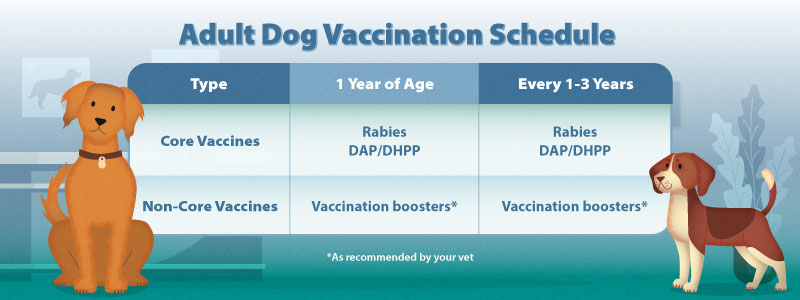
Image Source: www.carecredit.com
Deciphering Core vs. Non-Core Vaccines
Veterinary medicine separates dog shots into two main groups. This grouping helps decide vaccine interval for dogs.
Core Vaccines: Essential Protection for Every Dog
Core vaccines protect against diseases common everywhere. They pose risks to nearly all dogs. These shots are highly recommended for every dog, no matter where they live or their lifestyle.
| Vaccine Name | Disease Prevented | Typical Duration After Initial Series |
|---|---|---|
| Rabies | Rabies (Fatal virus) | 1 or 3 years (Varies by law/product) |
| Distemper | Canine Distemper Virus (CDV) | 1 to 3 years |
| Parvovirus | Canine Parvovirus (CPV-2) | 1 to 3 years |
| Adenovirus | Canine Hepatitis (CAV-2) | 1 to 3 years |
Non-Core Vaccines: Based on Risk
Non-core vaccines are for dogs with higher exposure risks. Your vet will suggest these based on your location, travel plans, and contact with other animals.
- Leptospirosis Vaccine Frequency in Dogs: Protects against bacteria spread through wildlife urine. Often given yearly, especially in wet or rural areas.
- Bordetella (Kennel Cough): Needed if your dog visits groomers, boarding kennels, or dog parks. Usually given every 6 to 12 months.
- Lyme Disease: Recommended in areas where ticks carrying Lyme disease are common. Usually boosted yearly.
- Canine Influenza: For dogs frequently exposed to large groups of dogs, like show or sporting dogs. Boosted yearly.
The Longevity of Parvovirus Vaccine and Distemper Protection
The longevity of parvovirus vaccine and the canine distemper vaccine duration are often linked because these are usually given together in the combination shot (often called the DHPP or DAPP).
Puppy Shots and Initial Immunity
Puppies receive their first shots early. Their mothers pass some protection via milk (maternal antibodies). These antibodies can block vaccines from working well. This is why puppies need a series of shots, not just one.
- First Shot (Around 6-8 weeks): Starts the process.
- Second Shot (Around 10-12 weeks): Boosts immunity.
- Third Shot (Around 14-16 weeks): Crucial for covering the time when maternal antibodies wear off.
After this final puppy shot, the initial strong immunity starts.
Adult Boosters and Extended Protection
For a long time, vets gave annual boosters for everything. Science has shown this is often not needed for core vaccines.
Studies show that the effectiveness of dog vaccines over time remains strong for many years after the initial puppy series and the first adult booster.
- Distemper and Parvovirus: Current research suggests that protection for both CDV and CPV-2 remains robust for at least three years, and likely much longer, following a full puppy series plus the first one-year booster. Many organizations now recommend boosters every three years for these components.
- Adenovirus (Hepatitis): This component also shows long-lasting immunity, often covered by the three-year schedule alongside Distemper and Parvo.
This shift means fewer shots for many healthy adult dogs, reducing costs and potential vaccine reactions.
How Long Rabies Shots Last in Dogs
Rabies protection is unique because it is often legally mandated. The duration is set by local and state laws, not just veterinary science alone.
In many places, the first rabies shot is good for one year. After that, dogs often qualify for a three-year rabies vaccine, provided their local laws allow it and they are healthy.
Key Points on Rabies Duration:
- Legal Requirement: Always check your state or county rules. Some regions only accept one-year vaccines for specific reasons.
- Vaccine Type: Check the product label your vet uses. Some products are specifically licensed for one-year or three-year use only.
- Lapsed Vaccination: If your dog misses a booster date, the law might require you to restart with a one-year shot, even if they were previously on a three-year schedule.
Leptospirosis Vaccine Frequency in Dogs: A Necessary Yearly Shot
The protection offered by the leptospirosis vaccine is generally shorter than that for Parvovirus or Distemper.
Because Leptospirosis bacteria can change strains (serovars) and the immune response is less durable, most vets recommend annual boosting.
Leptospirosis vaccine frequency in dogs is usually yearly. If your dog spends time near wildlife, contaminated water sources, or visits high-risk areas, yearly boosters are essential for continued protection. This is a major difference from the 3-year schedule for core shots.
Creating Your Dog Vaccine Booster Schedule
A proper dog vaccine booster schedule must be tailored. Talk openly with your veterinarian about your dog’s risks.
Factors Influencing Your Dog’s Schedule
The decision about how long vaccines last is not one-size-fits-all. Consider these points when planning:
- Age and Health: Very young puppies and older dogs with weaker immune systems might need slightly different protocols.
- Lifestyle: Does your dog interact with many other dogs? Do they hike off-leash in wooded areas? A social dog needs more protection than a homebody.
- Geographic Location: Are certain diseases common where you live? For example, Lyme disease vaccines are crucial in tick-heavy regions.
Titers: Measuring Immunity
Some owners choose titer testing instead of routine shots for Distemper and Parvo. A titer test measures the actual level of antibodies in the blood.
- If the antibody level is high enough, the dog is considered protected, and a booster shot might be skipped that year.
- Titer testing is generally not reliable or accepted for Rabies vaccination due to legal requirements.
Interpreting Vaccine Efficacy Over Time
The effectiveness of dog vaccines over time has been widely studied. Scientists looked at how long immunity lasts after a full series of shots.
For the core viral diseases (Distemper, Parvo, Adenovirus), memory cells are created. These cells “remember” the virus. When they see it again, they quickly ramp up defenses. This memory lasts a very long time.
For non-core vaccines like Bordetella or Lepto, the memory might not last as long. This is why they need more frequent boosting—often yearly.
Common Vaccine Confusion Points
Many pet owners worry about giving too many vaccines. This concern is valid, especially with unnecessary annual boosters for shots that last three years.
- Avoid Over-Vaccination: Giving a three-year vaccine every year exposes the dog to boosters when they don’t need them. This increases the tiny risk of side effects without adding significant protection.
- Following Protocols: A good veterinarian uses the lowest effective dose schedule, respecting the science behind vaccine duration.
The Process of a Vaccine Booster
When it is time for a booster, the process is often simpler than the initial puppy series.
What Happens During a Booster Appointment?
- Health Check: The vet first checks your dog’s overall health. They will ensure your dog is well enough to receive the vaccine.
- Discussion: You discuss any lifestyle changes and review records to confirm what vaccines are due now.
- Administration: The veterinarian gives the necessary shot(s). If a core vaccine is due after three years, only that one shot is given, not the whole cocktail.
- Documentation: You receive updated records showing the new dog vaccine expiration date or due date.
Vaccine Protocols Based on Age and History
The schedule changes as a dog ages. What they need at six months is different from what they need at six years old.
Puppy and Adolescent Schedules
Puppies need repeated shots because of those maternal antibodies. They must finish the entire series to ensure full protection.
Adult Protocols
Once the puppy series is complete and the dog receives its first one-year booster, the schedule simplifies dramatically based on vaccine type:
- 3-Year Vaccines (Distemper/Parvo/Adenovirus): Given every three years.
- 1-Year Vaccines (Rabies, Lepto, Bordetella): Given every year.
Senior Dog Considerations
Older dogs generally have strong immunity from previous vaccinations. They usually stick to the adult schedule. In rare cases, if a senior dog has severe immune issues, a vet might suggest titer testing or skipping certain non-core vaccines.
Summary of Key Vaccine Intervals
Here is a quick look at typical recommendations:
| Vaccine | Initial Requirement | Adult Booster Frequency |
|---|---|---|
| DHPP (Distemper/Parvo/Adeno) | Series until 16 weeks + 1 year later | Every 3 years |
| Rabies | 1-year shot + 1 year later | 1 or 3 years (Based on law/product) |
| Leptospirosis | Series (usually 2 shots) | Every 1 year |
| Bordetella | Varies (often 1-2 initial doses) | Every 6–12 months |
This table helps clarify how long rabies shots last in dogs versus other shots. Always use this as a guide, not a replacement for vet advice.
Addressing Concerns About Vaccine Overload
Some owners worry about giving too many injections too soon. Modern protocols aim to prevent this.
We now space out non-essential vaccines when puppies are young. For example, a vet might give the Lepto shot at the 12-week puppy visit, but wait until the 16-week visit for the final DHPP shot. This spreads out the immune system’s workload.
The goal is to provide robust protection without stressing the immune system unnecessarily. Adhering to the veterinarian-prescribed vaccine interval for dogs is the safest path.
Frequently Asked Questions (FAQ)
Q1: What happens if I miss my dog’s booster appointment?
If you miss the due date, your dog might be considered overdue. For core vaccines like Distemper/Parvo, a single booster shot is usually enough to restore protection quickly. For Rabies, missing the date might mean the law requires you to restart with a one-year vaccine, even if you were previously on a three-year schedule.
Q2: Can I skip the Leptospirosis vaccine if my dog stays inside?
Even indoor dogs face risks. Wildlife (like raccoons or rodents) can bring Leptospirosis bacteria into the yard or home through their urine, contaminating puddles or soil. If your dog drinks from outside water or has contact with local wildlife traces, the annual leptospirosis vaccine frequency in dogs should be maintained.
Q3: How do I know if my dog’s old vaccine is still effective?
For non-rabies core vaccines, titer testing is the best way to gauge current immunity. A high titer level suggests strong protection against Distemper and Parvovirus. Talk to your vet about whether titers are appropriate for your dog.
Q4: Are 3-year vaccines safer than 1-year vaccines?
The safety profile is similar, but fewer injections mean less exposure risk over time. If a vaccine (like DHPP) is proven effective for three years, administering it every year offers no extra benefit and slightly increases the chance of a mild reaction. This is why many vets favor the 3-year schedule for those core shots.