
A Groodle dog is a popular crossbreed dog. It comes from mixing a Golden Retriever and a Poodle. Groodles are often called Goldendoodles in other parts of the world. They are known for being friendly, smart, and having low-shedding coats.
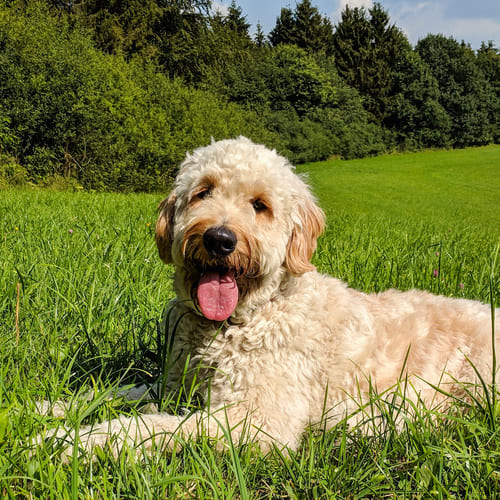
Image Source: vetschoice.guildinsurance.com.au
Tracing the Roots of the Groodle Dog Breed
The Groodle dog breed is not a purebred dog. It is a designer dog. This means people intentionally cross two different purebred dogs to get desired traits. The goal was to combine the best features of both parent breeds.
The Golden Retriever Side
Golden Retrievers are famous for their happy nature. They are loyal family dogs. They are also great helpers, often serving as guide dogs or therapy dogs. They love people and are very eager to please.
The Poodle Influence
Poodles come in standard, miniature, and toy sizes. They are highly intelligent dogs. Many people love Poodles because they shed very little hair. This makes them a good choice for people with allergies.
Why Mix These Two Breeds?
The mix started gaining popularity in the 1990s. People wanted a dog that had the gentle nature of a Golden Retriever. They also wanted the lower shedding coat of a Poodle. The Groodle was born from this desire. They quickly became a favorite family pet around the world.
Deciphering the Groodle Temperament
The Groodle temperament is one of their biggest selling points. They usually get the best qualities from both parents. This results in a dog that is playful, affectionate, and very gentle.
Social and Friendly Nature
Groodles generally love everyone. They bond closely with their families. They are usually excellent with children. They also tend to get along well with other pets. This friendliness makes them poor guard dogs because they might greet an intruder with a wagging tail.
Intelligence and Trainability
Both parent breeds are very smart. Poodles are often ranked among the smartest dogs. Golden Retrievers are also quick learners. This means Groodle training is usually quite successful. They pick up new commands fast. They respond very well to positive reinforcement methods, like treats and praise.
Energy Levels
Groodles have moderate to high energy. They need daily exercise to stay happy and healthy. A good walk or playtime in a secure yard is essential. Without enough activity, they can become bored. Boredom can sometimes lead to unwanted behaviors like chewing.
Needs for Companionship
These dogs thrive on human interaction. They do not like being left alone for long periods. If they feel lonely, they can develop separation anxiety. They truly want to be part of all family activities.
Groodle Size and Appearance
The Groodle size can vary quite a lot. This is because the Poodle parent can come in three different sizes (Standard, Miniature, or Toy). This leads to different generations of Groodles.
Generations Matter
When looking at Groodle puppies, you might hear terms like F1 or F1b. This explains which generation the dog is from:
- F1 Groodle: One parent is a purebred Golden Retriever. The other parent is a purebred Poodle. The traits are a 50/50 mix.
- F1b Groodle: This cross is back to one of the original breeds. For example, an F1 Groodle is crossed back with a Poodle. This mix often results in a curlier, lower-shedding coat.
- Multigenerational (F2, F3, etc.): These dogs result from mixing two Groodles. Their traits are less predictable.
Weight and Height Ranges
The final size depends on the Poodle parent used:
| Poodle Parent | Typical Groodle Height (Shoulder) | Typical Groodle Weight |
|---|---|---|
| Standard Poodle | 21 to 26 inches | 50 to 90 pounds |
| Miniature Poodle | 16 to 20 inches | 30 to 45 pounds |
| Toy Poodle | Under 15 inches | 15 to 30 pounds |
Keep in mind these are estimates. A Standard Poodle mix will be much larger than a Toy Poodle mix. Always check the lineage of the parents when you are buying Groodle puppies.
Groodle Coat Colors
The Groodle coat colors are diverse, inheriting shades from the Golden Retriever and Poodle lines. You can find them in many beautiful hues:
- Gold (ranging from light cream to deep red)
- Black
- Chocolate/Brown
- Apricot
- Cream
- Parti-colored (patches of two or more colors)
Caring for Your Groodle: Grooming Needs
Groodle grooming is a major commitment. While they often shed less than a Golden Retriever, they are not completely non-shedding. Most Groodles have hair that grows continuously, much like human hair. This hair can easily mat if not cared for properly.
Brushing is Essential
You must brush your Groodle frequently. Daily or every-other-day brushing is often necessary, especially for longer, curlier coats. Use a slicker brush and a metal comb. Start at the skin and work your way out to prevent painful mats from forming close to the body.
Professional Grooming Schedule
Most owners take their Groodle to a professional groomer every 6 to 8 weeks. Groomers will trim the hair to keep it manageable. If you prefer a longer “teddy bear” look, you might need more frequent trims. Matted fur can cause skin infections and pain. Do not let the coat get too long between professional visits.
Bathing Tips
Bathe your dog only when necessary, using a high-quality dog shampoo. Be sure to rinse thoroughly. Leftover soap residue can irritate the skin. Always brush your dog before bathing. Water tightens up existing tangles, making them impossible to remove after a bath.
Health and Lifespan Expectations
When you mix two breeds, you often create what is called “hybrid vigor.” This means the crossbred dog might be healthier than its purebred parents. However, Groodles can still inherit health issues common to both Golden Retrievers and Poodles. Knowing these potential issues helps you care for your dog better.
Common Groodle Health Issues
We must consider the potential inherited conditions. Responsible breeders screen their parent dogs for these problems:
- Hip and Elbow Dysplasia: This affects the joints. It is common in larger breeds like Golden Retrievers.
- Eye Conditions: Certain eye problems can affect both lines, like progressive retinal atrophy (PRA).
- Thyroid Issues: Hypothyroidism can sometimes occur.
- Skin Allergies: Groodles can sometimes develop skin sensitivities.
Groodle Lifespan
The Groodle lifespan is generally good. It usually ranges from 10 to 15 years. Smaller Groodles (those mixed with Miniature or Toy Poodles) often live longer than the larger Standard Groodle types. Good diet, regular exercise, and routine vet care are key to reaching the upper end of this range.
Comprehending Groodle Training and Socialization
Early socialization and consistent training are vital for a well-adjusted Groodle. Because they are so smart, they learn quickly, but they also learn bad habits quickly if you are not consistent.
Puppy Socialization
The window for socialization closes early. Between 3 and 16 weeks, expose Groodle puppies to many sights, sounds, people, and safe environments. This builds confidence. A well-socialized Groodle will be a happy, fearless adult.
Obedience Training
Start basic obedience right away. Use positive methods only. They love making you happy, so reward them often. Focus on commands like sit, stay, come, and leave it. Because they are eager to please, they excel in dog sports like agility.
Leash Training
Since they are energetic, leash training is important. Introduce the leash and collar slowly. Use positive rewards when they walk nicely beside you. A Groodle that pulls can be difficult to manage due to their strength.
Groodle vs Goldendoodle: What is the Difference?
This is a common point of confusion. What is a Groodle if not a Goldendoodle?
Simply put, there is no real difference in terms of parentage. Groodle vs Goldendoodle comes down to geography and common naming conventions.
- Goldendoodle: This is the more commonly used term in the United States and many other places globally.
- Groodle: This term is predominantly used in Australia.
Both names refer to the same cross between a Golden Retriever and a Poodle. If you are looking for information online, searching for either term will lead you to the same type of dog. The only difference might be slight variations in breeding focus based on regional trends.
Finding and Choosing Groodle Puppies
Finding the right Groodle puppies requires patience and research. Because they are so sought after, many breeders exist. It is crucial to find a breeder who prioritizes health and good temperament over quick sales.
Responsible Breeding Practices
A responsible breeder will:
- Provide health clearances for both parent dogs (especially hips, eyes, and thyroid).
- Allow you to meet at least one parent dog.
- Keep the puppies with the mother until they are 8 weeks old.
- Be knowledgeable about the breed’s quirks and needs.
- Ask you many questions to ensure you are a good fit for the dog.
What to Avoid
Be very wary of sellers who:
- Cannot show health testing records.
- Are willing to let puppies go home too early (before 8 weeks).
- Have many different breeds available at one time (often a sign of a puppy mill).
- Offer to ship puppies without meeting you first.
Cost Considerations
Groodles are expensive due to high demand and the cost of health testing parents. Prices vary widely based on location, size (mini vs. standard), and coat type. Be prepared to pay a premium for a well-bred, healthy puppy. The initial cost is an investment in the dog’s future health and temperament.
Daily Life with a Groodle
Bringing a Groodle into your home means welcoming an active, loving companion. They fit well into many types of homes, provided their needs are met.
Apartment Living Suitability
A Standard Groodle might struggle in a small apartment unless the owners are extremely dedicated to exercise. They need space to stretch and play. Smaller Groodles (mini or toy mixes) adapt better to apartment life. However, all Groodles need daily mental and physical stimulation, no matter the living space.
Exercise Requirements
Aim for at least one good, long walk a day. Supplement this with active playtime. Fetch, swimming (many Groodles love water!), or puzzle toys count toward their exercise needs. A tired Groodle is a happy, well-behaved Groodle.
Feeding Your Groodle
Feed a high-quality commercial dog food appropriate for their age and size. Larger Groodles need food formulated for large breeds to support healthy joint development. Follow the feeding guidelines on the bag, but adjust based on your dog’s body condition. You should be able to feel their ribs easily, but not see them.
The Role of Mental Stimulation
Because of their high intelligence, mental work is as important as physical work. Practice training commands regularly, even after they are adults. Use food puzzles or hide-and-seek games to keep their sharp minds busy.
Deciphering Coat Types in Groodles
One of the most fascinating aspects of the Groodle is the variety in their coats. This variation is largely due to the Poodle genes. The resulting coat type strongly influences the Groodle grooming routine.
Coat Types Summary
| Coat Type | Appearance | Shedding Level | Grooming Effort |
|---|---|---|---|
| Straight/Flat | Looks very much like a Golden Retriever’s coat. | Moderate to High | Lowest effort; still needs regular brushing. |
| Wavy/Fleece | Soft, loose waves. Very popular. | Low to Very Low | Moderate effort; needs brushing several times a week. |
| Curly/Wool | Tightly curled, like a Poodle’s coat. | Very Low (Often touted as “hypoallergenic”) | Highest effort; daily brushing and frequent professional trims. |
Hypoallergenic Claims
It is important to be careful with the term “hypoallergenic.” No dog is 100% guaranteed not to cause allergies. However, Groodles with curlier, Poodle-like coats tend to shed less dander and hair. This often makes them better tolerated by allergy sufferers. If allergies are a major concern, seeking an F1b or later generation Groodle with a very curly coat is often recommended.
Groodle Training: Advanced Techniques
While basic obedience is easy, Groodles can sometimes be sensitive. Harsh corrections during Groodle training can cause them to shut down or become anxious.
Positive Reinforcement Focus
Always use positive reinforcement. When your dog does something right, give them high-value rewards immediately. This builds a strong, trusting bond between you and your dog.
Dealing with Separation Anxiety
If you notice destructive behavior or excessive barking when you leave, address separation anxiety early. Start small: leave the dog alone for one minute, reward calm return, then slowly increase the time. Crate training, if done correctly and positively, can also provide a secure den for the dog when you are away.
Socializing with Other Dogs
Even though they are usually friendly, they still need proper introductions to unfamiliar dogs. Always supervise play sessions. A well-trained Groodle will greet other dogs politely.
Fathoming Groodle Health and Longevity
To maximize the Groodle lifespan, proactive veterinary care is essential. These dogs benefit from preventative medicine.
Routine Veterinary Care
Schedule yearly check-ups. Ensure they are current on vaccinations and parasite prevention (fleas, ticks, heartworm). As they age, your vet might recommend more frequent visits or senior blood panels.
Dental Health
Like many smaller or medium-sized dogs, they can be prone to dental disease. Start brushing their teeth early in life. Use dog-specific toothpaste. Dental cleanings under anesthesia may be needed as they get older to prevent painful infections.
Weight Management
Due to their love of food, Groodles can easily become overweight. Obesity puts major strain on their joints, worsening potential hip or elbow issues. Monitor their food intake closely and ensure they maintain a healthy weight throughout their lives.
Frequently Asked Questions About Groodles
Is the Groodle a hypoallergenic dog?
While no dog is completely hypoallergenic, Groodles with curlier, Poodle-like coats shed much less than many other breeds. They are often a better choice for allergy sufferers, but testing tolerance before committing is always wise.
Are Groodles good first-time dogs?
Yes, Groodles are often great for first-time dog owners. Their intelligence makes Groodle training straightforward. Their eagerness to please ensures they bond quickly with their new family. However, new owners must commit to consistent training and plenty of exercise.
How much exercise does a Groodle need daily?
Most Groodles require at least 45 minutes to an hour of moderate to vigorous exercise every day. This should include walks, playtime, or fetching sessions. Mental stimulation is also a key part of their daily needs.
What is the difference between a Groodle and a Cavoodle?
A Cavoodle is a cross between a Cavalier King Charles Spaniel and a Poodle. A Groodle is a cross between a Golden Retriever and a Poodle. Cavoodles are much smaller and generally calmer than Groodles.
Do Groodles bark a lot?
Groodles are generally not excessive barkers. They might bark to alert you to something new or if they are bored or anxious. Consistent training and ensuring they get enough attention will help keep barking to a minimum.