
Can I tell if my dog has rabies by looking at them? No, you cannot definitively tell if your dog has rabies just by looking at them. Only a laboratory test performed after the animal’s death can confirm a rabies diagnosis. However, knowing the signs and symptoms is crucial for immediate action.
Rabies is a deadly virus. It attacks the brain and nerves. It affects all warm-blooded animals, including dogs. This virus spreads mainly through the bite of an infected animal. Early action is key to protecting your pet and your family.
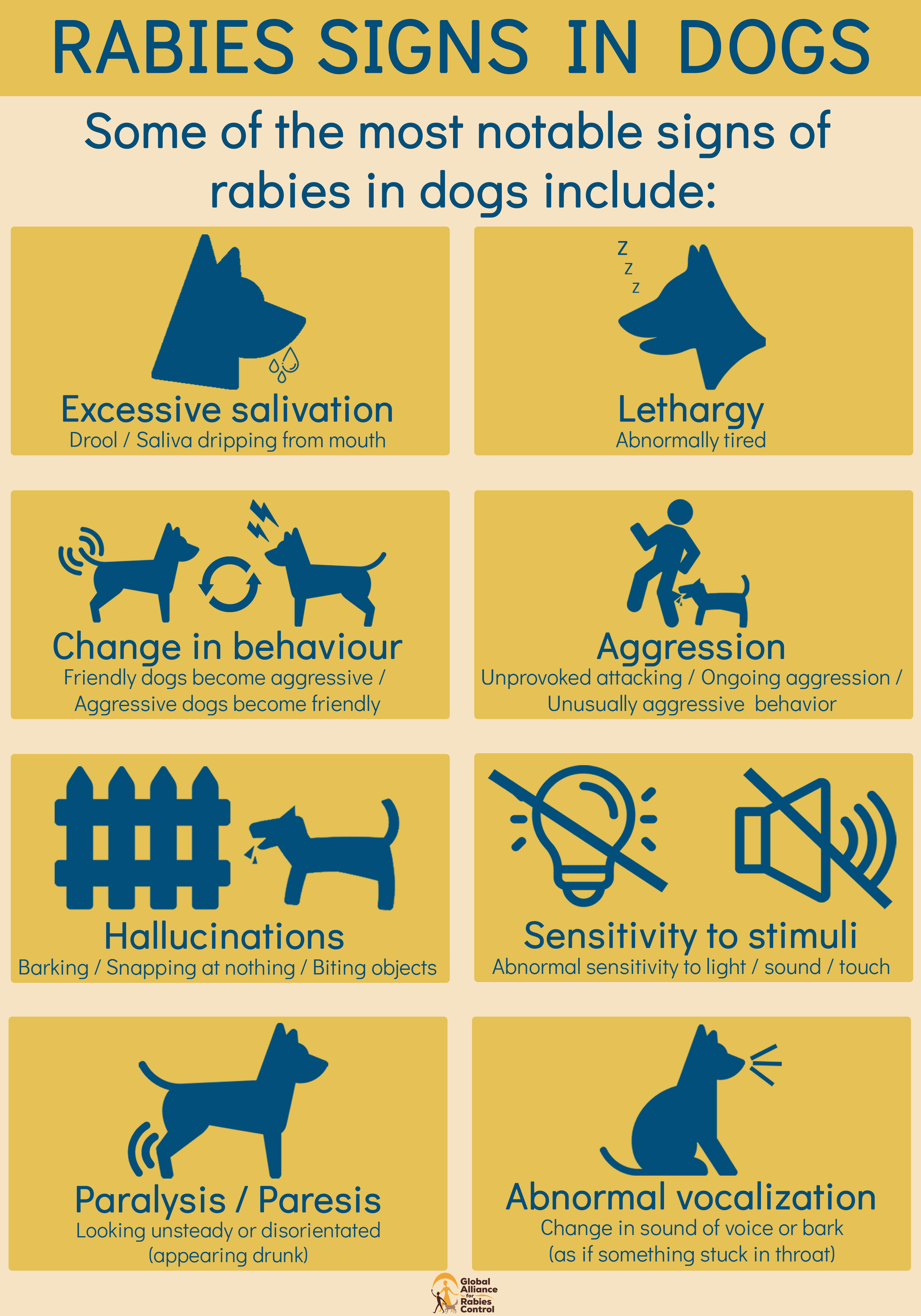
Image Source: rabiesalliance.org
Recognizing the Danger: Early Signs of Rabies in Dogs
Spotting canine rabies symptoms early is hard. The virus takes time to show its effects. This time is called the incubation period. The first signs are often vague. Your dog might just seem a little ‘off.’
What Happens During the Incubation Period?
The dog rabies incubation period varies a lot. It can range from a few days to several months. Most often, symptoms appear within a few weeks of the bite. How fast it shows up depends on where the virus entered the body. A bite close to the head usually means faster symptoms. During this time, the dog looks and acts normal. They can still spread the virus if they bite someone.
The Early Stages: Changes in Behavior
In the first phase, look for small changes. Your dog might act differently than usual. These early dog rabies signs can be mistaken for other illnesses.
- Fever: A slight rise in body temperature is common.
- Lethargy: Your dog seems tired or sluggish.
- Appetite Change: They might stop eating or drink less water.
- Nervousness: They may act anxious or look for hiding spots. They might be unusually clingy or unusually distant.
- Pain at the Bite Site: Sometimes, the spot where the animal bit them becomes itchy or sore.
It is vital to watch your dog closely if you know they were exposed.
The Two Forms of Rabies: Feral and Furious
Rabies in dogs usually shows up in two main forms. Each form presents different dog rabies signs. Knowing these helps you react quickly.
The Dumb (Paralytic) Form
This form is often seen more often in dogs. It focuses on weakness and paralysis.
- Paralysis: This usually starts in the throat or hind legs. The dog may struggle to walk.
- Drooling and Choking: Paralysis of the throat muscles makes it hard to swallow. This causes excessive drooling. They might choke or gag. This is often what people think of first when they try to tell if dog has rabies.
- Change in Bark: The bark may sound strange, weak, or high-pitched because the vocal cords are affected.
- Lethargy Deepens: The dog becomes very quiet and weak. They often lie down and cannot get up. Coma and death follow soon after.
The Furious Form
This form is what most people fear. It involves extreme aggression.
- Extreme Agitation: The dog becomes restless and highly agitated. They cannot settle down.
- Aggression: They may bite at anything—objects, people, or even their owners—without warning. This is a major risk for dog biting after rabies exposure.
- Pica: They might try to eat strange, non-food items like rocks or wood.
- Biting Fixation: They may wander off and bite other animals or people repeatedly.
It is important to remember that a dog in the furious stage is not acting out of malice. They are acting due to the severe neurological damage caused by the virus.
How Rabies Spreads: Understanding Dog Rabies Transmission
Dog rabies transmission almost always happens through saliva. When a rabid animal bites another, the virus enters the body through the wound.
Modes of Transmission
- Bites: This is the most common way. The infected saliva enters the bloodstream or tissue.
- Scratches: If an infected animal scratches you, and saliva is present on the claws, infection is possible, though less common than a bite.
- Open Wounds: If saliva or brain tissue from a rabid animal gets into an open cut or mucous membranes (like the eyes or mouth), transmission can occur.
Risk Assessment After Exposure
If your dog bites someone, quarantine is essential. This allows time to watch for signs. If the dog is currently vaccinated, the procedure is different from an unvaccinated dog. Immediate reporting to animal control is necessary if there is any possibility of rabies exposure.
The Process of Rabies Diagnosis
You cannot run a simple blood test to confirm rabies in a live dog. Rabies in dogs diagnosis relies on observing clinical signs and, ultimately, lab work post-mortem.
Clinical Observation
Veterinarians diagnose suspected rabies based on behavior and history. Did the dog have contact with wildlife? Is the dog overdue for its rabies shot? Does the dog show any of the signs listed above? If the clinical picture suggests rabies, protective protocols must begin immediately.
Definitive Laboratory Testing
If a dog is euthanized or dies while suspected of having rabies, testing is performed on the brain tissue. The standard test is the Direct Fluorescent Antibody (DFA) test. This test looks for the rabies virus antigen in the neural tissue. This is the only way to confirm the presence of the virus.
What If My Dog Bites Someone? Immediate Steps
If your dog bites a person or another animal, your reaction must be swift and responsible. This is especially critical if the dog has not been current on its vaccines or if the biting occurred after known exposure.
Steps Following a Bite Incident
- Secure the Dog: Keep the dog contained immediately. Do not let it roam free.
- Seek Medical Attention for the Victim: Ensure the person bitten receives prompt care. Rabies post-exposure procedures for humans may be necessary.
- Contact Authorities: Call Animal Control or the local health department right away. They will guide you on local quarantine rules.
- Determine Vaccination Status: Know the date of your dog’s last rabies shot.
Quarantine Requirements
Quarantine rules are set by local laws. They usually depend on the dog’s vaccination status at the time of the bite.
- Vaccinated Dog: A healthy, currently vaccinated dog might be quarantined at home for 10 days under observation.
- Unvaccinated Dog: An unvaccinated dog that bites someone usually faces a longer, strict quarantine period (often 4 to 6 months) at an approved facility, or euthanasia may be advised if exposure to a known rabid animal occurred.
Signs of Rabies in Vaccinated Dogs
A common question is, “What are the signs of rabies in vaccinated dog?” Rabies vaccines are highly effective. They prepare the dog’s immune system to fight the virus off before it reaches the brain.
However, no vaccine is 100% perfect. If a vaccinated dog is exposed to rabies, the outcome depends on several factors:
- Time Since Last Vaccine: If the dog was recently boosted, protection is very high.
- Severity of the Exposure: A small scratch is less dangerous than a deep bite from a confirmed rabid animal.
If a vaccinated dog shows any neurological signs after exposure, it must be treated as a potential rabies case until proven otherwise. The dog will likely require immediate veterinary consultation and possibly a booster shot, followed by strict quarantine.
Veterinary Care for Suspected Rabies in Dogs
If you suspect your dog has rabies, you must call your veterinarian immediately. Do not take the dog into the waiting room. Keep the animal contained in your car or in a crate.
Handling a Suspected Case
Veterinary care for suspected rabies in dogs is focused on safety and diagnosis, not treatment. There is no effective cure for clinical rabies in dogs once symptoms start.
- Safety First: Staff will use extreme caution. They will use heavy protective gear (gloves, masks) to prevent any contact with saliva.
- Isolation: The dog will be placed in an isolated unit away from all other animals.
- Observation Period: Local health departments usually mandate a specific observation period (often 10 days) to monitor for progression of symptoms.
If the dog dies or must be euthanized during this period, brain samples are taken for DFA testing.
Post-Exposure Prophylaxis for Dog Rabies
What if your dog was bitten by an animal confirmed or suspected to have rabies? This situation requires post-exposure prophylaxis for dog rabies.
This usually involves a protocol developed by the veterinarian and local health officials:
- Immediate Booster: Give an immediate rabies booster vaccine, even if the dog is current.
- Strict Confinement: The dog must be rigorously quarantined for a set period (often 90 to 180 days, depending on local laws and vaccination status). This confinement must be in a secure facility or kennel that prevents any contact with other animals or people outside the immediate caregivers.
- Monitoring: The dog is closely watched for any sign of illness during the quarantine.
If the dog is unvaccinated and the exposure was high-risk, euthanasia is often the recommended course, as long quarantine periods are expensive and the risk remains high.
Preventing Rabies: The Best Defense
Since rabies is almost always fatal once symptoms appear, prevention is the only real strategy.
Vaccination Schedule
Keep your dog current on rabies vaccinations as required by law.
| Age | Rabies Vaccine Schedule (General Guidelines) |
|---|---|
| 12-16 Weeks | Initial Puppy Vaccination |
| 1 Year After Initial | First Booster |
| Every 1 or 3 Years | Subsequent Boosters (Varies by State/Country) |
Managing Interaction with Wildlife
Rabies most commonly circulates in wildlife like bats, raccoons, skunks, and foxes.
- Keep pets indoors, especially at night, when many carriers are active.
- Do not leave pet food outside, as it attracts wildlife.
- Secure trash cans so wildlife cannot access them.
- Teach children never to approach or touch stray or wild animals.
Fathoming Rabies Stages Summary
It helps to see the progression of the disease laid out simply.
| Stage | Typical Duration | Key Observations |
|---|---|---|
| Incubation | Days to Months | No symptoms; dog appears normal. |
| Prodromal (Early) | 2-3 Days | Slight fever, changes in behavior (shy or clingy), restlessness. |
| Furious/Excitative | 1-7 Days | Aggression, biting, snapping, eating strange things, restlessness. |
| Paralytic/Dumb | 2-10 Days | Drooling, difficulty swallowing, weakness, paralysis starting in the limbs or throat, coma. |
| Death | Within 10 Days of Symptom Onset | Occurs shortly after severe paralysis sets in. |
If you observe any signs listed in the Prodromal or Furious/Paralytic stages, treat it as an emergency rabies situation.
Frequently Asked Questions (FAQ)
Can a dog recover from rabies once symptoms start?
No. Once clinical signs of rabies appear in a dog, the disease is fatal. Recovery does not happen. This is why prompt reporting and adherence to quarantine or humane euthanasia protocols are so important.
If my dog is vaccinated, do I still need to worry if they are bitten?
Yes, you must still worry and report the incident. While the vaccine offers very strong protection, a severe bite from a rabid animal still requires immediate veterinary evaluation. Your vet will advise on a booster and quarantine period based on local laws and the specifics of the exposure.
How long do I have to wait to know if my dog has rabies after exposure?
You must wait through the entire incubation period to be certain, which can be up to several months. This is why quarantine is enforced. In practice, if the dog remains healthy through the standard 10-day observation period (especially if they were current on vaccines), the risk drops drastically.
Is it possible for a dog to have rabies and act completely normal?
Yes, during the incubation period, the dog will act completely normal. Even in the very early, prodromal stage, the signs are often subtle enough to be missed or mistaken for another mild sickness.
Can I get rabies from touching my dog if they have rabies?
You are at very low risk from touching a dog unless the dog has active, excessive drooling that gets into a cut, or if the saliva gets into your eyes, nose, or mouth. The virus is not spread through urine, feces, or intact skin. The primary risk is from a bite or scratch where infectious saliva is introduced into the wound.