
If you suspect your dog has internal bleeding, you must seek immediate veterinary care; this is a life-threatening emergency. Recognizing the signs of internal bleeding in dogs quickly is vital for a positive outcome.
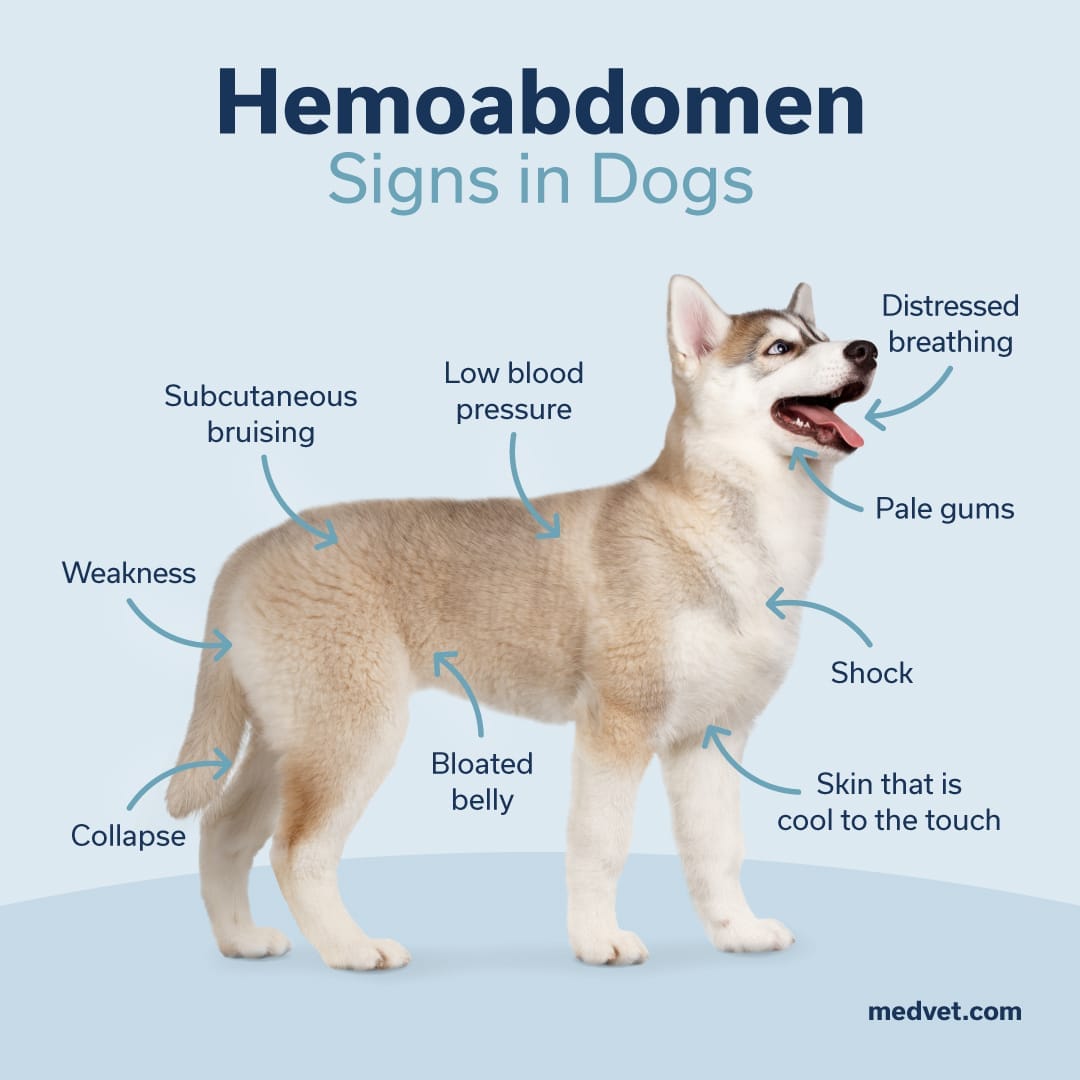
Image Source: cdn.medvet.com
Spotting the Danger: Recognizing Internal Bleeding in Pets
Internal bleeding, or hemorrhage, happens when blood leaks from vessels inside the body. This loss of blood volume quickly causes serious problems. Your dog can become weak and even collapse. Knowing the warning signs is the first step in saving your pet’s life. Many symptoms of canine internal hemorrhage can seem vague at first, but they often worsen fast.
Common Causes Leading to Bleeding
Several events can lead to blood pooling inside your dog. Some causes are quick accidents, while others develop over time.
- Trauma: Accidents are a major cause. Being hit by a car, a bad fall, or being attacked by another animal can cause severe internal damage. These events often result in dog trauma internal bleeding signs.
- Toxins: Poisons, especially rat poison (which stops blood from clotting), cause severe, widespread bleeding.
- Cancer: Tumors, particularly those affecting the spleen or liver, can rupture and bleed heavily.
- Blood Clotting Disorders: Diseases that stop the blood from forming clots make even small injuries dangerous.
- Organ Issues: Ruptured masses or sudden damage to organs like the spleen or liver can lead to large internal blood pools.
- Heatstroke: Severe heatstroke can sometimes cause widespread damage to blood vessels.
Clear Indicators: Physical Signs of Internal Bleeding
When blood leaks inside, it builds up and puts pressure on organs. It also steals vital blood from circulation. Look for these physical changes:
Pale Gums and Mucous Membranes
This is one of the most important signs of internal bleeding in dogs. Healthy gums are pink, like a human’s. When a dog bleeds a lot inside, there isn’t enough blood flowing to the surface.
- How to Check: Gently lift your dog’s upper lip.
- What to Look For: Gums that look white, very pale pink, or even blueish (if the oxygen is also low). This means the dog is losing a lot of blood fast.
Changes in Abdominal Appearance
The belly might look different if the bleeding is severe.
- Swelling or Bloating: The abdomen may look distended or feel hard to the touch. This swelling is the pooled blood pressing outwards.
- Bruising: In severe cases of trauma, you might see bruising (blue or purple spots) on the belly skin or where the skin is thin.
Weakness and Lethargy
As the dog loses blood, it loses oxygen supply too. This leads to profound weakness.
- Lethargy: Extreme tiredness that doesn’t improve with rest.
- Reluctance to Move: The dog may refuse to walk, stand up, or play.
- Collapse: In the worst scenarios, the dog may suddenly collapse. This is one of the most serious emergency signs dog internal bleeding can show.
Breathing Changes
Breathing is often affected by low blood volume and shock.
- Rapid, Shallow Breathing: The dog tries to breathe fast but doesn’t take deep breaths.
- Panting: Excessive panting, even when the dog is cool or resting.
Recognizing Shock: A Critical Consequence
Internal bleeding often leads to shock because the body cannot maintain enough blood pressure. Recognizing dog low blood pressure shock signs is just as important as seeing the bleeding itself.
| Shock Sign | Description | Urgency Level |
|---|---|---|
| Pale Gums | White or very pale pink. | Very High |
| Cold Extremities | Ears, paws, or tail feel cold to the touch. | High |
| Weak Pulse | The heartbeat is rapid but thready (hard to feel). | High |
| Confusion/Dullness | The dog seems unaware of its surroundings. | High |
| Slow Capillary Refill Time (CRT) | Press your finger on the gum until it turns white. It should turn pink again in under 2 seconds. Slower means poor circulation. | Critical |
If you see several of these signs together, it points toward a circulatory crisis, often caused by blood loss. These are key dog internal injury signs.
Investigating the Mystery: Common Scenarios and Associated Signs
The location and cause of the bleeding often change how the symptoms of canine internal hemorrhage appear.
Trauma-Related Bleeding
If your dog was recently in an accident, internal injuries are highly suspected. Look closely for signs following any fall, fight, or impact.
- Difficulty breathing after trauma.
- Obvious pain when the belly is touched.
- Refusing to lie down normally (often preferring a sternal or “sphinx” position).
- Visible signs of external injury masking deeper problems.
The quick drop in blood pressure after trauma demands quick action. These are stark dog trauma internal bleeding signs.
Cancer-Related Bleeding
Bleeding from a tumor, especially in older dogs, might be slower or more sudden.
- Sudden Weakness: The dog seems fine one moment and collapses the next, perhaps due to a ruptured spleen tumor.
- Weight Loss: Unexplained weight loss often precedes the bleeding event.
- Vomiting Blood or Black, Tarry Stool: While these are signs of gastrointestinal bleeding, they relate to internal blood loss that is exiting the body.
Toxin-Induced Bleeding
If you know your dog ate rat poison or something similar, the signs of internal bleeding in dogs might show up days later.
- Unexplained Bruises: Small spots of bruising appearing on the skin for no clear reason.
- Blood in Urine or Stool: This happens as the blood leaks throughout the body.
- General Malaise: The dog just seems “off” for several days before the crisis hits.
Fathoming the Severity: Differentiating Mild vs. Severe
Not all internal bleeding is immediately life-threatening, but without X-rays or tests, you cannot know for sure. Always treat potential internal bleeding as a severe event.
When Bleeding is Slow (Chronic)
Sometimes, a slow leak causes a slow decline. The body tries to compensate for the lost blood.
- The dog becomes progressively anemic.
- Mild fatigue that gets worse over weeks.
- Slightly pale gums that persist.
When Bleeding is Rapid (Acute)
Acute, massive bleeding is a true emergency. The dog’s system cannot cope.
- Rapid heart rate.
- Profuse collapse or inability to stand.
- Gums turn white very quickly.
- The dog becomes unresponsive.
These rapid declines are often emergency signs dog internal bleeding presents.
Immediate Action: What To Do If Dog Has Internal Bleeding
If you see any of the symptoms of canine internal hemorrhage, do not delay. Time is the most critical factor in treating internal bleeding.
Step 1: Stay Calm and Assess
Panic helps no one. Try to remain calm while you manage the situation.
- Limit Movement: Keep your dog as still as possible. Any movement increases the heart rate and blood flow, worsening the bleed.
- Handle Gently: If you must move your dog, try to slide them onto a rigid surface, like a flat board or a thick blanket, to keep their spine and body still. Keep their head slightly elevated if possible, but only if it doesn’t cause distress.
- Do Not Give Medications: Never give aspirin or any other human painkiller. These can thin the blood further and make the bleeding worse.
Step 2: Call Ahead to the Vet
Contact the nearest open veterinary emergency internal bleeding clinic immediately.
- Tell them you suspect severe internal bleeding.
- Describe your dog’s symptoms (pale gums, collapse, trauma history).
- Ask them to prepare for shock management and stabilization upon your arrival. Knowing you are coming allows them to assemble the team and necessary equipment (like IV fluids and blood products) beforehand.
Step 3: Transport Safely
Transporting your dog quickly but safely is key. If your dog is conscious, try to keep them quiet in the car. If they are unconscious, ensure their airway is clear. Recognizing internal bleeding in pets means recognizing when professional help is non-negotiable.
Veterinary Stabilization and Diagnosis
Once you arrive at the clinic, the team will focus on stabilizing the patient first. This involves treating the shock caused by blood loss.
Initial Stabilization Protocols
The first goal is to restore blood volume and pressure.
- Intravenous (IV) Catheters: Placing large-bore IV catheters is crucial.
- Fluid Therapy: Rapid infusion of warmed intravenous fluids (crystalloids) helps temporarily raise blood pressure.
- Blood Transfusion: If the bleeding is severe or anemia is significant, the dog will need a blood transfusion immediately.
- Oxygen Therapy: Providing supplemental oxygen supports vital organs while circulation is poor.
Tools for Pinpointing the Source
After stabilization, vets use several tools to find where the blood is pooling. Causes of sudden collapse in dogs are often found through these diagnostic steps.
Imaging Techniques
- Radiographs (X-rays): Chest and abdominal X-rays can show an enlarged spleen, signs of fluid (blood) in the chest cavity (hemothorax), or obvious fractures related to trauma.
- Ultrasound (Sonography): This is often the best non-invasive tool. It can clearly show fluid accumulation in the abdomen or chest and identify the bleeding organ, such as a ruptured tumor on the spleen or liver.
Bloodwork
Blood tests confirm the extent of the blood loss and how the body is coping.
- Complete Blood Count (CBC): This reveals the packed cell volume (PCV) or hematocrit, which shows how many red blood cells are present. A low PCV confirms anemia due to blood loss.
- Coagulation Panel: This checks if the blood is clotting properly, which is vital if toxins are involved.
Surgical Intervention
In most cases of significant internal bleeding, surgery is required to stop the source of the leak.
- If a ruptured mass (like a tumor) is found, the organ must often be removed (e.g., splenectomy).
- If bleeding is due to severe trauma, damaged vessels must be repaired, and the abdomen flushed clean of blood clots.
Life After the Crisis: Recovery and Monitoring
Recovery from major internal bleeding and surgery is intensive. Your dog will need several days of close monitoring in the hospital.
Post-Procedure Care
- Continued Fluid Support: IV fluids may continue to support blood pressure and kidney function.
- Pain Management: Strong, vet-prescribed pain relief is essential, especially after surgery.
- Blood Monitoring: Frequent blood tests ensure the PCV stabilizes and the bleeding has truly stopped.
Home Care Considerations
Once discharged, follow your veterinarian’s instructions precisely.
- Activity Restriction: Strict rest is mandatory for several weeks to allow surgical sites or tissues to heal without reopening the bleed. No running, jumping, or rough play.
- Incision Care: Keep the surgical site clean and dry. Watch for excessive swelling or discharge.
- Appetite and Energy: Monitor your dog’s return to normal appetite and energy levels. Slow improvement is normal after major internal issues.
Frequently Asked Questions (FAQ)
How fast can internal bleeding kill a dog?
Acute, massive internal bleeding can cause a dog to go into shock and die within hours, sometimes even faster, depending on the size of the blood vessel ruptured and the dog’s overall health. This is why speed in reaching care is crucial.
Can a dog recover from internal bleeding without surgery?
If the bleeding is very minor (a small vessel leak) and the body can clot the area naturally, the dog might stabilize with supportive care (IV fluids). However, if the bleeding is significant or from a major source like a tumor, surgery is almost always needed to stop the loss permanently.
What if my dog just collapsed for no obvious reason?
A sudden, unexplained collapse is a classic emergency signs dog internal bleeding can present. Other causes include severe heart failure or diabetic crisis, but internal hemorrhage must be ruled out immediately by checking gums and taking the dog to the veterinary emergency internal bleeding unit.
Are certain dog breeds more prone to internal bleeding?
Certain breeds are predisposed to conditions that cause bleeding. For instance, large and giant breeds are sometimes at higher risk for hemangiosarcoma (a tumor that often bleeds into the spleen). Breeds known for clotting disorders might also be at higher risk, depending on the specific condition.
How can I check my dog’s pulse to assess circulation?
You can check the pulse inside the upper thigh where the leg meets the body (the femoral artery). A healthy pulse is strong and regular. In shock from blood loss, the pulse is often very fast but weak or “thready” (hard to feel clearly).