
When your dog poops black, it usually means there is digested blood in the upper part of the digestive tract. This condition is often referred to as melena in dogs. If you see dog stool black color, you need to watch your dog closely.
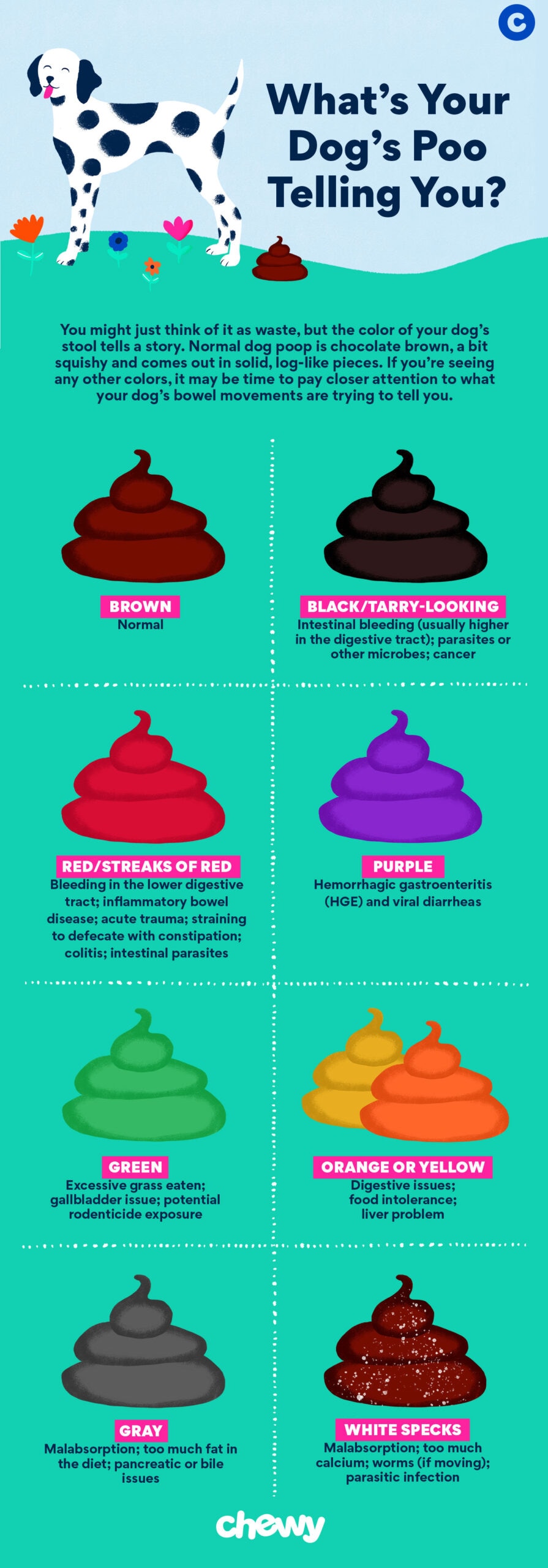
Image Source: media-be.chewy.com
Deciphering Black Dog Poop: What Is Happening?
Black poop is alarming for any dog owner. It is not the same as understanding dark brown dog poop, which is usually normal. Black stool points to a problem inside your pet. The color comes from blood that has been broken down by stomach acids and enzymes. Think of it like tar—it is sticky, dark, and sometimes smells very bad.
The Science Behind the Color
When blood enters the upper GI tract (stomach or small intestine), enzymes go to work on the hemoglobin in the red blood cells. This process changes the iron in the blood, turning it black and sticky. This substance is what we call melena. If the blood is fresh and red, it means the bleeding is happening lower down, like in the colon or rectum. Black poop means the bleeding happened higher up and had time to change color.
Common Causes of Black Dog Poop
There are many causes of black dog poop. Some are minor issues, and others signal serious medical trouble. It is important to look at what else your dog is doing. Are they eating, drinking, and acting normal?
Dietary Factors: What My Dog Ate Causing Black Poop
Sometimes, the black color is not blood at all. My dog ate something causing black poop? This is a common worry. Certain things a dog eats can stain the stool black.
- Iron Supplements: If your dog takes iron supplements, this can cause very dark or black feces.
- Certain Foods: Foods containing high amounts of dark coloring can sometimes cause this. Examples include black olives, blueberries, or even some dark-colored dog treats.
- Bismuth Subsalicylate: Medicines containing this ingredient (like Pepto-Bismol, which should only be given under vet advice) can turn stool black.
If the stool looks uniform black and does not have that distinct tarry texture, diet might be the cause. If it is sticky and foul-smelling, assume it is blood until a vet says otherwise.
Gastrointestinal Issues Leading to Melena
The most concerning reasons for black, tarry stools in dogs involve bleeding in the upper GI tract.
Ulcers in the Stomach or Small Intestine
Stomach ulcers are a major cause of melena. These are open sores in the lining of the digestive tract. Ulcers can be caused by:
- NSAIDs: Non-steroidal anti-inflammatory drugs (like dog-safe pain relievers) used too often or at high doses can irritate the stomach lining.
- Stress: Severe stress or trauma can sometimes trigger ulcers.
- Underlying Diseases: Kidney or liver disease can lead to ulcers.
When an ulcer bleeds, the blood turns black as it moves through the system.
Severe Gastritis or Enteritis
Inflammation of the stomach (gastritis) or intestines (enteritis) can cause irritation and bleeding. This often happens after the dog eats something irritating or due to infections.
Foreign Body Obstruction
If a dog swallows a sharp object, it can scratch or puncture the lining of the esophagus, stomach, or small intestine. This causes bleeding that results in black stool. This is an emergency.
Tumors or Cancer
Growths or tumors in the upper GI tract can bleed slowly over time. This slow bleeding often results in chronic, dark, tarry stools.
Blood Clotting Disorders
If your dog has a problem with blood clotting, they can bleed internally from many places, including the GI tract. This can be caused by:
- Poisoning: Ingesting rat poison (anticoagulant rodenticide) severely impacts the liver’s ability to make clotting factors. This is a life-threatening emergency.
- Immune-Mediated Diseases: Conditions where the body attacks its own platelets.
When Is Black Dog Poop Serious?
When is black dog poop serious? If the stool is black, sticky, tarry, and foul-smelling, it is almost always serious enough to warrant a call to the veterinarian.
Black stool means significant blood loss has already occurred. The seriousness depends on how much blood is lost and how fast.
Immediate Red Flags Requiring Emergency Care
If black stool is accompanied by any of the following signs, you must seek immediate veterinary attention:
- Weakness or Collapse: Signs of anemia or severe blood loss.
- Pale Gums: Gums that look white, pale pink, or grayish instead of a healthy bubblegum pink. This means low red blood cell count.
- Vomiting: Especially if the vomit also looks dark or contains coffee-ground-like material (which is also digested blood).
- Extreme Lethargy: The dog is unwilling to move or seems unusually tired.
- Abdominal Pain: Whining or guarding the belly when touched.
If your dog has had just one or two small, dark bowel movements but otherwise seems normal and energetic, call your vet for advice right away. However, do not wait if you suspect serious illness.
Differentiating Black Stool from Normal Dark Stool
It is vital to know the difference between true melena and normal very dark stool.
| Feature | Melena (Digested Blood) | Normal Dark Brown Stool |
|---|---|---|
| Color | Black, tar-like, often iridescent. | Dark brown or deep mahogany. |
| Texture | Sticky, very moist, resembles tar or motor oil. | Firm but yielding, easily picked up. |
| Odor | Distinctly foul, often strong and metallic. | Typical fecal odor. |
| Frequency | Often seen over several days if bleeding is chronic. | Normal pattern of bowel movements. |
Grasping this difference helps you decide the urgency. If it is truly tarry stools in dogs, assume bleeding is present.
Taking Action: What to Do When You See Black Stool
If you notice dog stool black color, your first steps matter. Do not panic, but act quickly.
Documenting the Evidence
Before cleaning up, try to get a picture of the stool. This visual evidence helps the vet immensely. Note the following details:
- Consistency: Was it sticky like tar, or just very dark?
- Frequency: How many times has the dog passed black stool?
- Dog’s Behavior: Is the dog eating, drinking, and acting normally?
- Recent Changes: Did the dog eat anything new? Did they take any medicine?
Home Remedies for Black Dog Poop?
Should you attempt home remedies for black dog poop? Generally, no. Black, tarry stool indicates an internal issue that needs professional diagnosis. Applying home remedies without knowing the cause can delay life-saving treatment.
For example, if the cause is a bleeding ulcer or rodenticide poisoning, waiting even a few hours can be dangerous.
The only time home management might be considered is if you are absolutely certain the cause was something dietary (like a few extra blueberries) AND your dog is otherwise completely normal, energetic, and eating well. Even then, monitor the next few bowel movements very closely. If it happens again, see the vet.
Seeking Veterinary Care for Black Dog Stool
A vet visit for black dog stool is crucial. Your veterinarian will use diagnostic tools to find the source of the bleeding.
Diagnostic Tools Used by Vets
The diagnostic process aims to confirm the presence of digested blood and locate the source of the hemorrhage.
Blood Work
Complete blood counts (CBC) will check for anemia (low red blood cell count), which confirms significant blood loss. Chemistry panels assess organ function (liver, kidneys), as these organs can cause bleeding issues. Clotting tests (PT/aPTT) are vital if poisoning is suspected.
Fecal Tests
While melena itself confirms bleeding, the vet might still check a fresh sample for parasites or occult (hidden) blood, just to be thorough.
Imaging Studies
- X-rays: Used to check for foreign objects or evidence of severe abdominal gas or mass effects that might point to tumors.
- Ultrasound: Provides detailed images of the stomach, small intestine, and surrounding organs, helping to spot ulcers, masses, or abnormal thickening of the intestinal walls.
Endoscopy
If the bleeding source is suspected to be in the stomach or the upper part of the small intestine, an endoscopy is often performed. The vet guides a flexible tube with a camera down the throat to visually inspect the lining. Biopsies can be taken during this procedure to check for ulcers, inflammation, or cancer.
Treatment Approaches Based on Diagnosis
Treatment directly follows the diagnosis.
- If Ulcers are Found: Treatment usually involves medications to reduce stomach acid (like Proton Pump Inhibitors) and protective coatings for the stomach lining. Stopping NSAIDs is critical.
- If Poisoning is Suspected: Specific antidotes (like Vitamin K1 for anticoagulant rodenticide) are given, often requiring hospitalization for monitoring.
- If a Foreign Body is Seen: Surgical removal is necessary if the object cannot safely pass or is causing obstruction.
- If Cancer is Diagnosed: Treatment plans vary widely but may include surgery, chemotherapy, or specialized diets.
Fathoming the Long-Term Outlook
The prognosis (outlook) for a dog with black stool depends entirely on the underlying reason.
If the cause is easily managed, like a temporary stomach upset from eating something mildly irritating, recovery can be quick.
If the cause is serious, like severe internal bleeding from a toxin or an aggressive tumor, the situation requires intensive, long-term medical management, and the prognosis might be guarded. Regular follow-up appointments are key to ensuring the bleeding has stopped completely.
Frequently Asked Questions (FAQ)
Q: How long after bleeding does poop turn black?
A: It typically takes several hours, often 6 to 12 hours, for blood to travel through the entire upper GI tract (stomach and small intestine) and be fully digested enough to turn the classic black, tarry color of melena.
Q: Can my dog still have black poop if they are eating normally?
A: Yes. A dog can continue to eat and drink normally even if they have an ulcer or slow internal bleeding causing melena in dogs. If the bleeding is slow, the dog might not show immediate signs of weakness, but the problem requires attention.
Q: If my dog has black stool once, should I still worry?
A: Yes, you should always contact your vet after one instance of dog stool black color, especially if it is tarry. While one episode might resolve on its own, it confirms that bleeding occurred somewhere in the upper GI tract. It’s better to confirm it was a one-time fluke (like an odd food item) than to miss the start of a serious condition.
Q: What if the poop is just very dark brown instead of black?
A: Very dark brown stool, without the sticky, tarry texture, is often normal or slightly concerning. It might indicate the dog passed normal stool that was held in the colon slightly longer, or it could be the very early stages of digested blood (pre-melena). If you see this, watch the next few movements. If it stays dark brown or turns black, call the vet. Understanding dark brown dog poop as slightly abnormal but not an immediate crisis is helpful, but caution is still needed.