
Dog protein requirements change based on your dog’s age, size, and activity level. Generally, adult dogs need about 18% protein on a dry matter basis, but puppies and very active dogs need more. Getting the right amount of protein is key to keeping your dog healthy and strong.
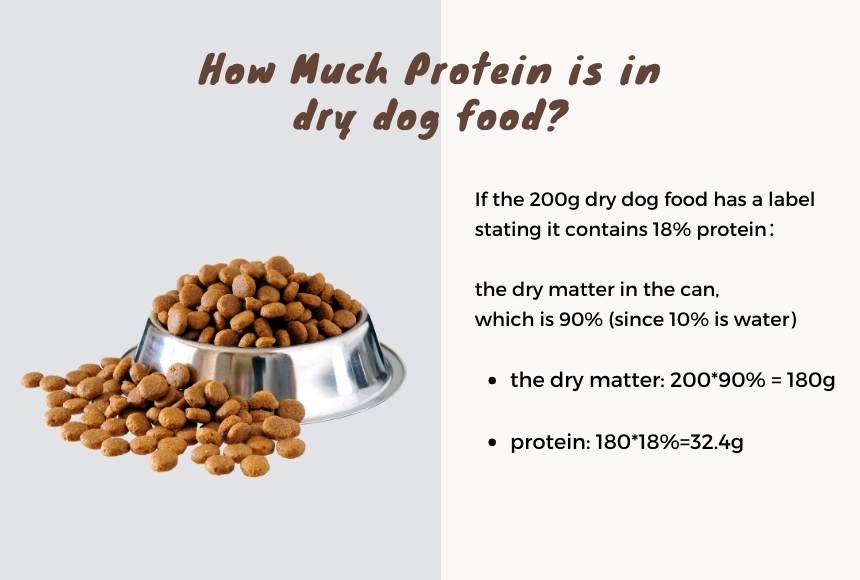
Image Source: cdn.shopify.com
Fathoming the Role of Protein in Canine Health
Protein is essential for dogs. It is not just for muscles. It helps build nearly every part of your dog’s body. Think of protein as the building block for life.
Why Dogs Need Protein
Proteins are made up of amino acids. Dogs need 10 essential amino acids from their food. Their bodies make the others. These amino acids do many important jobs:
- Muscle Growth and Repair: This is the most known job. Protein keeps muscles strong. It helps after exercise.
- Enzymes and Hormones: Many body processes need proteins. Enzymes speed up body reactions. Hormones send messages between cells.
- Immune System Support: Antibodies, which fight sickness, are made of protein. Good protein intake boosts the immune system.
- Skin and Coat Health: Protein provides the structure for healthy skin and a shiny coat.
- Energy Source: When carbs and fats are low, the body can use protein for energy. This is not ideal, though.
Deciphering Daily Protein Intake for Dogs
Determining the right daily protein intake for dogs is not a one-size-fits-all answer. It depends on life stages and health status. The Association of American Feed Control Officials (AAFCO) sets guidelines. These are good starting points.
AAFCO Guidelines Snapshot
AAFCO sets minimum standards for dog food. These standards are based on nutrient analysis.
| Life Stage | Minimum Crude Protein (Dry Matter Basis) |
|---|---|
| Growth (Puppies) | 22.5% |
| Maintenance (Adults) | 18.0% |
| All Life Stages | 18.0% |
These are minimums. Higher levels may be better for some dogs.
Puppy Protein Needs: Fueling Growth
Puppy protein needs are higher than adult needs. Puppies grow fast. They need lots of amino acids for building bones, organs, and muscle. A diet with at least 22.5% protein is vital for young pups. Some small breeds that mature quickly might do fine on 25%. Large breed puppies have special needs to manage bone growth, but they still need high protein levels for overall development.
Senior Dog Protein Requirements: Supporting Lean Mass
Senior dog protein requirements are often debated. Older dogs can lose muscle mass, a condition called sarcopenia. Many experts suggest that senior dogs benefit from more protein, not less, compared to the AAFCO minimum.
Look for diets with 25% to 30% crude protein for seniors. This helps maintain lean body mass. It is important that this protein comes from highly digestible sources. High protein is not bad for older kidneys unless they already have advanced kidney disease. Always check with a vet first.
Active Dogs and Working Dogs
Sporting dogs, agility competitors, and working dogs burn more calories. They need more fuel. Their daily protein intake for dogs should be higher, often in the range of 25% to 35% or more. This helps repair muscle damage from intense exercise.
Assessing the Quality: Dog Food Protein Digestibility
Not all protein is the same. The source matters greatly. Dog food protein digestibility measures how well your dog can use the protein it eats. High digestibility means less waste and more usable amino acids.
High Biological Value Protein
Proteins are judged by their biological value. This means how similar the amino acid profile is to what a dog needs. Animal proteins usually have higher biological values than plant proteins.
- Complete Proteins: Contain all nine essential amino acids. Meat, eggs, and dairy are usually complete.
- Incomplete Proteins: Lack one or more essential amino acids. Most plant proteins fall here.
Factors Affecting Digestibility
Processing methods heavily impact protein quality.
- Heat Treatment: Too much heat during cooking or extrusion (kibble making) can lower protein quality. This is called denaturation.
- Ingredient Source: Whole meats are digested better than meat meals, though quality meat meals are still excellent sources.
The Best Protein Sources for Dogs
When choosing food, look at the first few ingredients. These are the most plentiful in the food. We need the best protein sources for dogs.
Animal-Based Proteins
Animal sources are the gold standard for canine nutrition. They offer high digestibility and excellent amino acid profiles.
- Chicken and Turkey: Very popular, lean, and highly digestible. Bone and skin content affects fat levels.
- Beef: A rich source of protein and iron. Can be higher in fat depending on the cut.
- Fish (Salmon, Whitefish): Great sources of protein and essential fatty acids (Omega-3s).
- Eggs: Often called the perfect protein. Highly digestible and rich in nutrients.
- Organ Meats (Liver, Kidney): Very nutrient-dense, providing high protein and vitamins. Use in moderation due to high Vitamin A content.
Plant-Based Proteins
Plant sources can supplement animal proteins or form the base of vegan/vegetarian diets (which require careful formulation).
- Legumes (Peas, Lentils, Chickpeas): Common in grain-free foods. They boost protein percentages but are lower in some essential amino acids like methionine.
- Soy Products: Tofu or soy meal can provide good protein but can be an allergen for some dogs.
Comparing Protein Levels on Labels
Labels list “Crude Protein.” This is a measure by weight, not true digestibility. To compare foods accurately, calculate the percentage on a dry matter basis (DMB).
Dry Matter Calculation Example:
If a kibble label says:
* Protein: 28% (as-fed)
* Moisture: 10%
- Find Dry Matter (DM) Percentage: $100\% – 10\% (\text{Moisture}) = 90\% \text{ DM}$
- Calculate DMB Protein: $(\text{Crude Protein} / \text{DM Percentage}) \times 100$
$(28 / 90) \times 100 = 31.1\%$ Crude Protein on a DMB.
Wet Food Versus Dry Food Protein Content
A common query is how much wet food protein for dogs is adequate. Wet food naturally has higher moisture content than dry kibble. This means the protein percentage as-fed looks lower, even if the quality is high.
| Food Type | Typical Moisture Content | Typical Crude Protein (As-Fed) |
|---|---|---|
| Dry Kibble | 6% – 10% | 20% – 35% |
| Canned/Wet Food | 70% – 85% | 7% – 15% |
If you feed wet food, you must account for the massive water difference. A 10% protein wet food might be just as protein-dense as a 30% protein kibble when both are converted to a dry matter basis. Always look at the DMB if possible, or feed larger volumes of wet food to meet needs.
Raw Food Protein for Dogs
Feeding raw diets raises many questions about protein. Raw food protein for dogs is generally highly digestible because it is minimally processed. Raw diets rely heavily on uncooked muscle meat, organs, and bones.
Advocates for raw feeding argue that lower heat processing preserves enzyme activity and nutrient integrity, leading to better overall utilization of the protein.
However, raw feeding requires careful balancing. It is easy to create deficiencies if not done correctly. Concerns about pathogens like Salmonella also accompany raw feeding. A well-formulated, commercially prepared raw diet ensures nutritional completeness while providing high-quality protein.
The Benefits of High Protein Dog Food
Is more protein always better? For most healthy, active dogs, the answer is often yes. The benefits of high protein dog food go beyond just muscle building.
Enhanced Body Composition
High-quality protein helps maintain lean muscle mass. This is crucial for mobility, especially as dogs age. Lean muscle burns more calories, helping maintain a healthy weight.
Satiety and Weight Management
Protein is very filling. Dogs on a higher protein diet often feel satisfied longer. This can reduce begging and help manage weight in dogs prone to obesity.
Better Skin and Coat
Adequate protein ensures the skin has the building blocks for keratin and collagen. This leads to a stronger skin barrier and a glossier coat.
Athletic Performance
For dogs in strenuous activities, high protein intake supports rapid recovery from intense workouts. It replenishes amino acid pools quickly.
Risks: Signs of Too Much Protein in Dogs
While beneficial, excessive protein can pose issues for certain dogs. Knowing the signs of too much protein in dogs is important, particularly if you are feeding high-protein diets without veterinary guidance.
What is “Too Much”?
For most healthy dogs, “too much” means levels consistently above 35-40% DMB without corresponding high activity levels or specific needs (like extreme muscle building).
Potential Issues Linked to Excess Protein
- Increased Thirst and Urination: The body needs more water to process the extra nitrogen waste (urea) created when breaking down excess protein.
- Weight Gain: If protein calories are not burned, they are stored as fat, just like excess carbs or fat.
- Digestive Upset: Some dogs react poorly to high amounts of specific protein sources, leading to soft stools or gas.
- Kidney Stress (Pre-existing Conditions): This is the biggest concern. While high protein does not cause kidney disease in a healthy dog, it forces already compromised kidneys to work harder. If your dog has diagnosed Chronic Kidney Disease (CKD), protein must be carefully restricted and controlled by a vet.
If you notice excessive panting, unusual lethargy, or very strong-smelling urine paired with high water intake, consult your veterinarian immediately to check kidney function.
Life Stage Adjustments: Tailoring Intake
We established that puppy protein needs and senior dog protein requirements differ from adults. Life stages dictate precise adjustments.
Gestation and Lactation
Pregnant and nursing female dogs have significantly higher nutritional demands. They need diets formulated for growth, often exceeding 25% protein, to support fetal development and milk production.
Weight Loss Diets
When managing weight loss, veterinarians often recommend a diet that is high in protein but moderate in fat and calories. The high protein maintains muscle while the dog loses fat mass. This is a therapeutic diet and should be managed professionally.
Interpreting Dog Food Labels: Beyond the Guarantees
Reading a dog food label can be confusing. Focus on the guaranteed analysis section, but remember it is only a snapshot.
Guaranteed Analysis vs. Nutrient Profiles
The guaranteed analysis tells you the minimum protein and fat and the maximum moisture and fiber. It does not tell you the source or the digestibility.
- Example: A food listing “Chicken By-Product Meal” as the first ingredient might have the same guaranteed protein percentage as a food listing “Deboned Chicken,” but the second food is likely better quality because it uses whole muscle meat.
The Importance of Ingredient Sourcing
Good manufacturers will specify where their ingredients come from. For instance, listing “humanely raised” or “sustainably sourced” often correlates with higher ingredient standards overall. Look for transparency about how they ensure dog food protein digestibility in their process.
FAQ: Common Questions About Dog Protein
Can I switch my dog to a very high-protein diet quickly?
No. Sudden dietary changes can cause digestive upset, like vomiting or diarrhea. Transition your dog slowly over 7 to 10 days. Mix increasing amounts of the new food with decreasing amounts of the old food.
Do dogs need grain-free protein sources?
Not necessarily. Grains like rice, oats, and barley are excellent, highly digestible carbohydrate sources. They are not the primary protein source. If a food is grain-free, it usually replaces grains with legumes, which are the new source of carbs and some protein. The essential question remains: where does the primary protein come from?
Is too much protein bad for a healthy dog’s kidneys?
Current veterinary science suggests no. Healthy kidneys can easily manage the normal waste products from higher-than-average protein intake. Restriction is only necessary when pre-existing kidney disease is present.
How does bone meal count in raw feeding protein content?
Bone meal is primarily a mineral source (calcium and phosphorus). While it contains trace protein, it is not counted as a significant source of usable amino acids in the overall diet calculation. The primary protein comes from muscle and organ meat.
How do I know if my dog is getting enough protein?
Look for positive physical signs. A dog getting enough high-quality protein should have:
- Firm, well-formed stools.
- Good energy levels appropriate for their age.
- A healthy, glossy coat without excessive shedding.
- Maintained muscle mass, especially noticeable when feeling the dog’s ribs or hindquarters.