
Can you get rid of dog poop smell on the carpet? Yes, you absolutely can get rid of dog poop smell on the carpet. It takes quick action and the right cleaning steps. Dog urine odor removal requires special attention because the odor can linger deep in the carpet fibers.
Dealing with dog waste smell on the carpet can be frustrating. Dog feces contain strong bacteria and organic matter. This matter breaks down, causing a very noticeable and unpleasant odor. We must clean up fast. Then, we need to treat the area properly. This guide will show you simple, effective ways to clean up and keep your carpet smelling fresh.
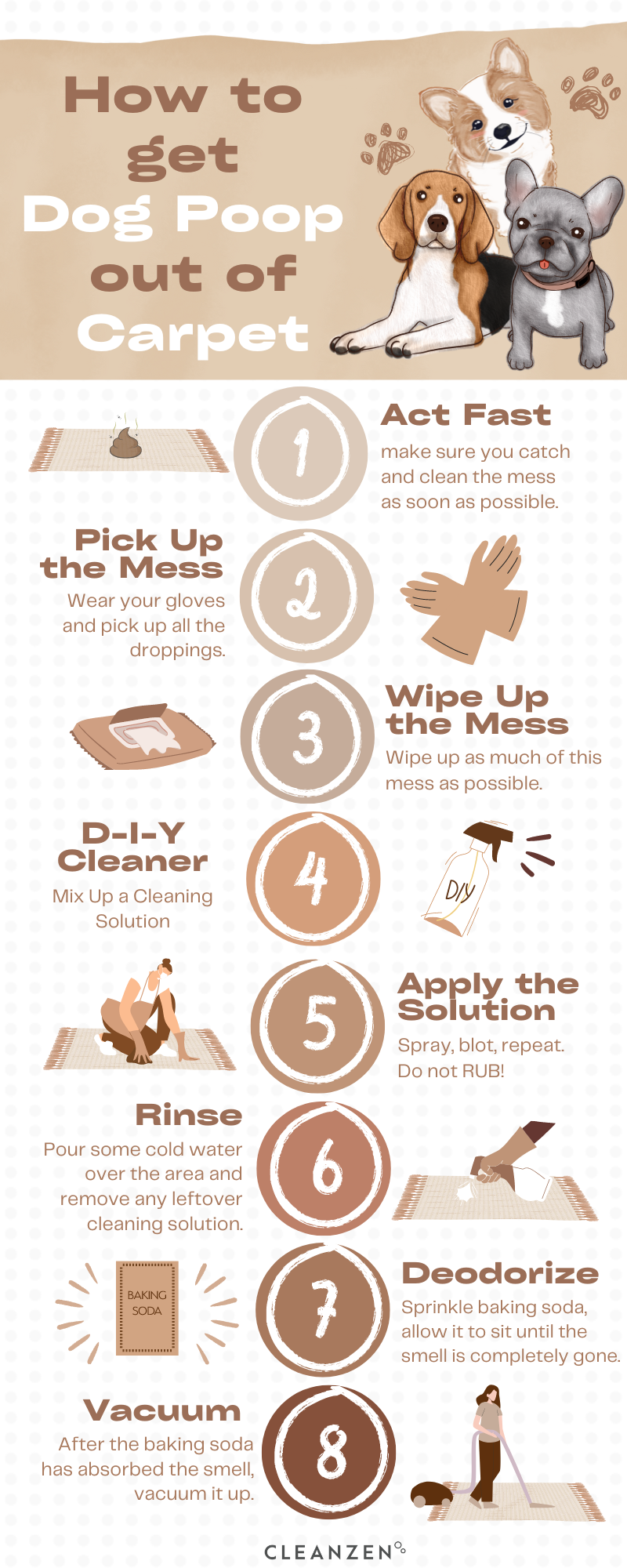
Image Source: cleanzen.com
Immediate Steps After a Dog Accident
Speed is key when you find dog poop on your rug or carpet. The longer it sits, the deeper the smell soaks in. Act fast to prevent serious staining and odor issues.
Quickly Remove the Solid Waste
First, always remove the solid poop right away.
- Use paper towels or an old plastic bag to scoop up as much solid waste as possible.
- Do not scrub the area! Scrubbing pushes the mess deeper into the carpet fibers and padding.
- Gently lift the solid material. If some remains stuck, use a dull knife or the edge of a credit card to carefully scrape up the rest.
Blot the Remaining Mess
After removing the solids, there will be a damp spot left behind. This liquid residue holds most of the smell.
- Take clean, dry white towels or paper towels.
- Press down firmly onto the wet spot. You want to absorb as much liquid as you can.
- Keep blotting with fresh, dry towels until no more moisture transfers onto the towel. Remember, press, do not rub. This technique helps prevent spreading the stain and helps immensely with dog urine odor removal later on.
Deep Cleaning Methods to Eliminate Dog Waste Smell Carpet
Once the physical mess is gone, the real work begins: killing the odor-causing bacteria. Standard soap and water often fail to stop strong pet smells. You need treatments that break down organic proteins.
The Power of Enzyme Cleaners
When you need to eliminate dog waste smell carpet for good, an enzyme cleaner is often the best tool. These cleaners are specifically made to break down biological matter.
How Enzyme Cleaners Work
Enzymes are tiny protein helpers. They eat up the odor-causing bacteria left by the feces. This process is called bio-enzymatic breakdown. This is much better than just masking the smell.
How to Use a Carpet Enzyme Cleaner Pet Stains:
- Test First: Always test the cleaner on a hidden spot of the carpet. Look for color fading.
- Saturate the Area: Pour the carpet enzyme cleaner pet stains product directly onto the soiled spot. You must use enough product so it reaches as deep as the original mess did—sometimes down to the carpet padding.
- Let it Sit: Follow the product directions carefully. Most need time to work, often 15 minutes to several hours. Some require you to keep the area damp for up to 24 hours.
- Blot Dry: After the necessary dwell time, blot the area thoroughly with clean towels until mostly dry. Do not rinse with water immediately unless the instructions say so. Rinsing too soon can stop the enzymes from finishing their job.
Using a quality pet stain and odor treatment containing enzymes is crucial for tough accidents.
Using Vinegar Solution
White vinegar is a great, inexpensive deodorizer. It helps neutralize alkaline odors left behind by pet waste.
Simple Vinegar Mix for Odor Control:
- Mix one part distilled white vinegar with one part cool water in a spray bottle.
- Lightly spray the affected area. Do not soak the carpet.
- Let the solution sit for about 10 to 15 minutes.
- Blot the area dry with clean towels.
- The vinegar smell fades as it dries, taking the bad smell with it. This is a good step in DIY dog poop smell removal.
Baking Soda for Odor Absorption
Baking soda (sodium bicarbonate) is famous for absorbing smells. It works well after you have treated the area with a liquid cleaner or vinegar.
Steps for Baking Soda Application:
- Make sure the area is mostly dry from the initial cleaning steps.
- Sprinkle a generous amount of plain baking soda over the entire spot.
- Gently work the powder into the carpet fibers using a soft brush or your gloved fingers.
- Leave the baking soda on the carpet for several hours, or even overnight. The longer it sits, the more odors it pulls out.
- Vacuum the area thoroughly using a strong vacuum cleaner. Make sure all powder is removed.
Baking soda is an excellent component of natural methods for dog carpet odors.
Tackling Stubborn and Old Odors
Sometimes the poop was there for a while, or the padding underneath absorbed the worst of the smell. This requires stronger action to remove stubborn dog odors from fabric.
Steam Cleaning Cautions
While professional steam cleaning can refresh carpets, it requires caution with pet accidents. Heat can sometimes permanently “set” protein stains and odors if they haven’t been fully broken down by enzymes first.
- If you use a machine: Ensure you use a cleaning solution designed for pet odors, preferably one with enzymes.
- Hot water extraction: Use warm (not scalding hot) water. Follow up with a thorough vacuum extraction to remove as much moisture as possible.
The Role of Hydrogen Peroxide (Use with Care)
A mild solution of hydrogen peroxide can help sanitize and lift stains, but you must test it first as it can bleach some carpet colors. This is best for lighter-colored carpets.
- Mix 1 cup of 3% hydrogen peroxide with 1 teaspoon of mild dish soap.
- Gently dab this mixture onto the stain using a sponge or cloth.
- Allow it to sit for only a few minutes.
- Rinse by blotting with a cloth dampened with plain water.
- Dry the area completely.
Utilizing Commercial Odor Neutralizers
If natural methods are not enough, look for specialized commercial products. The best carpet deodorizer for dog accidents will specifically state that it neutralizes pet odors, not just covers them up.
When searching for products, look for ones labeled as a pet odor neutralizer for carpets. These often use advanced chemical reactions to trap and change the structure of odor molecules.
Table 1: Comparison of Odor Removal Agents
| Agent | Primary Action | Best Use Case | Caution |
|---|---|---|---|
| Enzyme Cleaner | Breaks down organic matter | Fresh or old biological stains | Must have adequate dwell time |
| White Vinegar | Neutralizes alkaline odors | Light odors, follow-up treatment | Smell temporarily noticeable |
| Baking Soda | Absorbs odors via surface area | Final stage deodorizing | Requires thorough vacuuming |
| Hydrogen Peroxide | Mild bleaching, sanitizing | Tough stains on light carpets | Can bleach dark fibers; test first |
Prevention and Maintenance: Keeping Smells Away
The best way to deal with dog poop smell is to stop it from setting in the first place. Good maintenance helps you avoid the need for intensive cleaning dog mess smell from rug sessions later on.
Regular Deep Cleaning Schedule
Even without visible accidents, pet dander and microscopic residues build up. Regular deep cleaning helps keep the base scent level low.
- Vacuum frequently. Use a vacuum with a HEPA filter if possible, as it traps smaller particles better.
- Consider a light carpet shampooing every 6-12 months using a pet-safe formula.
Addressing Carpet Padding Issues
The biggest challenge in how to remove stubborn dog odors from fabric is often the carpet padding and subfloor underneath. If the accident was large or sat for a long time, the odor may have seeped through the carpet backing.
If you smell the odor even after cleaning the top layer:
- The carpet and padding likely need to be pulled back.
- The subfloor (wood or concrete) must be cleaned thoroughly. Use an enzymatic cleaner on the subfloor and allow it to dry completely.
- For serious saturation, professional remediation might be needed to replace sections of the padding.
Training and Health Checks
Prevention also involves your dog.
- Ensure your dog is healthy. Frequent accidents indoors might signal a medical issue. A quick vet visit can rule out problems.
- Reinforce house-training rules. Consistent potty breaks outside reduce indoor risks.
Advanced Tips for Odor Elimination
Sometimes, the standard methods need an extra boost, especially when dealing with heavy pet soiling.
Utilizing Activated Charcoal
Activated charcoal is extremely porous. It excels at trapping odor molecules in the air and on surfaces. While harder to apply directly to the carpet fibers, spreading activated charcoal granules over a dried, cleaned area and letting them sit before vacuuming can help pull deep, lingering smells out.
Deodorizing Sprays vs. Cleaners
Be careful when choosing between a spray deodorizer and a true cleaner.
- Deodorizing Sprays: These often only mask odors temporarily using perfumes. They do not break down the source of the smell. They are fine for light, daily refreshers but not for active mess cleanup.
- Enzymatic Cleaners: These actually remove the odor source. They are necessary for accidents.
When you need a fast fix for lingering pet odor neutralizer for carpets, look for sprays specifically stating they contain enzymes or odor encapsulation technology.
Ensuring Complete Drying
Moisture breeds mold and mildew, which create their own musty smells. After any wet cleaning process (enzyme soaking, vinegar use, or shampooing), drying the carpet completely is vital.
- Use fans directed right at the damp spot.
- If possible, open windows to allow fresh air circulation.
- Avoid walking on the damp area until it is totally dry to the touch.
This focus on drying is essential when performing DIY dog poop smell removal so you don’t trade one bad smell for another.
Comprehending Carpet Materials and Cleaning
Different carpet materials react differently to cleaning agents. Knowing your carpet type helps you choose the safest and most effective method to eliminate dog waste smell carpet.
Synthetic Fibers (Nylon, Polyester, Olefin)
These are common and durable. They generally handle enzyme cleaners and mild vinegar solutions well. Blotting action is usually safe.
Natural Fibers (Wool)
Wool is trickier. It is very absorbent and can be damaged by high heat or strong chemicals.
- Avoid using high-alkaline cleaners.
- Use lukewarm or cool water only.
- Enzyme cleaners formulated specifically for wool should be used sparingly and tested carefully. Wool rugs often benefit most from professional cleaning if soaked deeply.
Area Rugs vs. Wall-to-Wall Carpet
If the accident is on an area rug, the process is simpler. You can often take the rug outside and hang it over a railing to clean both sides, ensuring good airflow and drainage. This helps immensely when cleaning dog mess smell from rug.
For wall-to-wall carpet, you are restricted by the padding and subfloor, making deep saturation with enzyme cleaners the only way to truly treat the underlying issue.
Final Thoughts on Restoring Freshness
Getting rid of dog poop smell from the carpet demands persistence. If the smell persists after one thorough enzyme treatment, repeat the process. Sometimes, multiple applications are needed to break down all the organic material, especially if the accident was significant.
Remember the sequence: Remove solids, blot liquids, apply enzymatic cleaner (the most critical step for odor removal), neutralize with baking soda, and ensure complete drying. Following these steps will successfully help you remove stubborn dog odors from fabric and keep your home smelling fresh, even with furry friends around.
Frequently Asked Questions (FAQ)
Can I use ammonia to clean dog poop smell?
No, you should avoid using ammonia. Ammonia smells similar to dog urine to a dog, which might actually encourage them to soil the spot again. Furthermore, harsh chemicals can damage carpet fibers.
How long does it take for the smell to go away completely?
If you use a high-quality carpet enzyme cleaner pet stains, the smell should start fading within 24 to 48 hours as the enzymes work. Lingering smells may require a second application or several days for the final residue scent to vanish completely.
Is steam cleaning effective for dog poop odors?
Steam cleaning can remove surface debris and freshen the look, but if the odor-causing bacteria is deep in the padding, heat can set the protein stains permanently. Always treat the spot with an enzymatic cleaner before steam cleaning to ensure the odor source is neutralized.
What if my dog poops on a stain I already cleaned?
If the area has been treated before, thoroughly re-wet the area with an enzyme cleaner. Old stains often hide residual odor molecules. The enzyme cleaner needs to saturate the area again to break down the new and old mess.
Are essential oils a good solution for dog carpet odors?
Essential oils are generally poor choices for cleaning dog mess smell from rug because they only mask the scent temporarily. Furthermore, many essential oils (like tea tree or citrus oils) are toxic to dogs if they ingest them or walk on heavily saturated areas. Stick to proven neutralizers like enzymes or baking soda.