
Your dog’s breath smells like poop because the source of the bad smell is likely coming from its mouth, gut, or even something it recently ate, like feces itself.
It is a common and very unpleasant problem for dog owners. When your dog’s breath turns foul, especially smelling distinctly like stool, it is a clear sign that something needs attention. This smell is not just annoying; it often points to serious dog halitosis causes that range from simple dietary issues to significant health concerns. Let’s explore what causes this startling odor and what steps you should take right away.
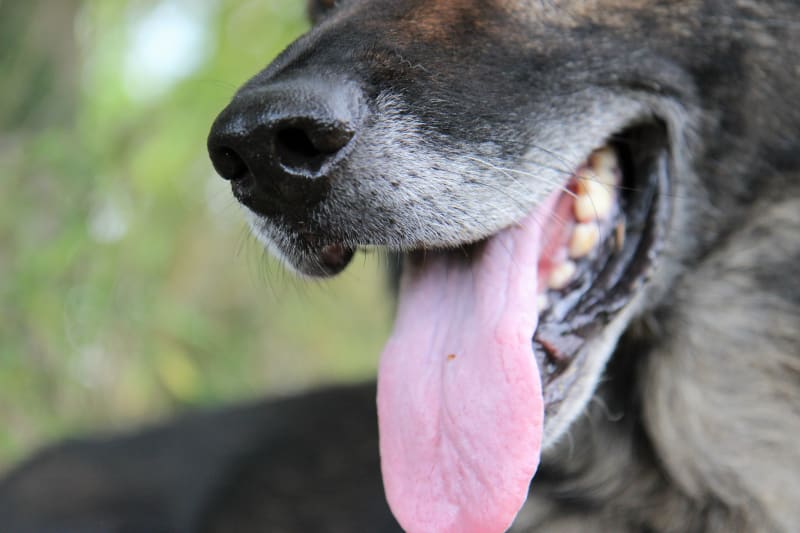
Image Source: d2zp5xs5cp8zlg.cloudfront.net
Fathoming the Foul Odor: Primary Sources of Poop-Smelling Breath
The scent of feces on your dog’s breath is rarely a good sign. While some bad breath in dogs dental issues are simple to spot, a fecal smell suggests problems deeper than just plaque. We need to look at the mouth, the digestive tract, and behaviors that lead to this situation.
Oral Issues Leading to Severe Odor
The mouth is the most common place for bad breath to start. When food particles rot or infection sets in, the smell can become very strong.
The Role of Plaque and Tartar
Just like humans, dogs build up plaque on their teeth. Plaque is a sticky film full of bacteria. If you do not clean it, plaque hardens into tartar. This hard buildup traps even more bacteria and debris.
- Bacteria Overgrowth: These bacteria feed on leftover food and dead cells. They release gasses with very bad smells.
- Gum Disease (Periodontal Disease): This is a major source of canine bad breath causes. When gums get inflamed (gingivitis), they pull away from the teeth. This creates pockets where infection thrives. The decay and pus in these pockets smell awful, often like rot or feces.
Infected Teeth and Abscesses
A badly infected tooth creates a pocket of pus at the root, called an abscess. This infection releases very toxic, foul-smelling material into the dog’s mouth. If the smell is truly like stool, an advanced abscess is a strong possibility.
Objects Stuck in the Mouth
Sometimes, dogs get things stuck in their mouths that start to rot. This could be a piece of bone, a toy fragment, or even something gross they picked up outside. As the material decomposes, the smell is intensely foul.
Digestive Tract Problems
If your vet rules out major dental disease, the next step is to look at the dog’s tummy and intestines. A smell like stool suggests that waste material is backing up or that the digestive system is struggling.
Constipation and Blockage
When a dog is severely constipated, stool stays in the colon too long. Toxins and gas build up. These foul substances can sometimes be released via the breath. If your dog is straining to poop or hasn’t gone in a while, this is a concern.
Gastrointestinal Distress
Conditions causing severe nausea or vomiting can also lead to a bad odor. If the stomach contents are coming back up, the breath will smell acrid or fecal. Chronic vomiting or acid reflux can cause this.
Foreign Body in the Intestines
In rare but serious cases, a blockage in the intestines can cause fecal matter to back up. This is a major emergency. A dog with a blockage often has severe vomiting, lethargy, and abdominal pain, along with a terrible smell.
Behavioral Causes: Coprophagia
One direct reason why my dog’s breath smells like feces is simple: the dog ate feces. This behavior is called coprophagia.
- Eating Stool: Dogs eat their own poop or the poop of other animals (cats, rabbits, wildlife). Even a quick snack will leave a strong odor lingering on the tongue and breath for hours.
- Licking Butt/Genitals: Dogs naturally clean themselves. If they lick their anal or genital areas, and then immediately try to lick you or pant heavily, the smell transfers. This is very common but easily remedied by cleaning the dog after licking.
Deciphering the Smell: Other Underlying Medical Clues
A poop smell is often linked to severe decay or infection. However, sometimes a different smell is misinterpreted, or the underlying disease is systemic, affecting the breath indirectly.
| Smell Type | Likely Cause(s) | Seriousness |
|---|---|---|
| Very Foul/Fecal | Severe dental decay, advanced gum disease, intestinal blockage, severe constipation. | High |
| Sweet/Fruity | Diabetic Ketoacidosis (DKA) – Emergency | Critical |
| Ammonia/Urine | Kidney disease or kidney failure. | High |
| Rotten Eggs (Sulfur) | High levels of bacteria in the gut, or anal sac issues. | Moderate to High |
If the smell is truly fecal, it strongly points toward problems in the lower GI tract or severe oral infection allowing anaerobic bacteria to flourish. These bacteria produce volatile sulfur compounds (VSCs) that smell like decay.
When to Seek Immediate Help: Dog Breath Smells Like Stool What To Do
If you notice this sudden, severe smell, you must act fast. Dog breath smells like stool what to do depends on accompanying symptoms.
Emergency Signs Requiring a Vet Visit
If the foul breath is paired with any of these signs, go to the emergency vet right away:
- Repeated vomiting or dry heaves.
- Refusing to eat or drink for more than 24 hours.
- Extreme lethargy or collapse.
- Pain or swelling around the face or jaw.
- Inability to pass stool or frequent, unsuccessful attempts to defecate.
These signs suggest a possible intestinal obstruction or severe systemic infection.
Scheduling a Non-Emergency Check
If your dog seems otherwise normal but the breath is terrible, call your regular veterinarian to schedule an exam soon. Tell the receptionist exactly what the breath smells like so they can allocate enough time for a thorough check, including oral examination and perhaps blood work to check internal organ function.
Addressing the Root Cause: Common Dog Halitosis Causes and Solutions
Treating foul breath is only effective if you treat the cause. We must tackle the dental, digestive, and behavioral issues head-on.
Dental Disease Treatment
Dental hygiene is crucial. If bad breath in dogs dental issues are the culprit, your vet will recommend a professional dental cleaning.
Professional Dental Cleaning
This procedure is done under general anesthesia. It allows the vet to:
- Thoroughly probe every tooth and gum pocket.
- Take X-rays to see bone loss below the gum line.
- Scale off all hardened tartar above and below the gums.
- Polish the teeth.
- Extract any severely diseased or dead teeth.
This process removes the major source of foul-smelling anaerobic bacteria.
Post-Cleaning Home Care
After a professional cleaning, regular home care prevents the smell from returning quickly.
- Brushing: Daily brushing with enzymatic pet toothpaste is the gold standard. Never use human toothpaste.
- Dental Chews and Toys: Look for products approved by the Veterinary Oral Health Council (VOHC). These items help scrape the teeth.
- Water Additives: Some additives help reduce bacteria in the mouth when mixed with drinking water.
Managing Digestive Issues
If the gut is the problem, diet and environment need review.
Diet Review
Ensure your dog is on a high-quality, easily digestible food appropriate for their age and health status. Sudden diet changes can upset the stomach, leading to temporary bad breath.
Controlling Coprophagia
Stopping your dog from eating stool is essential to stop the poop-smelling breath in dogs treatment cycle.
- Immediate Cleanup: Pick up stools from the yard immediately. Do not give the dog a chance to consume them.
- Supervision: Leash-walk your dog and redirect them immediately if they show interest in feces.
- Taste Aversion Products: Some products added to the dog’s food make their stool taste unpleasant. These can sometimes work, but success varies greatly.
- Enrichment: Boredom often drives coprophagia. Ensure your dog gets enough physical exercise and mental stimulation.
Treating Underlying Systemic Illness
If blood tests show kidney or liver issues, or if diabetes is diagnosed, the treatment shifts entirely to managing that specific disease. Managing these chronic conditions often improves breath odor significantly as the toxins are filtered correctly by the body again.
Smelly Dog Breath Home Remedies: What Works and What Doesn’t
While severe issues need professional care, some smelly dog breath home remedies can help maintain freshness between vet visits or for mild cases. Always check with your vet before starting new supplements or major dietary changes.
Safe and Effective Home Support
- Fresh Water Access: Always ensure clean, fresh water is available. Hydration helps wash away some bacteria and debris.
- Parsley (Use Sparingly): Fresh parsley contains chlorophyll, a natural deodorizer. Finely chop a small amount and mix it into their food. Use only small amounts, as too much can cause digestive upset.
- Coconut Oil: A small amount of virgin coconut oil mixed into food may support gut health and potentially reduce some odor. Consult your vet regarding dosage.
Remedies to Avoid
Some popular human remedies are dangerous for dogs:
- Mouthwash: Human mouthwash contains alcohol and chemicals (like xylitol) that are toxic to dogs, even in small amounts. Never use human mouthwash.
- Excessive Citrus: High amounts of acidic citrus can damage a dog’s tooth enamel.
- Strong Herbs Without Guidance: Using too much of any potent herb can irritate a sensitive digestive tract.
The Necessity of a Vet Visit for Dog’s Bad Breath
When the smell persists despite home care or cleaning up the yard, a vet visit for dog’s bad breath becomes non-negotiable. Why is this so important?
Ruling Out Serious Disease
As noted, a fecal smell can indicate severe gut issues or deep infection. Only a veterinarian can perform the necessary diagnostics:
- Oral Examination: To grade periodontal disease.
- Blood Work: To check kidney, liver, and blood sugar levels.
- Abdominal Palpation/X-rays: To check for blockages or severe constipation.
Identifying Smelly Dog Breath and Underlying Conditions
A veterinarian looks beyond the mouth. They investigate if the smell is a symptom of smelly dog breath and underlying conditions such as:
- Inflammatory Bowel Disease (IBD): Chronic inflammation can alter gut flora, leading to foul odors.
- Megaesophagus: A condition where the esophagus fails to move food to the stomach properly. Food can sit and rot in the enlarged esophagus, leading to regurgitation and a terrible smell on the breath.
Maintaining Optimal Oral Hygiene for Long-Term Freshness
Preventing recurrence is easier than treating a severe problem. Consistent, quality care keeps the foul smell away.
A Routine for Clean Teeth
Make oral care a non-negotiable part of your dog’s weekly routine.
- Daily Brushing Goal: Aim for brushing at least three times a week. Daily is best.
- Positive Association: Make brushing a positive experience. Use high-value treats immediately after brushing to create a good association.
- Gentle Technique: Focus on the outside surfaces of the teeth, especially the back molars, as these accumulate the most tartar.
Regular Dental Checkups
Even with excellent home care, dogs need professional dental checkups. Most vets recommend an exam every six to twelve months. They may suggest a cleaning based on your dog’s breed, age, and overall health profile. Smaller breeds tend to develop dental disease much faster than larger breeds.
Frequently Asked Questions (FAQ) About Foul Dog Breath
Can I just clean my dog’s teeth at home if the breath smells like poop?
While home cleaning is vital for maintenance, if the breath smells like poop, you likely have advanced disease or an internal issue. Home brushing cannot remove hardened tartar below the gum line or treat deep infections. A professional cleaning is often required first to eliminate the bulk of the bacteria causing the severe odor.
How quickly can dog breath smell go away after treatment?
If the cause was minor (like eating something bad), the smell might fade in a day or two. If advanced dental disease was treated, it might take several weeks for the gums to fully heal and the odor to dissipate completely. If the cause is systemic (like kidney issues), the smell may only improve slightly until the underlying illness is managed.
Is there a specific product for poop-smelling breath in dogs treatment?
There is no single “magic bullet” product for a fecal smell. Treatment focuses on eliminating the source. If the dog is eating stool, behavior modification and strict cleanup are the treatment. If it is dental, professional scaling is the treatment. Always focus on eliminating the underlying cause first.
Does bad breath mean my dog has stomach problems?
Not always, but it is a strong possibility if the teeth look clean. A foul, fecal odor often points to the lower digestive system. However, severe dog halitosis causes are frequently rooted in the mouth. That is why a vet must check both areas thoroughly.
Can anal glands cause breath that smells like feces?
Yes, though it is less direct. If a dog has impacted or infected anal glands, they often lick the area excessively. This transfers the strong, fishy/fecal scent to their mouth and paws, leading to foul breath after grooming. This is a common reason for smelly dog breath and underlying conditions involving the scent glands.