
If you think your dog ate chocolate, the first thing to do is stay calm and quickly assess the situation. Yes, chocolate can be toxic to dogs, but the severity depends on the type of chocolate, how much your dog ate, and your dog’s size. Immediate action and contacting your veterinarian are crucial steps when suspecting dog chocolate ingestion. This guide will help you figure out the danger level and what steps to take next.
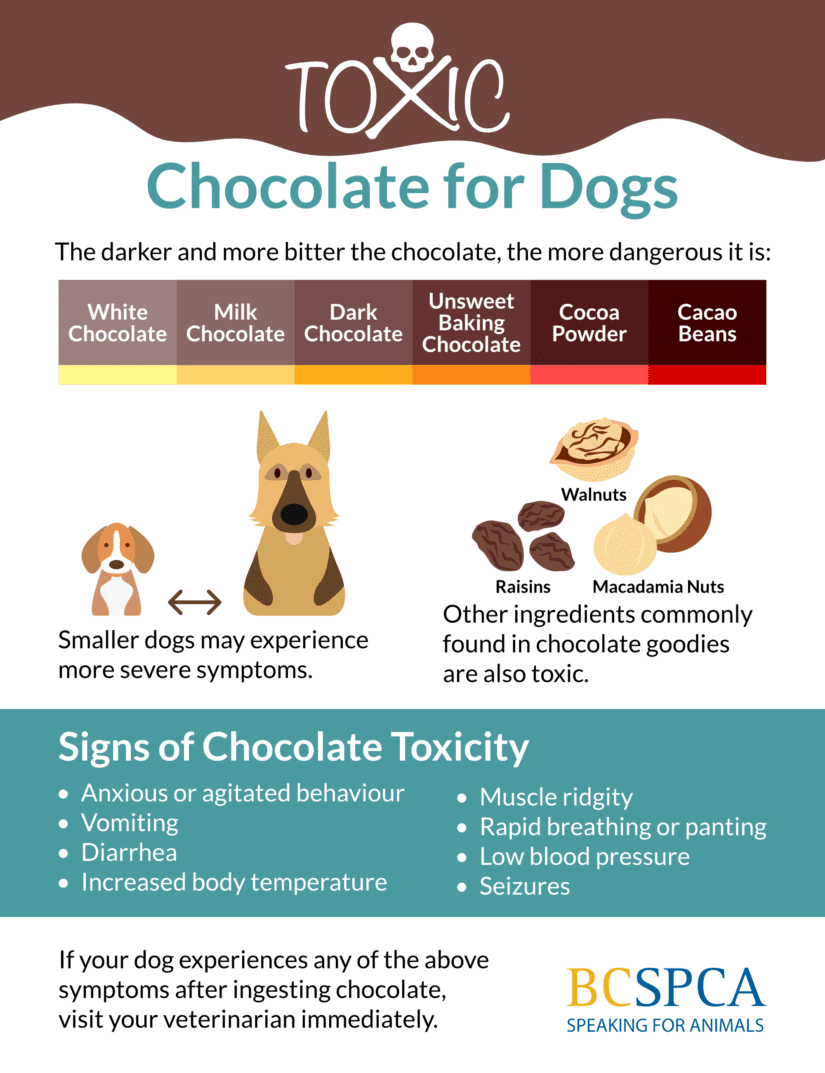
Image Source: b1157417.smushcdn.com
Deciphering The Danger: Why Chocolate Harms Dogs
Chocolate contains a chemical called theobromine. Dogs cannot process theobromine as well as people can. This substance acts as a stimulant, much like caffeine, but it stays in their system much longer. Too much of it causes canine theobromine poisoning.
The Chemistry of Canine Toxicity
Theobromine affects a dog’s central nervous system, heart, and kidneys. The higher the concentration of theobromine, the more toxic the chocolate is.
- Theobromine Levels: Different types of chocolate have vastly different amounts of this toxin. This is key to assessing the risk.
Gauging The Risk: Types of Chocolate and Their Danger Levels
Not all chocolate is created equal in terms of harm. Knowing what kind your dog accessed helps determine the urgency. Dark chocolate dangerous for dogs is a common phrase because it holds the highest toxin levels.
| Type of Chocolate | Approx. Theobromine (mg per oz) | Danger Level for Dogs |
|---|---|---|
| Cocoa Powder (Unsweetened) | 400 – 800+ | Extremely High |
| Baker’s Chocolate (Unsweetened) | 390 – 450 | Extremely High |
| Dark Chocolate (Semi-sweet) | 150 – 160 | High |
| Milk Chocolate | 44 – 64 | Moderate |
| White Chocolate | < 1 | Very Low |
If you have a puppy ate chocolate what to do situation, remember that smaller dogs are at greater risk even from smaller amounts of any chocolate type.
Estimating the Toxic Dose: Dog Ate Chocolate When to Worry
The actual danger level is based on the amount of theobromine consumed relative to the dog’s body weight. This calculation helps establish the toxic dose chocolate dog weight relationship.
Calculating Potential Harm
Veterinarians use the dog’s weight and the type of chocolate to calculate milligrams (mg) of theobromine per kilogram (kg) of body weight.
- Mild Symptoms: Occur around 20 mg/kg.
- Moderate Symptoms: Occur around 40–50 mg/kg.
- Severe Symptoms/Seizures: Occur at 60 mg/kg or higher.
A simple example: A 10-pound dog (about 4.5 kg) eating just one ounce of baking chocolate (around 400 mg theobromine) could reach a concerning level quickly.
Spotting the Trouble: Signs of Chocolate Toxicity in Dogs
If you see your dog eating chocolate, watch them closely for the next 6 to 12 hours. Chocolate poisoning symptoms dogs often start appearing within this timeframe. Early signs are often digestive.
Early Warning Signs
These signs might seem mild at first but signal that theobromine is affecting your dog’s system:
- Vomiting
- Diarrhea
- Restlessness or hyperactivity
- Increased thirst
- Panting heavily
Advanced Signs Requiring Immediate Care
If the dose was high, symptoms will worsen quickly. These are serious signs:
- Muscle tremors or twitching
- Elevated heart rate (tachycardia)
- Increased body temperature (fever)
- Seizures or collapse
If you see any of these advanced signs, treat it as an emergency.
Immediate Action Plan: What To Do Right Now
Do not wait for severe symptoms to appear, especially if you know your dog ate dark chocolate dangerous for dogs. Time is vital.
Step 1: Gather Information
Before calling, collect these facts:
- What kind of chocolate was eaten (milk, dark, cocoa)?
- How much was eaten (estimate ounces or grams)? Check wrappers.
- When was it eaten (estimate the time)?
- Your dog’s weight (in pounds or kilograms).
Step 2: Call for Professional Help
Always contact a professional first. This is the most important part of any vet advice dog ate chocolate search.
- Call your regular veterinarian immediately.
- If it is after hours, call a local emergency vet clinic.
- Alternatively, call a pet poison control hotline (Note: These services usually charge a fee).
Step 3: Following Instructions
The veterinarian will use the information you gathered to calculate the risk. They might tell you to come in right away, or they might suggest monitoring at home if the amount eaten was small.
When to Induce Vomiting
Inducing vomiting is only safe if done correctly and shortly after ingestion (usually within one to two hours). Never try to make your dog vomit without explicit instructions from a vet or poison control expert. Incorrect induction can cause aspiration pneumonia.
If the vet advises you to induce vomiting at home, they will likely recommend a specific, safe substance. Do not use table salt or old home remedies.
Home Care vs. Emergency Visit
Puppy ate chocolate what to do scenarios are often more urgent because puppies have very little body mass.
When Home Monitoring Might Be Okay
If the amount eaten was very small, or if it was mostly white chocolate, your vet might advise watching your dog closely for 24 hours. Even then, look for mild signs like tummy upset.
When to Rush to the Clinic
Go to the emergency room if:
- Your dog ate baking chocolate or pure cocoa powder.
- You cannot determine how much was eaten.
- Your dog weighs less than 15 pounds.
- Your dog shows any signs of chocolate toxicity in dogs like hyperactivity or rapid breathing.
Medical Treatments for Canine Theobromine Poisoning
If you arrive at the clinic, treatment focuses on removing the toxin and managing the symptoms.
Decontamination
If the ingestion was recent, the vet will likely try to remove the remaining chocolate from the stomach.
- Inducing Vomiting: Done safely using veterinary medications.
- Activated Charcoal: This powder binds to the theobromine in the gut. It stops the body from absorbing more of the toxin. Activated charcoal can sometimes be given orally more than once.
Supportive Care
Once the toxin is managed, the vet supports the dog’s body systems.
- IV Fluids: These help flush the theobromine out through the kidneys and prevent dehydration from vomiting or diarrhea.
- Medications: Drugs may be needed to control heart rate, lower body temperature, or stop seizures.
Searching for a “Best Home Remedy Dog Ate Chocolate”
It is tempting to look for a quick fix at home. However, when dealing with a known poison like theobromine, there is no safe best home remedy dog ate chocolate that replaces professional veterinary care.
Home remedies often delay getting the necessary treatment. They might include ineffective methods or, worse, toxic substances themselves. Always rely on vet advice dog ate chocolate over internet searches for treatment decisions. Monitoring for mild symptoms is okay, but active treatment for poisoning requires a vet.
Long-Term Outlook and Recovery
Most dogs that receive prompt care for dog chocolate ingestion recover fully. The speed of treatment greatly affects the outcome.
If a dog experiences severe poisoning, there may be temporary issues like elevated liver enzymes or persistent heart rhythm abnormalities. These usually clear up with supportive care.
Factors Affecting Severity
Several factors determine how sick your dog will get after eating chocolate:
1. Dog Size and Metabolism
A tiny Chihuahua eating a small piece of milk chocolate might be fine. A large Labrador eating the same amount might show no signs. Smaller dogs have less room for error.
2. Chocolate Form
As shown in the table, highly processed, dark forms are far more dangerous than the sweet, low-cocoa milk chocolate bars.
3. Other Ingredients
Sometimes, the issue isn’t just theobromine. Chocolate often contains sugar, fat, and sometimes xylitol (a sugar substitute). Xylitol is extremely toxic to dogs, causing rapid drops in blood sugar and liver failure. If the chocolate contained xylitol, the situation becomes much more critical, regardless of the theobromine level. Always check labels if possible.
Monitoring After the Scare
Even if your vet says the amount was small, keep a close watch for the next day.
- Check their gums for color (they should be pink, not pale or blue).
- Count their breaths per minute while resting.
- Ensure normal urination and defecation.
If symptoms reappear or worsen after initial relief, call your vet again.
Frequently Asked Questions (FAQ) About Dogs and Chocolate
Q1: How long does it take for chocolate poisoning symptoms to show in dogs?
A: Symptoms of canine theobromine poisoning usually appear between 2 and 12 hours after your dog eats the chocolate. Sometimes, mild digestive signs can start sooner.
Q2: Can a dog recover from eating chocolate on its own?
A: Mild cases might resolve without intervention if the amount eaten was small and low in theobromine. However, because of the risk of serious issues like heart problems or seizures, professional monitoring is always recommended, especially if you suspect a significant dose.
Q3: Is human chocolate dangerous for dogs?
A: Yes, all types of chocolate contain theobromine and are potentially dangerous for dogs. The danger level varies based on the concentration of cocoa solids present.
Q4: What should I do if I find wrappers but not the whole chocolate bar?
A: If you find wrappers, try to estimate the weight of the missing product. Compare this to packaging nutritional information to estimate the total theobromine content. This estimate is vital for your vet advice dog ate chocolate.
Q5: Can I give my dog activated charcoal at home?
A: Do not give your dog activated charcoal unless specifically told to do so by a veterinarian. While vets use it, improper dosing or timing can be ineffective or cause problems. Follow professional guidance strictly.