
Can I legally bury my dog on my property? Yes, in many places, you can bury your dog on private property, but you must check your local dog burial regulations first. Many areas have rules about depth, distance from water sources, and if backyard pet burial is allowed at all. Choosing to bury your beloved pet at home is a deeply personal decision. It provides a final resting place close to your heart. However, doing it safely and legally is very important. This guide will help you through the proper steps for safe and respectful pet disposal. We will cover everything from local rules to the physical act of digging a dog grave.
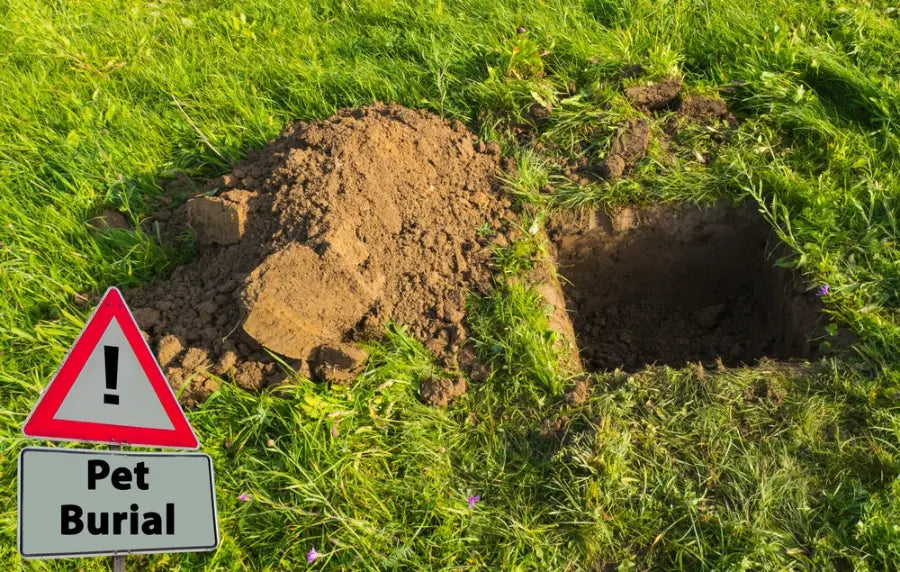
Image Source: titancasket.com
Checking Local Rules: Lawful Pet Burial is Key
Before you grab a shovel, you must confirm what is allowed where you live. Rules about lawful pet burial vary a lot by state, county, and city. What is fine in a rural area might be illegal in a suburb. Ignoring these rules can lead to fines or the need to exhume your pet later, which is a painful process nobody wants.
Where to Find Burial Rules
- Local Health Department: They often handle regulations for dead animals.
- City or County Clerk’s Office: They manage local ordinances and zoning laws.
- Veterinarian: Your vet often knows the common practices and local laws.
Important Considerations for Burial Location:
| Factor | Why It Matters | Action Needed |
|---|---|---|
| Water Lines | Chemicals from decomposition can pollute drinking water. | Check for septic tanks and water wells. Stay far away. |
| Property Lines | You must bury your pet entirely on your own land. | Know exactly where your property ends. |
| Soil Type | Very sandy or rocky soil makes digging hard and affects decay. | Choose a spot with normal soil if possible. |
| Tree Roots | Big roots can make digging too difficult later on. | Look for areas without large, established trees nearby. |
Some places forbid burying pets near streams or ponds. They want to protect surface and ground water. Always err on the side of caution. If in doubt, call the local office.
Deciphering Ethical Pet Disposal
When a pet passes, owners face tough choices about ethical pet disposal. Burial at home is one option, but it is not the only one. Other options exist if home burial is not possible or feels wrong for your family.
Alternatives to Backyard Burial
If backyard pet burial is restricted, or if you move often, look into these pet aftercare options:
- Cremation: This is very common. You can choose communal cremation (no ashes returned) or private cremation (your pet’s ashes are returned to you). Some people look into home pet cremation, but this is illegal in most places and requires special, licensed equipment.
- Pet Cemetery: These facilities offer dedicated plots and headstones. This provides a permanent, maintained resting place away from your home.
- Aquamation (Alkaline Hydrolysis): This is an increasingly popular, gentle process that dissolves the body using water and alkaline chemicals, leaving behind bone fragments which are then processed like ashes.
Choosing the right path is part of caring for your dog even after they are gone. It is about respect and following the law.
Preparing a Dog for Burial: Final Acts of Care
Preparing a dog for burial involves physical care and making arrangements for the remains. This process should be gentle and focused on comfort for you and respect for your pet.
Immediate Steps After Passing
If your dog passes suddenly, keep them cool until you can prepare them.
- Gently wipe away any fluids.
- Cover the body with a clean towel or sheet.
- Place the body in a cool place, like a garage or basement floor. Do not use a freezer unless directed by a professional service, as thawing can be difficult.
Wrapping the Body
You need to wrap your dog before placing them in the grave. This is often called the shroud. Wrapping helps contain the body and makes the burial easier.
- Materials to Use: Use natural materials like an old blanket, a thick cotton sheet, or a wooden box you build yourself. Avoid plastic bags or synthetic materials, as these break down very slowly.
- Positioning: Lay your dog on their side in the natural curled sleeping position. You can place a favorite toy or a heartfelt note with them.
This step honors the bond you shared. Keep the process simple and loving.
Digging a Dog Grave: Depth and Location
The actual digging of the grave is critical for safety and proper decomposition. This is where dog burial regulations often specify depth requirements.
How Deep Must the Grave Be?
Most experts and regulations recommend a minimum depth to prevent scavengers from digging up the remains and to protect groundwater.
Rule of Thumb: At least 3 feet deep.
If your dog is very small (under 20 lbs), 3 feet is usually plenty. For a very large dog (over 100 lbs), consider digging closer to 4 feet deep. The goal is to have at least 2 feet of undisturbed earth above the top of the wrapped remains.
Step-by-Step Digging Guide
- Mark the Spot: Clearly mark the center of where you plan to dig. Have your measurements ready.
- Start Digging: Begin removing the top layer of sod (grass and roots). Set this aside carefully. You will need it to replace the dirt later to cover the grave.
- Excavate: Dig down to the required depth. The hole should be wider than your dog to allow space for easy lowering and covering. A good width is usually the length of your dog plus 1 foot on each side.
- Soil Management: Pile the removed soil neatly beside the hole. Do not let excess soil spill over the edges, as you will need all of it to fill the grave completely.
Table: Recommended Grave Dimensions Based on Dog Size
| Dog Weight Class | Approximate Length | Minimum Grave Width | Minimum Grave Depth (Below Surface) |
|---|---|---|---|
| Small (Under 20 lbs) | 1.5 feet | 3 feet | 3 feet |
| Medium (20–60 lbs) | 2.5 feet | 4 feet | 3.5 feet |
| Large (60–100 lbs) | 3.5 feet | 5 feet | 3.5 feet |
| Giant (Over 100 lbs) | 4 feet+ | 6 feet | 4 feet |
Placing Your Dog in the Grave
Once the hole is ready, gently lower your wrapped dog into the resting place. This moment can be very emotional. Take your time.
Positioning in the Grave
Lay the dog on its side, facing the east if you wish to follow old traditions, or simply place them comfortably. Many people choose to place biodegradable items near their pet, like flowers or a beloved toy. Avoid non-biodegradable items like plastic toys or metal tags, as these will remain in the ground for a very long time.
Covering the Grave
This is the final crucial step to ensure safety and prevent disturbance.
- Initial Fill: Begin replacing the soil you removed earlier. Shovel the dirt back into the hole slowly.
- Compacting: Gently tamp down the soil as you go. Do not stomp heavily, especially near the top layer, as this can crush the remains. You want the dirt settled, but not compacted like concrete.
- Final Layer: Once the grave is full, the soil level will likely be slightly higher than the surrounding ground. This is normal because the body will decompose and settle over time. Place the reserved sod layer back on top to help with grass regrowth.
Never build a mound of loose, soft soil. Loose soil invites animals and degrades quickly. The grave must be filled completely and firmly.
Addressing Immediate Pet Disposal Concerns
Sometimes, a pet passes unexpectedly, and you need to manage the remains right away while you make long-term plans. Immediate pet disposal requires quick, careful action, especially in warm weather.
Keeping Remains Safe Before Burial
If you cannot bury your dog right away (perhaps due to nighttime, bad weather, or needing to check regulations), you must keep the body safe from pests and decomposition.
- Cool Storage: The best short-term solution is wrapping the body securely in a heavy blanket or towel and placing it in a cool, protected area. If you have access to a large, clean cooler, you can use ice packs or bags of ice around the wrapped body.
- Do Not Delay Long: Even with cooling, you should aim to complete the burial or arrange for professional services within 24 to 48 hours, especially in summer.
If you feel unable to handle the immediate pet disposal yourself, contact your veterinarian. They can offer temporary holding services while you decide on final pet aftercare options.
Comprehending the Long-Term Care of a Grave Site
A pet grave is a permanent marker of love. Proper site management ensures it remains safe and respected.
Marking the Grave
A simple marker helps you remember the spot and warns others not to dig there.
- Use a flat stone or a small, engraved plaque.
- Avoid tall, heavy monuments that might shift or fall over time.
Landscaping Around the Grave
Keep the area simple. Planting flowers that require little maintenance is a nice way to honor your pet. Avoid planting large shrubs or trees directly over the grave. Remember, their roots will spread, which can damage the burial site years later.
If you sell your home later, you must decide whether to leave the grave marker or remove it. It is a good idea to tell new homeowners about the pet grave, though you are not always legally required to.
Fathoming the Legal and Health Aspects
Safety in backyard pet burial is not just about depth; it involves understanding potential health risks, though these are generally very low if done correctly.
Disease Risk Mitigation
When a pet dies from a highly contagious disease (like Parvovirus), home burial is often discouraged. Pathogens can survive in the soil for a time.
- Consult Your Vet: Always ask your veterinarian if the cause of death poses any risk to other pets or people.
- Deep Burial: If you proceed with burial after a contagious illness, dig deeper than usual (aim for 4–5 feet) and ensure the body is wrapped very tightly.
Why Regulations Are Strict
Regulations exist primarily for public health reasons, focusing on water sources and preventing the attraction of wildlife. When you adhere to dog burial regulations, you are protecting your neighbors and the local environment. This is the core of responsible home disposal.
When Home Burial Isn’t Right: Focusing on Pet Cemetery Alternatives
For many, the emotional weight of burial, or the lack of suitable property, makes pet cemetery alternatives a better choice.
Why Choose a Pet Cemetery?
- Permanence: You never have to worry about moving or disturbing the grave.
- Maintenance: The grounds are cared for professionally.
- Legal Certainty: You are not constrained by local zoning or depth rules.
Pet cemeteries are not just graves; they are often beautiful, peaceful parks dedicated to honoring animals. They offer a formal structure for grieving that some people need. While home pet cremation is usually off-limits, professional cremation services work closely with cemeteries, offering various urns and memorial options.
Summary of Best Practices for Safe Pet Burial
To summarize, safe burial requires planning, respect, and adherence to local rules.
| Stage | Key Action Point | Safety Note |
|---|---|---|
| Planning | Check local dog burial regulations first. | Do not skip checking lawful pet burial requirements. |
| Preparation | Wrap the body naturally (cotton, blanket). | Avoid plastic to ensure natural decay. |
| Excavation | Dig at least 3 feet deep. | Keep soil piled neatly nearby for refilling. |
| Placement | Lower the body gently; add no harmful materials. | Ensure the entire body is well below the frost line if possible. |
| Covering | Fill the grave completely, tamping gently. | The final surface must be level or slightly mounded, never hollow. |
By following these steps, you provide a dignified and safe final resting place for your loyal companion. This process is difficult, but doing it right helps bring peace to the grieving process.
Frequently Asked Questions (FAQ) About Pet Burial
Q1: How long does it take for a dog to fully decompose after burial?
The time varies greatly depending on the dog’s size, the wrapping material, and soil conditions (like temperature and moisture). Generally, a dog buried 3 feet deep in normal soil conditions might take anywhere from 1 to 3 years to fully decompose to skeletal remains. If plastic is used, decomposition can take much longer.
Q2: Can I use a plastic liner or concrete vault for my dog’s grave?
It is generally advised against using plastic or concrete vaults for backyard pet burial. These materials stop natural decomposition and are not environmentally friendly. Regulations usually require materials that break down naturally. If your concern is preventing disturbance, consult local regulations; some areas permit vaults if the grave is deep enough, but natural wrapping is usually preferred for ethical reasons.
Q3: What should I do if I find a neighbor has buried their pet improperly?
If you suspect a neighbor has violated dog burial regulations (e.g., the grave is too shallow or near a water source), report your concerns discreetly to your local health department or animal control. This is a health and sanitation issue, not a neighborhood dispute. Let the authorities investigate.
Q4: Is burying my dog myself cheaper than cremation?
Often, yes. Immediate pet disposal via home burial only costs the time and effort spent digging. Professional services like private cremation or using a pet cemetery involve significant fees (hundreds to thousands of dollars). However, compare the cost against the emotional toll and the risk of breaking local laws.
Q5: What if I need to move houses and want to take my dog with me?
If you need to exhume your pet, you must first check local laws regarding exhumation, as this often requires permits, similar to burial itself. Once permitted, the process involves carefully digging up the remains (or what is left) and transferring them to a new, approved location or choosing professional cremation. This can be emotionally challenging.