
Yes, you can definitely clean liquid dog poop out of your carpet, and success relies on acting fast and using the right cleaning steps. Dealing with liquid dog feces stain removal is a common challenge for pet owners, but with the right tools and technique, you can restore your carpet’s look and smell. Liquid messes are often harder to tackle than solid ones because they soak deeper into the carpet fibers and padding. This guide breaks down the simple, step-by-step process for tackling this unpleasant mess effectively.
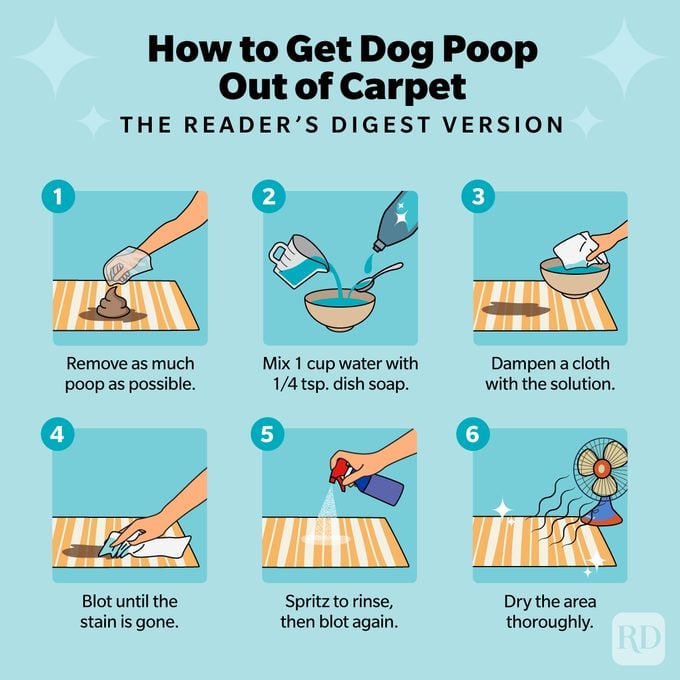
Image Source: www.rd.com
Immediate Action: Stopping the Spread
When an accident happens, speed is your best friend. Liquid waste spreads quickly, seeping deep into the carpet backing and even the floor below.
Gather Your Supplies First
Before you touch the mess, make sure you have everything ready. This prevents you from stopping midway and letting the stain set. A good cleaning kit should include:
- Old towels or lots of paper towels.
- Rubber or latex gloves.
- A plastic bag for disposal.
- A sturdy scraper (like a dull knife or a plastic spatula).
- A bucket of warm water.
- A good pet accident cleaning solution.
- An enzyme cleaner for dog diarrhea on carpet.
- Baking soda or cornstarch (optional, for odor absorption).
Containing the Liquid Mess
Your first job is to soak up as much liquid as possible. This is the crucial step in blotting liquid dog mess from carpet.
- Protect Yourself: Put on your gloves. This mess is unsanitary.
- Press, Don’t Rub: Take your towels or thick paper towels. Place them directly over the wet spot. Press down firmly. You want the towel to absorb the liquid, not spread it around.
- Keep Changing Towels: As soon as a towel gets soaked, swap it for a dry one. Continue this process until the towels barely pick up any moisture. Remember, rubbing pushes the liquid deeper into the carpet fibers. Always press straight down.
- Scraping (If Needed): If there is any solid or semi-solid material mixed in, gently use your scraper to lift it away from the fibers before proceeding to the liquid extraction. Aim to just skim the surface.
Step-by-Step Cleaning: Tackling the Stain
Once you have removed the bulk of the moisture, you must treat the remaining stain and odor. This process moves from simple absorption to chemical treatment.
Diluting the Area
Water helps dilute what is left behind, making the stain easier to lift.
- Light Rinsing: Lightly mist the stained area with plain, cool water. Do not soak the area! You only want enough water to loosen the stain particles left in the fibers.
- Second Blotting Round: Immediately grab fresh, dry towels. Press firmly again to blot up the water you just added, along with any remaining waste residue. Repeat this until the area feels mostly damp, not wet.
Applying a Pet Accident Cleaning Solution
Now it is time for the actual cleaning agents. Many commercial wet dog poop carpet cleaner products work well here. If you are using a standard carpet shampoo solution, dilute it according to the bottle directions.
- Test First: Always test your chosen cleaner on a hidden spot of the carpet first. Watch for color change.
- Apply Sparingly: Apply your chosen solution to the stain. Do not pour it on! Use a spray bottle or lightly pour a small amount onto a clean cloth, then dab it onto the stain. You need enough cleaner to treat the stain, but not so much that you soak the padding underneath again.
- Let It Work: Give the cleaner time to break down the stain. Check the product directions, but usually, 5 to 10 minutes is enough dwell time.
The Enzyme Powerhouse
For biological stains like dog waste, standard soap often won’t cut it. You need specialized help to break down the odor-causing proteins. This is where an enzyme cleaner for dog diarrhea on carpet is essential.
Enzymatic cleaners use natural bacteria to “eat” the organic matter. This is key for true dog feces stain removal.
- Saturate with Enzyme Cleaner: Pour or spray the enzymatic cleaner directly onto the treated area. Make sure the cleaner penetrates as deeply as the original mess did. If the mess went deep, the cleaner must go deep too.
- Cover and Wait: Cover the area with a damp, clean towel or plastic wrap. This keeps the cleaner moist so the enzymes can work longer. Leave it for several hours, or as directed by the product label. Longer dwell times often lead to better results.
Extraction and Rinsing
Once the enzymes have done their work, you must remove the cleaning solution and any remaining residue.
Final Blotting and Lifting
After the dwell time, remove the cover. Use fresh, dry towels to blot up the enzyme cleaner mixture. Press hard to draw the liquid out of the fibers. You are essentially reversing the initial blotting liquid dog mess from carpet technique, but this time you are lifting the cleaner and the stain out.
If you are struggling with lifting soft dog stool from carpet fibers, repeating the enzyme treatment might be necessary before the final rinse.
Rinsing the Area
It is vital to rinse out all cleaning chemicals, especially enzymes, because if they dry in the carpet, they can attract dirt later.
- Cool Water Rinse: Use a spray bottle filled with plain, cool water. Lightly mist the spot.
- Rinse Blotting: Blot the area again with a clean, dry towel to pull up the rinse water. Repeat this rinse/blot cycle two or three times until you are sure all soap residue is gone.
Drying and Odor Control
Proper drying prevents mold and mildew. This step is often rushed, but it’s very important for your carpet’s health.
Speeding Up the Drying Process
The goal is to remove all lingering moisture.
- Weight Down Towels: Place a thick stack of dry towels over the area. Put something heavy on top, like a stack of books or a bucket of water. Leave this pressure on for several hours. The weight helps press the remaining moisture into the towels.
- Airflow is Key: Point a fan directly at the cleaned spot. Open windows if the weather allows. Good airflow dries the carpet fast. Avoid walking on the damp area until it is completely dry.
Neutralizing Lingering Smells
Even after cleaning, sometimes a faint odor remains. This is common when dealing with liquid messes that soak into the padding.
- Baking Soda Treatment: Once the area is completely dry, sprinkle a generous amount of baking soda over the spot. Baking soda is excellent for absorbing mild odors.
- Wait and Vacuum: Let the baking soda sit for 12 to 24 hours. Then, vacuum it up thoroughly.
Advanced Techniques for Deep Messes
Sometimes, the liquid waste has gone beyond the surface pile and into the backing or the padding. If the smell persists, you may need more aggressive methods, often involving liquid dog waste carpet extraction.
Using a Wet/Dry Vacuum (Extractor)
A small spot cleaner or a wet/dry vacuum is highly effective for deep cleaning. These machines inject water and then immediately vacuum it out, which is great for liquid dog waste carpet extraction.
- Use Only Water or Rinse Solution: Never use your cleaning chemicals in the machine unless the manual specifically allows it. Use plain water or a very mild water/vinegar solution for the rinse cycle.
- Extraction Passes: Run the machine over the spot several times. Pull the trigger to spray a little solution, then make several dry vacuum passes to pull the moisture out. Keep doing this until the water pulled into the machine’s tank looks clear.
Vinegar Solution as a Deodorizer
White vinegar is a mild acid that helps neutralize alkaline dog urine odors. Use this after the main stain removal but before the final baking soda treatment, or instead of a commercial deodorizer.
- Mixing: Mix one part white vinegar with three parts water.
- Application: Lightly spray this mixture onto the area (ensure you have already removed the feces using enzymes). Let it sit for about 15 minutes.
- Final Blot: Blot this solution up very thoroughly with clean towels. Do not rinse with water afterward if you plan to follow up with baking soda, as the baking soda will absorb the vinegar residue.
Special Considerations for Carpet Types
Not all carpets handle cleaning the same way. Always adjust your method based on your carpet material.
| Carpet Type | Caution Level | Best Practice Note |
|---|---|---|
| Wool | High | Avoid harsh chemicals or high heat. Enzymes are usually safe, but rinse very well. |
| Synthetic (Nylon, Polyester) | Low | Usually durable. Can handle most commercial pet stain removal for upholstery and carpet products. |
| Berber/Looped | Medium | Be careful not to pull loops while lifting soft dog stool from carpet fibers. Blot gently. |
| Natural Fiber (Sisal, Jute) | Very High | Avoid excessive moisture; these materials can stain permanently or mildew easily. Use minimal liquid. |
Sanitizing Dog Poop Residue on Carpet
Liquid feces carry bacteria. After you remove the stain and smell, you must sanitize the area. This is crucial for hygiene, especially in homes with children or immune-compromised individuals.
The Role of Hydrogen Peroxide (Use with Extreme Caution)
For synthetic carpets only, a mild hydrogen peroxide solution can help sanitize.
- Warning: Hydrogen peroxide can bleach colors. Always spot test on an inconspicuous area first!
- Dilution: Use standard 3% hydrogen peroxide straight from the bottle or diluted slightly with water.
- Application: Dab a small amount onto the area after the main cleaning and blotting are done. Let it sit for 5 minutes, then blot it completely dry. Do not rinse with water, as peroxide breaks down into water and oxygen.
Steam Cleaning as Sanitization
If you own or rent a carpet extractor, using the machine’s hot water setting (if safe for your carpet) provides excellent heat sterilization. The heat, combined with the powerful suction for liquid dog waste carpet extraction, is an effective way of sanitizing dog poop residue on carpet. Always follow up with a fan to ensure rapid drying.
When to Call a Professional
Sometimes, DIY efforts aren’t enough. You should consider calling a professional cleaner if:
- Deep Padding Saturation: If the liquid soaked completely through the carpet and you can smell it strongly coming from the floor underneath, the padding is likely contaminated. Professionals have truck-mounted equipment to pull moisture from subfloors.
- Large Area Affected: If the accident covers more than a few square feet.
- Stubborn Stains/Odors: After two rounds of enzymatic treatment and proper drying, if the stain or smell remains, professional chemicals may be needed.
Frequently Asked Questions (FAQ)
How long does it take for liquid dog poop to stain carpet permanently?
If left untreated, liquid dog waste can begin to set into the fibers within just a few hours. Odors can become permanent if the liquid reaches the padding and is allowed to dry there without proper cleaning. Immediate action is key to prevent permanent staining or odor lock-in.
Can I use a regular carpet cleaner for liquid dog mess?
Regular carpet cleaners may help lift the color, but they often fail to destroy the bacteria and enzymes that cause the strong odor. For biological messes, an enzyme cleaner for dog diarrhea on carpet is necessary to fully eliminate the stain and smell.
Is it safe to use bleach on carpet after a dog accident?
No, bleach should almost never be used on carpet. It will almost certainly remove the color from your carpet fibers. Stick to enzymatic cleaners and mild oxidizers like hydrogen peroxide (tested first) for effective dog feces stain removal.
What is the best way to remove runny dog stool from rug fibers without damage?
The best technique is gentle blotting using dry towels first, followed by an enzymatic solution applied only to the soiled area. Avoid scrubbing, which frays the fibers and pushes the mess deeper. Use specific techniques for lifting soft dog stool from carpet fibers by pressing straight down.
Does blotting liquid dog mess from carpet really make a difference?
Yes, it is the single most important step. The more liquid you remove physically through blotting, the less cleaning solution you need, and the less moisture is left behind to soak into the carpet backing.