
A dog generally needs to be walked at least three times a day. However, the ideal frequency of dog walks depends on several factors, including the dog’s age, breed, energy level, and overall health. Some dogs thrive with two substantial walks, while others need four or more shorter outings. Deciding on the right dog walking schedule is key to a happy, healthy pet.
This article will explore the best ways to set up your dog walking routine. We will look at how much exercise dogs truly need. We will also discuss setting up a consistent dog walking pattern for best results.
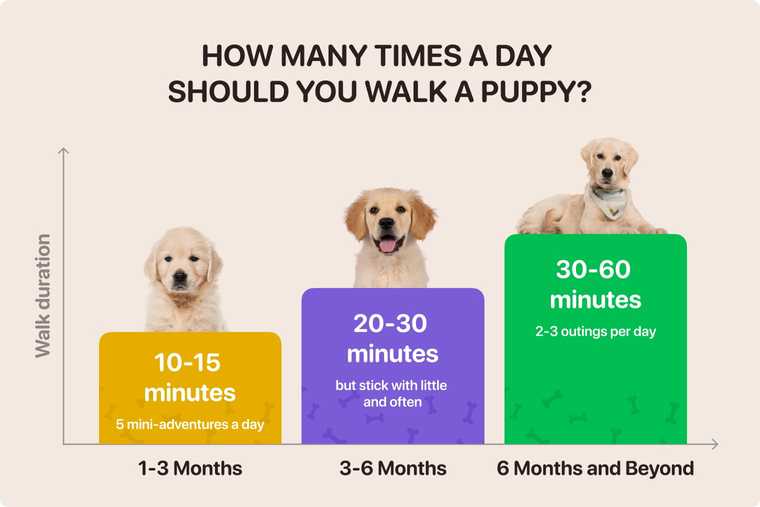
Image Source: www.woofz.com
Factors Shaping Your Dog’s Walk Needs
Not all dogs are the same. What works for a tiny Chihuahua might not work for a massive Great Dane. To figure out how often should I walk my dog, think about these main things:
Age of Your Dog
A puppy has very different needs than a senior dog.
Puppies
Young dogs need frequent potty breaks. They also need short bursts of play. Their bladders are small. They tire quickly.
- Potty Breaks: Every two to four hours is common for very young pups.
- Training Walks: Keep these short. Five to ten minutes is enough to start. Focus on leash manners.
- Total Walks: Aim for four to six short outings daily.
Adult Dogs
Healthy adult dogs often manage well with three solid walks. This covers potty needs and exercise.
- Midday Walk: This break prevents accidents. It also stops boredom.
- Morning and Evening Walks: These should be longer for good exercise.
Senior Dogs
Older dogs slow down. They might have stiff joints.
- Shorter, More Frequent: Instead of one long walk, try three to four shorter, gentler walks.
- Pace: Keep the pace slow. Let them sniff and explore at their own speed.
Breed and Energy Level
High-energy breeds need much more work than low-energy ones. Working breeds often get bored easily. Boredom leads to trouble at home.
Table 1: Exercise Needs by Energy Group
| Energy Group | Example Breeds | Recommended Daily Walks (Minimum) | Focus |
|---|---|---|---|
| Low Energy | Bulldog, Pug, Basset Hound | 2–3 | Short walks, lots of sniffing. |
| Medium Energy | Beagle, Cocker Spaniel, Boxer | 3–4 | Mix of walking and light play. |
| High Energy | Border Collie, Labrador, Jack Russell | 4+ | Needs jogging, fetching, or intense play. |
Herding and sporting dogs were bred to work all day. They need intense daily dog exercise. A simple stroll around the block will not meet their needs. These dogs often benefit from multiple dog walks a day, some focused on fitness and others on mental stimulation.
Health Status and Physical Limits
If your dog has health issues, talk to your vet. Dogs with heart problems or bad arthritis need less strenuous activity. Always follow your veterinarian’s advice on the ideal duration for dog walks.
Deciphering the Ideal Frequency of Dog Walks
So, what is the magic number? Most experts agree that for a healthy, average adult dog, three walks a day is the baseline.
The Three-Walk Minimum
This schedule works well for most homes:
- Morning Walk (Longer): This gets the wiggles out after a long night. It helps them go potty first thing. Aim for 20–30 minutes.
- Midday Walk (Short/Potty Break): This is crucial if you are gone most of the day. Even 10–15 minutes helps them relieve themselves and stretch.
- Evening Walk (Longest/Main Exercise): This is the big one. Use this time for training or real exercise, like a brisk walk or a run. Aim for 30–45 minutes.
When You Need More: Multiple Dog Walks a Day
If you have a high-drive dog, or if your dog shows signs of under-exercised dog, you need more activity.
- Backyard Time vs. Real Walks: Time spent just sniffing in the yard is not the same as a purposeful walk. Real walks offer mental novelty and physical exertion.
- Mental Stimulation: Sometimes, a dog needs more than just physical tiredness. A short “sniffari”—a walk where the dog sets the pace and smells everything—is mentally tiring but physically easy. This counts as part of the frequency of dog walks.
Establishing a Dog Walking Pattern: Routine is King
Dogs thrive on routine. Establishing a dog walking pattern helps manage their behavior and bathroom habits. When you walk your dog at roughly the same times each day, their body adapts. They learn when to expect to go out.
Setting Up Your Dog Walking Schedule
Consistency helps prevent accidents in the house. Try to keep the timing within an hour window daily.
- Morning: Wake up, take the dog out immediately.
- After Work: This walk is the most important for many owners. Dogs have held it all day.
- Before Bed: A quick, last potty break before sleep settles everyone down.
If you use a dog walker, make sure they adhere to your set times. Communication about the dog walking routine is vital for success.
The Best Time to Walk Dog
The best time to walk dog often depends on the weather and your schedule.
- Heat Considerations: In hot climates, avoid walking between 10 AM and 4 PM. Hot pavement burns paws. Walk very early in the morning or late in the evening.
- Energy Peaks: Some dogs are naturally more energetic early. Others are slow starters and prefer a late morning walk. Observe your dog’s natural energy cycles.
The Ideal Duration for Dog Walks
Frequency is one part of the puzzle; duration is the other. How long should each walk be?
Simple Guideline for Duration
A good general rule is 30 minutes per walk, aiming for two to three walks daily. But again, this is just a starting point.
- Puppies: 5 minutes per month of age, twice a day (e.g., a 3-month-old gets a 15-minute walk).
- Small Breeds (Toy): 15–20 minutes, 2–3 times a day.
- Large/Active Breeds: 30–60 minutes, 3+ times a day.
It is better to have three short, focused 20-minute walks than one exhausting hour-long walk followed by 23 hours of inactivity. Multiple dog walks a day often means shorter individual walks.
Quality Over Quantity
A walk where the dog pulls constantly or is distracted by every leaf is not effective exercise. Focus on quality.
- Leash Manners: Practice loose-leash walking. This keeps the dog engaged with you.
- Training Bursts: Incorporate short bursts of training (sit, stay, recall) into your walk. This burns mental energy.
- Sniffing Time: Allow controlled sniffing. Smelling is how dogs read the world. It’s tiring for their brains.
Fathoming the Signs of Under-Exercised Dog
How do you know if you are not walking enough? Look for these common signs of under-exercised dog:
- Destructive Chewing: Chewing furniture, shoes, or baseboards often signals boredom and excess energy.
- Excessive Barking or Whining: They are trying to get your attention because they are restless.
- Pacing or Restlessness: The dog cannot settle down, even when you are home resting.
- House Accidents: Despite being house-trained, they may have accidents because they did not get enough chances to go out.
- Nervous or Reactive Behavior: Bored dogs often become more anxious or reactive to outside stimuli.
If you see these signs, you need to immediately adjust your dog walking schedule to include more frequent or longer outings.
Tailoring the Routine for Different Lifestyles
Your personal life affects your dog walking routine. It is important to be realistic about what you can offer.
The Full-Time Worker
If you are away for eight or more hours, you need a solid midday plan.
- Dog Walker: Hiring a professional for a midday visit is often necessary. This walk should be robust—at least 30 minutes.
- Automation: If a walker isn’t possible, look into doggy daycare one or two days a week to burn off steam. Relying only on morning and evening walks often leads to problems for high-energy dogs when owners work long hours.
The Stay-at-Home Owner
While you are home, it is easy to let walks slide. You might think your presence is enough exercise. It is not. You must still maintain a firm dog walking pattern.
- Schedule walks around your day. Use them as a break from chores or work.
- Ensure the midday walk still happens, even if it’s short, to maintain the bathroom schedule.
Advanced Considerations for Your Dog Walking Frequency
Once you have the basics down, you can fine-tune your approach.
The Role of Mental Stimulation
Mental exercise can sometimes substitute for intense physical exercise, but rarely entirely. A mentally stimulated dog is calmer.
- Puzzle Toys: Use these when you cannot walk.
- Training Sessions: Five minutes of trick training after a walk helps cement the calm mood.
- New Environments: Taking your dog to a new park or trail provides massive amounts of new smells to process, which tires the brain quickly. Varying the location is crucial for optimal daily dog exercise.
Exercise Through Play vs. Walking
Are fetching in the yard the same as walking? No.
Walking teaches leash manners, spatial awareness around people and other dogs, and discipline. Fetching is high-intensity exercise, but it lacks the structure of a walk. Ideally, your frequency of dog walks should include both structured walking and playtime.
If your dog plays fetch vigorously for 20 minutes, you might be able to shorten one of your regular walks that day. But you still need the other scheduled breaks for potty needs.
Adjusting for Weather Extremes
Extreme weather demands changes to your routine.
- Extreme Cold: Shorter, more frequent walks are better. Long exposure can cause frostbite on paws or respiratory issues.
- Extreme Heat: Stick to very early mornings and late evenings. During the day, focus on indoor games and puzzle toys instead of walking. This protective measure is vital for maintaining their health while sticking to a necessary dog walking schedule.
Creating a Flexible Yet Reliable Dog Walking Routine
Flexibility within a rigid structure is the secret to long-term success. Your dog needs to know walks will happen, even if the time shifts by 30 minutes one day.
Implementing Your Dog Walking Pattern
- Map It Out: Write down your ideal schedule for a week. Include times for walks, feeding, and training.
- Use Technology: Set recurring alarms on your phone for walk times. This helps you stick to the dog walking routine.
- Review Regularly: Every month, review your dog’s behavior. Are they calm? Are they having accidents? If not, your current frequency of dog walks is working well. If you see signs of under-exercised dog, adjust immediately.
Remember that achieving the ideal duration for dog walks requires listening to your specific pet. A Cavalier King Charles Spaniel needs far less stamina work than a Husky.
Conclusion on Frequency
To summarize, most dogs need at least three walks per day. This baseline ensures basic needs are met. High-energy dogs require multiple dog walks a day, often four or more. Always prioritize consistency when establishing a dog walking pattern. Check for signs of under-exercised dog regularly. By tailoring the frequency, duration, and time of day, you can build the perfect dog walking schedule for your companion. Providing consistent daily dog exercise is one of the best gifts you can give your dog.
Frequently Asked Questions (FAQ)
Can I walk my dog only twice a day?
For a very low-energy, older, or small breed dog, two structured walks might suffice, provided they are long enough (45–60 minutes each) and meet all their bathroom needs. However, for most medium to high-energy breeds, walking only twice a day usually leads to destructive behavior or accidents, as it leaves too long a gap between potty breaks. Three times is safer.
What is the absolute minimum number of times a dog should be walked?
The absolute minimum for any dog, regardless of size, is usually two times a day, primarily for necessary bathroom breaks. However, this does not count as adequate exercise for most breeds and should be supplemented with indoor play.
What if my dog pulls constantly on the leash? Does that count as exercise?
Pulling is frustrating, but it is not always quality exercise. It is more about stress relief for the dog. If your dog is pulling hard, they are using their neck and shoulder muscles but might not be getting the cardiovascular benefit you intend. Work on loose-leash training during your walks to ensure the exercise is effective.
How do I know if the walk duration is too long?
Look for lagging behavior, excessive panting that does not subside quickly, or collapse after the walk. If your dog seems exhausted rather than happily tired afterward, shorten the walk next time. Monitor for overheating, especially in summer.
Should I incorporate a jog into my dog walking routine?
If your dog is fully grown (growth plates closed, usually after 12–18 months depending on breed) and has good joint health, incorporating a jog is a great way to increase the intensity of their daily dog exercise. Always start slow and build up distance and speed gradually.
Does a walk count if I just let them sniff everything?
Yes, sniffing is mentally taxing. If you have a very high-scent dog (like a Beagle), a 30-minute “sniffari” where they lead and explore can be as tiring as a 30-minute brisk walk. Mix sniffing time with structured walking for the best results.