
What should you put in a dog crate for chewers? You should choose durable dog crate toys that are specifically designed to withstand strong chewing. These toys must be safe, non-toxic crate chews, and ideally, they should help keep your dog busy and calm.
Dogs chew for many reasons. It is a natural behavior. Puppies chew while they explore the world. Adult dogs chew when they are bored, anxious, or just need to relax their jaws. When your dog spends time in their crate, providing the right toys is very important. The wrong toy can be dangerous. The right toy can make crate time a positive experience. This guide will help you pick the best chew toys for crate training and keep your powerful chewer happy and safe.
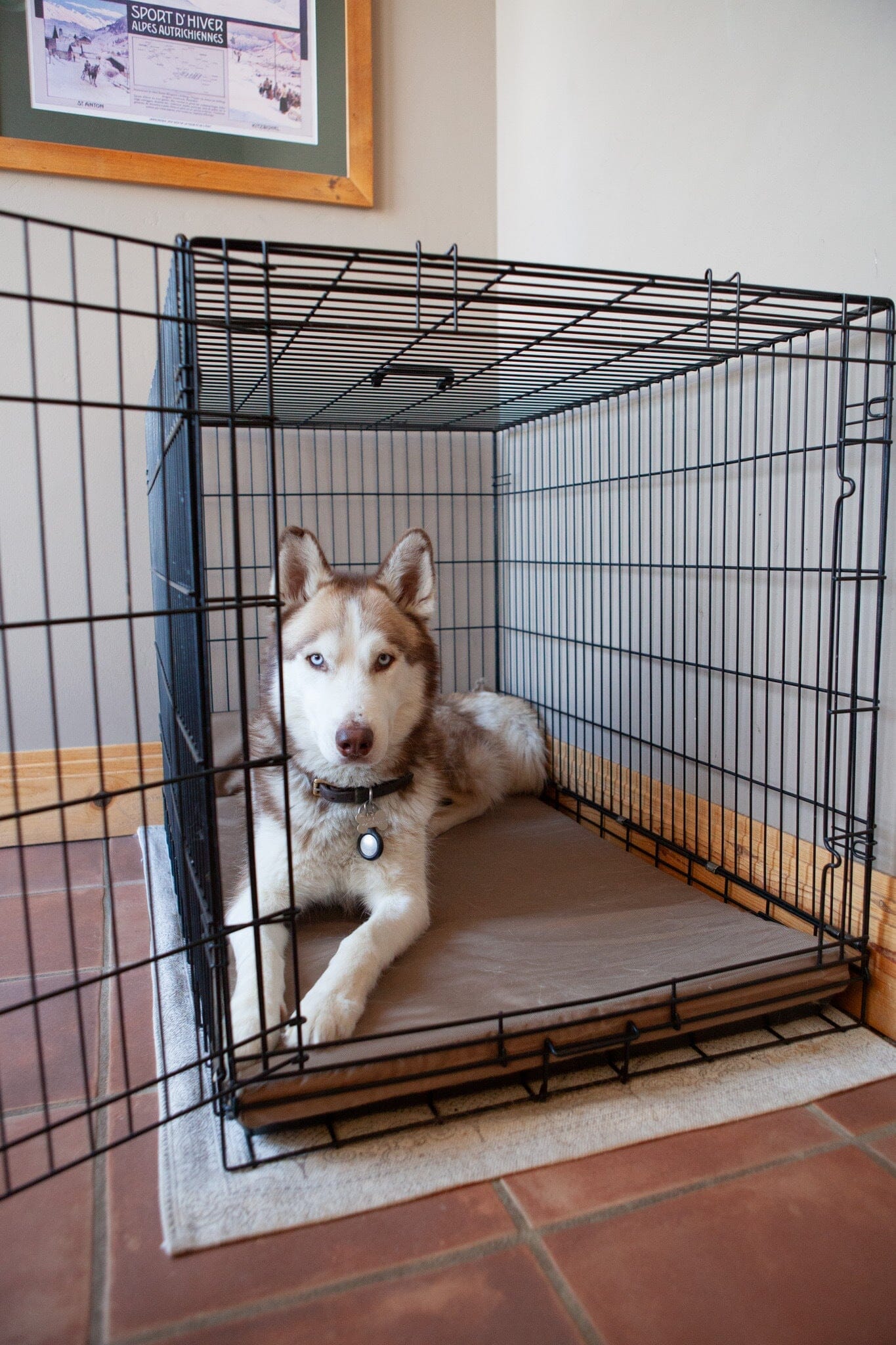
Image Source: bullybeds.com
Choosing Safe Playthings for Crate Time
Safety comes first when selecting items for a dog’s crate. A crate is a confined space. If a toy breaks into small pieces, those pieces become choking hazards. We must look for toys made from tough materials that can handle strong jaws.
Material Matters: What to Look For
Not all chew toys are made equal, especially for dogs that can destroy almost anything. You need materials that resist breaking down quickly.
Rubber and Hard Plastics
Many tough chew toys for power chewers are made from very hard rubber or strong, dense plastic. These materials are often used in indestructible chew toys for crates.
- Natural Rubber: High-quality natural rubber is tough. It offers a satisfying chew without easily breaking off into chunks. Look for toys labeled as “heavy-duty.”
- Hard Thermoplastic Composites: Some companies make very hard plastic blends. These are often shaped like bones or sturdy shapes. Make sure they are certified safe and non-toxic crate chews.
Edible Chews: Use with Caution
Edible chews can be great for keeping a dog quiet. However, you must watch how your dog eats them, especially in a crate. If your dog swallows large pieces, it can cause blockages.
- Dental Chews: Some are designed to break down slowly. These can be good for short crate sessions.
- Bully Sticks or Yak Chews: These are popular long-lasting dog crate chews. Always monitor the size of the remainder. If the piece gets small enough for your dog to swallow whole, take it away before crating.
Fabric and Rope: Generally Avoided in Crates
For strong chewers, fabric toys, soft stuffed animals, and most rope toys are too risky for unsupervised crate time. Dogs can rip off stuffing, squeakers, or long strands of rope. These items pose serious risks if swallowed. Stick to solid, hard items.
Top Picks for Durable Dog Crate Toys
When you shop for toys for crate chewers, look for specific features that promise longevity and safety. These items are designed to be safe crate chew items.
The Power of the Rubber Chew Toy
Rubber toys are the foundation of any crate toy collection for heavy chewers. They provide necessary jaw exercise without the risk of swallowing sharp pieces.
Kongs and Similar Fillable Toys
The classic rubber toy is still one of the best. They are designed to be very hard to destroy.
- Stuffing Strategy: Stuffing a Kong makes it last much longer. Use safe fillings like plain yogurt, peanut butter (xylitol-free!), or soaked kibble. Freezing the stuffed toy makes it last even longer, providing extended relief for your dog. These are excellent enriching dog crate toys.
- Durability Levels: Ensure you buy the “extreme” or “power chewer” version. The softer puppy versions will not last a minute with a dedicated chewer.
Hard Rubber Shapes
Look for solid, ergonomically shaped rubber toys. These often have interesting nubs or grooves that feel good on the gums. These are great indestructible chew toys for crates because they have no small parts to break off.
Metal and Wood Options (For Select Dogs)
Some owners turn to extremely hard materials for the toughest dogs. These require careful selection.
- Hardwood or Coffee Wood Chews: These are natural, durable chews. The wood breaks down into soft, edible fibers, not sharp splinters, if sourced correctly. Always check that the wood is safe for dogs (like coffee wood). They offer long-lasting dog crate chews.
- Metal Toys: While less common, some specialized toys are made from hardened metal alloys designed not to break or splinter. These are usually expensive but can last for years. They are usually reserved for dogs that destroy everything else.
Making Crate Time Engaging: Dog Crate Boredom Busters Chew
Boredom is a major trigger for destructive chewing. If your dog is just sitting in the crate waiting for you to come home, they will look for something to do—and that might be chewing the crate bars or their bedding. Dog crate boredom busters chew options keep their minds and mouths busy.
Puzzle Toys for Crate Chewers
Puzzle toys make your dog work for their reward. This mental stimulation is tiring and satisfying. These are some of the best enriching dog crate toys.
Rolling Dispensers
Toys that dispense kibble or treats as the dog rolls them around are fantastic. They require focus and movement.
- Criteria: Ensure the plastic casing is thick. If the dispensing holes are too large, the dog might chew the toy apart to get the food out faster.
Treat-Dispensing Balls
Similar to rolling dispensers, these balls hold treats inside. The dog must manipulate the ball just right to get the reward. They force the dog to interact with the toy physically and mentally.
Food-Dispensing Rubbers
These are essentially specialized versions of the classic rubber toy. You pack them tight with food, and the dog has to lick, chew, and gnaw to get the contents out. The process can take 30 minutes or more, making them excellent dog crate boredom busters chew.
Rotation is Key for Long-Term Success
Even the toughest chew toy eventually gets boring if it is always available. To keep toys novel, practice toy rotation.
- Designate Crate-Only Toys: Keep a specific set of safe crate chew items that the dog only gets when they go into the crate.
- Rotate Weekly: Every week, swap out the toys available. This makes an old toy feel new again.
- Match the Activity: Choose a toy based on how long the dog will be crated. For a short potty break, a simple, fast-reward chew is fine. For an eight-hour workday, use a frozen, stuffed puzzle toy.
Toy Selection Guide for Different Chewing Styles
Not all chewers are the same. A gentle nibbler needs different toys than a dog whose goal is total toy obliteration. Identifying your dog’s style helps you select the right tough chew toys for power chewers.
| Chewer Type | Description | Recommended Toy Type | Toy Safety Focus |
|---|---|---|---|
| Gentle Nibbler | Likes to hold toys and mouth them softly. Rarely destroys items. | Soft rubber, edible chews (supervised), plush toys (if supervised). | Comfort and ease of cleaning. |
| Moderate Chewer | Works on toys steadily. May eventually shred soft items but leaves hard rubber alone. | Standard rubber toys, durable nylon bones, durable puzzle toys. | Durability score of 6/10 or higher. |
| Power Chewer | Destroys most toys within minutes. Focuses on breaking things into pieces. | Indestructible chew toys for crates, extreme-grade rubber, coffee wood. | Material strength and lack of small parts. Non-toxic crate chews are crucial here. |
If your dog falls into the “Power Chewer” category, you must prioritize toys rated for extreme strength. Do not risk giving them a toy meant for a moderate chewer, as this leads to dangerous ingestion risks. These are the essential best chew toys for crate training success for strong dogs.
Toy Safety Protocols for Crate Confinement
Crate time means unsupervised time. This environment demands an extra layer of caution regarding what you leave with your dog. Following strict safety checks is vital for ensuring you provide safe crate chew items.
The “Too Small to Swallow” Test
This is the most critical test for any toy given unsupervised. If a toy, or a piece of a toy, can fit entirely into your dog’s mouth—especially across the width of their jaw—it can be swallowed and cause choking or blockage.
- Test Large Toys: Ensure the toy is significantly larger than your dog’s throat opening.
- Monitor Edibles: For long-lasting dog crate chews like bully sticks, you must remove them when they get down to the last 2-3 inches. This small piece is easy to choke on.
Inspecting Toys Before Crating
Before you close the crate door, quickly inspect every toy.
- Check for Cracks: Look for deep cracks or splits in rubber or plastic toys. A small crack means the dog has weakened the material. It’s time to throw that toy away.
- Examine Edges: If an edible chew has sharp, splintered edges, remove it. You want smooth wear, not jagged breaks.
- Squeakers and Eyes: If a toy has sewn-on parts (eyes, noses) or internal squeakers, do not leave it in the crate. These become deadly hazards if removed.
When to Take Toys Out
Some great toys are fantastic for supervised play but should be removed when you leave the dog alone.
- Rope Toys: These should almost always be removed. Ingested strands can cause linear foreign bodies, which are medical emergencies.
- Slightly Damaged Toys: If a toy is starting to break down but isn’t completely destroyed, take it out. Wait until you can supervise your dog while they finish it off or discard it safely.
- High-Value Treats: If you use a very smelly or highly desirable treat to stuff a toy, sometimes it’s best to remove the toy once the treat is gone, especially if the dog starts obsessively destroying the rubber to get every last bit. You want the toy to be a dog crate boredom busters chew, not a source of anxiety or destructive focus once the reward is gone.
Making Toy Selection Part of Crate Training
Crate training relies heavily on positive association. Toys are essential tools in this process. They teach the dog that the crate is a place for good things, not punishment. Using the best chew toys for crate training helps establish this positive link.
Introducing New Crate Toys
Never just throw a brand-new, high-value toy into the crate for the first time right before you leave for work. This teaches the dog that the toy only appears when you disappear, creating an association with abandonment anxiety.
Step-by-Step Introduction
- Play Together: Introduce the new enriching dog crate toys while you are playing with your dog in the living room. Let them chew it while you are present and praise them heavily.
- Crate Association: Once they enjoy chewing it, place the toy inside the crate while the door is open. Let them go in, grab the toy, and come back out.
- Short Stays: Once they associate the toy with the crate space, give them the toy, put them in the crate, close the door for just 60 seconds, then immediately open the door and let them out (with or without the toy).
- Gradual Increase: Slowly increase the time. The goal is for the dog to be so engrossed in the long-lasting dog crate chews that they barely notice you leaving.
The Role of Chewing in Calming Anxiety
Chewing is a natural stress reliever for dogs. When dogs chew, they release endorphins, which feel good. For dogs prone to separation anxiety, having an appropriate, durable dog crate toy can significantly reduce anxiety levels during confinement. It gives them a job to do that physically calms them down.
Advanced Options: For the Most Dedicated Chewers
Some dogs genuinely seem to have steel jaws. For these serious enthusiasts, standard products might not suffice. We need to explore the highest-rated tough chew toys for power chewers.
Heavy-Duty Rubber Brands
Focus on brands known for using proprietary, extra-dense rubber compounds. When buying these, always check the weight and hardness in person if possible. They should feel very heavy for their size.
Commercial-Grade Fillable Toys
Some companies make rubber toys that are several steps above the common household brands in terms of material density. These are often targeted at kennels or professional trainers working with aggressive chewers.
Utilizing Food Puzzles as Work Sessions
For power chewers, a simple stuffed toy may only last 15 minutes. You need food puzzles that take serious effort.
Freezing as a Time Extender
As mentioned, freezing fillings is a game-changer. A toy stuffed with wet food and frozen solid can take a dedicated chewer an hour or more to clean out. This time frame perfectly covers the early stages of separation anxiety when dogs are most agitated. These are your ultimate dog crate boredom busters chew items.
Using Flavor for Motivation
If your dog is not food-motivated, they won’t use puzzle toys. If they are highly food-motivated, you can use high-value, soft pastes (like mashed sweet potato or liver paste) inside the puzzle toys for crate chewers to ensure they stay busy until the food is gone.
Maintenance and Disposal of Crate Toys
Even the toughest toys wear out. Regular maintenance ensures your dog always has non-toxic crate chews available and prevents accidental ingestion of worn-out materials.
Cleaning Routine
Rubber and hard plastic toys harbor bacteria and smells over time. Cleaning them keeps them appealing and sanitary.
- Soap and Water: Wash durable dog crate toys regularly with warm water and mild dish soap. Scrub the grooves to remove built-up saliva and residue.
- Dishwasher Safe: Many high-quality rubber toys are safe to run through the top rack of the dishwasher. High heat helps sanitize them.
Knowing When to Say Goodbye
Be ruthless about retiring old toys. A toy that has lost its shape, has deep puncture holes, or is breaking into large chunks must go immediately.
Never leave a toy in the crate that is small enough to be swallowed whole. This rule overrides all others. If you are unsure, err on the side of caution and remove the item.
FAQs: Addressing Common Crate Toy Concerns
Can I leave soft toys like stuffed animals in the crate with a power chewer?
Generally, no. Soft toys are easily ripped apart by strong chewers. Ingesting fabric, batting, or squeakers can lead to serious internal blockages. Only leave soft toys if your dog is a gentle chewer and you have supervised them extensively to confirm they only mouth the toy, rather than ingest pieces.
Are bones safe to leave in a crate?
It depends heavily on the type of bone. Raw bones are never safe for unsupervised chewing due to bacteria and splintering risks. Cooked bones are extremely dangerous as they splinter easily. Hard nylon bones are often safe, but watch for sharp edges that form as they wear down. Edible chews like long-lasting dog crate chews (bully sticks) should be removed when they get too small.
How many toys should I leave in the crate?
For chewers, less is often more. Leave one, or maybe two, high-value, long-lasting chews. Too many options can cause distraction or anxiety as the dog wonders which one to pick first. The best approach is usually one enriching dog crate toy (like a stuffed, frozen Kong) to occupy them for a long time.
What if my dog ignores the toys and chews the crate instead?
If your dog chews the crate, they are likely extremely anxious or highly under-stimulated. First, ensure the toy provided is highly motivating (a frozen, desirable treat is best). If they still chew the crate, the issue is likely separation anxiety, not a lack of toys. You need to address the underlying anxiety through training, potentially with the help of a vet or behaviorist, alongside using best chew toys for crate training to make the space appealing.
Are flavored or scented toys better for crate time?
Yes, flavor and scent can significantly boost engagement. Dogs are highly motivated by smell. Flavored rubber toys or toys designed to hold tasty, frozen pastes make them much more likely to engage with the durable dog crate toys instead of focusing on their confinement.