
Can I stop my dog from fighting during grooming? Yes, you absolutely can stop dog fighting during grooming by using patience, positive reinforcement, and systematic desensitization before and during the grooming session.
Dealing with a dog who dislikes being groomed can turn a simple bath into a stressful battle. Many pet owners struggle with dog grooming anxiety, seeing their beloved pet tense up, shake, or even try to escape at the mere sight of a brush or the sound of clippers. However, achieving stress-free dog grooming is possible. It takes time, consistency, and the right approach. This guide offers in-depth, actionable steps based on behavioral science to help you calm your dog for grooming sessions.
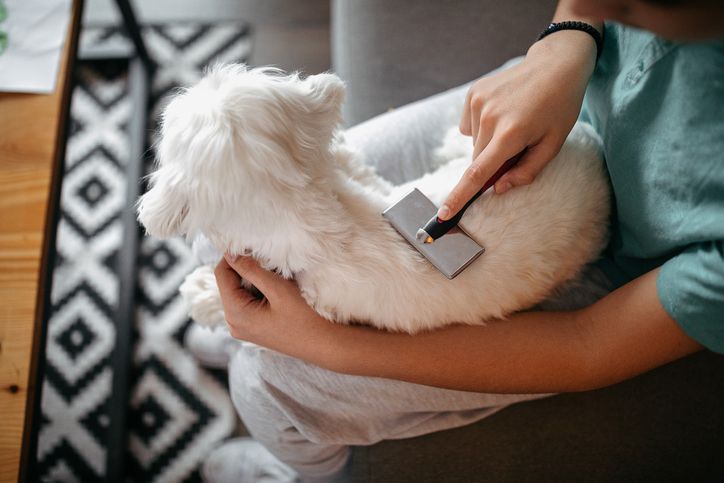
Image Source: cdn.whole-dog-journal.com
Foundations for Calm Grooming Sessions
The key to success lies in preparation and managing your dog’s emotional state long before you pick up the scissors. We must shift the dog’s association with grooming from negative to positive.
Assessing the Root of Grooming Fear
Before applying any fixes, we need to pinpoint why the dog is anxious. Is it the water, the noise, the restraint, or past negative experiences?
- Sensory Overload: Many dogs dislike the high-pitched whine of clippers or the sensation of water hitting their skin or ears.
- Pain Association: If a previous grooming session involved painful clipping (like pulling mats or cutting too close to the skin), the dog learns to dread the process.
- Handling Sensitivity: Some dogs are sensitive about having their paws, tail, or face touched.
Setting Up the Right Environment
The environment plays a huge role in calming techniques for anxious dogs. A stressful setting will amplify existing fear.
- Quiet Space: Choose a room away from loud noises like washing machines or televisions. Minimize distractions.
- Comfortable Surface: Ensure the grooming table or tub area is non-slip. Slipping greatly increases a dog’s sense of panic. Use rubber mats or towels.
- Temperature Control: Ensure the room is a comfortable temperature. Overheating can cause stress.
Introducing the Right Gear
The grooming tools for nervous dogs should be introduced slowly. Loud or vibrating tools are often the biggest culprits.
- Clipper Introduction: Place the clippers on the floor while they are off. Let the dog investigate. Reward calm behavior. Do this for several days.
- Noise Masking: Use soothing music for dog grooming to mask the sudden sounds of equipment starting up. Classical music or specialized canine relaxation tracks work well.
- Tool Familiarity: Let the dog sniff the brush, comb, and nail clippers while you give them high-value treats.
The Power of Desensitization and Counter-Conditioning
This is the core method for tackling dog grooming anxiety. We pair the scary thing (grooming item) with a fantastic reward, slowly changing the dog’s emotional response. This process is called desensitizing dog to grooming.
Step-by-Step Desensitization Plan
This plan must move at your dog’s pace. If your dog shows stress signals (lip licking, yawning, whale eye, trying to escape), you moved too fast. Go back a step.
Phase 1: Tool Exposure (No Touching)
- Show the Tool: Hold the brush in one hand. Give the dog a treat. Put the brush away. Repeat five times.
- Tool Near Body: Place the brush near the dog’s shoulder (not touching). Treat heavily. Put it away.
- Tool Near Different Zones: Repeat step 2, moving the tool slowly toward the paws, ears, and tail area—the places often most sensitive. Reward calmness heavily.
Phase 2: Simulated Contact
- Light Touch (Non-Grooming Tool): Use your bare hand to mimic the motion of brushing. Touch the dog lightly, then immediately treat.
- Tool Contact – Minimal Pressure: Gently touch the dog with the back of the brush (where the bristles don’t touch). Treat.
- Tool Contact – Actual Brushing (One Stroke): Brush one single stroke in a non-sensitive area (like the back). Immediately reward. Wait five seconds. Repeat. If the dog stays calm, give an extra special reward.
Phase 3: Incorporating Equipment Sounds
If you use clippers or dryers, this phase is crucial.
- Sound Only: Turn the dryer/clippers on across the room for one second. Treat immediately. Turn off. Repeat until the dog looks relaxed when the sound starts.
- Sound + Proximity: Turn the tool on briefly while it is several feet away. Treat. Slowly move the running tool closer over several sessions.
- Vibration Introduction: Turn the clippers on, then gently touch the vibrating tool to the dog’s back without turning them on. Treat. Next, turn them on briefly and touch the vibrating tool to the back.
Positive Reinforcement Dog Grooming: Making It Pay
Positive reinforcement dog grooming means rewarding desired behaviors, no matter how small.
- Jackpot Rewards: If your dog sits still for 30 seconds when you usually only get 5 seconds, give a “jackpot”—a rapid series of amazing treats (like small pieces of cheese or hot dog).
- Duration vs. Quality: Reward for staying calm, even if you only manage one successful nail clip. A calm 15-minute session is better than a 5-minute session ending in a fight.
- Treat Trails: For longer sessions, use a lick mat smeared with peanut butter or yogurt, or a slow-feeder toy filled with soft food. This keeps the dog happily engaged and distracted while you work on less favorite areas.
Techniques for Handling Sensitive Areas
Dogs often tolerate back brushing but panic when you touch their feet, face, or rear end. These areas require specialized, extra-slow desensitization.
Paw Handling and Nail Trims
This is a major trigger for many dogs.
- The Paw Hold Game: Gently lift one paw for one second while saying “Touch” (or a chosen cue word). Release and treat.
- Pressure Introduction: While holding the paw, gently squeeze the toe pads, mimicking the pressure of the clippers. Treat immediately after release.
- Tool Association: Place the nail trimmer or grinder next to the paw. Treat. Then, touch the trimmer to the nail without clipping. Treat.
- Micro-Trims: When you finally clip, aim for the absolute smallest shaving possible—just the tip of a single nail. Reward instantly. If you need to trim four nails, spread that task over four different days initially.
Head, Ear, and Muzzle Work
Many dogs dislike having their faces touched due to poor early socialization or sensitivity around their eyes.
- Gentle Face Rubs: Start by rubbing the cheeks and forehead calmly.
- Ear Handling: Gently lift the ear flap, hold for a second, release, and treat. If using ear cleaner, put a drop on a cotton ball first, then progress to the ear itself.
- Muzzle Contact: Gently place your hand over the muzzle for a second. Treat. If they tolerate a muzzle for vet visits, start associating it with grooming first, if necessary, as a protective measure against biting.
Grooming Preparation Tips for Anxious Pets
Good planning minimizes the time your dog spends enduring the less pleasant parts of grooming. These dog grooming preparation tips streamline the process.
Pre-Grooming Routine
- Exercise First: A tired dog is a calm dog. Take your dog for a long walk or engage in vigorous play before the appointment or session. Mental stimulation helps too, like a short training session working on “stay” or “settle.”
- Brush Session Check: Before the bath, spend 5–10 minutes doing a gentle pre-brushing session using high-value rewards. This ensures you don’t have to fight mats once the dog is wet (wet mats are impossible to remove and extremely painful).
- Calming Aids: Consult your veterinarian about natural calming aids like L-theanine supplements, pheromone sprays (like Adaptil), or calming chews if anxiety is severe.
Managing Matting
Severe matting necessitates professional help or very short-term, gentle work at home. Fighting tough mats guarantees a negative association.
| Mat Severity | Recommended Action |
|---|---|
| Mild Tangles | Use a slicker brush gently, working from the tips of the hair inward. Reward every few strokes. |
| Heavy Matting (Pads/Underarms) | Stop brushing immediately. Seek professional help for safe shaving. |
| Small, Isolated Mats | Use a mat splitter tool carefully, separating the mat before attempting to comb it out. Keep session very short. |
Professional Groomer Tips for Anxious Pets
If you use a professional groomer, communication is vital for ensuring your dog has a good experience. These professional groomer tips for anxious pets ensure everyone is on the same page.
- Honest Disclosure: Tell the groomer exactly what triggers your dog (e.g., “He panics when the dryer gets close to his legs,” or “We are working on paw handling”).
- Ask About Restraint: Inquire about their restraint methods. Many quality groomers prefer gentle handling or use specialized, low-stress techniques rather than aggressive force.
- Requests for Breaks: Ask the groomer if they can allow short, quiet breaks where you can briefly reassure your dog with a treat or a quick pet.
- Slow and Low Sessions: If possible, book the dog for a “slow groom” appointment, which allows the groomer to take extra time and not rush the dog to fit the next booking.
- Avoid Force Drying: If your dog hates the high-velocity dryer, request that the groomer use low-speed drying or towel-dry as much as possible, as forced air can be terrifying.
How to Stop Dog Fighting During Grooming: Containment and Safety
If, despite all preparation, your dog resorts to snapping or biting, safety becomes the priority. Your goal shifts from grooming to preventing injury while managing the situation.
Recognizing Escalation
Learn to read the subtle signs that precede a bite:
- Stiff body posture.
- Hard, direct stare.
- Raised hackles (hair standing up on the back).
- Snapping air or lip curling.
When you see these signs, stop immediately. Do not push past them.
Using Muzzles Safely
A muzzle is a safety tool, not a punishment. If you need to finish necessary tasks (like a quick trim or sanitary clip) on a dog that snaps, use a properly fitted basket muzzle.
- Muzzle Desensitization: This must be done separately from grooming. Start by associating the muzzle with high-value food, letting the dog lick peanut butter through the muzzle holes while you hold it loosely. Slowly increase the time worn.
- Muzzle During Work: Once the dog accepts the muzzle calmly, use it only when necessary for safety during the most feared parts of grooming (e.g., nails).
The Importance of Finishing Early
If a fight or serious struggle begins, end the session immediately. It is better to have a slightly shaggy dog today than a traumatized dog tomorrow. Re-schedule the unfinished part for another day after a break. If the dog won’t tolerate any part of the grooming process, consult a certified behaviorist who specializes in calming techniques for anxious dogs.
Long-Term Success Through Consistency
Calming a dog for grooming is a marathon, not a sprint. Consistency builds trust and makes the process predictable.
Creating Grooming Rituals
Dogs thrive on routine. Establish a specific sequence of events for grooming day.
- Example Ritual: Walk outside $\rightarrow$ Special treat before entering the room $\rightarrow$ Calming music starts $\rightarrow$ 5 minutes of gentle brushing on the back $\rightarrow$ Break with a chew toy $\rightarrow$ Nail check $\rightarrow$ End session, big praise.
Integrating Grooming into Daily Life
Don’t only handle paws and ears when you intend to clip nails. Practice handling these areas daily for just a few seconds when the dog is relaxed, perhaps while watching TV. This keeps the sensitivity low.
| Activity | Frequency | Duration | Goal |
|---|---|---|---|
| Paw Handling | Daily | 5 seconds | Practice quick, gentle touches on all four paws. |
| Brush Simulation | Daily | 1 minute | Use a soft brush on the coat while petting. |
| Clipper Vibration Test | 3 times a week | Instant on/off | Turn clippers on briefly across the room. |
Evaluating Progress
Keep a simple log. Note the session length, the most difficult part, and what rewards you used. Seeing documented progress helps you stay motivated during setbacks. If you notice consistent improvement over several weeks, you are successfully desensitizing dog to grooming.
If your dog continues to show extreme fear or aggression despite consistent positive effort, a combined effort from your primary veterinarian and a certified veterinary behaviorist may be necessary. They can provide tailored management plans, potentially including short-term anti-anxiety medication to lower the baseline stress enough for training to work effectively.
Frequently Asked Questions (FAQ)
Q: How long does it take to calm a dog for grooming?
A: This varies greatly depending on the dog’s history and severity of fear. For mild anxiety, you might see significant improvement in 2-4 weeks of daily short practice sessions. For severe dog grooming anxiety, it could take several months of dedicated work. Patience is essential.
Q: Should I use treats during the actual grooming, or only before?
A: You should use treats during the grooming process, especially positive reinforcement dog grooming. High-value treats (like small bits of chicken or cheese) should be delivered immediately after any desired behavior (sitting still, tolerating a brush stroke). Lick mats are excellent for continuous, passive reward during the entire session.
Q: Is it okay to bathe a dog if they are scared of the water?
A: If the fear of water is intense, focus solely on drying and brushing first. When introducing water, use very little—just wet the paws initially. Never force a fearful dog under running water. Use a cup or pitcher to pour water gently over the body, avoiding the head until they are comfortable.
Q: My dog hates the blow dryer. What should I do?
A: The noise and force are major issues. First, introduce the dryer sound while it is far away (see Step 3 in Desensitization). Next, introduce the vibration of the dryer held against your leg, then the dog’s back, without turning it on. If the dog still panics, consider towel drying thoroughly and then using a quiet, low-velocity pet dryer held far away, or stick to air drying indoors.
Q: Can I use calming music effectively?
A: Yes. Soothing music for dog grooming can be very effective for masking startling household noises and lowering the overall arousal level of the dog. Look for music specifically designed for canine relaxation, often featuring slower tempos and specific frequencies.