
Can I get dog pee out of wood floors? Yes, you absolutely can remove dog pee stains and odors from wood floors, but you must act fast and use the right methods depending on the severity of the damage to your dog urine stain wood floor.
Dealing with pet accidents on wood floors is a major headache for dog owners. Wood is porous, meaning liquids can soak in easily. This leads to dark stains, lingering smells, and sometimes even structural damage. This guide will walk you through simple steps to clean fresh accidents and complex methods for older, set-in dog urine stain wood floor issues. We will show you how to remove dog pee odor wood floors for good.
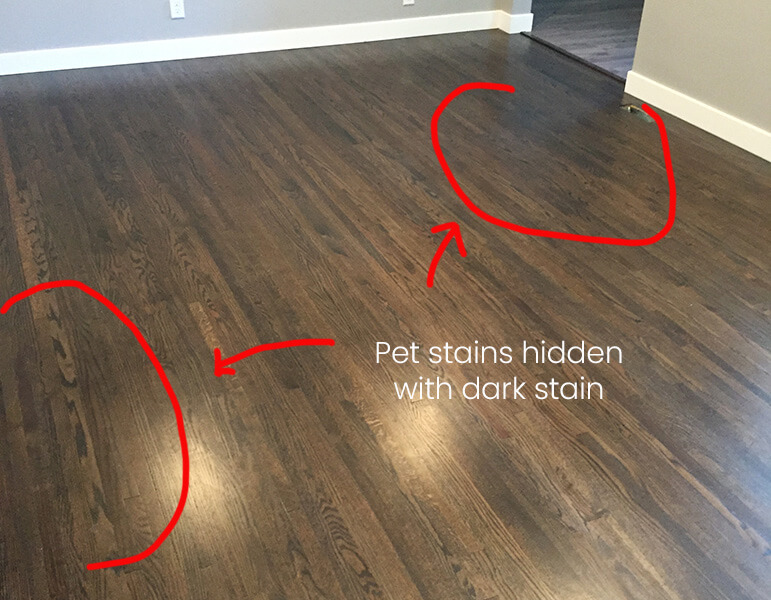
Image Source: nahfloors.com
Why Dog Urine Damages Wood Floors
Dog urine is not just water. It contains uric acid, salts, and ammonia. These things are tough on wood finishes and the wood itself.
The Chemistry of the Damage
When urine dries, the uric acid salts crystallize. These crystals bond tightly to the wood fibers. This is why simple wiping often fails to clean dog urine from hardwood. The ammonia in the urine causes the dark stains you see. It bleaches the wood color or causes oxidation, leading to black spots.
Types of Wood Floors and Their Risks
The type of wood floor you have changes how you approach the cleaning.
| Floor Type | Finish Type | Risk Level | Notes |
|---|---|---|---|
| Sealed/Finished Hardwood | Polyurethane, Urethane | Low to Medium | Finish provides a barrier. Quick cleanups are usually effective. |
| Unfinished Hardwood | No Topcoat | High | Urine soaks deep, fast. Staining is almost guaranteed. |
| Engineered Wood | Thin Veneer | Medium | Surface damage is less severe, but moisture can warp the core layers. |
| Laminate/LVP | Synthetic Layer | Low | These are not real wood, but pee can seep into seams and swell the core. |
For true hardwood, deep penetration requires more than just surface cleaning to remove dog pee odor wood floors.
Step 1: Immediate Action for Fresh Accidents
Speed is key when dealing with fresh pee. The faster you act, the less chance the urine has to sink deep into the wood grain.
Blot, Don’t Rub
Never rub a fresh spill. Rubbing pushes the liquid deeper into the wood.
- Grab Absorbent Material: Use old towels, paper towels, or newspaper.
- Press Firmly: Place the towels over the puddle. Press down hard to soak up as much liquid as possible.
- Repeat: Change the towels until they come up nearly dry. You want to remove volume first.
Mild Cleaning Solution
Once you have blotted up the bulk, use a very mild cleaning solution. This helps lift surface residue.
- Mix warm water and a few drops of mild dish soap.
- Dip a soft cloth into the solution. Wring it out very well. The cloth should be barely damp, not wet.
- Gently wipe the stained area.
- Immediately dry the area completely with a clean, dry towel. Do not let water sit on the wood.
For many sealed floors, this might be enough. If the stain remains or you smell odor, move to the next step.
Step 2: Tackling Light Stains and Odors
If you missed the accident or it’s a light stain, you need something stronger than soap. This is where you look for the best cleaner for dog pee on wood.
Hydrogen Peroxide Solution
Hydrogen peroxide is a great option because it lightens stains and kills odor-causing bacteria. Use this only on light-colored woods, as it can sometimes bleach darker finishes.
- Test First: Always try a small, hidden spot first.
- Mix: Mix 1 part 3% hydrogen peroxide with 2 parts water.
- Apply Carefully: Dampen a clean cloth with the solution. Gently dab the stain. Do not soak the wood.
- Let it Sit (Short Time): Let it sit for just 5 to 10 minutes. Watch closely.
- Rinse and Dry: Wipe the area with a cloth dipped in clean water. Dry immediately and thoroughly.
White Vinegar Power
Vinegar is mildly acidic and excellent for neutralizing ammonia, which helps remove dog pee odor wood floors.
- Dilute: Mix equal parts white vinegar and water (50/50 mix).
- Apply: Use a damp cloth to wipe the stained area.
- Dwell Time: Let the vinegar solution sit for about 15 minutes.
- Dry Well: Wipe dry. The vinegar smell will fade as it dries, taking the urine smell with it.
Commercial Pet Stain Removers
There are specialized pet stain remover wood floors products available. Look for enzyme cleaners. Enzymes break down the organic compounds in urine.
- Enzyme Cleaner Use: Follow the product instructions precisely. Most require you to saturate the spot slightly, cover it with plastic wrap to keep it moist, and leave it for several hours or overnight. This allows the enzymes time to work deep within the wood fibers.
- Rinse: Always rinse the area well afterward, as residue can damage the finish.
Step 3: Advanced Removal for Set-In Stains
When the stain has turned black or dark brown, it means the urine has penetrated the finish and oxidized the wood itself. Simple cleaners won’t work here. You need methods that can lift the stain from the wood structure.
The Poultice Method
A poultice is a paste used to draw deep stains out of porous materials. This is a crucial DIY dog pee removal wood technique for deep damage.
Option A: Baking Soda Poultice
Baking soda is absorbent and mildly abrasive.
- Make the Paste: Mix baking soda with just enough water (or a few drops of hydrogen peroxide for extra power) to create a thick paste—like peanut butter consistency.
- Apply Thickly: Spread a thick layer of the paste over the entire dog urine stain wood floor. Make sure it covers the stain by about half an inch all around.
- Cover: Cover the paste with plastic wrap. Tape the edges down with painter’s tape to seal in moisture.
- Wait: Leave the poultice on for 12 to 24 hours. The moisture helps the paste draw the stain upwards as it dries.
- Remove: Scrape the dried paste off with a plastic scraper (not metal, to avoid scratching). Wipe the area clean and dry completely.
Option B: Using Oxygen Bleach (Caution!)
Oxygen bleach (like OxiClean) is less harsh than chlorine bleach but can still lighten wood color significantly.
- Mix: Make a thick paste using the oxygen bleach powder and a small amount of warm water.
- Apply & Wait: Apply like the baking soda poultice, cover, and wait 8–12 hours.
- Rinse Thoroughly: This step is vital. Rinse multiple times with clean water and dry immediately.
Can I Use Bleach on Wood Floor Dog Urine?
This question comes up often: Should I use bleach wood floor dog urine stains?
Generally, no. Chlorine bleach strips wood color aggressively. While it might remove the dark stain, it will likely leave a large, pale, noticeable spot that looks worse than the original stain. If you must use a bleaching agent, use oxygen bleach (as described above) and proceed with extreme caution. Never use straight chlorine bleach on finished wood.
Step 4: Restoring the Finish and Eliminating Odor Permanently
Even after cleaning the stain, odor can linger deep in the wood or subfloor. If the stain remains, the finish is compromised, and the wood needs repair.
Eliminating Deep Odor
If you still smell dog urine smell from wood floors after surface cleaning, the urine likely reached the wood fibers or subfloor.
- Enzyme Cleaner Revisit: Reapply a high-quality enzyme cleaner, allowing it to soak longer (up to 24 hours) under plastic wrap to penetrate deeper.
- Deep Penetration: For severe cases on unfinished wood, you might need to lightly sand the affected area to expose the stained wood fibers to the enzyme cleaner.
Repairing the Surface: Sanding and Refinishing
If the cleaning steps failed, the damage is too deep for surface treatment. You will need to repair the wood surface.
Light Damage: Spot Refinishing
If the stain is small and light:
- Sanding: Gently sand the affected area until the stain disappears. Start with a medium grit (80 or 100) and finish with a fine grit (150 or 220). Be careful not to create a dip in the floor.
- Staining (If Needed): If the sanded area is lighter than the surrounding floor, you may need to apply a matching wood stain. This requires practice to match the existing color.
- Re-sealing: Apply a coat of matching polyurethane or oil finish to seal the spot.
Severe Damage: Complete Refinishing
When many spots are present, or the stain is large, refinishing wood floors after dog pee damage is the best long-term solution.
- Sanding the Entire Room: You must sand the entire floor down to bare wood. This ensures a uniform look when you re-stain and re-seal.
- Staining: Apply your desired stain color uniformly across the entire floor.
- Sealing: Apply several coats of a durable finish like polyurethane.
This process eliminates all traces of the stain and odor embedded in the top layer of the wood.
Prevention: Sealing Wood Floors Against Pet Urine
The best defense is prevention. Once your floors are clean and restored, protect them for the future.
High-Quality Sealants
The finish is your floor’s armor. A thick, quality seal prevents liquids from reaching the wood.
- Polyurethane: The most common and durable option for residential floors. High-quality, multi-coat polyurethane offers excellent resistance.
- Moisture-Cured Urethane: This is often used in commercial settings. It forms a very hard, water-resistant shell.
- Oil Finishes (Tung Oil, Linseed Oil): These penetrate the wood rather than sitting on top. While beautiful, they offer less surface protection against deep pet stains than modern urethane finishes.
Protective Measures
Even with a good seal, accidents happen. Keep these items handy:
- Rugs and Runners: Place washable rugs in high-traffic areas or where your dog often sleeps.
- Waterproof Mats: Use mats under food and water bowls.
- Immediate Cleanup: Commit to cleaning up accidents the second they occur.
Sealing wood floors against pet urine means regularly inspecting your finish. If the finish looks dull or scratched, it’s time for a maintenance coat or a full sand and refinish.
Comparison of Cleaning Agents for Dog Urine on Wood
Choosing the right cleaner is vital to avoid further damage. Here is a quick look at common options:
| Agent | Purpose | Best For | Risk to Wood Finish |
|---|---|---|---|
| Mild Soap & Water | Surface cleaning, light spills | Fresh accidents on sealed floors | Very Low |
| White Vinegar | Odor neutralization (Ammonia) | Light odor, surface residue | Low (must be dried fast) |
| Hydrogen Peroxide (Diluted) | Light stain lifting, sanitizing | Light stains on light wood | Medium (can lighten wood) |
| Enzyme Cleaners | Breaking down organic matter | Deeper odors, set-in stains | Low to Medium (follow directions) |
| Baking Soda Poultice | Drawing deep stains out | Dark, set-in stains (DIY) | Low (if done carefully) |
| Chlorine Bleach | Heavy bleaching | Not recommended for wood floors | Very High (strips color) |
FAQ Section
Q1: How long does it take for dog pee to stain a hardwood floor?
A: On unfinished wood, staining can begin within minutes to an hour. On sealed wood, it can take several hours or days for urine to seep past the finish and cause a visible dog urine stain wood floor. Quick cleanup is always the best method.
Q2: What is the best cleaner for dog pee on wood that won’t ruin the shine?
A: For sealed floors, the best cleaner for dog pee on wood is usually a mild solution of dish soap and water for fresh spills, or a highly diluted white vinegar solution for mild odors. For tougher jobs, use a high-quality enzyme cleaner made for pets, applied sparingly and dried quickly.
Q3: Can I use steam mops on dog urine stains?
A: No. Steam mops force hot moisture deep into the wood. This will certainly lift the odor and stain, but the heat and excess water will cause the wood planks to warp, cup, or swell, leading to much more expensive damage than the original stain.
Q4: My floor is black. Is it possible to eliminate dog urine smell from wood?
A: A black stain usually means the urine has oxidized the wood deep down. You must remove the damaged layer. If the floor is sealed, you may need to sand the spot down past the damage, treat the exposed wood with enzymes, and then re-seal that section. If it’s widespread, full refinishing wood floors after dog pee is the only sure way to eliminate dog urine smell from wood.
Q5: How can I protect my wood floors better in the future?
A: Apply high-quality, modern polyurethane sealants. If you have puppies or older dogs prone to accidents, consider placing moisture-resistant mats or area rugs in their favorite spots. When you clean dog urine from hardwood, always use the least aggressive method first.