
Yes, you can kill the smell of dog poop outside naturally using common household items and biological methods. Many people look for safe ways to eliminate dog waste smell outdoors because harsh chemicals are bad for pets, kids, and the yard. Dealing with dog waste odor can feel overwhelming, but there are many effective, earth-friendly dog waste odor control options available. This guide explores the best ways to handle that smell using nature’s own tools.
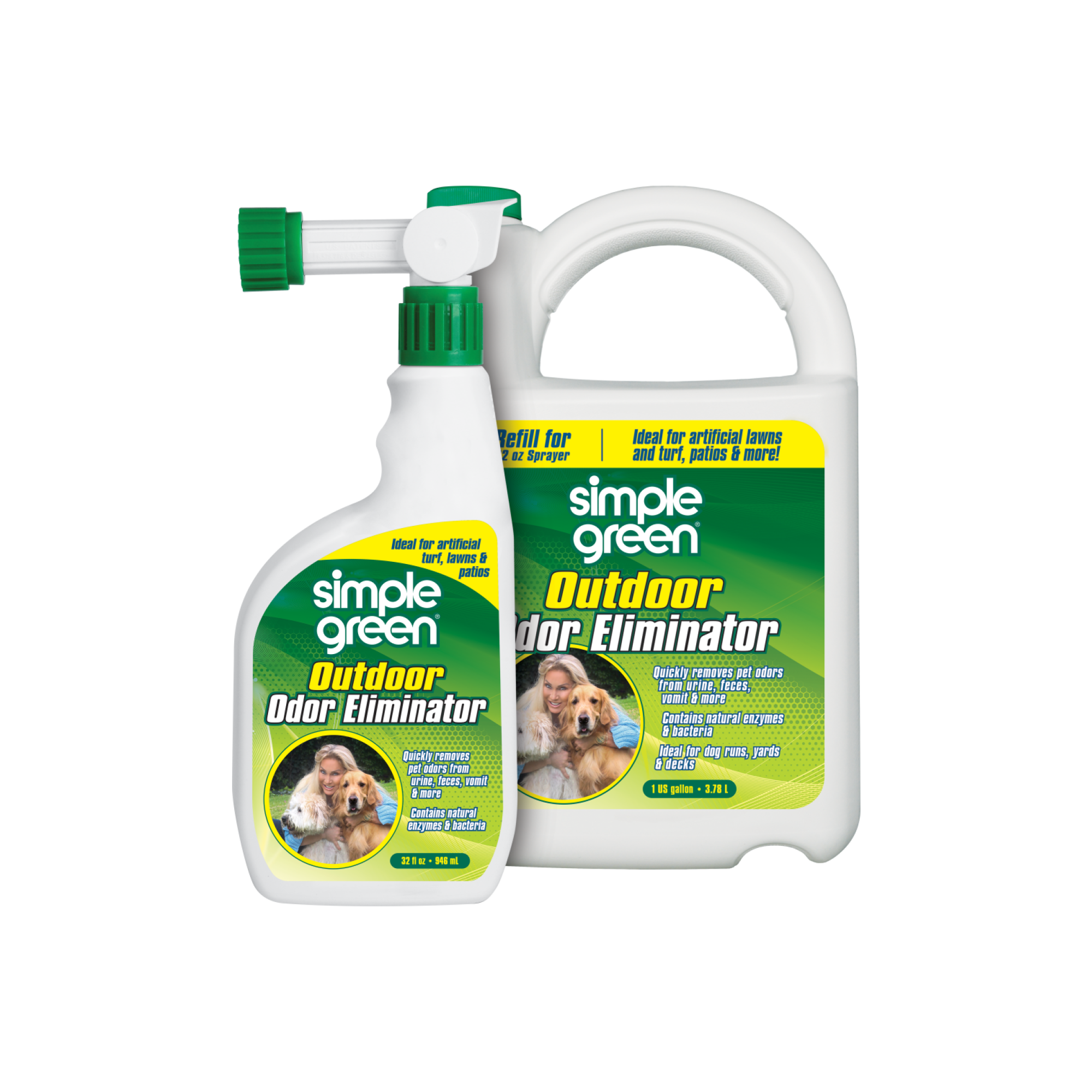
Image Source: cdn.simplegreen.com
The Source of the Stink: Why Dog Waste Smells So Bad
Dog poop smells strong because of what dogs eat and how their bodies break down food. Dog waste is high in protein and nitrogen. When this waste sits out, bacteria start eating it. This process creates gasses like ammonia and hydrogen sulfide. These gasses are what we smell. To stop the smell, we must either remove the source quickly or use natural odor eliminators dog waste that break down these stinky compounds.
Quick Removal: The First Step in Outdoor Odor Control
The absolute best way to stop the smell is to remove the waste immediately. No natural solution works as well as prompt cleanup.
Daily Pickup Routine
Make picking up waste a daily habit. This simple step stops the breakdown process before strong odors build up.
- Use Quality Bags: Choose strong bags. Some modern bags offer compostable dog poop odor control features, which is a bonus for the environment.
- Designated Disposal Area: If you cannot bag it immediately (like in a very large yard), create a specific area for temporary holding before final disposal.
Best Natural Solutions for Dog Feces Odor
Once the bulk of the waste is gone, lingering smells remain, especially in grass or soil. This is where organic methods for dog waste smell outside become very useful.
1. Vinegar: A Powerful Natural Deodorizer
White vinegar is acidic. This acidity helps neutralize the alkaline compounds in the waste that cause bad smells. It is one of the best natural odor eliminators dog waste available.
Application Methods for Vinegar
- Spray Solution: Mix one part white vinegar with one part water in a spray bottle.
- Targeted Spraying: After cleaning up the solid waste, lightly spray the area where the poop sat. Do not soak the grass heavily, just mist the affected spot.
- Drying Time: Let it air dry. The vinegar smell fades quickly as it dries, taking the bad odors with it.
Caution: Vinegar can harm some delicate plants if used heavily. Test a small area first.
2. Baking Soda: Odor Absorption Champion
Baking soda (sodium bicarbonate) is famous for absorbing odors, not just masking them. It works well for backyard dog waste odor absorption.
How to Use Baking Soda
- Wait for Dryness: Ensure the area is relatively dry after a rain or after rinsing lightly.
- Sprinkle Generously: Cover the spot where the waste was left with a good layer of baking soda.
- Let It Sit: Allow the baking soda to sit for several hours, or even overnight. It pulls the smells out of the soil or patio surface.
- Rinse or Sweep: After absorption, you can sweep up the excess or lightly rinse the area with water.
3. Citrus Peels: Masking and Repelling
Citrus scents, like lemon, orange, and grapefruit, are strong and pleasant. While they mostly mask odors, the strong oils can help in the outdoor dog poop smell removal process.
- Toss Fresh Peels: After juicing or peeling fruit, toss the rinds onto the affected area.
- Natural Repellent: Dogs often dislike the strong citrus smell, which can help discourage them from using the same spot repeatedly.
Biological Breakdown: Letting Nature Do the Work
The most earth-friendly dog waste odor control involves speeding up the natural decay process. We want to naturally break down dog poop odor using good bacteria.
Utilizing Beneficial Bacteria and Enzymes
Commercial enzyme cleaners are often used, but you can encourage natural breakdown using simple additions. These products contain microbes that eat the organic matter causing the smell.
DIY Enzyme Booster (Concept)
While creating a powerful enzyme cleaner at home is tricky, you can encourage existing soil microbes:
- Coffee Grounds: Used coffee grounds add nitrogen and organic matter, which feeds the soil bacteria that help break down the waste faster. Sprinkle used grounds lightly over the area.
- Compost Tea: If you make compost tea, applying a light dose to the affected lawn area introduces robust microbes that will work on the lingering organic material.
The Power of Aeration and Soil Health
Healthy soil deals with waste much faster than compacted, dead soil.
- Aerating the Lawn: If waste sits on compacted soil, the smell lingers because oxygen cannot reach the decomposing matter easily. Loosening the soil helps aerobic bacteria thrive. These bacteria break down waste without producing as many smelly gasses.
DIY Dog Poop Smell Neutralizer Yard Solutions
Creating a DIY dog poop smell neutralizer yard system often combines the elements above into a proactive strategy.
Table: Natural Odor Neutralizer Comparison
| Natural Agent | Primary Action | Best For | Application Frequency |
|---|---|---|---|
| White Vinegar Spray | Neutralizes alkaline compounds | Patios, concrete, immediate aftermath | As needed |
| Baking Soda | Absorbs odors from surfaces | Small spots on soil or pavement | After waste removal |
| Used Coffee Grounds | Feeds breakdown microbes, slight masking | Lawn areas | Weekly top dressing |
| Diatomaceous Earth (Food Grade) | Absorbs moisture and odors (use sparingly) | Dry cleanup assistance | Rarely, only when very wet |
Focus on Surfaces
The smell clings differently to grass versus hard surfaces.
Hard Surfaces (Patios, Decks)
Hard surfaces trap bacteria in small pores.
- Scrub: Scrub the area with a stiff brush and soapy water first.
- Rinse: Rinse thoroughly.
- Neutralize: Apply a strong vinegar solution (1:1 water mix) and let it sit for 15 minutes before a final rinse. This is highly effective for outdoor dog poop smell removal on concrete.
Lawn Areas
Lawn odors penetrate the soil.
- Aeration Focus: If you notice persistent smell in one spot, consider lightly spiking the area with a garden fork to allow air in.
- Enzyme Support: Lightly work used coffee grounds or a small sprinkle of topsoil into the area. This encourages the organic methods for dog waste smell outside to work faster.
Managing Waste for Composting and Disposal
For those looking for zero-waste solutions, proper composting is key, but you must manage the smell during the initial stages.
Specialized Waste Digesters
Some systems use specialized microbe packets designed specifically to naturally break down dog poop odor in an enclosed container. These are sealed systems buried in the yard.
- How They Work: You drop the waste into the top. Enzymes and bacteria inside the sealed unit rapidly break down the solids into liquid effluent that harmlessly seeps into the soil, often eliminating odor entirely before it escapes.
- Safety Note: These systems require specific care and should never be used near vegetable gardens, as dog waste carries pathogens that must be fully neutralized.
Odor Control in Temporary Bins
If you temporarily store waste before municipal pickup, odor control is crucial for natural odor eliminators dog waste.
- Lining: Line your temporary bin with activated charcoal liners or a thick layer of sawdust/wood shavings at the bottom. These materials are excellent for backyard dog waste odor absorption.
- Sealing: Always ensure the lid seals tightly.
Advanced Strategies for Persistent Odors
Sometimes, even after cleaning, a faint smell persists, often due to absorbed moisture or deep penetration into mulch or soil.
Utilizing Clay and Sand
Natural absorbent materials can pull out trapped odors.
- Bentonite Clay: This type of clay is highly absorbent. Mixed with water to form a thin slurry and spread over the affected spot, it can pull out deeply trapped organic compounds. Once dry, the clay can be raked away. This is a powerful, yet messy, approach for severe spots.
Herbal Options and Essential Oils (Use with Caution)
While masking odors with oils is common, it’s important to use dog-safe options.
- Rosemary and Mint: Planting these herbs around known problem areas can provide a pleasant, strong scent barrier. Dogs generally dislike these strong herbal smells.
- Eucalyptus (Diluted): A highly diluted spray (less than 1% concentration) of eucalyptus oil mixed with water can add a fresh scent, but never spray concentrated essential oils directly onto surfaces your dog licks or walks on immediately after. Safety first is paramount when looking for safe ways to eliminate dog waste smell outdoors.
Routine Maintenance for Odor Prevention
The best defense against dog poop smell is a strong offense built on routine. Proactive care reduces the need for heavy-duty outdoor dog poop smell removal.
The “Rinse and Refresh” System
After picking up the solids, give the area a quick refresh, especially after rainy weather.
- Solid Removal: Pick up the poop.
- Vinegar Mist: Spray the area with a mild vinegar/water solution.
- Natural Enzymes: Lightly sprinkle coffee grounds or use a natural enzymatic lawn spot treatment designed for pet waste.
This three-step process utilizes natural odor eliminators dog waste and promotes rapid, odorless breakdown.
Soil Health is Odor Health
A thick, healthy layer of grass acts as a natural filter and buffer against smells.
- Fertilize Naturally: Use organic fertilizers (like seaweed or fish emulsion) to keep the grass robust. Strong grass crowds out weeds and handles organic matter better. This supports the overall goal of organic methods for dog waste smell outside.
Comprehending Composting Dog Waste Safely
If you are dedicated to compostable dog poop odor control, you must use specialized methods. Standard home compost piles often do not get hot enough to kill all pathogens found in dog waste (like roundworm eggs).
Dedicated Hot Composting Bins
This requires a separate, dedicated system designed for pet waste. These bins often rely on specific chemical balances and high temperatures to ensure pathogens die off before the material is fully composted.
- The Odor Factor: Odor control in these systems is achieved through proper layering (carbon materials like dry leaves or sawdust) and moisture control. Too much nitrogen (the waste) without enough carbon causes terrible odors. Too much carbon results in slow breakdown.
When managed correctly, these systems lead to inert, safe material, eliminating the smell source entirely using earth-friendly dog waste odor control.
Summary of Natural Odor Killing Techniques
Here is a quick recap of the best natural tools for keeping your yard fresh:
- Speed: Remove solids immediately.
- Neutralize: Use vinegar solutions on hard surfaces.
- Absorb: Use baking soda on stubborn spots.
- Accelerate: Boost soil biology with used coffee grounds.
- Maintain: Keep your lawn thick and healthy.
These approaches offer great alternatives to chemical sprays, focusing on naturally break down dog poop odor and preventing its buildup through simple, safe materials. They are the foundation of effective DIY dog poop smell neutralizer yard management.
Frequently Asked Questions (FAQ)
Can I use lime to get rid of dog poop smell?
While agricultural lime (calcium carbonate) is often suggested for lawns, it should be used with caution around dog waste odor. Lime changes soil pH significantly. While it can help neutralize some odors over time, applying it directly to fresh waste can interfere with the healthy microbes needed to naturally break down dog poop odor quickly. Vinegar or baking soda are safer, more immediate neutralizers.
Will spraying my yard with water kill the smell?
Lightly rinsing the area after pickup helps wash away residues, but heavy watering can sometimes push odor-causing compounds deeper into the soil, making the smell last longer if the area stays too damp. Use water only to rinse surfaces or after applying an absorbent like baking soda.
Are there any natural products specifically sold for backyard dog waste odor absorption?
Yes. Look for products labeled as “Enzymatic Pet Waste Deodorizers” or “Microbial Odor Eliminators.” These contain concentrated cultures of bacteria specifically chosen to digest the waste components quickly, offering superior backyard dog waste odor absorption compared to simple household cleaners. Always verify that the ingredients are listed as pet-safe.
How long does the smell usually last if I don’t clean it up right away?
If the weather is warm and humid, the worst of the ammonia smell can become noticeable within 12 to 24 hours as bacteria multiply rapidly. If left for several days, the odor becomes deeply rooted in the grass blades and surrounding soil, requiring deeper treatment using organic methods for dog waste smell outside.
Can I use essential oils to completely eliminate the smell?
Essential oils are great for masking odors temporarily, but they don’t eliminate the source or the bacteria causing the smell. Furthermore, many popular oils (like tea tree or high concentrations of citrus) can be toxic to dogs if ingested or absorbed through their paws. Use them sparingly and only highly diluted if you choose this method for safe ways to eliminate dog waste smell outdoors.