
If you suspect your dog has sprained his leg, the immediate first step is to look for clear signs of distress, such as limping, swelling, or visible pain when you touch the area. A sprain occurs when ligaments—the tough, fibrous tissues that connect bones to other bones—are stretched or torn, usually due to a sudden twist or fall.
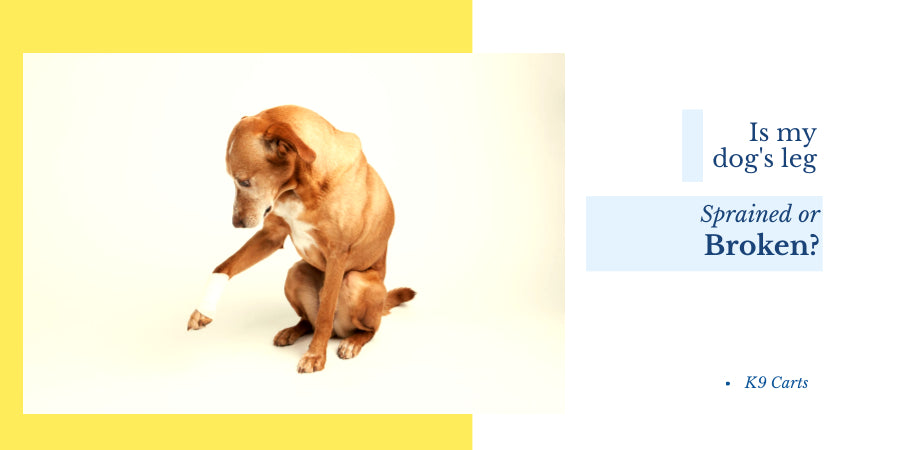
Image Source: k9carts.com
Deciphering the Signs of a Canine Leg Injury
It can be hard to tell exactly what is wrong when your furry friend suddenly starts acting differently. While we often think of severe breaks, minor strains or sprains are very common. Knowing the dog leg injury symptoms helps you decide the best next step for your pet.
Common Indicators of Pain and Instability
When a dog injures a leg, their body language speaks volumes. Pay close attention to how they move and react when you interact with them.
- Limping or Lameness: This is often the first sign. The dog might carry the leg up completely, put only a little weight on it, or shift weight oddly while walking. This is a primary indicator of canine limping causes.
- Holding the Limb Up: In more severe cases, the dog will refuse to put any weight down at all. If your dog is unable to put weight on leg, it demands immediate, careful attention.
- Swelling: Look closely at the joint area—the ankle, knee, or elbow. Swelling often means inflammation is present, which is a key feature of a sprain.
- Tenderness to Touch: If your dog yelps, pulls away, or snaps when you gently examine the injured spot, they are clearly in pain.
- Lethargy or Behavioral Changes: A dog that usually loves to play might suddenly hide or refuse walks. Pain makes dogs quiet and withdrawn.
- Abnormal Posture: They might stand in a stiff way or crouch low to the ground to keep weight off the sore limb.
Distinguishing Between a Sprain and a Break
This is the most critical part of recognizing dog sprain. While both injuries cause pain, a fracture (break) is often more serious and needs urgent medical help.
| Symptom Feature | Likely Sprain (Ligament Stretch/Tear) | Likely Fracture (Broken Bone) |
|---|---|---|
| Weight Bearing | Reluctant to put weight on it; might try eventually. | Often completely unable to put weight on it. |
| Swelling | Mild to moderate, usually focused around a joint. | Rapid, severe swelling, sometimes visible deformity. |
| Sound at Injury | Usually none, or perhaps a soft pop. | Often an audible snap or crack at the moment of injury. |
| Deformity | Joint might look slightly out of place or bumpy. | Limb may appear visibly bent at an unnatural angle. |
| Pain Level | Moderate to severe, but sometimes eases with rest. | Usually severe and constant, worsening with any movement. |
If you see signs pointing toward a fracture, such as a limb hanging oddly or extreme, unrelenting pain, skip home care and go to the emergency vet right away.
Why Do Dogs Sprain Their Legs?
Sprains happen when the structures supporting a joint are overstressed. Knowing the causes helps prevent future injuries. Many canine limping causes stem from routine activities gone wrong.
Sudden Twists and Jumps
The most frequent cause is an accident during play or exercise.
- Misjudged Jumps: Landing awkwardly after jumping off furniture or catching a frisbee too hard.
- Slipping: Sliding on wet floors, slick ice, or loose gravel can cause a sudden, unnatural wrenching motion in a joint.
- Rough Play: Wrestling too vigorously with another dog can lead to a misplaced step or awkward pivot.
Overuse and Repetitive Stress
While acute trauma is common, some injuries develop over time.
- Intense Activity: Dogs, especially young, fast ones, that are pushed too hard without proper conditioning can develop minor strains that become chronic issues.
- Underlying Issues: Sometimes, a pre-existing condition, like early arthritis or hip dysplasia, makes a dog more prone to spraining a relatively healthy joint because they put too much compensating pressure on it.
Initial Care: What to Do Right After Injury
If you see your dog suddenly start favoring a leg, the principle of immediate first aid applies: Rest, Ice, Compression, Elevation (RICE), adjusted for dogs.
Immediate Steps for Injury Management
Your goal right away is to stop further damage and manage the pain.
Rest is Essential
Restrict your dog’s movement completely. This is the most important step for dog favoring leg remedies.
- Leash walk only to go potty.
- Keep them confined to a small, safe area like a crate or a small, carpeted room.
- No running, jumping, or playing for at least 24–48 hours.
Applying Cold Therapy
Cold helps reduce swelling and numbs the pain. This is key for dog paw swelling treatment if the paw or ankle is the affected area.
- Wrap an ice pack or a bag of frozen peas in a thin towel. Never apply ice directly to the skin.
- Apply the cold pack to the swollen or painful area for 10 to 15 minutes.
- Repeat this process every few hours for the first day or two.
Gentle Examination
While your dog is calm, gently check the limb, but stop immediately if they show severe pain.
- Feel for heat radiating from the joint.
- Look for obvious deformities.
- Gently move the joint through its normal range of motion only if the dog allows it easily. Do not force movement.
Home Care for Mild Sprains: Dog Sprained Ankle Home Care
If the limping is mild, the dog is still using the leg somewhat, and there is no obvious break, you can try short-term home care. This is often appropriate for minor strains or dog sprained ankle home care situations.
Creating a Comfortable Recovery Environment
Recovery requires patience. Ensure your dog is comfortable while resting.
- Supportive Bedding: Use soft, orthopedic bedding that cushions the joints.
- Ramps Over Stairs: If your dog must navigate stairs, use ramps or carry them to avoid putting stress on the injured leg.
- Keep Them Warm: A warm, draft-free spot helps soothe sore muscles and joints.
When to Use Dog Leg Pain Relief
For mild discomfort, certain safe remedies can help manage inflammation, but always consult your vet before giving any medication. Human pain relievers like ibuprofen or acetaminophen are toxic to dogs.
Your veterinarian might prescribe:
- NSAIDs (Non-Steroidal Anti-Inflammatory Drugs): Medications like carprofen or meloxicam specifically target canine inflammation and pain safely.
- Joint Supplements: Glucosamine and chondroitin can support joint health during recovery.
Seeking Professional Help: When to See Vet for Dog Limp
While minor stiffness might resolve in a day or two, certain signs mean it is time to call the professional. Knowing when to see vet for dog limp prevents minor injuries from becoming major problems.
Red Flags Requiring Immediate Veterinary Attention
Do not delay a vet visit if you notice any of the following:
- Inability to Bear Weight: If the dog is completely unable to put weight on leg for more than a few hours.
- Severe Swelling or Bruising: Rapid, large swelling often indicates significant internal damage or bleeding.
- Limping Worsens: If the pain is getting worse instead of better after 24 hours of rest.
- Open Wound: If the injury involved a cut or puncture near the joint.
- Limping Persists: If the limp lasts longer than 48 hours, even if it seems mild.
The Veterinary Examination Process
When you arrive at the clinic, your vet will perform a thorough check.
Physical Assessment
The vet will watch your dog walk, then gently manipulate the joints. They check for instability, pain response, and range of motion. They will also check the dog’s temperature and general demeanor to rule out infection or systemic illness.
Diagnostic Imaging
If the injury seems moderate or severe, X-rays are usually necessary. These help differentiate between a sprain (soft tissue injury) and a fracture (bone injury). Sometimes, joint effusion (fluid buildup) or subtle hairline fractures only show up on specialized imaging.
Recovery and Rehabilitation After Diagnosis
Once the vet confirms a sprain, the recovery plan focuses on controlled healing. Recovery time varies greatly depending on the severity—Grade 1 (mild stretch) might take one week, while Grade 3 (complete tear) could require months of management.
Managing the Healing Phase
Strict adherence to the vet’s plan is crucial for full recovery.
- Strict Crate Rest: This is often ordered for several weeks, even for seemingly minor sprains. This prevents the dog from re-injuring the healing ligament.
- Controlled Leash Walks: When rest is eased, walks should be short, slow, and on a leash only. No free running allowed until cleared by the vet.
- Bandaging or Bracing: For some ankle or lower leg sprains, the vet might apply a temporary supportive bandage or recommend a brace to stabilize the joint while healing.
Physical Therapy for Strength Building
Once the initial pain subsides, regaining muscle strength is vital to support the recovering joint. This prevents long-term weakness or re-injury.
Canine Physical Therapy Options:
- Passive Range of Motion (PROM): Gently moving the joint through its non-painful range while the dog is relaxed. This keeps the joint from becoming stiff.
- Hydrotherapy (Underwater Treadmill): Water provides buoyancy, allowing the dog to walk and build strength without putting full weight on the leg. This is excellent for building muscle mass safely.
- Therapeutic Exercises: Simple exercises like walking over cavaletti poles (low bars) or short periods of controlled trotting help retrain normal gait patterns.
These exercises are part of long-term dog leg pain relief strategy, ensuring the limb fully recovers its function.
Long-Term Considerations for Joint Health
A sprain, especially a severe one, can sometimes predispose a dog to future joint problems, like early arthritis in that specific joint. Focusing on overall joint health is smart preventative medicine.
Maintaining a Healthy Weight
Excess body weight puts added strain on all joints, making recovery slower and increasing the risk of future issues. Work with your vet to maintain your dog at an ideal body condition score.
Nutritional Support
Discussing supplements with your vet can be beneficial even after recovery. Look for products containing:
- Omega-3 Fatty Acids (Fish Oil): Powerful natural anti-inflammatories.
- Glucosamine and Chondroitin: To support cartilage repair and maintenance.
FAQ: Addressing Common Worries About Dog Leg Injuries
Can a dog sprain his leg just by sleeping wrong?
It is unlikely that sleeping alone causes a full sprain, but sleeping in an awkward position for too long could cause temporary stiffness or minor muscle strain, especially in older dogs. Major sprains usually require a sudden twist or impact, even if it seems minor at the time.
How long does it take for a mild dog sprain to heal?
A Grade 1 sprain (mild stretching) in a young, healthy dog might start improving within 3 to 5 days, with full recovery in about two weeks with minimal restriction. However, always follow your vet’s specific timeline, which is based on the severity of the actual tissue damage.
Are there any safe home remedies for dog paw swelling treatment?
Yes, the primary safe home remedy is cold therapy (ice packs wrapped in a towel for 10-15 minutes every few hours for the first 48 hours). Gentle massage only if the dog shows no pain, and absolute rest are also critical home care steps for managing dog paw swelling treatment. Never apply heat until you are sure there is no acute inflammation.
What is the difference between dog favoring leg remedies and actual treatment?
Dog favoring leg remedies at home (like rest and ice) are emergency first aid aimed at reducing immediate pain and preventing further damage. Actual treatment involves a diagnosis from a vet, which may include prescription medication, specialized bracing, or physical therapy tailored to the diagnosed injury grade. Home remedies manage symptoms; veterinary care addresses the cause.
If my dog is acting normal but still limps a little, should I still go to the vet?
Yes. Even a little bit of lingering lameness after 24 hours of rest warrants a vet check. This mild, persistent limp can signal a Grade 2 sprain or something else entirely, like a torn toenail or a mild ligament tear that needs targeted support to prevent it from becoming chronic. Knowing the signs of dog fracture vs sprain is hard for owners, so a professional evaluation ensures you are treating the right issue.