
Yes, dogs pant when they sleep, but if your dog is panting heavily or frequently at night, it can mean many things. Panting is how dogs cool down and also how they show stress or pain. When it happens often at night, it needs attention.
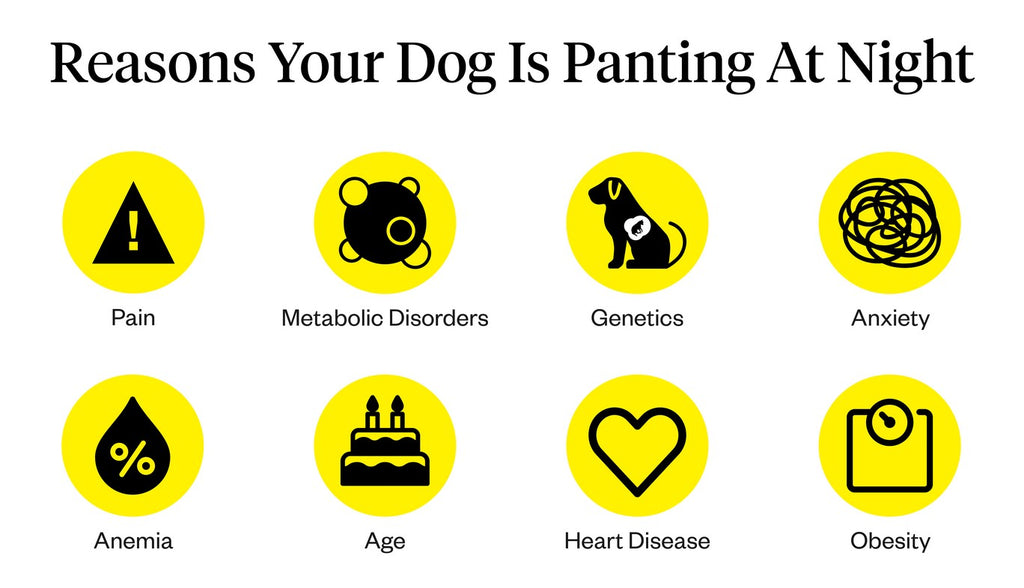
Image Source: cdn.shopify.com
Grasping Normal vs. Excessive Nighttime Panting
All dogs pant. It’s normal. They don’t sweat much through their skin like people do. Instead, they use their breath to release heat. This is called evaporative cooling. If your dog just breathes a little faster for a few moments, that is usually fine.
However, dog heavy breathing at night that sounds labored or lasts a long time is not normal. It signals something else is happening. We need to look closely at the reasons behind this change in behavior.
When Should You Not Worry?
Sometimes, a little extra panting at night is okay. Think about what happened during the day.
- Recent Exercise: If your dog had a very long walk or a hard play session late in the day, they might still be cooling down when they sleep.
- Warm Environment: If your bedroom is too hot, even slightly, your dog will pant more to regulate its body temperature.
- Exciting Dreams: Just like people, dogs can have exciting dreams. This can cause some brief, light panting.
Deciphering Nighttime Panting Triggers
When panting becomes a regular issue, we move into looking at specific nighttime panting in dogs causes. These causes range from simple environmental factors to serious health concerns.
Environmental Factors
The room temperature is the simplest thing to check first. Dogs handle heat poorly, especially brachycephalic (flat-faced) breeds like Pugs or Bulldogs.
- Room Temperature: Is the air conditioning on? Is the room stuffy? Even small changes can trigger panting.
- Bedding: Heavy blankets or beds that trap heat can make a dog overheat quickly while resting.
- Humidity: High moisture in the air makes it harder for the panting process to cool the dog down effectively.
Stress and Anxiety
Dogs often feel more vulnerable at night. Changes in routine or separation anxiety can lead to noticeable signs when the house is quiet. Why is my dog restless and panting at night is often answered by anxiety.
- Separation Anxiety: If your dog sleeps alone, away from the family, they might feel worried.
- New Environment: Moving houses or even just a change in sleeping arrangements can cause stress.
- Noise: Distant noises, storms, or fireworks that you might not notice can keep a dog anxious and panting.
Common Medical Reasons for Dog Panting at Night
When stress and heat are ruled out, we must look at medical reasons for dog panting at night. Panting is a primary sign of pain or discomfort in dogs.
Pain: If your dog is in pain, they often cannot settle down comfortably. They may pant heavily while shifting positions. This pain could come from arthritis, an injury, or internal issues.
Respiratory Issues: Problems with the lungs or airways make breathing harder. When a dog struggles to get enough air, they pant to try and compensate. This often results in dog panting loudly at night no apparent reason.
Heart Disease: When the heart struggles to pump blood efficiently, the body doesn’t get enough oxygen. The dog pants to try and get more air into its system to fix this low oxygen state. This is a very serious cause of excessive panting in dogs sleep.
Cushing’s Disease (Hyperadrenocorticism): This disease involves the overproduction of cortisol. A major symptom is excessive thirst and urination, often accompanied by noticeable panting, even when resting.
Canine Cognitive Dysfunction (Doggy Dementia): Older dogs can develop this condition. Confusion, pacing, and heavy panting, especially at night when they feel disoriented, are common signs.
Investigating Excessive Panting in Sleep
If you find yourself asking, “Should a dog pant when sleeping?” often enough to worry, it’s time to observe closely. A slight puff of breath is fine; deep, rapid, continuous panting is not.
Signs Your Dog Is Uncomfortable
Look beyond just the breathing. What else is happening? Dog panting and whining at night often go together, signaling distress.
| Behavior Sign | What It Might Mean |
|---|---|
| Restlessness/Pacing | Pain or severe anxiety |
| Heavy Drooling | Nausea or extreme heat stress |
| Shaking or Trembling | Pain or fear |
| Trying to Get Up Repeatedly | Inability to find a comfortable spot (pain) |
| Lethargy During the Day | Underlying illness affecting energy levels |
Brachycephalic Breeds: A Special Case
Flat-faced breeds have shortened airways. This makes panting less efficient for them, meaning they overheat and struggle to breathe more easily than long-nosed breeds. If you have one of these breeds, any nighttime panting needs swift action.
What To Do When Your Dog Is Panting Heavily
If you notice your dog panting heavily at night, your first steps involve immediate comfort and environmental checks. Then, you need to plan for veterinary care.
Immediate Steps: How to Cool Down a Panting Dog at Night
If the panting is sudden and intense, assume the dog is too hot or anxious first.
- Check the Air: Immediately turn on a fan or air conditioner. Lower the thermostat a few degrees.
- Offer Water: Provide cool, fresh water. Do not give ice water, as very cold drinks can sometimes cause stomach upset.
- Move to a Cooler Spot: If your dog sleeps in a crate or on a high bed, gently encourage them to lie on a cool surface like tile or hardwood floor.
- Use a Cool Compress (If Necessary): If the panting is extreme and you suspect heat stroke (though rare indoors), gently place a cool (not icy) wet cloth on the dog’s chest or belly. Avoid wrapping them in wet towels, as this can trap heat.
When To Worry About Dog Panting at Night
It’s crucial to know when to worry about dog panting at night. If the panting lasts longer than 20 minutes after cooling the room, or if you see these red flags, call your vet immediately:
- Gums look pale, blue, or bright red.
- The panting is accompanied by wheezing or gasping.
- The dog cannot settle down for hours.
- The dog is drooling excessively or vomiting.
- The dog seems confused or stumbles when trying to walk.
If your dog often seems restless and panting at night, schedule a general check-up soon. You may need deeper tests to find the root cause.
Veterinary Diagnostics for Persistent Panting
When panting is chronic, a veterinarian will need to run tests. Be prepared to tell your vet exactly when the panting occurs, how long it lasts, and any other changes you have noticed.
Physical Exam and History
The vet will first listen to your dog’s heart and lungs carefully. They will check the mucous membranes (gums) for color and capillary refill time. They will ask detailed questions about diet, medications, and recent activities.
Common Diagnostic Tests
Depending on initial findings, several tests might be suggested to pinpoint medical reasons for dog panting at night:
- Blood Work: A complete blood count (CBC) and chemistry panel can show signs of infection, anemia, or issues with organ function (like kidney or liver disease), which can all lead to panting.
- Urinalysis: This checks kidney function and looks for signs of diabetes, which causes increased thirst and panting.
- Chest X-rays (Radiographs): These are vital for checking the size and shape of the heart and looking for fluid in the lungs, which points toward heart failure.
- Ultrasound: This can provide a detailed look at the heart (echocardiogram) or internal organs to check for masses or inflammation.
- Thyroid Panel: Thyroid issues can affect metabolism and cause panting.
Treating the Underlying Condition
Treatment depends entirely on the diagnosis:
- For Pain: Pain management medication (NSAIDs or others) can significantly improve nighttime rest.
- For Heart Disease: Medications like diuretics or ACE inhibitors help the heart pump more effectively, reducing the strain that causes panting.
- For Anxiety: Behavioral modification, calming supplements, or prescription anti-anxiety medication may be recommended.
Managing Anxiety and Stress as Nighttime Panting Causes
If the vet clears your dog of serious illness, focus shifts to behavior and environment management. Addressing anxiety is key when dealing with dog panting and whining at night.
Creating a Calming Bedtime Routine
Consistency helps dogs feel safe. A predictable routine signals that it is time to relax.
- Quiet Time Before Bed: Avoid rough play or exciting training sessions in the hour leading up to bedtime.
- Potty Break: Ensure your dog has emptied its bladder and bowels right before settling down. Discomfort can cause panting.
- Comfortable Den: Provide a safe, dark, and moderately cool sleeping area. Some dogs prefer being near their owners, while others feel safer in a designated crate or corner.
Using Calming Aids
Several tools can help soothe an anxious dog prone to excessive panting in dogs sleep:
- Pheromone Diffusers: Products that release synthetic dog-appeasing pheromones (DAP) can create a calming atmosphere in the sleeping area.
- White Noise Machines: A gentle, constant sound can mask sudden outside noises that might startle or worry your dog.
- Thundershirts: These apply gentle, constant pressure, which many dogs find reassuring, similar to swaddling a baby.
Addressing Separation Issues
If anxiety stems from being alone at night, work on gradual desensitization during the day. Practice leaving the dog alone for very short periods and reward calm behavior upon return. Never make a big fuss when leaving or arriving, which reinforces the drama of your absence.
Breeds Prone to Nighttime Panting
Certain dogs are biologically more likely to pant or suffer from conditions that cause it. Recognizing if your breed is predisposed helps you monitor them better.
| Breed Group | Predisposition | Why They Pant More |
|---|---|---|
| Brachycephalic Breeds (Pugs, Bulldogs) | Respiratory Distress | Malformed airways cannot cool efficiently. |
| Large/Giant Breeds (Great Danes, Boxers) | Heart Issues | More prone to certain types of heart disease (e.g., Dilated Cardiomyopathy). |
| Older Dogs (All Breeds) | Cognitive Decline, Arthritis | Pain and confusion naturally increase nighttime arousal and panting. |
| Working/Herding Breeds | High Energy Levels, Anxiety | Need more physical and mental stimulation; may struggle with inactivity. |
If you own one of these breeds and notice dog panting loudly at night no apparent reason, prioritize a vet visit sooner rather than later, as underlying conditions are more common.
Final Thoughts on Nighttime Breathing
Nighttime panting in dogs moves from a minor curiosity to a major concern when it interrupts sleep regularly or is accompanied by other symptoms. It is the body’s way of signaling that something is wrong—whether it’s simply being too warm or dealing with a serious health issue.
Regular check-ups are your best defense. If you see changes, act on them promptly. By carefully observing the environment, behavior, and frequency, you can take the right steps, from adjusting the thermostat to seeking urgent medical care, ensuring your beloved companion gets the peaceful rest they need.
Frequently Asked Questions (FAQ)
Is it normal for my puppy to pant a lot at night?
Puppies may pant more than adult dogs if they are too warm or if they have just finished a long period of energetic play. However, excessive panting in a puppy, especially if they are restless, warrants a vet check. Puppies can dehydrate quickly, and panting uses up moisture reserves.
Can medications cause my dog to pant at night?
Yes, some medications can increase thirst, cause restlessness, or even directly affect the respiratory or nervous systems, leading to increased panting. Always review your dog’s current medication list with your veterinarian if you notice new side effects like excessive panting in dogs sleep.
My dog pants and shakes when sleeping. What does that mean?
Panting combined with shaking or trembling usually indicates that the dog is experiencing significant discomfort. This is often due to pain (like arthritis flaring up at night) or severe anxiety/fear. Contact your vet to assess for pain management needs.
How long should I wait before calling the vet about panting?
If the panting is mild, lasts only a few minutes, and resolves with minor cooling or comfort adjustments, you can monitor it for a few days. However, if the panting is heavy, rapid, lasts longer than 30 minutes, or is combined with any labored breathing, confusion, or extreme restlessness (making you ask, Why is my dog restless and panting at night?), seek immediate veterinary advice.
Is it bad if my dog pants when having intense dreams?
A little puffing or light panting during vivid dreams is generally harmless, similar to humans twitching or making small noises. It becomes a problem only if the panting is deep, loud, and causes the dog to wake up frequently or seem distressed.
What is the best way to know if my dog is too hot at night?
Feel your dog’s ears and paw pads; if they feel noticeably hot to the touch, the dog is likely too warm. Also, check if the dog is actively trying to move to a cooler spot or constantly seeking relief. If you are how to cool down a panting dog at night, focus first on lowering the ambient room temperature.