
Can I clean my dog’s breath at home? Yes, you can clean your dog’s breath at home using various methods, including brushing, dental sprays, and dietary changes, often seeing fast results for mild cases.
Bad breath in dogs, medically known as halitosis, is more than just a minor annoyance. It’s often a signal that something needs attention in your dog’s mouth or overall health. Getting rid of that smelly odor involves tackling the root causes. We will explore what causes the smell, quick fixes, and long-term strategies to keep your dog’s mouth fresh.
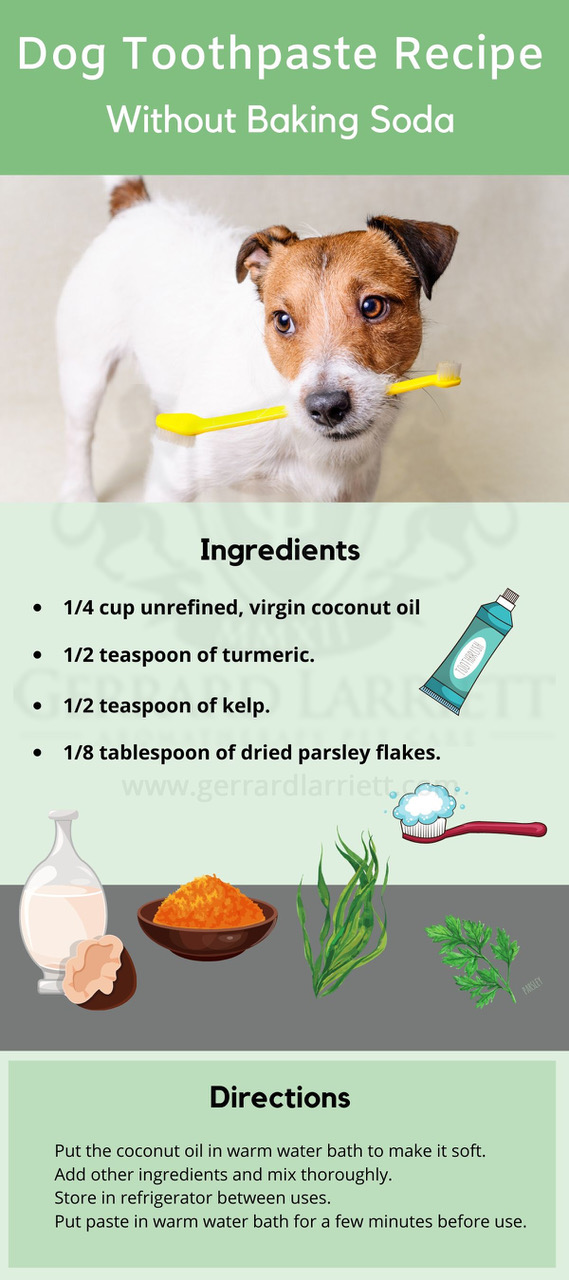
Image Source: www.gerrardlarriett.com
Fathoming Dog Breath Odor Causes
To truly fix the problem, we must know why your dog’s breath smells bad. Most bad breath stems from bacteria buildup in the mouth. These tiny germs feast on food bits left behind. As they break down these particles, they release foul-smelling gasses.
Plaque and Tartar Buildup: The Main Culprit
When food mixes with saliva, it forms plaque. Plaque is soft and sticky. If you don’t remove it, it hardens into tartar. Tartar is rough and rough. It gives bacteria a perfect place to hide and multiply.
This buildup often happens first near the gum line. This irritates the gums, leading to inflammation called gingivitis. This is a common source of dog bad breath remedies focus on removing this gunk.
Gum Disease: A Serious Issue
If gingivitis is ignored, it worsens into periodontal disease. This is much more serious. Bacteria start to eat away at the tissues holding the teeth in place. Pockets form around the teeth. These deep pockets trap even more bacteria and debris. This level of infection causes very strong, foul odors. If you suspect this, see your vet right away.
Food Traps and Poor Diet
What your dog eats plays a big role. Bits of food stuck between teeth or trapped in the gums will rot. Some dog foods are high in low-quality fillers. These break down poorly and can add to bad breath.
Underlying Health Problems
Sometimes, bad breath is not just about the mouth. Certain health issues can change how your dog’s breath smells.
| Smell Type | Possible Health Issue | What It Means |
|---|---|---|
| Very sweet or fruity | Diabetes | Too much sugar in the blood. |
| Foul, like urine or ammonia | Kidney disease | Kidneys are not filtering waste well. |
| Strong, very rotten smell | Liver problems | The liver is struggling to process toxins. |
| Fishy smell | Anal gland issues | Sometimes related, though less common for breath alone. |
If the smell is sudden, very strong, or unusual, these signals point toward needing vet recommended dog breath treatments.
Fast Fixes for Smelly Paws
When you need a quick improvement, these methods offer rapid results. They manage the surface bacteria and debris quickly.
Wiping Away Surface Odor
For very mild odor, a simple wipe can help temporarily.
- Using a Damp Cloth: Gently wipe your dog’s gums and teeth with a clean, damp cloth wrapped around your finger. This removes loose food particles immediately.
- Quick Chew Toys: Providing a safe chew toy can help scrape off some fresh plaque as the dog chews.
Immediate Oral Rinses
You can use simple rinses for an instant refresh. Dog mouthwash for bad breath solutions work by neutralizing immediate odor-causing compounds.
- Plain Water Rinse: After meals, letting your dog drink a bowl of fresh water helps wash away loose food.
- Coconut Oil Swab: Some owners find rubbing a small amount of organic coconut oil on the gums can help soothe irritation and temporarily mask the odor.
Long-Term Strategies to Stop Dog Halitosis
To truly stop dog breath odor for good, you need a consistent routine. This focuses on prevention and deep cleaning.
The Gold Standard: Brushing Dog’s Teeth
Brushing dog’s teeth is the single most effective way to manage bad breath long-term. It physically removes plaque before it hardens.
Choosing the Right Tools
You must use products made for dogs. Human toothpaste contains fluoride and xylitol, which are toxic to dogs.
- The Best Dog Toothpaste: Look for enzymatic toothpaste. These pastes have enzymes that keep working even after you stop brushing. They break down plaque chemically. This is key for effective cleaning. Look for flavors dogs enjoy, like poultry or beef. This makes the process much easier.
- Toothbrushes: Use a soft-bristled brush designed for pets. Finger brushes work well for small dogs or beginners. For larger dogs, a regular long-handled dog toothbrush is better.
How to Brush Effectively
Start slow. Your goal is to make this a positive experience.
- Introduce the Taste: Let your dog lick the best dog toothpaste off your finger first.
- Familiarize with the Brush: Let them sniff and lick the brush next.
- Target the Outside: Start by brushing only the outside surfaces of the teeth. This is where plaque builds up the most. Gently lift the lip.
- Focus on the Back Teeth: The large back teeth (molars) do most of the chewing. They collect the most debris. Spend time here.
- Short Sessions: Begin with just 30 seconds total. Work up to one minute per side. Aim for brushing daily, but three times a week is a good minimum goal.
Exploring Natural Dog Breath Fresheners
Many owners prefer natural dog breath fresheners to reduce chemical exposure. These work by balancing the oral environment or providing ingredients that fight bacteria naturally.
Dietary Additions
What you put in your dog’s bowl matters greatly.
- Probiotics: Good gut health often reflects in good breath. Adding canine-specific probiotics can balance the bacteria in the whole system, including the mouth.
- Parsley (in moderation): Fresh parsley contains chlorophyll, a natural deodorizer. Chop a tiny bit and mix it into their food occasionally. Be careful not to overdo it.
- Yogurt: Plain, unsweetened yogurt (with live active cultures) can introduce good bacteria to the mouth, helping crowd out the bad actors.
Coconut Oil and Apple Cider Vinegar (ACV)
These are popular homemade dog breath solutions.
- Coconut Oil: Adding a teaspoon (or less, depending on dog size) of virgin coconut oil to food may help with minor inflammation and fight yeast overgrowth, a sometimes overlooked breath cause.
- Diluted ACV Rinse: ACV has antimicrobial properties. Never give it straight. Mix one teaspoon of ACV into one cup of water. Use this solution sparingly as a final rinse after regular brushing, or add a tiny amount to their water bowl occasionally. Too much can upset the stomach.
Utilizing Sprays and Water Additives
For dogs who absolutely refuse brushing, these products provide chemical support to manage odors between cleanings.
Dog Dental Spray
A dog dental spray is a quick way to apply antimicrobial agents directly to the mouth surfaces. Look for sprays containing zinc, chlorhexidine (if prescribed), or specialized enzymatic blends. A quick spritz twice a day can help control surface bacteria between brushings. These are excellent spot treatments when you cannot fully brush.
Water Additives
These are solutions mixed directly into your dog’s drinking water. They are very easy to use. Many effective commercial products are available. They often contain zinc salts or stabilized chlorine dioxide, which neutralize sulfur compounds (the source of the bad smell). They offer low-effort, continuous defense against odor.
Professional Dental Care: When Home Care Isn’t Enough
If you have tried everything, and the smell persists, it is time for professional help. This is where the most powerful vet recommended dog breath treatments come into play.
The Importance of Veterinary Checkups
Your veterinarian performs a thorough oral exam. They check for issues you cannot see, like abscesses forming beneath the gum line or teeth fractured below the gum.
Professional Dental Cleaning (COHAT)
This is the definitive treatment for established periodontal disease. COHAT stands for Comprehensive Oral Health Assessment and Treatment.
- Anesthesia: This procedure requires general anesthesia. Anesthesia is necessary so the vet can safely and completely examine every surface of every tooth, including the hard-to-reach back ones.
- Scaling and Polishing: The vet uses ultrasonic tools to remove hardened tartar above and below the gum line. Then, the teeth are polished, just like human teeth. Polishing smooths the surface, making it harder for plaque to stick again quickly.
- Dental X-Rays: X-rays are crucial. They show bone loss and root damage hidden beneath the gums. This dictates any necessary extractions.
After a deep cleaning, your dog’s breath should dramatically improve within days. The long-term success then relies on strict home care.
Choosing the Right Products for Long-Term Freshness
The market is flooded with products claiming to fix the issue. We need to sort through them to find what truly works to stop halitosis.
Table: Product Comparison for Oral Hygiene
| Product Type | How It Works | Effectiveness | Ease of Use | Best For |
|---|---|---|---|---|
| Toothbrush & Paste | Physical removal of plaque | Highest | Low (Requires effort) | Daily routine, severe cases |
| Dental Wipes | Surface plaque removal | Medium | High | Quick cleanups, sensitive dogs |
| Water Additives | Chemical neutralization of odor | Medium to High | Very High | Maintenance, mild cases |
| Dental Chews/Treats | Mechanical scraping action | Medium | High | Supplementary cleaning |
| Dog Dental Spray | Topical enzyme/antiseptic action | Medium | High | Between brushings, quick fixes |
Dental Chews and Treats
Dental chews work via abrasion. As your dog chews, the texture scrapes the tooth surface. Look for chews approved by the Veterinary Oral Health Council (VOHC). This seal means the product has been tested and proven to reduce plaque or tartar. These are great additions but should not replace brushing dog’s teeth.
Diet Choices Matter
Switching to prescription dental diets can make a huge difference. These kibbles are specially designed. They are often larger and shaped differently. When the dog bites down, the food structure breaks apart in a way that scrapes the tooth surface clean instead of crumbling immediately.
Troubleshooting Persistent Bad Breath
Sometimes, you clean, you treat, but the smell returns quickly. This often points to a specific localized issue.
Inspecting for Foreign Objects
Dogs sometimes pick up things they shouldn’t. A small piece of bone fragment, a hard bit of plastic, or even a piece of rawhide can get lodged between teeth or under the gum flap. This trapped debris rots quickly, leading to intense, localized bad breath. Check carefully, especially around the back molars.
Dealing with Tooth Resorption
Older dogs are prone to tooth resorption. This is where the tooth structure starts to dissolve from the inside out. It causes intense pain and infection, leading to severe odor. Only a vet can diagnose and treat this complex issue.
Anal Gland Connection
Though usually associated with scooting, sometimes anal gland issues can contribute to general odor, making the breath smell off. If you notice excessive licking of the rear end along with the bad breath, mention it to your vet.
Implementing a Routine: Success Through Consistency
Stopping bad breath for good is about routine, not magic fixes. Create a manageable schedule.
Daily Tasks (The Must-Dos)
- Water Check: Ensure fresh water is always available. Add a water additive if you use one.
- Tooth Brushing (Goal): Aim for brushing at least 4-5 times a week using the best dog toothpaste. If you cannot brush daily, use a dog dental spray immediately after meals.
Weekly Tasks
- Deep Wipe: Use a dental wipe to clean areas the brush might miss.
- Treat Time: Give a VOHC-approved dental chew.
Monthly/Bimonthly Tasks
- Dietary Review: Check if you need to refresh homemade dog breath solutions like adding probiotics or checking yogurt usage.
- Visual Inspection: Lift the lips and look closely at the gum line. Are there red spots? Any yellow buildup? Catching problems early saves stress later.
By integrating these steps, you move beyond temporary fixes and address the core dog breath odor causes. This consistent approach is how you truly stop dog halitosis.
FAQ Section
Q: How quickly can I expect dog breath to improve after cleaning?
A: If the cause was just stuck food or surface plaque, you might notice a big improvement within 24 hours after a thorough brushing or using a strong dog mouthwash for bad breath. If the issue is deeper infection (periodontal disease), it may take several days post-professional cleaning for the smell to fully resolve.
Q: Are essential oils safe to use as natural dog breath fresheners?
A: Be extremely cautious. Many essential oils are toxic to dogs, even when diffused or used topically in concentrated forms. Stick to established, pet-safe ingredients like chlorophyll from parsley or safe enzymes in commercial products. Always consult your veterinarian before using any essential oil on or near your pet.
Q: My dog hates having his teeth brushed. What are the best dog bad breath remedies that don’t involve a toothbrush?
A: If brushing is impossible, focus heavily on water additives and VOHC-approved dental chews. Utilizing a dog dental spray several times a day can offer targeted help. While these are less effective than brushing, they are vastly better than doing nothing. Remember that severe odor usually requires professional dental care, as non-brushing methods cannot remove hardened tartar.
Q: Can bad breath be a sign of something serious besides dental trouble?
A: Yes. As noted, distinctly sweet breath can signal diabetes. A smell like ammonia or urine suggests kidney issues. If you notice any unusual breath odor alongside changes in eating, drinking, or energy levels, seek veterinary attention immediately for diagnosis of underlying issues requiring vet recommended dog breath treatments.