
Can I stop a dog seizure naturally? While you cannot stop a seizure that is already happening, there are immediate first aid steps you should take to keep your dog safe. This guide will walk you through exactly what to do during a dog fit and when professional help is vital.
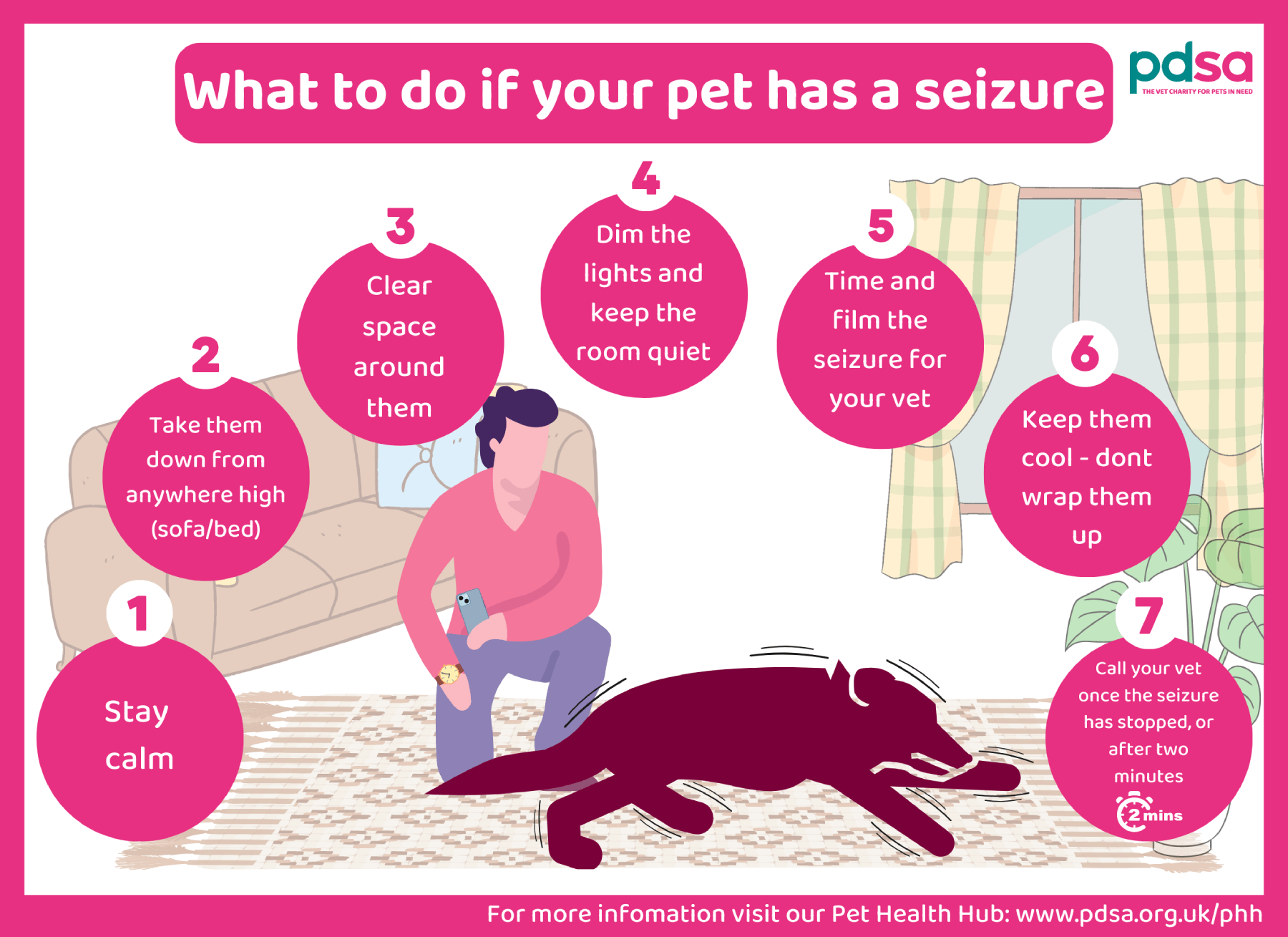
Image Source: www.pdsa.org.uk
Immediate Steps: Dog Seizure First Aid in Action
A seizure is scary. Your dog might look like they are losing control. They might shake, jerk, or even seem unaware of you. Knowing what to do right away can prevent injury to your pet. This is your dog seizure first aid plan.
Prioritize Safety First
The very first thing you must do is keep your dog safe. They cannot control their body during a fit. They might bite or thrash without meaning to.
- Stay Calm: Take a deep breath. Your panic will not help your dog.
- Move Hazards Away: Look around quickly. Move any furniture, sharp objects, or stairs away from your dog. You want a soft, clear space.
- Do Not Hold Them Down: Never try to grab or hold your dog still. This can hurt them and you.
- Protect the Head: Gently place a soft towel or jacket under their head if possible. This acts as a small pillow.
Timing the Event
Keeping track of time is crucial for the vet. Knowing how long do dog seizures last helps determine the severity.
- Start a timer immediately when the shaking begins.
- Note the exact time the seizure stops.
- If the seizure goes on for more than five minutes, this is a major emergency.
Watch for These Signs: Recognizing Dog Seizure Signs
Not all fits look the same. Recognizing dog seizure signs helps you confirm what is happening. Seizures are often divided into phases.
1. The Pre-Ictal Phase (Before the Fit)
Some dogs show subtle signs before the main event. They might seem restless, anxious, or hide. They may drool or pace. This phase is usually short.
2. The Ictal Phase (The Fit Itself)
This is the active part. Your dog might:
- Collapse and lie on their side.
- Paddle their legs stiffly or move them in a cycling motion.
- Stiffen their body (tonic phase).
- Lose control of bladder or bowels (incontinence).
- Salivate heavily or foam at the mouth.
- Stare blankly or seem confused.
3. The Post-Ictal Phase (After the Fit)
After the shaking stops, your dog will be in recovery. This phase can last minutes to hours. Signs include:
- Blindness or poor vision.
- Extreme hunger or thirst.
- Wandering aimlessly.
- Lethargy or extreme tiredness.
- Confusion or acting disoriented.
When to Call the Vet: Dog Seizure Emergency Protocols
A single, short seizure (under two minutes) is often less critical than prolonged or repeated fits. Knowing when to worry about dog fits directs your emergency actions.
The Five-Minute Rule
This is the most important rule in dog seizure emergency response.
If the seizure lasts longer than five minutes, it is a life-threatening emergency. This condition is called status epilepticus. You must get them to an emergency vet immediately, even if the seizure is still happening. Do not wait for it to end.
Cluster Seizures
A cluster seizure is when a dog has two or more seizures in a 24-hour period. Even if each fit is short, the cluster itself is serious.
- If your dog has a second seizure soon after the first one ends, call your vet right away for guidance.
First-Time Seizures
If your dog has never had a fit before, they need an urgent vet visit after the episode stops. The vet needs to find the cause.
Taking Your Dog to the Vet: Post-Seizure Care
Once the active shaking stops, you need to move your dog carefully to the car and transport them.
Safe Transport Tips
- Keep Them Warm: Dogs can lose body heat during a fit. Wrap them gently in a blanket.
- Avoid Stress: Speak softly. Minimize bright lights and loud noises during transport.
- Monitor Breathing: Keep checking that they are breathing normally.
What the Vet Will Do
The veterinarian will focus on stabilizing your dog and then investigating the cause. This often involves blood tests, urine tests, and potentially advanced imaging like MRI scans later on.
For severe cases or status epilepticus, vets use specific drugs to safely end the seizure activity. This specialized care is key to successful dog convulsing treatment during a crisis.
Deciphering the Cause: Why Seizures Happen
Seizures happen because of a sudden, abnormal electrical storm in the brain. The root cause determines the long-term care plan, known as canine epilepsy management.
Primary vs. Secondary Epilepsy
Vets usually categorize seizures into two main types:
- Idiopathic Epilepsy (Primary): This means the vet cannot find a specific cause. It is often genetic and starts in younger dogs (usually 1 to 5 years old).
- Structural Epilepsy (Secondary): This means the seizure is caused by an underlying brain problem. Causes include:
- Brain tumors.
- Head trauma or injury.
- Infections (like distemper or fungal infections).
- Metabolic issues (like low blood sugar or liver/kidney failure).
- Toxins or poisons.
Toxins: A Common Culprit
If this is your dog’s first seizure, always ask yourself if they could have eaten something poisonous. Common toxins that cause seizures include:
- Chocolate (theobromine).
- Xylitol (a sugar substitute found in gum or peanut butter).
- Certain medications (like ADHD drugs).
- Ant baits or rodent poisons.
If you suspect poisoning, tell the vet immediately.
Long-Term Strategy: Canine Epilepsy Management
If your dog is diagnosed with idiopathic epilepsy, or if seizures continue after treating the underlying cause, you will move into long-term management.
When to Start Medication
Vets usually start daily anti-seizure medication if:
- The dog has cluster seizures.
- The seizures happen more often than once every few months.
- The seizures are very severe or long-lasting.
Medication is not usually started after just one isolated seizure. The goal of canine epilepsy management is to reduce the frequency and severity of future fits, not necessarily to stop them completely.
Common Anti-Seizure Drugs
Medication compliance is vital. These drugs must be given at the exact same time every day. Missing a dose can trigger a seizure.
| Medication Class | Common Examples (Veterinary Use) | Primary Role |
|---|---|---|
| Phenobarbital | Standard first-line drug | Reduces seizure threshold |
| Levetiracetam (Keppra) | Often used as an add-on or for mild cases | Works quickly, fewer side effects initially |
| Zonisamide | Used when other drugs fail or as an adjunct | Stabilizes nerve cell activity |
| Potassium Bromide | Older drug, often used alongside Phenobarbital | Enhances the effect of other drugs |
Monitoring and Adjustments
Your vet will need regular blood tests to check the drug levels in your dog’s system. This ensures the drug is working effectively and is not causing liver damage. Be honest with your vet about any side effects you notice.
Exploring Alternative and Supportive Care
While prescription drugs form the backbone of canine epilepsy management, some owners look for supportive options. Note that these should never replace prescribed medication unless directed by your vet. Stopping dog seizures naturally is challenging once epilepsy is established, but supportive care can help stabilize the brain.
Diet and Supplements
Certain dietary approaches are studied for seizure control:
- Medium-Chain Triglycerides (MCTs): Found in coconut oil, MCTs provide an alternative energy source for the brain that may help stabilize it. Discuss dosing with your vet first.
- Omega-3 Fatty Acids: These have anti-inflammatory properties that can support overall brain health.
- Ketogenic Diets: High-fat, very low-carbohydrate diets are being explored in human neurology and are cautiously being applied to dogs with refractory (hard-to-treat) epilepsy.
Stress Reduction
Stress is a known trigger for many dogs who suffer from epilepsy. Minimizing stress aids in overall canine epilepsy management.
- Consistent Routine: Feed, walk, and sleep at the same times daily.
- Safe Space: Ensure your dog has a quiet, dark place to retreat when they feel anxious.
- Calming Aids: Pheromone diffusers or calming supplements (like L-theanine) can sometimes help dogs prone to anxiety-related fits.
Fathoming the Seizure Phases: A Deeper Look
To better apply dog seizure first aid, it helps to really know the sequence of events.
Interpreting the Ictal Phase (The Fit)
During the fit, the dog is not conscious. They are not in pain during the main convulsion, even though it looks violent. They cannot hear you or respond to you. Any attempt to talk to them or touch them firmly is pointless until the phase passes.
Important Note on Tongue Biting: Dogs often chew their tongue or inner cheek during a fit. This causes bleeding, which can look terrifying. However, this is an injury from the seizure, not the cause of it. Never put fingers or objects in your dog’s mouth.
Managing the Post-Ictal Period
This phase requires patience. Your dog is confused and disoriented, similar to waking up from a deep anesthesia.
- Keep the environment quiet.
- Offer small amounts of water once they seem fully alert and steady on their feet.
- If they had an accident, clean them gently.
- Do not force interaction; let them come to you when they are ready.
This recovery period is essential for a good outcome following dog convulsing treatment.
Advanced Scenarios: Prolonged Fits and Multiple Occurrences
We stressed the five-minute rule, but what if you are driving to the emergency room and the seizure continues?
What if the Seizure Won’t Stop on the Way?
If you are already en route to the emergency clinic and the seizure is approaching the five-minute mark, call the clinic ahead of time. Tell them:
- Your estimated arrival time.
- That you have an active seizure case.
This allows the team to prepare emergency medications (often rectal or injectable diazepam/midazolam) to administer the moment you walk in the door. This immediate intervention is often necessary for effective dog convulsing treatment.
What is Cluster Seizuring?
Cluster seizures often signify that the brain is highly irritable. When one seizure fires, it lowers the threshold for the next one to start quickly. Effective canine epilepsy management often involves administering a dose of fast-acting rescue medication at home (if prescribed by your vet) when the first seizure ends, specifically to try and prevent the second one from starting.
Recording Information for Better Veterinary Care
Detailed records are the key to successful canine epilepsy management and diagnosis. When a seizure happens, you are gathering data for your vet.
Create a seizure log. Track the following for every event:
| Data Point | What to Record | Why It Matters |
|---|---|---|
| Date and Time | Start and end time | Determines frequency and clustering |
| Duration | Exact time from start to finish | Critical for assessing status epilepticus |
| Activity Type | Full body jerking, lip licking, staring | Helps classify the seizure type |
| Pre-Ictal Signs | Pacing, hiding, excessive drooling | Can signal an impending fit |
| Post-Ictal State | Confusion level, duration of disorientation | Indicates overall severity of CNS impact |
| Possible Triggers | Exposure to loud noises, stress, missed food | Helps tailor management plans |
This log helps the vet decide if the current treatment plan needs adjustment or if further diagnostics are required to find the cause of the seizures.
FAQ Section: Addressing Common Concerns
Q: How long do dog seizures typically last?
A: Most isolated, uncomplicated seizures last between 30 seconds and 2 minutes. Any seizure lasting longer than five minutes is a medical emergency requiring immediate veterinary attention.
Q: Can I use CBD oil to help stop my dog’s seizures?
A: While many owners use CBD oil as a complementary treatment for canine epilepsy management, it should not be used as a replacement for prescribed anti-seizure drugs. The evidence for CBD stopping an active seizure is weak. Always discuss supplements with your veterinarian first, as some substances can interfere with prescription medications.
Q: My dog is foaming at the mouth during the fit; should I try to wipe it away?
A: No. Focus only on safety and timing. Do not put anything in your dog’s mouth. The foaming (excessive drooling) is a normal part of the seizure process, not something you need to clean during the event.
Q: If my dog has one seizure, will they have them forever?
A: Not necessarily. If the seizure was caused by a temporary issue, like a reaction to a vaccine or a toxin, and that issue is resolved, the dog may never seize again. If it is determined to be idiopathic epilepsy, it is usually a lifelong condition requiring medication, but seizure frequency can often be well-controlled with proper canine epilepsy management.
Q: Are seizures painful for the dog?
A: During the active convulsion (ictal phase), the dog is unconscious and generally does not feel pain. However, the period immediately before (pre-ictal) and after (post-ictal) can be distressing, confusing, or cause headaches, similar to a human feeling tired or disoriented after a major event.
Q: What are the signs of a non-epileptic issue mimicking a seizure?
A: Sometimes dogs have episodes that look like seizures but are not caused by abnormal brain electrical activity. These could be fainting (syncope) due to heart issues, muscle spasms, or severe anxiety attacks. Detailed observation of the episode, as outlined in your seizure log, is vital so the vet can properly diagnose whether it requires dog convulsing treatment or cardiac support.