
Yes, you absolutely can communicate effectively with a deaf dog. Deaf dogs learn just like hearing dogs do. They rely on our hands, eyes, and body movements instead of sound. Good communication is the key to a happy, safe, and well-behaved deaf companion.
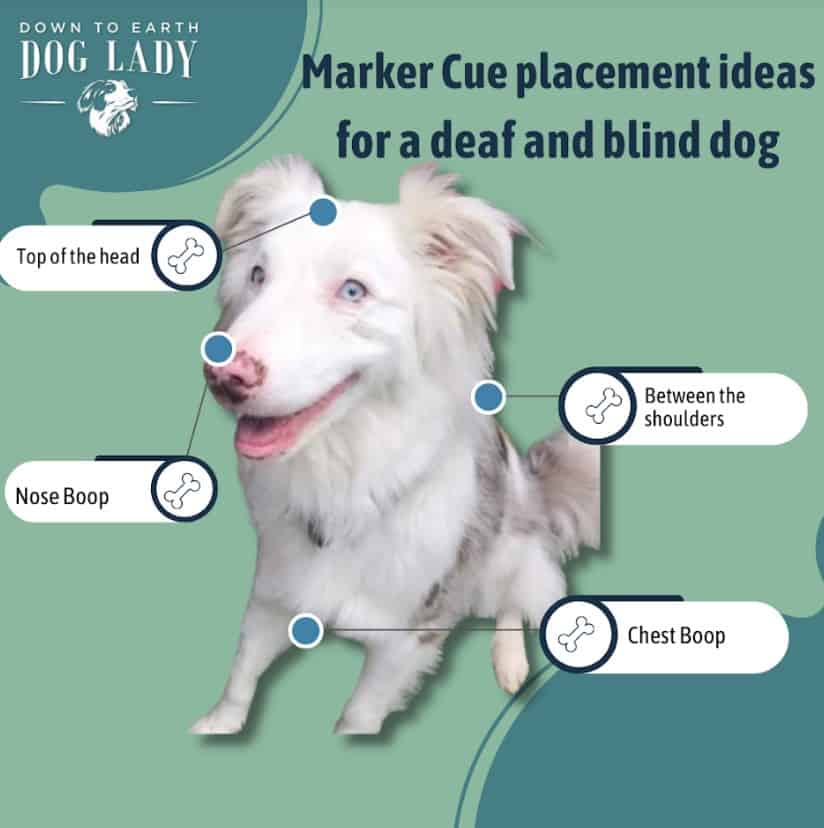
Image Source: deafdogsrock.com
Why Communication Changes for a Deaf Dog
When a dog loses its hearing, the world changes for them. They cannot hear their name, your voice commands, or warning sounds. This means we must switch how we teach and interact. Deaf dog training focuses entirely on sight and touch. It is a shift from auditory learning to visual learning. This switch requires patience and consistency from the owner.
The Basics of Deaf Dog Life
A deaf dog still sees, smells, and feels. These senses become much more important. They rely heavily on watching your movements. They learn routines by seeing patterns.
- They use their eyes to watch you closely.
- They use their nose to track scents.
- They use their skin to feel vibrations.
Building the Foundation: Visual Cues for Deaf Dogs
The core of communicating with a hearing impaired dog is replacing sound with sight. This means using clear, consistent visual cues for deaf dogs. These cues are often called hand signals.
Starting with Hand Signals for Deaf Dogs
Hand signals are the most vital tool. They are your voice for your dog. Keep them simple and unique for each command.
Choosing the Right Signals
Do not use signals that look too much alike. Your dog might mix up “sit” and “stay.” Pick signals that are easy to see, even from far away.
| Command | Recommended Hand Signal | Why it Works |
|---|---|---|
| Sit | Palm facing up, moving upward in a slow arc. | Clear, distinct movement. |
| Stay | Flat palm held directly toward the dog’s face (like a stop sign). | Very clear visual barrier. |
| Come (Recall) | Tapping your chest twice, then sweeping arms out wide. | Large movement is easy to spot. |
| Down | Hand moving from high to low, sweeping toward the ground. | Mimics the motion of lying down. |
| Good/Yes | A quick thumbs-up gesture or a simple open-palm flash. | A fast, positive marker signal. |
Consistency is key when teaching deaf dog commands. Everyone in the house must use the exact same signal every time.
Teaching the First Signals
When training deaf dogs, you must pair the visual signal with a positive reward immediately.
- Get Attention First: You must get your dog’s eyes on you before giving the signal. We will cover getting attention later.
- Lure and Signal: Show the hand signal clearly. At the same time, use gentle physical guidance (luring) to get the dog into the correct position (e.g., holding a treat over their head to encourage a sit).
- Reward: The second the dog performs the action, give them the primary reward (a favorite treat or toy) and the positive marker signal (like the thumbs-up).
- Fade the Lure: Once the dog starts responding to the signal, stop using the physical lure. The dog should only respond to your hand signal.
The Challenge of Getting Attention
How do you call a dog that cannot hear you call its name? This is one of the biggest hurdles in dog deaf communication methods. If they are looking away, they are oblivious to you.
Methods for Gaining a Deaf Dog’s Focus
You need reliable ways to tap into their sight or touch senses to get their attention before issuing a command.
Visual Alerts (Flashes)
Use light to get attention when you are further away.
- Flashlights or Laser Pointers: A quick flash of a bright light in the dog’s line of sight works well indoors or outdoors during the day. Caution: Never shine a laser or bright light directly into their eyes, especially at night. Use it briefly to catch their eye, then immediately follow with the hand signal.
Physical Contact
This is the most reliable way to get attention up close.
- Tapping: A light tap on the shoulder or side is a gentle way to say, “Look at me.” Make sure this tap is only used for attention, not as a correction.
- Stomping: If you are across the room and need attention immediately, a quick stomp on the floor creates a vibration they can feel.
Vibration Collars for Deaf Dogs
Vibration collars for deaf dogs are excellent tools for getting attention, especially outdoors or when the dog is out of sight. These are not shock collars. They produce a gentle vibration that the dog learns to associate with you calling them or getting their attention.
- Set the vibration collar to a unique pattern (e.g., two short pulses).
- When the dog feels the vibration, they look up.
- When they look at you, immediately give your recall hand signal and reward them heavily when they arrive.
Advanced Deaf Dog Training Techniques
Once you master basic commands using hand signals, you can move on to more complex behaviors essential for safety.
Teaching a Deaf Dog Recall
Teaching a deaf dog recall is non-negotiable for safety. A deaf dog cannot hear a car approaching or someone calling them back from danger.
- Safe Environment: Start in a small, secure area like a fenced yard.
- Excitement Building: Have two people play a short game of “keep away” with the dog, getting them excited.
- The Big Recall Signal: One person stands far away and uses the big, sweeping recall hand signal, often accompanied by the vibration collar if you use one.
- The Chase: The second person runs toward the dog, encouraging them excitedly.
- Massive Reward: When the dog reaches the person giving the recall signal, offer the best reward possible—a jackpot of treats, intense play, or a favorite toy.
- Long Line Practice: Once reliable in the yard, practice using a long training line (20-30 feet) in a safe, open field. This keeps them safe while practicing recall at a distance.
Using Sign Language for Deaf Dogs
While custom hand signals for deaf dogs work perfectly well, some owners opt to teach their dogs simple sign language for deaf dogs. American Sign Language (ASL) signs can be useful, especially if the owner already knows some ASL.
- Benefit: ASL signs are often more established and might be easier for some owners to remember than creating new signals.
- Tip: Keep the signs large and clear. Dogs often read the beginning and end motion of a sign better than the small details in the middle.
Table: Comparing Signals
| Method | Pros | Cons | Best Use Case |
|---|---|---|---|
| Custom Hand Signals | Tailored to owner’s movements; easy to customize. | Owner must be 100% consistent. | Everyday commands. |
| Basic ASL Signs | Pre-existing structure; recognized by some communities. | Might require more complex hand movements. | Owners familiar with ASL. |
Navigating Daily Life with a Deaf Dog
Life with a deaf dog requires small adjustments that significantly improve their quality of life and your peace of mind.
Safety First: The Outdoors
Because they cannot hear approaching dangers, outdoor time needs extra vigilance.
- Leash Rules: Your deaf dog should always be on a leash or in a securely fenced area. Do not trust them off-leash unless you are 100% certain of the safety of the area and have mastered the recall in various settings.
- Yard Checks: Regularly check fences and gates. A gap you missed could lead to a disaster if they wander out unnoticed.
Nighttime Communication
When the lights go out, visual cues become difficult.
- Glow-in-the-Dark Gear: Use reflective or glow-in-the-dark collars and leashes if you are walking at dusk or dawn.
- Bedtime Routine: Develop a clear tactile signal for “bedtime.” This could be a specific rub pattern on their back or a gentle lift of their paw.
Reading Body Language
Communicating with a hearing impaired dog is a two-way street. You must learn to read their signals. A deaf dog might use their body to show stress, excitement, or confusion that a hearing dog might express with a whine or bark.
- Stiff Body: Can mean nervousness or uncertainty about a situation.
- Head Turns: If they keep turning their head rapidly, they are searching for a visual cue or are visually overstimulated.
- Licking Lips/Yawning: These are common appeasement signals that show stress or anxiety.
If you see these signs, stop the current activity and calmly reset with a simple, known signal like “Sit” or “Look at Me.”
Specialized Training Situations
Certain commands need special focus during deaf dog training.
Teaching “Quiet” or “Stop”
A deaf dog doesn’t know they are barking or making noise. Therefore, the “Quiet” command is usually taught as a “Stop what you are doing” command.
- Trigger the Barking: Get the dog to bark (maybe by having another dog bark nearby or tapping excitedly).
- Signal Immediately: As soon as they start barking, show your “Stop” signal (flat palm held steady).
- Interrupt and Reward: The instant the dog stops barking (even for a second to look at your hand), reward them heavily. They are being rewarded for stopping the action, not for being quiet after the fact.
Place Command
Teaching a dog to go to a specific mat or “place” is excellent for managing chaos when guests arrive.
- Use a large, distinct mat.
- Use a clear hand signal (e.g., pointing firmly at the mat).
- Use a light touch on their back to guide them onto the mat.
- Reward heavily for staying on the mat until you give the release signal (e.g., a quick clap or thumbs-up).
Troubleshooting Common Issues in Deaf Dog Communication
Sometimes, training hits a wall. Here are common problems and solutions for training deaf dogs.
The Dog Ignores My Signals
If your dog consistently ignores your hand signals, re-evaluate your approach:
- Are the Signals Clear Enough? Are you moving your hands too small? Practice signals in front of a mirror to ensure they are big and obvious.
- Is the Reward Strong Enough? If the treat is boring (like dry kibble), the dog won’t work hard to see your hand. Use high-value rewards like cheese, hot dogs, or favorite toys.
- Attention Check: Did you ensure you had the dog’s eyes before giving the signal? If they were busy sniffing, they missed the cue.
Confusion Between Signals
If the dog mixes up “Sit” and “Stay,” it means the signals are too similar.
- Differentiation: Change one of the signals immediately. Make the “Stay” signal bigger or move it to a different part of your body (e.g., move it from eye level to waist level).
- Retrain from Scratch: Go back to step one for those two commands, ensuring the dog succeeds with the new, distinct signal.
Fear of Vibrations
If your dog shows fear when using vibration collars for deaf dogs, stop using the collar immediately.
- Desensitization: Reintroduce the collar turned off. Let them wear it loosely. Reward them just for wearing it calmly.
- Low-Level Vibration: Only turn it on to the absolute lowest setting. Pair the vibration with a treat coming from your hand at the same time. The goal is to teach: Vibration = Good Thing Happens Near Me.
Long-Term Success and Partnership
Success in deaf dog communication methods comes from commitment. Your deaf dog relies on you completely for safety and guidance.
Maintaining High Visibility
As your dog ages, their eyesight might decline. This is the hardest phase for deaf dogs.
- Increase Signal Size: Make your signals even larger and slower as their vision fades.
- Increase Touch Reliance: You will rely more on gentle guiding touches and tactile signals for reassurance and direction.
- Routine is King: Deaf dogs thrive on routine because they can predict what happens next based on time and location, even if they miss a visual cue.
The Joy of Connection
Having a deaf dog opens up a unique bond. When you communicate with them visually, the connection is intimate and focused. They learn to watch you constantly because they know everything important comes from your sight and touch. This focused attention often leads to incredibly strong loyalty and responsiveness, which is the true reward of communicating with a hearing impaired dog.
Frequently Asked Questions (FAQ)
How long does it take to teach a deaf dog basic commands?
It varies by dog, but basic commands like Sit, Down, and Come can often be established within 2 to 4 weeks of consistent, daily short training sessions (5-10 minutes). The key is the frequency of practice and the strength of the reward.
Should I use a dog whistle for my deaf dog?
No. A dog whistle produces a high frequency sound that they cannot hear. It will not work, and it might confuse them if they see you making a motion they associate with a sound they cannot perceive. Stick to visual and tactile signals.
Do deaf dogs bark a lot?
Some do, and some do not. Deaf dogs often bark because they cannot hear themselves or what triggers the barking (like a knock at the door). If they bark, you must teach the “Stop” signal as described above, rewarding them for ceasing the action when they see your visual cue.
Are vibration collars safe for all deaf dogs?
Vibration collars are generally safe when used correctly for attention cues, but they should never be used for punishment. If your dog has underlying anxiety or known sensitivity issues, consult with a certified deaf dog training specialist before introducing one. Always use the lowest setting possible.
Can a deaf dog learn complex tasks like service work?
Yes, absolutely. Deaf dogs can excel in many roles, including emotional support or detection work (using their superior sense of smell). They just require tasks to be taught using adapted visual cues for deaf dogs instead of voice commands.