
Canine hydrotherapy aversion is a real issue for many dog owners. If your dog shows fear when near water, it means they have a dog swimming phobia causes that we need to look into. We can fix this fear! This article will help you figure out why your dog is scared of water and give you easy steps for helping fearful dog in water.
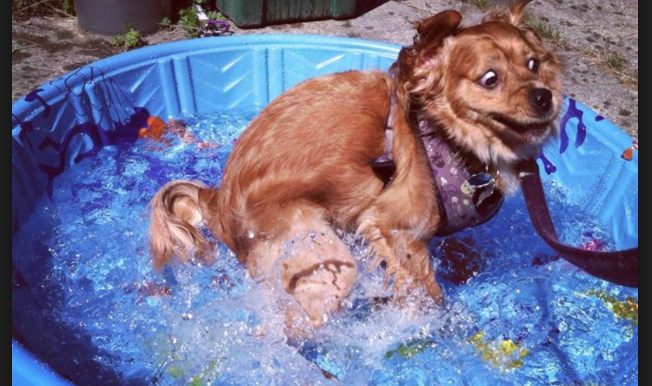
Image Source: www.rover.com
Deciphering the Root of Water Fear in Dogs
Why does a dog suddenly avoid water? Fear of water in dogs is not usually simple. Many things can make a dog scared. It can stem from bad past events or just how they were raised. Knowing the reasons dog hates the pool or even the bathtub is the first step to fixing the issue.
Past Experiences Play a Big Role
A dog’s history greatly impacts how they feel about water. A single bad event can stick with them for life.
Traumatic Incidents
Did your dog slip and fall into a pool unexpectedly? Maybe they were caught in a strong current while swimming. Loud noises near water, like boat motors or thunderstorms, can also be scary. Any sudden, forceful immersion can cause lasting fear. This fear often shows up as dog won’t enter bath time, even if the bath is shallow.
Early Life Exposure
How a puppy learns about water matters a lot. If a puppy afraid of bathtub experience was negative, that fear can grow. Some dogs were never gently introduced to water as small puppies. They grew up thinking water is dangerous or unpredictable.
Sensory Overload and Miscommunication
Dogs use their senses differently than we do. Water can confuse them.
Unfamiliar Sensations
Water feels strange on a dog’s skin. It changes how they smell things. Moving water, like a hose or a stream, can look weird to them. The sound of running water can also be startling. This is common when owners notice their dog scared of rain. The sound and feel are unnatural.
Lack of Control
Dogs like to feel in charge. When in deep water, they cannot easily touch the bottom or stand up. This lack of solid ground can trigger anxiety. They feel trapped. This is a key part of addressing canine water anxiety.
Breed Tendencies and Physical Factors
Some dogs are naturally less inclined toward water than others.
Breed Differences
Not all dogs were bred to swim. Retrievers and water spaniels often love water. Breeds with short legs or heavy bodies (like Bulldogs or Dachshunds) often struggle to stay afloat. They might naturally avoid water because they know swimming takes more effort for them.
Physical Discomfort
If a dog has joint pain or an old injury, moving in water can hurt. They might associate water with pain. This is why canine hydrotherapy aversion can occur if the initial therapy session was too intense or painful. Always check for hidden pain first.
Identifying the Signs of Water Fear
A dog showing fear might not always bark or run away visibly. Look closely at their body language around water sources.
Common Behavioral Clues
| Water Setting | Mild Fear Signs | Intense Fear Signs |
|---|---|---|
| Bathtub/Sink | Tense body, wide eyes, lip licking | Trembling, frantic struggling, heavy panting |
| Pool/Lake | Standing far from the edge, refusing to step off a dock | Barking frantically at the water, running away immediately |
| Rain/Sprinklers | Trying to hide under furniture, pacing nervously | Refusing to go outside for potty breaks in the rain |
When dealing with a puppy afraid of bathtub, these signs are easier to spot early on. They may whine softly or try to climb out before the water even runs.
Recognizing Anxiety Beyond Direct Contact
Sometimes the fear is broader. If your dog hates the hose but loves running in dry grass, the issue is specific to the water itself, not just outdoor play. If they hate the sound of the washing machine, it links to the sound of water, which connects to why they might be dog scared of rain.
Gentle Steps for Overcoming Dog Water Fear
Fixing deep-seated water fear takes time, patience, and consistency. The goal is always positive association, never forcing the issue. We focus on desensitization techniques for dog water fear.
Phase 1: Building Trust on Dry Land
Before you even approach a puddle, you must build confidence near water objects.
Positive Association with Water Objects
Start far away from the scary item (like the pool). Toss a favorite high-value treat near the edge. Do this every day. Keep sessions short—just a few minutes. If your dog is scared of the tub, put treats near the dry tub first.
- Place treats on the floor near the pool edge.
- Reward any calm look toward the water.
- Never chase them near the water.
Introducing Water Sounds
If the sound of water scares them (like rain or running taps), introduce these sounds very quietly indoors first. Play recordings of gentle rain or a running faucet at the lowest possible volume while playing or feeding your dog. Slowly raise the volume over many days, always keeping the dog relaxed. This helps them cope with the noise before the feeling.
Phase 2: Shallow Water Introduction
Once the dog is relaxed near the water source, move slowly to getting close.
The Shallowest Step
For a pool or lake, use the first step or the edge where the water is just an inch deep. Use your calmest voice. Call them to you, or toss a favorite toy just onto the wet area. If they step in and immediately step out, that is a win! Praise them calmly and stop the session.
Bath Time Adjustments
If the problem is dog won’t enter bath, start by making the bathroom a fun place. Put a non-slip mat in the dry tub. Play with a favorite toy inside the dry tub. Next, add just one inch of lukewarm water—not enough to cover their paws completely. Use puzzle toys or smear peanut butter on the tub wall for them to lick. This shifts focus from the water to the reward.
Phase 3: Controlled Immersion and Movement
This phase focuses on overcoming dog’s fear of swimming safely.
Using Floatation Devices
For dogs with intense fear or breeds not suited for swimming, a dog life jacket is essential. It provides support and stability, preventing them from feeling like they are sinking. This greatly reduces panic.
Assisted Entry and Exit
Gently support your dog as they enter deeper water. Never drop them in. If using a ramp or steps into a pool, encourage them to use it repeatedly until they feel comfortable with the descent and ascent. They need to know they can get out easily.
Keep Sessions Short and Upbeat
Never prolong an exercise once the dog shows stress. End on a positive note, even if the “positive note” was just sniffing the water edge. Longer, stressful sessions reinforce the fear.
Specialized Scenarios: Addressing Specific Water Aversions
Different types of water cause different levels of stress. We need specific plans for these areas.
Tackling Canine Hydrotherapy Aversion
If you need your dog to swim for physical therapy, the aversion must be treated first. Forcing a dog into water for therapy causes more psychological harm than physical benefit.
- Evaluate the Setup: Is the pool too cold? Is the water moving too fast? Are the steps too steep?
- Temperature Check: Ensure the water is comfortably warm. Cold water shocks the system and heightens anxiety.
- Handler Calmness: The person handling the dog must be completely calm. Dogs mirror our stress levels.
- Start with Support: Use flotation vests and have two people present initially—one to support, one to offer treats and reassurance. The goal is movement without active swimming at first.
Dealing with Bath Time Battles
Puppy afraid of bathtub issues often become adult dog issues if not fixed early.
- Non-Slip Surface: This is non-negotiable. Slipping is scary. Use a rubber mat.
- Water Flow Control: Use a handheld sprayer instead of turning on the faucet full blast. Adjust the water temperature carefully before the dog enters the room.
- Rinsing Technique: Do not pour water over the dog’s head. Use a cup or sprayer very carefully around the body, avoiding the face and ears until the dog is totally relaxed.
When the Dog Hates the Rain
Dog scared of rain often links to the noise and the sudden wetness.
- Ramp Up Gradually: Start by letting them out briefly during a light drizzle. Give massive praise and a high-value treat immediately upon returning inside.
- Waterproof Gear: Some dogs feel better wearing a light raincoat. It provides a layer between them and the cold, heavy drops.
- Safe Haven: Ensure their outdoor potty area has some form of shelter (like an awning or porch) where they can stand partially dry if needed.
Tools That Can Help Ease Water Anxiety
The right equipment can change the experience from terrifying to manageable.
| Tool | Purpose | Benefit for Fearful Dogs |
|---|---|---|
| Dog Life Vest/Jacket | Provides buoyancy and stability | Prevents sinking panic; offers physical security. |
| Non-Slip Bath Mat | Creates stable footing in slippery tubs/pools | Removes the fear of sliding or falling unexpectedly. |
| High-Value Treats | Positive reinforcement | Distracts from anxiety; creates strong positive memories. |
| Long, Gentle Leash | Allows distance control near edges | Keeps the dog safe without tight restraint that causes tension. |
| Water Fountain/Ramp | Gradual entry into pools | Offers an alternative, less abrupt way to access the water. |
Using these tools correctly is part of addressing canine water anxiety effectively. They provide safety nets while the dog builds confidence.
Preventing Water Fear in Puppies
Prevention is always easier than treatment. Introduce water slowly to your young dog.
- Start with Puddles: Let them walk through small, clean puddles on walks. Let them choose how deep they go.
- Shallow Soaking: Use a child’s paddling pool on a hot day. Add just enough water so they can comfortably walk around. Put toys in it.
- Positive Association with Wetness: Rub a damp, warm cloth on their body while petting them. Link dampness with affection.
- Never Force: If the puppy shows hesitation, back off immediately. Forcing them creates the exact trauma we are trying to avoid.
Comprehending the Limits of Desensitization
While desensitization techniques for dog water fear work for mild to moderate cases, severe phobias might need professional help.
If your dog exhibits extreme distress—uncontrollable shaking, aggression when near water, or panic attacks—it is time to consult experts. This could include a veterinary behaviorist or a certified professional dog trainer specializing in fear, anxiety, and reactivity. They can offer tailored plans, sometimes involving medication to lower baseline anxiety during training.
Remember, helping fearful dog in water is a journey. It requires short training sessions mixed with long periods of no pressure. Success is measured by small steps, not suddenly having a synchronized swimming partner.
Frequently Asked Questions (FAQ)
How long does it take to fix a dog’s fear of water?
This varies greatly. For minor hesitations, a few weeks of daily, short practice sessions might work. For deep-seated dog swimming phobia causes, it could take several months or longer. Consistency is more important than speed.
Can I ever force my dog into the water if I need them to swim?
No. Forcing a dog, especially one with canine hydrotherapy aversion or general fear, is dangerous. It can cause panic, leading to drowning risk, or cause aggression. Always use positive reinforcement and gradual introduction.
Why does my dog hate the hose but loves drinking from a running faucet?
This often relates to the pressure, sound, and direction of the spray. A hose sprays water forcefully and often unpredictably, which can be startling. A faucet provides a steady, low-pressure stream that the dog can approach safely to drink. This relates directly to reasons dog hates the pool—it’s about control and unpredictability, not just the liquid itself.
My dog is scared of the pool, but okay with rain. Why?
The pool is a large, deep, open body of water where they cannot feel the bottom, creating a major control issue. Rain is localized, less intense, and usually happens over a familiar surface (the ground). Addressing reasons dog hates the pool often means focusing on the depth and the inability to stand securely.
What is the best way to help my puppy afraid of bathtub for the first time?
Start by making the bathroom a happy place with toys outside the tub. Then, put a treat on the dry tub floor. Once comfortable, add a few inches of warm water and use slow-dissolving treats or smear peanut butter inside. Keep the session under two minutes.