
Can I stop my dog from jumping the fence? Yes, you absolutely can stop a dog from jumping the fence by using a mix of physical barriers, behavior modification training, and addressing the root cause of the jumping.
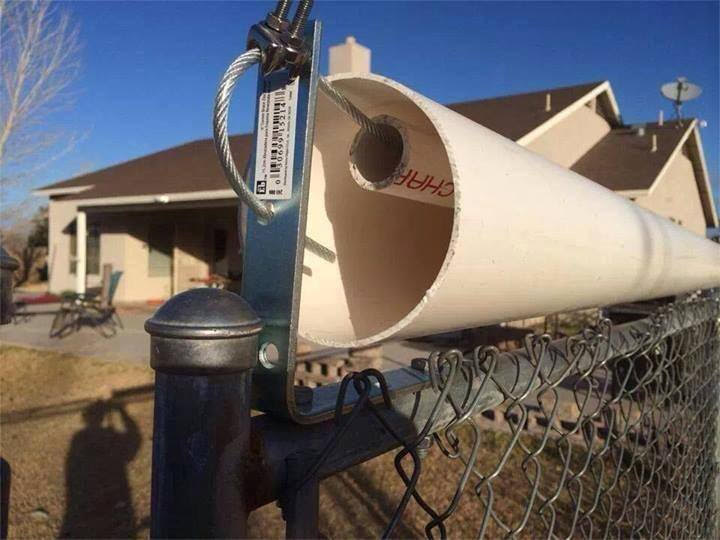
Image Source: ccspca.com
Why Dogs Jump Fences
Dogs jump fences for many reasons. It is important to know why your dog is trying to escape. Knowing the cause helps you choose the best fix. Deterring dog fence jumping starts with knowing the motive.
Boredom and Lack of Exercise
A tired dog is a good dog. If your dog does not get enough playtime or mental work, they look for fun elsewhere. The fence becomes a challenge, not a boundary.
- Long periods alone lead to boredom.
- Lack of physical activity builds up energy.
- Mental puzzles are missing from their day.
Fear and Anxiety
Loud noises, like thunder or fireworks, can make a dog scared. A frightened dog will try to run away from the scary thing. This leads to preventing canine escape through sheer panic.
Seeking a Mate
Unfixed dogs often jump to find a female in heat or to get away from other dogs. Fixing your pet often stops this strong drive.
Prey Drive or Chasing
If a squirrel, cat, or another dog runs by outside the yard, a dog’s chase instinct kicks in. This strong urge can make them try hard to get over the barrier.
Territoriality
Some dogs bark and jump at passersby. They feel the need to protect their space. This keeps them busy trying to engage with everything outside the yard.
Physical Solutions: Making the Fence Impassable
When training is ongoing, physical fixes offer immediate security. These methods focus on making the jump physically impossible or extremely difficult. These are key for secure dog yard management.
Assessing Your Current Fence Height
First, look at what you have. Is your fence tall enough? Experts suggest fences should be at least 6 feet high for most medium to large breeds. Very athletic or small, agile dogs might need more.
Table 1: Recommended Fence Heights by Dog Type
| Dog Type | Typical Height Needed (Feet) | Notes |
|---|---|---|
| Small/Toy Breeds | 4 feet | Focus on ground-level fixes too. |
| Medium Breeds (Labs, Collies) | 5 to 6 feet | Standard recommendation. |
| Large/Athletic Breeds (Shepherds, Huskies) | 6 to 8 feet | These dogs are often great jumpers. |
| Escape Artists | 7+ feet | Needs added security measures. |
Adding Height to Existing Fences
If a new fence is not an option yet, try adding height. This is a form of dog climbing fence solutions.
Using Fence Extensions
You can attach panels to the top of your existing fence.
- Chain-link extenders: These often angle inward (see below).
- Wood panels: Attach solid wood panels on top of a wooden fence. Make sure they are firmly secured with strong bolts, not just nails.
The Inward Angle (Rollover Bar)
This is very effective for deterring dog fence jumping. The idea is to make the top edge impossible to grip or clear.
- Attach metal poles or sturdy L-brackets to the top of the fence posts.
- Run wire or netting from these extensions back into the yard.
- The top section should angle inward, creating a barrier the dog cannot jump over without falling back down.
This discourages dogs because they hit a strange angle instead of a straight top.
Addressing Ground Escapes
Jumping is one thing, but digging under is another. Many escape artists use both tactics.
L-Footer or Apron
This stops digging. It involves laying wire mesh or concrete flat along the base of the fence, extending it inward into the yard (like an “L” shape).
- Dig a shallow trench along the fence line.
- Lay heavy-gauge wire mesh flat on the ground inside the yard.
- Anchor the mesh down with landscape staples.
- Cover the mesh with dirt, grass, or gravel.
This makes the dog dig into something that is hard to move.
Concrete Footers
For serious diggers, pouring a shallow concrete footer along the fence line offers the best secure dog yard approach.
Choosing the Right Material
Some materials invite climbing. Chain-link, while strong, offers excellent toe-holds for nimble paws.
- Solid wood fences reduce visual triggers, which can help with territorial jumping.
- Privacy slats inserted into chain-link reduce the visual appeal of jumping for prey drive.
If you have a determined jumper, you might need a high fence for determined dogs, often 8 feet tall, constructed of solid material or heavy-duty wire mesh without easy gripping points.
Behavioral Modification: Teaching Your Dog to Stay
Physical fixes buy you time. Long-term success requires training dog to stay in yard through positive reinforcement. This tackles the root cause of the desire to leave.
Providing Adequate Enrichment
If the dog jumps out of boredom, the solution is to make the yard the most interesting place to be.
- Increase Exercise: Ensure your dog gets intense physical activity daily before being left alone in the yard. A good 30-minute run or fetch session tires them out.
- Mental Stimulation Toys: Leave puzzle feeders or KONG toys filled with frozen peanut butter in the yard. These take time to finish and keep the dog focused inward.
- Rotation of Toys: Do not leave all toys out all the time. Rotate them to keep them novel and exciting.
Counter-Conditioning Barrier Frustration
If the dog jumps because of things outside the fence (dogs, people, cars), you need to change how they feel about those triggers.
- Identify Distance: Find the distance where your dog notices the trigger but does not react (bark or lunge). This is their threshold.
- Positive Association: When the trigger appears at that safe distance, immediately feed your dog high-value treats (chicken, cheese).
- Repeat: The goal is for the dog to think: “A person walks by! That means yummy food appears!” This replaces the urge to jump with anticipation of a reward.
- Gradual Approach: Slowly work closer to the fence line over weeks or months, always rewarding calm behavior. Never let them get over their threshold to the point of reacting aggressively or trying to jump.
Addressing Separation Anxiety
Sometimes, jumping is part of a larger anxiety issue. The dog is not trying to escape; they are trying to find you.
Signs of separation anxiety include pacing, whining, destructive chewing, and house soiling when left alone.
- Desensitization: Practice very short departures. Leave for 30 seconds, return calmly before anxiety starts. Slowly increase the time.
- Calm Exits/Entrances: Ignore your dog for the first few minutes after returning home. Wait until they are calm before greeting them. This lowers the emotional significance of your comings and goings.
Advanced Strategies for Escape Artist Dog Prevention
For dogs that defy standard measures, more focused techniques are needed. These methods often combine physical deterrents with intensive training.
The “Look At That” Game (LAT)
This is a focused version of counter-conditioning, specifically for stop dog jumping behaviors driven by external stimuli.
- Keep a leash on your dog while they are in the yard (securely tethered to a patio chair or stake, not near the fence).
- When they see something outside (a squirrel, another dog), mark the moment they look at it, before any tension builds up. Say “Yes!” or use a clicker.
- Immediately offer the high-value treat.
- If they start to tense up or lean toward the fence, gently redirect their attention with the leash and treat away from the boundary.
This teaches impulse control near the boundary line.
Creating an Internal Barrier
Sometimes, the best fix is to shrink the usable space. This is useful while reinforcing backyard boundaries through training.
- Internal Fencing: Install a secondary, shorter fence inside the main perimeter. This creates a buffer zone. The dog plays in the inner area where triggers are less close.
- Tethering or Long Lines: For short periods, use a long, sturdy line anchored to a fixed object far from the fence. This gives them space to roam but prevents them from reaching the barrier where they might practice jumping. Never leave a dog tethered unattended due to entanglement risks.
Using Taste Aversion (Cautiously)
Some people use taste deterrents applied to the top edge of the fence.
- Bitter apple spray or commercial anti-chew sprays can make the surface taste unpleasant.
- Caution: This only works if the dog mouths the top rail. It does nothing for dogs who clear the fence completely. It is a minor tool, not a primary solution.
Humane Dog Fence Solutions Checklist
It is vital that all methods used are safe and humane. The goal is to teach the dog not to jump, not to punish them for trying. Avoid shock collars or any device that delivers pain upon reaching the fence line, as these often increase anxiety and lead to more frantic escape attempts later.
| Method | Safety Rating | Effectiveness | Primary Focus |
|---|---|---|---|
| Increasing Exercise | High | High | Boredom/Energy |
| Inward Angled Extenders | High | Very High | Physical Barrier |
| L-Footer Dig Barrier | High | High | Ground Escapes |
| Positive Reinforcement Training | High | Long-Term | Behavioral Change |
| Visual Blockers (Slats) | Medium | Medium | Prey Drive/Territoriality |
| Electric Fencing (No-Dig/Invisible) | Low (Use with caution) | Varies | Boundary Awareness |
Grasping the Role of Positive Reinforcement
Positive reinforcement works best because it rewards the desired action: staying calmly in the yard. Punishment, like yelling when you see them near the fence, only teaches them to jump when you are not looking.
Steps for Reinforcing Good Behavior:
- Supervise closely initially.
- When your dog is relaxing inside the yard (lying down, chewing a toy, ignoring outside stimuli), go to them.
- Offer quiet praise and a small, low-value treat.
- Make being inside the yard a rewarding experience, not just a place to be confined.
Dealing with Specific Breeds Prone to Escaping
Certain breeds have genetic predispositions to roaming, high energy, or prey drive. These dogs require extra diligence in secure dog yard setup and training.
Terriers and Scent Hounds
Breeds like Beagles, Foxhounds, Jack Russells, and Dachshunds are driven by scent. They will dig, burrow, or chew through barriers to follow a smell.
- Fix: Focus heavily on underground barriers (L-footers, concrete). Scent work games inside the yard can redirect their hunting instincts.
Herding and Working Dogs
Border Collies, Australian Shepherds, and German Shepherds are smart and energetic. They jump because they are trying to “work” or herd things they see moving outside the fence.
- Fix: These dogs need intense mental work. Long-lasting puzzle toys or teaching them advanced tricks are crucial for tiring their brains. Physical barriers must be high and offer no easy grip.
The High-Drive Breeds
Huskies and Malamutes are famous for their ability to escape. They often jump, climb, and dig with seemingly endless stamina.
- Fix: These dogs often require the high fence for determined dogs standard (7-8 feet minimum) combined with inward-angling deterrents. They are often best suited to an enclosed run or kennel run attached to the house if you cannot be present to supervise them 100% of the time.
Maintenance and Consistency for Lasting Results
Stopping fence jumping is not a one-time fix. It is continuous management and reinforcing backyard boundaries.
Regular Barrier Checks
Fences get damaged by weather, falling branches, or even the dog’s own efforts.
- Check all screws, bolts, and anchor points weekly.
- Inspect the ground barrier (L-footer) for areas where dirt has washed away, exposing the mesh.
- Look for new chew marks or claw damage near potential escape points.
Training Consistency
Every time your dog attempts to jump and succeeds, the behavior is reinforced. Every time they try and fail (either due to a barrier or because they chose not to jump), the behavior weakens.
Consistency across all family members is essential. Everyone must follow the same rules regarding tethering, exercise time, and rewarding calm behavior.
Managing Triggers
If you know construction starts next door, or the neighborhood kids play loudly near your fence every afternoon, plan for it.
- Increase white noise inside the house.
- Use calming aids (consult your vet) if the triggers cause severe anxiety.
- Temporarily use a shorter tether line closer to the house during high-trigger times.
FAQ Section
How fast can I expect results in stopping fence jumping?
Immediate physical fixes (like adding height or dig barriers) stop the escape instantly. Behavioral modification takes time. You might see initial improvement in 2-4 weeks, but true habit change can take 2-3 months of daily, consistent work.
Can invisible fences stop a determined jumper?
Invisible fences are generally poor for stopping jumpers or climbers. They rely on correction zones. A highly motivated dog (escaping boredom or chasing prey) will often ignore the mild shock or barrier warning to get what they want. They are better used for training dog to stay in yard near the boundary line, rather than as a primary physical barrier.
What if my dog is climbing the chain-link fence using the diamonds as footholds?
You need dog climbing fence solutions that remove the footholds. The best approach is to install solid privacy slats woven tightly into the chain-link mesh. This destroys the grid pattern they use to climb. Alternatively, adding an inward-angled topper bar is very effective against climbers.
Is it okay to tether my dog outside while I fix the fence?
Yes, tethering can be a safe, temporary solution while you implement permanent fixes, provided the tether is secure and placed away from the actual fence line to prevent entanglement. Always supervise a tethered dog. This ensures preventing canine escape while you work on a secure dog yard.