
Can I stop my dog from climbing the fence? Yes, you absolutely can stop your dog from climbing the fence by using a mix of physical barriers, environmental management, and consistent training. This guide will give you proven steps to secure your yard.
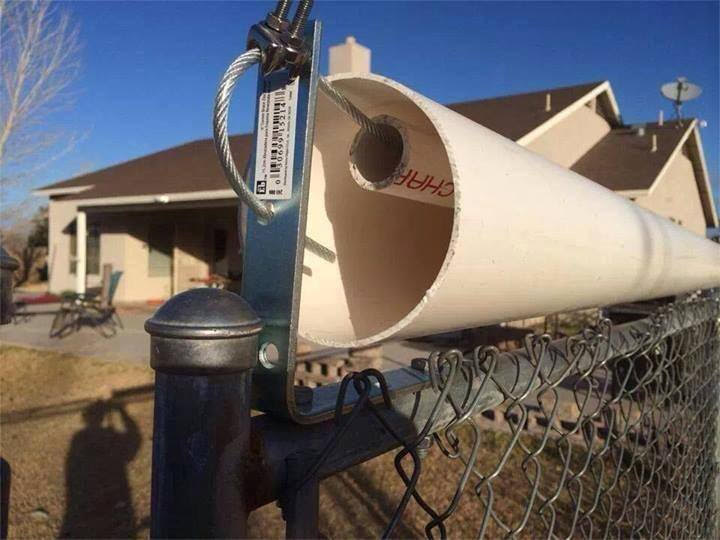
Image Source: ccspca.com
Deciphering Why Does My Dog Climb the Fence
Dogs climb fences for many reasons. Knowing the “why” helps you pick the best fix. It is important to pinpoint the main cause to find the right dog jumping fence solutions.
Common Reasons for Fence Climbing
Dogs are smart and athletic. They climb when they want something on the other side.
- Boredom and Excess Energy: This is the biggest reason. A bored dog looks for a job. Climbing the fence becomes a fun game. If your dog has too much pent-up energy, they will try to escape.
- Prey Drive or Territory: If your dog sees a squirrel, cat, or another dog outside, their instinct kicks in. They need to get to that animal. They may also be guarding their territory from outside stimuli.
- Seeking Social Contact: If you are outside playing with neighbors, but your dog is stuck inside, they will try to join the fun. Loneliness drives escape attempts.
- Fear or Anxiety: Loud noises like fireworks or thunder can make a dog panic. They try to flee the scary situation. Separation anxiety is another big factor.
Physical Barriers: Best Fence Height for Energetic Dogs and Modifications
The first line of defense is making the fence physically impossible or very hard to climb. This involves looking at your current fence height and adding deterrents.
Assessing Your Current Fence Height
If your dog can clear your fence easily, it is too short. For high-energy, agile breeds (like Border Collies, Huskies, or certain terriers), you need more height.
| Dog Size/Breed Type | Recommended Minimum Fence Height | Notes |
|---|---|---|
| Small to Medium Dogs | 4 feet | Only suitable if they lack high motivation to climb. |
| Medium to Large Dogs | 5 to 6 feet | Standard height for most active breeds. |
| Very Agile or Large Breeds | 6 feet or higher | Essential for breeds known for high jumping ability. |
If your fence is already tall, you need to change how they climb it.
Fence Climbing Deterrents for Dogs
These additions make gripping the top of the fence difficult or impossible. They focus on eliminating the foothold.
1. L-Footers or Dig Guards
While this targets digging, an agile dog might use a low dig spot as a launching pad. Installing hardware cloth (metal mesh) flat on the ground extending inward about 12-18 inches prevents digging near the base, thus removing the initial boost.
2. Rolled Wire Toppers (Coyote Rollers)
This is one of the most effective fence climbing deterrents for dogs. A coyote roller is a system of pipes or tensioned wire that spins freely along the top edge of your fence.
- How it Works: When a dog tries to grab the top rail to pull themselves over, the roller spins. The dog loses its grip and slides back down.
- Installation Tips: Ensure the roller spins very freely. If it catches, the dog might wedge itself against it. Use sturdy brackets to attach the roller mechanism to the top of the fence posts or rails.
3. Slanted or Angled Extensions
If your dog uses the top edge like a ledge, angling the top section inward can stop them.
- This involves adding a section of fence that leans inward toward your yard at a 45-degree angle.
- This makes the dog have to jump down into their own yard to finish the climb, which most dogs are unwilling to do. This is a common technique for solutions for dogs scaling fences.
4. Privacy Slats or Solid Barriers
Sometimes, a dog climbs because they see something exciting. If you have chain-link fencing, install privacy slats.
- Blocking the view removes the visual trigger. If the dog cannot see the temptation, the drive to climb is often greatly reduced.
- This is a great way to prevent dog from going over fence caused by external distractions.
DIY Dog Fence Modifications for Climbers
If hiring professionals is not an option, there are several effective DIY dog fence modifications for climbers. These require basic tools and some handy skills.
Creating an Inward-Leaning Top Section
This project directly addresses the climbing motion.
- Materials Needed: Additional fence panels, sturdy metal T-posts, bolts, or heavy-duty zip ties.
- Process: Measure the height of your existing fence. Add a section that is about 18 to 24 inches long. Attach this new section to the existing top rail, angling it inwards toward your yard at a slant. The dog needs to jump up, grab the angled section, and find no purchase to pull over.
Using Non-Climbable Materials
If you have chain link, consider replacing the top few feet with a different material.
- Wood panels are harder to grip than thin chain links.
- Welded wire panels with very small openings are harder for paws to hook into than standard chain link mesh.
Securing Yard from Agile Dogs: Focusing on Support Points
Agile dogs look for anything to use as a step. Check everything near the fence line.
- Remove Ladders: Are there trash cans, wood piles, gardening tools, or overturned buckets near the fence? Dogs will use these objects as stepping stones. Move them at least 5 feet away from the boundary.
- Trim Overhanging Branches: If tree limbs overhang your fence, they provide a perfect bridge for a determined dog. Prune these limbs back significantly.
Training Dog Not to Climb Fence: Behavior Modification
Physical fixes are crucial, but behavioral training solidifies the solution. You must teach your dog that climbing the fence is not rewarding. This is part of training dog not to climb fence.
Managing Environment to Prevent Practice
Every successful climb reinforces the behavior. Stop the practice immediately.
- Leash Supervision: When your dog is outside, supervise them closely, especially during peak escape times (morning, early evening). If you see them approach the fence with intent, redirect them immediately.
- Yard Rotation: If you know the dog always tries to climb near the neighbor’s barking dog, confine your dog to the opposite side of the yard when you cannot supervise them. Limit access to the high-temptation zones until training is complete.
Positive Reinforcement for Staying Grounded
Reward your dog for staying away from the fence when unsupervised.
- The “Place” Command: Teach your dog to go to a specific mat or dog bed (their “place”) when asked. Practice this command near the fence line. When they stay on their place, give them high-value treats.
- Check-Ins: Periodically call your dog to you from the yard. If they come quickly and happily, reward them heavily. This builds a positive association with interacting with you rather than focusing on the boundary.
Addressing Triggers
If boredom or prey drive is the cause, address those needs first. A tired dog is a good dog.
- Increase Exercise: A dog that needs to jump a 6-foot fence likely needs much more physical activity than they are currently getting. Add running, intense fetch sessions, or scent work to tire them out before yard time.
- Mental Stimulation: Provide puzzle toys, snuffle mats, or kongs stuffed with frozen peanut butter while they are outside alone. This gives their brain a job other than escaping.
Advanced Solutions for Dogs Scaling Fences
For the truly athletic escape artist, sometimes you need layers of protection: physical barriers combined with specialized training tools.
Utilizing Long Lines for Controlled Training
A long line (a lightweight lead 20 to 50 feet long) allows you to give your dog freedom while keeping them connected to you.
- Intervention Practice: Allow your dog to approach the fence. The moment you see the pre-climb behavior start (staring, pacing, preparing to jump), use the long line to gently interrupt the action. Call their name and lead them away. Reward heavily when they turn away from the fence.
- Never Punish the Climb: If the dog succeeds in climbing, do not yell or punish them when they return. They might think the punishment is for coming back, not for climbing. The goal is to interrupt the action before they complete it.
Reviewing Containment: Can My Current Fence Be Secured?
Not all fences are suitable for modification.
| Fence Type | Difficulty to Climb-Proof | Recommended Modification Focus |
|---|---|---|
| Chain Link | High | Adding privacy slats (block view) and coyote rollers (block grip). |
| Wood Picket | Medium | Increasing height and adding inward-angled extensions. |
| Solid Vinyl/Privacy Fence | Low to Medium | Check for weak spots or use scent deterrents along the bottom edge if they are digging/pushing. |
If your fence is short or flimsy, you may need to install a secondary barrier.
The Concept of Double Fencing
For the most determined dogs, creating an “airlock” of fencing provides the ultimate security.
- Install a second fence line inside your primary perimeter fence.
- The space between the two fences should be at least 4 to 6 feet wide.
- This double barrier means the dog has to breach two separate structures, making the effort too high for most to bother with. This is one of the surest ways to stop dog from escaping yard.
Securing Yard from Agile Dogs: Long-Term Maintenance
Stopping fence climbing is an ongoing effort, not a one-time fix.
Regular Inspection of Barriers
Dogs are persistent. They will test the limits of your modifications constantly.
- Check coyote rollers monthly to ensure they still spin freely.
- Inspect any DIY additions for loose bolts or weak wood after storms.
- Look for new wear spots near the base of the fence where the dog might be attempting a new digging spot.
Consistency is Key
Every time your dog is allowed outside, the rules must be the same. If you let them try to climb one day because you are busy, you teach them that persistence pays off eventually. Consistency reinforces the boundary line.
Collaborative Neighbor Relations
If your dog is climbing because of another dog on the other side, you must address the external trigger.
- Talk to your neighbor calmly. Explain that your dog is highly motivated by their pet and ask if they can keep their dog inside or away from that shared border for a few weeks while you work on training.
- A united front minimizes stimuli, making your job much easier.
Frequently Asked Questions About Fence Climbing
What is the best fence material to prevent climbing?
While no material is entirely climb-proof for a determined dog, fences made of solid materials or those with very small openings (like high-quality welded wire mesh) are harder to grip than traditional chain link. If using chain link, focus heavily on adding coyote rollers and blocking the view.
Can I use electric fencing to stop my dog from climbing?
A professionally installed, low-level electric fence (often called an invisible fence) can be used as a training aid to define the boundary area. However, it is generally not recommended as the sole solution for climbers. An anxious or highly motivated dog might run through the static correction barrier just to reach the stimulus on the other side, often resulting in injury or a successful escape. Use physical barriers first, then use low-level static correction as a reminder if necessary.
How long does it take to train a dog not to climb?
Training takes time and depends on the dog’s motivation level and age. If the dog is highly driven by prey drive, it may take longer. Expect consistent results in 4 to 8 weeks if you are diligent about supervision, environmental management, and positive reinforcement training daily. Never let them practice the unwanted behavior.
Should I muzzle my dog outside if they are a persistent climber?
Muzzling is an extreme measure and should only be used temporarily under veterinary or certified trainer guidance, usually if the dog is engaging in dangerous behaviors like trying to attack animals through the fence. It does not solve the root cause (boredom, anxiety) and can increase frustration. Focus first on barriers and training.