
If your dog is having a seizure, the first thing you must do is stay calm and keep everyone safe. Do not touch or hold your dog during the active seizure. Keep nearby objects away from your dog to prevent injury.
A seizure in a dog is an involuntary muscle contraction. It happens because of abnormal electrical activity in the brain. Seizures can look scary. Knowing what to do can help keep your pet safe. This guide offers practical steps for canine seizure first aid and long-term care.
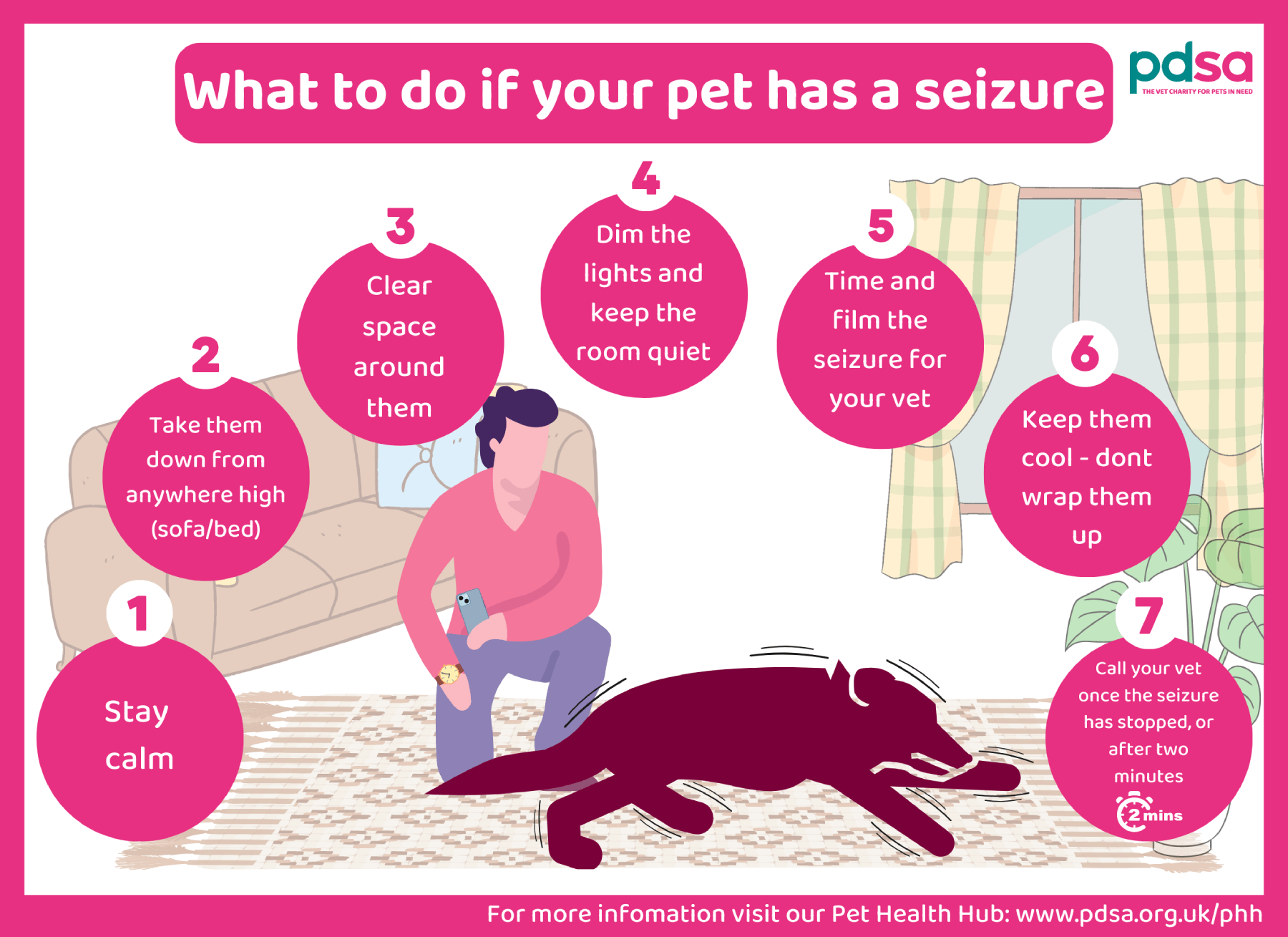
Image Source: www.pdsa.org.uk
Deciphering Seizure Activity in Dogs
Not all seizures look the same. Recognizing dog seizure signs is the first step in providing proper care. Seizures often happen in stages. Knowing these stages helps owners know when to act.
Stages of a Seizure Episode
A full seizure event often has three parts. These parts help veterinarians diagnose the issue.
The Pre-Ictal Stage (Aura)
This is the time just before the seizure starts. Your dog might act strange. They may seem restless, anxious, or seek comfort. Some dogs hide or whine. This stage is usually short, lasting seconds to minutes.
The Ictal Stage (The Seizure Itself)
This is the active seizure. The dog loses control of its body.
- Tonic-Clonic Seizures (Grand Mal): These are the most common. The dog often falls to its side. Muscles jerk or paddle. The dog may drool, lose control of urine or feces, and make strange noises.
- Focal (Partial) Seizures: These only affect one part of the body. A leg might twitch, or the face might spasm. The dog often stays aware during these.
- Psychomotor Seizures: These involve strange behaviors. The dog might snap at air, chase its tail constantly, or seem lost.
The Post-Ictal Stage (After the Seizure)
After the shaking stops, your dog will be in this stage. They are often confused, tired, and blind for a short time. They may walk in circles or seem disoriented. This phase can last from a few minutes up to a day.
Immediate Steps: How to Help Dog During Seizure
The most critical time is when the seizure is happening. Your actions must focus only on safety. Do not panic.
Safety First During the Seizure
Remember, your dog cannot control its movements. They cannot bite you on purpose. However, they can accidentally injure you.
- Time the Seizure: This is very important. Note exactly when the shaking starts and stops. This dog seizure duration information is vital for your vet.
- Clear the Area: Move furniture, sharp objects, or anything hard away from your dog. Make sure they cannot hit their head or legs hard.
- Keep Calm and Quiet: Loud noises or bright lights can sometimes make seizures worse. Keep the room quiet.
- Do Not Restrain: Never try to hold your dog down or stop the muscle movements. This can hurt your dog or cause you to be bitten.
- Do Not Put Anything in the Mouth: Many people worry about the tongue. Dogs usually cannot swallow their tongue during a seizure. Putting fingers or objects in the mouth risks severe injury to you or your dog.
If the dog seizure duration lasts longer than five minutes, this is a medical emergency (status epilepticus). You must move to the emergency steps quickly.
Essential Canine Seizure First Aid Steps
Once the active shaking stops, your focus shifts to comfort and recovery. This is key to good canine seizure first aid.
Caring for Your Dog Immediately After
The post-ictal phase requires gentle handling.
- Reassure Gently: Speak in a soft, low voice. Offer calm comfort, but avoid overly excited petting, as they are still confused.
- Check Breathing: Make sure the airway is clear. If the dog is drooling heavily, gently turn their head to the side to allow saliva to drain.
- Temperature Control: During a hard seizure, the body temperature can rise. If the seizure was long or intense, you can apply cool (not ice-cold) water or damp towels to their paws and belly to help them cool down safely.
- Limit Activity: Keep your dog in a quiet, dark room until they seem fully alert and coordinated again. They will likely want to sleep or rest.
When to Call Vet for Dog Seizure
Knowing when a seizure moves from routine management to emergency care is vital.
Call your vet or emergency clinic immediately if:
- The seizure lasts longer than five minutes.
- Your dog has two or more seizures in a 24-hour period without fully recovering between them.
- This is the dog’s first-ever seizure.
- The dog suffers a serious injury during the seizure.
- Your dog has a known heart condition or respiratory problem that could be worsened by the seizure.
For a first-time seizure, even if it was short, you should call your primary veterinarian during business hours for advice on the next steps.
Long-Term Management of Canine Epilepsy
If your dog has had more than one seizure, they are likely diagnosed with epilepsy. Dog epilepsy management is a lifelong commitment. It focuses on reducing seizure frequency and severity.
Finding the Cause: Diagnostics
Epilepsy is classified as primary (idiopathic) or secondary. Primary epilepsy has no known cause. Secondary epilepsy is caused by an underlying issue.
Diagnostic steps often include:
- Full Blood Work: To check liver and kidney function, which can cause seizures.
- Urinalysis: To check for toxins or metabolic issues.
- Advanced Imaging (MRI/CT): If the vet suspects a brain tumor, infection, or structural problem, these scans may be necessary.
- Cerebrospinal Fluid (CSF) Tap: This tests the fluid around the brain and spinal cord for inflammation or infection.
Identifying Dog Seizure Triggers
Sometimes, seizures are linked to specific events or environmental factors. Identifying dog seizure triggers can help owners prevent episodes. Keep a detailed seizure log to track potential links.
Common triggers might include:
- Stress or Excitement: Sudden loud noises, visitors, or intense play.
- Dietary Changes: Introducing new foods or treats.
- Hormonal Changes: Such as the heat cycle in unspayed females.
- Environmental Toxins: Exposure to certain pesticides, chemicals, or mold.
- Sleep Deprivation: Lack of regular rest.
Dog Seizure Medication Options
For dogs with frequent or severe seizures, medication is usually necessary. The goal is not always to stop all seizures, but to control them effectively.
Dog seizure medication options typically fall into two categories: maintenance drugs and emergency drugs.
Maintenance Medications
These drugs are given daily to keep the brain stable. They must be given on a strict schedule.
| Medication Class | Common Examples (Generic Names) | Primary Use | Important Notes |
|---|---|---|---|
| Anticonvulsants | Phenobarbital, Levetiracetam (Keppra) | Daily control of generalized seizures | Requires regular blood monitoring. |
| Newer Anticonvulsants | Zonisamide, Gabapentin | Used alone or alongside older drugs | Often have fewer severe side effects initially. |
Emergency Medications
These are used when a seizure is happening or when a cluster of seizures occurs. These are usually administered by a veterinarian rectally or intravenously.
- Diazepam (Valium)
- Midazolam
It is crucial to discuss the prescription and administration of emergency rescue drugs with your vet. This is often part of your dog epilepsy management plan.
Post-Seizure Care for Dogs: The Recovery Phase
The post-seizure care for dogs phase is just as important as the immediate first aid. Proper recovery helps prevent the next episode from happening too soon.
Physical and Emotional Needs Post-Ictal
After the confusion clears, your dog will be exhausted.
- Rest and Quiet: Ensure a safe, comfortable resting spot. Keep the environment calm for several hours.
- Hydration and Nutrition: Offer small amounts of water once the dog is fully alert and not unsteady. If the seizure was severe or occurred around mealtime, consult your vet about when to resume regular feeding. Some anti-seizure drugs can affect the appetite or liver, so monitor eating habits closely.
- Observation: Continue to watch your dog closely for the next 24 hours. Look for signs of another seizure starting or lingering neurological issues (like temporary blindness or severe weakness).
Monitoring and Record Keeping
A detailed log is the cornerstone of successful management. This helps your vet adjust treatment.
Your Seizure Log Should Include:
- Date and time of the seizure.
- How long the seizure lasted (duration).
- What the dog did during the seizure (shaking, paddling, drooling).
- Were there any apparent triggers before the event?
- How long did the recovery (post-ictal phase) take?
- What medications (including dosages) were given that day?
Regular follow-up appointments are necessary, especially when starting new dog seizure medication options. Blood tests are often needed to ensure the drug levels are therapeutic but not toxic to the liver.
Strategies for Preventing Dog Seizures
While not all seizures are preventable, some proactive steps can support your dog’s overall brain health and aid in preventing dog seizures.
Diet and Supplements
A healthy diet supports the brain. Discuss any dietary changes with your veterinarian before implementing them.
- High-Quality Food: Choose balanced commercial diets.
- Omega-3 Fatty Acids: These fatty acids, found in fish oil, support brain cell health and may help reduce inflammation.
- Medium-Chain Triglycerides (MCTs): Some specialized veterinary diets incorporate MCTs, which can provide an alternative fuel source for the brain, sometimes helpful in epilepsy management.
Lifestyle Adjustments
Maintaining a consistent, low-stress environment is key for many dogs prone to seizures.
- Strict Routine: Keep feeding times, walks, and medication times consistent every day. Predictability reduces stress hormones that might act as a trigger.
- Controlled Exercise: Ensure your dog gets appropriate exercise, but avoid over-excitement or extreme physical exhaustion, especially immediately before or after medication dosing.
- Environmental Safety: Be mindful of chemicals used in the home or yard. Ensure all cleaning supplies are stored securely.
Adherence to Medication Protocol
The most effective way of preventing dog seizures when a diagnosis is made is strict medication adherence.
- Never Miss a Dose: Missing a single dose of daily maintenance medication can cause drug levels to drop too low, immediately increasing the risk of a breakthrough seizure.
- Never Stop Abruptly: Stopping anti-seizure medication suddenly can cause severe, life-threatening seizure clusters. Always taper off drugs under veterinary supervision.
Special Considerations for Seizures in Puppies and Seniors
Seizures can strike at any age, but the causes often differ.
Seizures in Young Puppies
If a very young puppy (under six months) has a seizure, the cause is usually metabolic or structural, not primary epilepsy. Possible causes include:
- Low blood sugar (hypoglycemia).
- Liver shunt (portosystemic shunt).
- Infections (like distemper).
These puppies need immediate, intensive diagnostic testing rather than immediate long-term seizure maintenance drugs.
Seizures in Older Dogs
In senior dogs, seizures are more likely to be secondary to a structural brain issue.
- Brain tumors.
- Inflammation or infection (encephalitis).
- Severe high blood pressure (hypertension).
For older dogs, your vet will likely push harder for advanced imaging (MRI) to rule out these serious, treatable, or manageable conditions.
Frequently Asked Questions (FAQ) About Canine Seizures
Q: How long does a typical dog seizure last?
A: Most seizures, especially those related to idiopathic epilepsy, last between 30 seconds and three minutes. If the dog seizure duration exceeds five minutes, it requires emergency care.
Q: Can I give my dog human seizure medication like Tylenol or aspirin?
A: Absolutely not. Never give your dog human pain relievers or seizure medications unless specifically instructed by your veterinarian. Many human medications, like acetaminophen (Tylenol), are highly toxic to dogs.
Q: Will my dog go blind after having a seizure?
A: Temporary blindness is common during the post-ictal phase. The dog may appear disoriented or unable to see for several minutes or hours. Permanent blindness is rare unless the seizure was caused by severe trauma or stroke.
Q: What is the difference between a tremor and a seizure?
A: Tremors are usually rhythmic muscle twitches that stop when the dog is touched or distracted. A seizure is a complete loss of control with involuntary, full-body muscle activity that cannot be stopped by touching the dog.
Q: Are seizures contagious to other pets?
A: No, seizures are not contagious. They are neurological events happening inside the affected dog’s brain. Other pets should be removed from the area simply to reduce stress.