
Does your dog eat everything it finds, including things that aren’t food? Yes, this common dog behavior means your pet is trying to consume non-food items, which can be a sign of a medical issue or just typical canine curiosity.
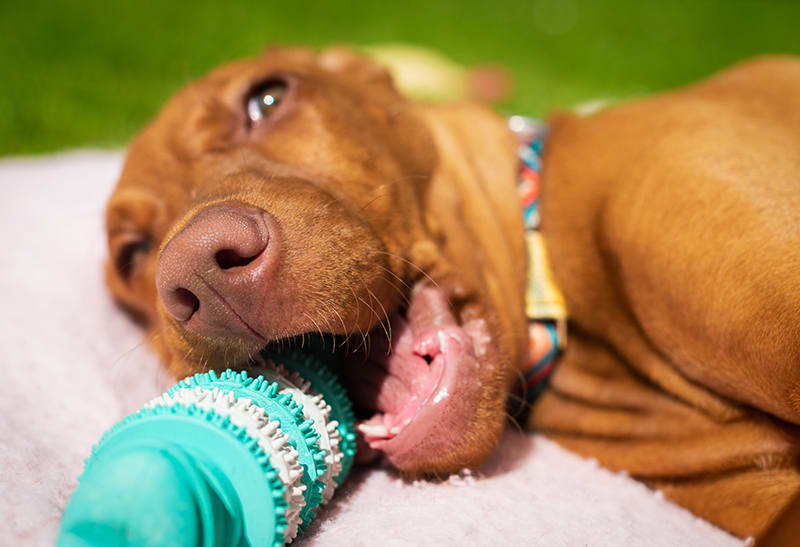
Image Source: www.sharonlakes.com
Grasping the Urge: Why Dogs Ingest Everything
It can be scary when your dog tries to eat socks, dirt, or plastic. Many things cause this strong urge. We need to look at the common reasons behind this behavior. It helps us keep our dogs safe.
Investigating Pica in Dogs
One main term for eating non-food items is Pica in dogs. This means a dog keeps eating things that have no real food value. It is not just about being hungry. It can happen for many reasons.
What Triggers Pica?
Pica is not a single disease. It is a symptom of something else. We must find the root cause.
- Boredom and Attention Seeking: Dogs left alone too long often start chewing and eating strange things. They do this to pass the time or get you to notice them.
- Anxiety and Stress: Some dogs chew when they feel nervous or scared. This can happen during storms or when left alone (separation anxiety). Eating things becomes a coping mechanism.
- Medical Issues: Certain health problems can make dogs crave weird items. These cravings are sometimes linked to hunger the dog cannot satisfy.
Exploring Scavenging Behavior Dogs Exhibit
Most dogs have natural instincts to forage. This is normal scavenging behavior dogs have. They explore the world with their mouths. In the wild, this helped them find food. In our homes, it means they explore trash cans or dropped items.
The Drive to Forage
This drive is strong in many breeds. Terriers and hounds often show high levels of this behavior. They like finding and eating things outside.
We see this when dogs sniff sidewalks intensely. They are looking for dropped snacks or interesting smells. If they find something, they often try to swallow it fast. This is instinct taking over.
Looking at Causes of Excessive Dog Eating
If your dog seems to eat more than usual, we look at the causes of excessive dog eating. This goes beyond just eating non-food items. It can include eating too much regular food too fast.
Hunger vs. Craving
Sometimes the dog is truly hungry. Other times, it is a deep, unchangeable desire.
- Nutritional Gaps: Sometimes, a dog’s regular food lacks something important. This can lead to nutritional deficiency in dogs. The dog then seeks out other sources, sometimes eating things like grass or soil to make up the difference.
- Rapid Eating: Some dogs eat so fast they never feel full. This causes them to look for more food right away, leading to them eating non-food items.
Medical Conditions That Increase Appetite
Several health issues make dogs feel constantly hungry or lead to dog always hungry behavior:
- Diabetes
- Thyroid problems (like hyperthyroidism)
- Cushing’s disease
- Intestinal parasites (worms)
If the hunger is sudden and severe, see the vet right away.
The Danger Zone: Dangerous Things Dogs Eat
When dogs eat everything, they risk serious harm. Knowing what is toxic is key to prevention. We must know what are the dangerous things dogs eat.
| Item | Potential Harm | Action Needed |
|---|---|---|
| Chocolate/Caffeine | Heart issues, seizures | Immediate vet care |
| Xylitol (Sweetener) | Rapidly low blood sugar | Immediate vet care |
| Socks/Fabric | Blocked intestines | May need surgery |
| Rocks/Stones | Broken teeth, internal damage | X-rays, possible removal |
| Household Cleaners | Burns, poisoning | Immediate vet care |
If your dog eats something toxic, do not wait. Call your emergency vet advice dog eating everything for toxic ingestion.
Medical and Dietary Roots of the Problem
Before treating this as a behavior issue, we must rule out health problems. A vet check is always the first step when eating habits change sharply.
Identifying Nutritional Deficiency in Dogs
A poor-quality diet or poor absorption of nutrients can cause cravings. If the body is missing key vitamins or minerals, the dog might seek them out in weird places.
Assessing Diet Quality
- Does the food meet AAFCO standards?
- Is the dog getting enough calories for its activity level?
A vet or veterinary nutritionist can analyze the current diet. They might suggest a switch to a more balanced food. Sometimes, dogs eating dirt (geophagia) show a lack of iron or other trace minerals.
Hormonal and Internal Factors
Certain internal problems signal the body to seek more fuel or nutrients. This leads directly to dog always hungry behavior.
For example, when the body cannot use sugar properly (like in diabetes), the cells starve. This sends constant hunger signals to the brain, even after eating. Similarly, problems with the thyroid gland can speed up metabolism, making the dog constantly need more food.
Behavioral and Environmental Factors
If the vet gives your dog a clean bill of health, the cause is likely behavioral or environmental. These issues often require changes in routine and training.
Fathoming Boredom and Lack of Stimulation
A tired dog is a good dog. An under-stimulated dog looks for ways to entertain itself, often leading to eating everything. This ties into scavenging behavior dogs might show when bored.
Making Life More Engaging
Enrichment is vital for mental health. If your dog is eating things out of boredom, you must increase their engagement.
- Puzzle Toys: Use food-dispensing toys instead of bowls. This makes mealtime last longer.
- Structured Play: Dedicate time each day for intense play like fetch or tug-of-war.
- Training Sessions: Short, frequent training sessions use mental energy.
Addressing Anxiety and Stress Eating
Anxiety is a major driver for chewing and eating inappropriate items. This behavior is often a displacement activity—a way to channel nervous energy.
Dogs eating non-food items when stressed often chew fabric, paper, or bedding. This feels calming to them.
Reducing Anxiety Triggers
- Identify Triggers: Does it happen when you leave? When visitors come? When loud noises occur?
- Create a Safe Space: Give your dog a crate or a quiet room with safe chews.
- Use Calming Aids: Talk to your vet about pheromone diffusers or prescribed anti-anxiety medication if the stress is severe.
Counter-Surfing and Trash Raiding
For many owners, the biggest issue is counter-surfing dogs training challenges or raiding the garbage. This is often driven by the scent of food.
How to Stop Dog From Eating Trash
Stopping your dog from eating trash requires management first, then training.
- Management is Key: Use sturdy trash cans with tight-fitting, locking lids. Store garbage outside or in a secure cabinet when possible. This removes the opportunity while you train.
- Teach “Leave It”: This is the most important command. Practice with low-value items first, then move to something tempting like a piece of kibble on the floor.
- Reinforce “Off”: Teach your dog to get down immediately when asked. This helps with counters and tables.
Practical Steps for Management and Training
Once you know the likely cause—medical ruled out—you can start practical training solutions.
Management: Making Bad Choices Impossible
Until training takes hold, you must control the environment. This prevents your dog from practicing the unwanted behavior.
- Tidy Up: Do daily sweeps of the yard and house. Put shoes, remote controls, and kids’ small toys away. If it is on the floor, it is a chew toy.
- Supervision: Keep puppies and dogs prone to pica on a short leash when inside if you cannot supervise them fully. Use baby gates to block off tempting areas.
Advanced Training Techniques for Impulse Control
Training focuses on teaching the dog that ignoring tempting items brings a better reward from you.
Mastering the “Leave It” Command
This command means “stop what you are doing and look at me.”
- Start Simple: Hold a treat in your closed fist. Let the dog sniff and lick. Say “Leave It.” The moment they pull back, even slightly, open your hand and give them a different, better treat from your other hand.
- Increase Difficulty: Place the treat on the floor and cover it with your hand. Say “Leave It.” When they stop trying to get under your hand, reward them with the backup treat.
- Move to Real-World Items: Practice with a safe toy, then a piece of paper, and finally, things that smell like food near the trash. Always reward heavily for success.
Teaching Appropriate Chewing Outlets
If a dog eats everything out of a need to chew, redirect that need.
- Provide a variety of safe, appropriate chew toys: Kongs, durable rubber toys, dental chews.
- Rotate toys frequently so they stay novel and exciting.
- When you catch your dog chewing something wrong, do not yell. Say “No” calmly, trade them for a high-value chew toy, and praise them when they take the correct item.
Seeking Professional Help
When behavior is intense or dangerous items are consumed often, professional help is necessary. Do not hesitate to seek vet advice dog eating everything involves safety risks.
Consulting Your Veterinarian
The first call should always be to the vet to rule out medical reasons. Even if it seems like pure naughtiness, underlying issues can mimic behavior problems.
Your vet can:
- Run blood tests to check for nutritional deficiency in dogs or hormonal imbalances.
- Recommend specific deworming if parasites are suspected.
- Provide initial advice on managing acute ingestion of harmful items.
Working with a Certified Behaviorist
If medical causes are excluded, a Certified Professional Dog Trainer (CPDT-KA) or a Veterinary Behaviorist (DACVB) can create a tailored plan.
Behaviorists specialize in deep-seated issues like separation anxiety that fuel destructive eating. They use positive reinforcement to change the emotional response the dog has to the tempting objects.
Frequently Asked Questions (FAQ)
Why does my dog eat grass if he is otherwise healthy?
Eating grass is very common, even in healthy dogs. The causes of excessive dog eating sometimes include simple exploration or mild stomach upset that resolves quickly. Some theories suggest dogs eat grass for fiber or simply because they like the taste or texture. If grass eating is sudden and extreme, consult your vet to ensure there are no underlying GI issues.
Can I use aversion sprays to stop my dog from eating trash?
Aversion sprays (like bitter apple) can sometimes work for surface chewing, but they are often ineffective for scavenging behavior dogs exhibit toward trash. If the trash smells strongly of food, the reward of the smell outweighs the bad taste. Management (locking the trash) works much better than sprays for high-value items like garbage.
Is it true that puppies eat everything because they are teething?
Yes, teething is a major reason young puppies mouth and chew everything they can find. Their gums hurt, and chewing provides relief. However, once teething stops around six months, the behavior should shift from intense mouthing to selective chewing. Persistent eating of non-food items after this period suggests boredom, anxiety, or potential Pica in dogs.
My dog ate a plastic bag. What should I do immediately?
If your dog eats a plastic bag, watch them closely for signs of distress. Watch for repeated retching, straining to defecate, or a lack of appetite. Plastic can cause blockages. If the dog shows any severe symptoms, seek immediate vet advice dog eating everything concerning situation. Do not try to make the dog vomit unless specifically instructed by a vet.
How long does it take to correct counter-surfing?
Correcting counter-surfing dogs training issues takes time and consistency. If the dog is only doing it for food rewards, you might see improvement in a few weeks with strict management and consistent “Leave It” training. If the behavior is rooted in deep anxiety, it may take months of dedicated behavioral modification work. Consistency is the most important factor.