
Nocturnal dog panting, or excessive nighttime dog panting, happens when your dog breathes fast and shallowly when they should be resting. This often means something is bothering your dog, ranging from simple discomfort to a serious health issue. It is vital to look closely at the situation to help your furry friend feel better.
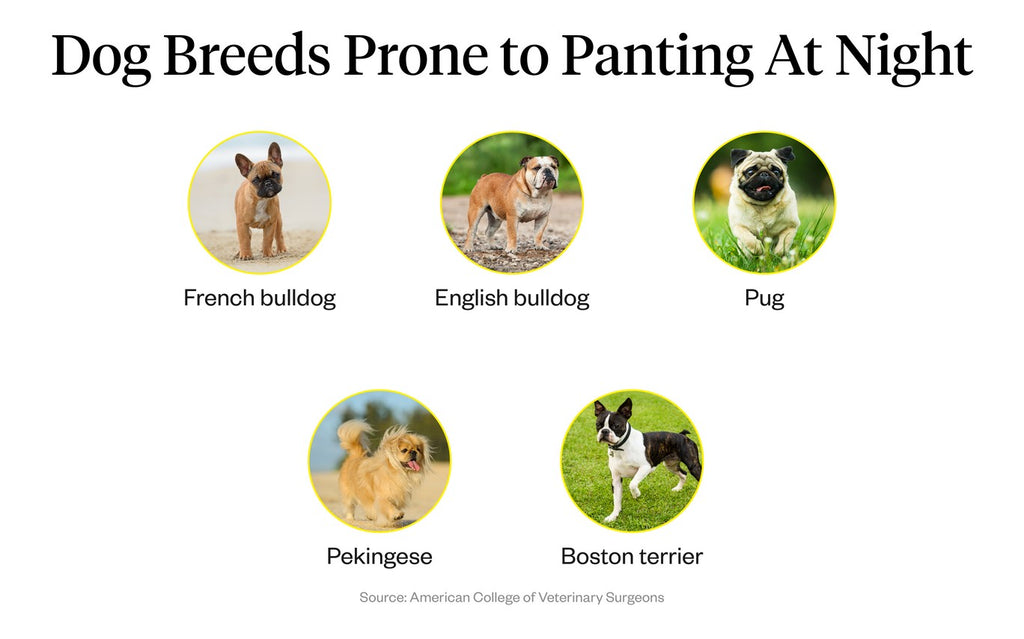
Image Source: cdn.shopify.com
Exploring Simple Reasons for Nighttime Panting
Sometimes, the causes of night panting in dogs are not scary. Dogs pant for many reasons, even when it is cool outside. Knowing the basics helps you rule out easy fixes first.
Temperature and Comfort Checks
Dogs cool down by panting. If the room is too warm, your dog will pant to drop its body temperature.
- Room Temperature: Is your bedroom warmer than usual?
- Bedding: Is your dog’s bed too thick or heavy? A thick bed can trap heat.
- Cozy Spots: Sometimes dogs choose warm spots, like near a vent, and then get too hot.
If you adjust the room temperature and the panting stops, the issue was just about staying cool.
Recent Activity Levels
A very active day can lead to panting that lasts into the night.
- Strenuous Play: Did your dog have a long run or a tough game of fetch right before bedtime?
- Excitement: Sometimes excitement carries over. A busy evening with visitors can keep a dog keyed up.
If the panting fades after a short time, it is likely tied to their day’s exercise.
Medication Side Effects
Certain medicines can make dogs pant more. This is a common side effect for some drugs.
- Steroids are known to increase thirst and panting.
- Some heart or pain medications can have this effect.
Always check the side sheet that comes with your dog’s prescription.
Deciphering Behavioral Causes of Night Panting
When health issues are ruled out, the next area to check is your dog’s state of mind. Dog panting at night due to anxiety is very common.
Separation Distress and Loneliness
Dogs are pack animals. Being alone, even in the next room, can cause stress.
- New Environment: Did you recently move? A new home can make dogs feel lost.
- Change in Routine: If you started working longer hours, your dog might miss you at night.
- Sleeping Arrangements: If your dog used to sleep with you but now sleeps alone, this change can cause distress.
If you hear whining or pacing along with the panting, anxiety is a likely culprit.
Noise and Environmental Stressors
The night world holds many noises that humans might not notice. These sounds can alarm a sensitive dog.
- Traffic Sounds: Loud trucks or trains passing by can startle them awake.
- Wildlife: Coyotes, raccoons, or even neighborhood cats outside can trigger a nervous response.
- Internal House Noises: Old houses make creaks and groans. These new sounds can make a dog feel unsafe.
This often results in restless dog panting at night as they try to locate the source of the noise.
Cognitive Decline (Senior Dogs)
Older dogs can experience changes in their brains, similar to dementia in people. This is called Canine Cognitive Dysfunction (CCD).
- Disorientation: Dogs with CCD often get confused, especially in the dark.
- Sundowning: Some older pets become more agitated as the sun goes down. This leads to nighttime breathing heavy dog episodes.
- Sleep Cycle Changes: They may wake up frequently and pant because they don’t know where they are.
If your dog is elderly and showing signs of confusion during the day too, CCD should be strongly considered.
Investigating Medical Reasons for Night Panting
When panting is persistent, loud, or happens every night for no clear reason, it signals a need for veterinary attention. Dog panting heavily at night no reason usually points to pain or illness.
Pain and Discomfort
Pain is a major cause of dog won’t stop panting at night. Dogs mask pain well, but heavy panting is often a sign they cannot hide their discomfort.
- Arthritis: Joint pain flares up when dogs lie still for long periods. They pant to cope with the steady ache.
- Dental Disease: Severe tooth pain can make resting impossible.
- Internal Pain: Issues like a bladder infection or stomach upset cause generalized stress felt as panting.
If your dog seems stiff when getting up in the morning, pain is a strong possibility.
Respiratory Problems
Any issue making it harder to breathe will cause increased panting, especially when lying flat.
- Laryngeal Paralysis: Common in large, older dogs, this condition means the voice box doesn’t open wide enough for easy air intake.
- Tracheal Collapse: The windpipe narrows, making breathing noisy and labored, often worse when excited or lying down.
- Pneumonia or Lung Issues: Infections or fluid in the lungs force the dog to work harder to get oxygen.
Loud snoring or raspy sounds along with the panting suggest a true breathing issue.
Heart and Circulatory Issues
When the heart isn’t pumping blood well, the body struggles to get oxygen to tissues. The dog pants to try and grab more air.
- Congestive Heart Failure (CHF): This is a serious cause. Fluid can back up into the lungs, causing shortness of breath, especially when lying flat (orthopnea).
- Heartworm Disease: This infestation damages the heart and lungs, leading to poor oxygen use.
If your vet hears a heart murmur or sees fluid on an X-ray, heart disease is a key concern for excessive nighttime dog panting.
Hormonal and Metabolic Diseases
Some internal chemical imbalances cause constant heat regulation problems or overall bodily stress.
- Cushing’s Disease (Hyperadrenocorticism): This disease involves too much cortisol. Symptoms include increased drinking, muscle wasting, and persistent panting.
- Thyroid Problems: An overactive thyroid (hyperthyroidism) speeds up the metabolism, making the dog feel hot and restless.
- Diabetes: Uncontrolled sugar levels can lead to breathing changes.
These conditions usually show other daytime signs, but panting often gets worse at night when other distractions fade away.
Addressing Sleep Panting: Why Is My Dog Panting in His Sleep?
It is unsettling to hear your dog panting while they are clearly asleep. This relates to their dreaming cycle.
REM Sleep and Dream Panting
Dogs cycle through sleep stages just like people. The Rapid Eye Movement (REM) stage is when vivid dreaming occurs.
- Dreaming Scenarios: If your dog is dreaming about running, chasing, or being anxious, they might twitch, whine, or pant lightly.
- Subtle Signs: This kind of nighttime breathing heavy dog is usually soft and brief. It stops as soon as they transition out of the REM cycle.
If the panting is light and they settle quickly back into deep sleep, it is likely harmless dreaming. If the panting wakes them up, look for other triggers.
Pain During Sleep Postures
Sometimes, a specific sleeping position puts pressure on the chest or joints, causing momentary discomfort that results in a sharp intake of breath or a short pant. Moving them to a different spot might solve this specific issue.
Determining When to Worry About Dog Panting at Night
How do you know if this is normal restlessness or a true emergency? The key is duration, intensity, and accompanying symptoms. When to worry about dog panting at night depends on these factors.
| Symptom Detail | Low Concern (Monitor) | High Concern (Contact Vet Urgently) |
|---|---|---|
| Duration | Brief episodes, resolves within 5 minutes of waking. | Panting continues for 15 minutes or more without stopping. |
| Intensity | Gentle, shallow breaths; dog seems comfortable otherwise. | Heavy, forceful panting; looks like gasping for air. |
| Gum Color | Pink and moist gums. | Gums look pale, blue, or very bright red. |
| Other Signs | Mild tail tuck, normal drinking/eating. | Excessive drooling, vomiting, collapse, or refusal to move. |
| Response | Calms down with gentle petting or water. | Cannot be soothed or settled down by owner interaction. |
If your dog truly won’t stop panting at night for an extended period, especially when combined with any signs in the “High Concern” column, seek immediate veterinary care.
Steps for Managing Nocturnal Panting
Once you have checked the basics and consulted with your vet to rule out serious medical causes, you can focus on management strategies to reduce anxiety and improve comfort.
Adjusting the Sleep Environment
Making the sleep area a true sanctuary can help dogs relax enough to sleep deeply.
- Cool it Down: Aim for a slightly cooler room temperature, perhaps 65–70°F (18–21°C).
- Comfortable Bedding: Use orthopedic or cooling gel beds if pain or heat is suspected. Ensure the bed is not too heavily padded.
- White Noise: Use a fan or a white noise machine. This blocks sudden outside sounds that trigger anxiety. This helps dogs who are panting due to startling noises.
- Darkness Control: If CCD is suspected, a small nightlight can reduce disorientation.
Pre-Bedtime Routine Adjustments
A predictable, calm routine signals to the dog that it is time to wind down, helping reduce dog panting at night due to anxiety.
- Wind-Down Period: Start the calming routine at least one hour before bedtime.
- Gentle Exercise: A short, calm walk is better than high-energy play right before bed.
- Calming Rituals: A gentle massage or quiet cuddle time helps release tension. Avoid exciting interactions just before sleep.
- Feeding Schedule: Do not feed large meals right before bed, as digestion can cause mild discomfort or raise body temperature.
Veterinary Support for Chronic Issues
If medical conditions are the root, your veterinarian will create a targeted treatment plan.
- Pain Management: Non-steroidal anti-inflammatory drugs (NSAIDs) or other pain relief can drastically reduce pain-related panting.
- Anxiety Medication: For severe separation anxiety or generalized anxiety disorders, anti-anxiety medications may be prescribed for nighttime use.
- Heart Medications: If heart disease is present, medications will be used to help the heart pump more efficiently, reducing the need to pant for air.
Fathoming the Connection Between Panting and Breathing Quality
When we discuss nighttime breathing heavy dog, we are assessing the effort the dog is putting into each breath. Normal resting respiration for a dog is typically 10 to 30 breaths per minute. When this rate doubles or triples, it requires attention.
Heavy panting means the dog is using accessory muscles in the chest and abdomen to pull air in and push it out. This expends energy and causes fatigue, making the cycle worse.
Assessing Airway Obstruction
Sometimes, the panting isn’t about temperature or anxiety but a physical blockage.
- Brachycephalic Breeds: Pugs, Bulldogs, and Boxers often struggle at night due to their short snouts (Brachycephalic Obstructive Airway Syndrome or BOAS). Lying flat can worsen the obstruction. These dogs often need special sleeping positions or surgical correction.
- Foreign Objects: Rarely, a piece of grass or toy fragment can lodge in the back of the throat, causing nighttime distress.
If you notice your dog struggling to inhale deeply, look for signs of a blocked airway, such as gagging or reverse sneezing.
Hydration and Body Fluid Balance
Dehydration forces the body to work harder to regulate temperature, leading to increased panting even when the environment seems cool. Ensure your dog has access to fresh water throughout the evening, but avoid making them drink excessively right before bed, which can lead to middle-of-the-night potty trips that disrupt sleep.
Frequently Asked Questions (FAQ)
Is it normal for a dog to pant heavily when dreaming?
It can be normal for a dog to pant lightly or twitch during REM sleep, as they are acting out dreams. However, heavy, sustained panting that wakes the dog up is usually not normal dreaming behavior and suggests discomfort or stress.
My dog pants heavily at night but seems fine during the day. Does this matter?
Yes, it matters. Panting is a sign of internal stress or physical change. If it only happens at night, it suggests issues related to darkness, isolation, pain that worsens at rest, or nighttime medication peaks. Always discuss this with your vet.
Can old age cause my dog to suddenly start panting at night?
Yes. As dogs age, they often develop arthritis, which hurts more when they are still. Older dogs are also prone to Canine Cognitive Dysfunction (CCD), which causes confusion and restlessness at night, leading to panting.
What should I do immediately if my dog is panting heavily and I don’t know why?
First, try to calm the environment: move the dog to a cooler, quieter spot. Offer a few sips of water. Observe the color of their gums—if they are blue or pale, treat it as an emergency. If the heavy panting does not stop within 10-15 minutes, call your veterinarian.