
When can my dog run after spaying? Generally, dogs should not run or engage in rough play for about 10 to 14 days after spaying surgery.
Spaying, or ovariohysterectomy, is a routine procedure for female dogs. However, even routine surgery requires careful attention during the recovery phase. Knowing what to expect helps you provide the best care. This guide will walk you through the days and weeks following your dog’s operation. Good post-operative care for spayed dogs sets the stage for a quick return to normal health.
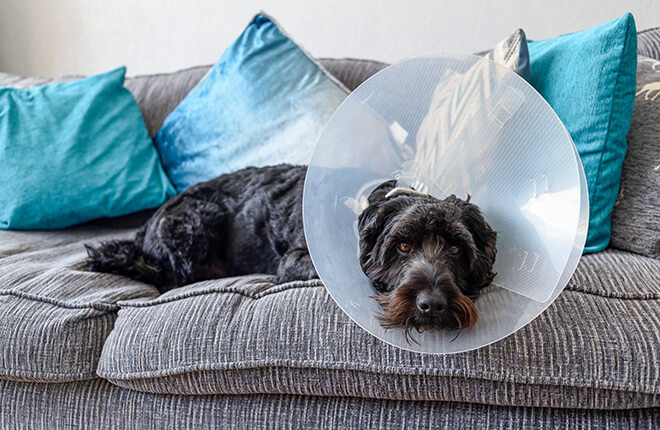
Image Source: images.contentstack.io
The Immediate Aftermath: Coming Home
Your dog will likely feel groggy and maybe a little sick when you bring her home. This is normal. Anesthesia wears off slowly.
Feeling Groggly and Disoriented
The drugs used to keep your dog asleep during surgery cause drowsiness. She might be wobbly when she walks. She might also seem confused or overly sleepy.
- Keep her quiet when you arrive home.
- Provide a soft, warm, draft-free spot to rest.
- Do not let her jump on or off furniture by herself.
- Expect this grogginess to last for several hours, maybe up to 24 hours.
Pain Management at Home
Your vet will send home pain medication. This is a vital part of dog recovery after spay surgery. Do not skip doses, even if your dog seems fine. Pain can hinder healing.
- Give all medications exactly as prescribed.
- Never give human pain relievers like Tylenol or ibuprofen. They are toxic to dogs.
- If the pain medicine makes her throw up, call your vet right away.
Managing Your Dog’s Energy After Spaying
Rest is the most important thing for healing incisions. Managing your dog’s energy after spaying requires strict control for the first two weeks. Sudden movement can tear stitches inside or outside the body.
Activity Restriction: The Golden Rule
For at least ten days, activity must be very limited. This means no running, no jumping, and no playing with other dogs.
- Leash walks only: Keep walks very short and slow. These are just for bathroom breaks.
- No stairs: Carry small dogs up and down stairs if possible. For larger dogs, help them use stairs slowly, one step at a time.
- Crate Rest: Crate rest is often the best way to ensure rest. If your dog is used to a crate, this is the safest place for her when you cannot supervise her.
Dealing with Restlessness
A young, energetic dog will hate being told to rest. They often feel much better after 48 hours and want to play. This is the most dangerous time because they feel well enough to injure themselves.
- Provide safe, quiet toys.
- Puzzle toys or stuffed Kongs can keep her mind busy without moving her body much.
- Enforce rest time firmly. A few extra days of strict rest save weeks of complications later.
Caring for the Surgical Site
The incision site needs daily checking. Incision care after canine spay is key to preventing problems. The incision is usually a line of stitches or staples on the belly.
Daily Inspection
Look at the incision at least twice a day. Use good lighting. Do not let your dog lick the area while you check.
What you should see:
* A clean, closed line.
* Slight redness is okay initially.
* Mild swelling along the edges is normal for the first few days.
What you should not see:
* Pus or yellowish/green discharge.
* A foul smell coming from the wound.
* Gaps in the incision where the edges pull apart.
* Significant, increasing swelling.
Preventing Licking: The Cone of Shame
The biggest threat to a fresh incision is your dog’s tongue. Dog licking incision after spay introduces bacteria and can pull stitches out.
Most vets send home an Elizabethan collar, often called the “cone of shame.” It is bulky, but it works.
Cone of Shame Alternatives for Dogs
Many owners look for less intrusive options. While cones are the gold standard, here are some alternatives you can discuss with your vet first:
- Surgical Recovery Suits (Onesies): These cover the entire incision area with soft fabric. They prevent licking while allowing the dog to eat and drink comfortably.
- Inflatable Donut Collars: These look like soft neck pillows. They prevent the dog from turning its head far enough to reach the incision. Ensure the dog still cannot reach the site.
- Medical Pet Shirts: Similar to onesies, these are very soft and breathable. They work well for smaller dogs.
Important Note: If your dog is very clever or persistent, the traditional cone may still be necessary until the vet says it can come off.
Diet and Hydration Post-Surgery
How and when to feed your dog affects her recovery. Feeding your dog after spaying requires a slow, careful approach initially.
The First Night Home
Anesthesia often upsets the stomach. Your dog might not want to eat or drink right away.
- Offer a small amount of water first. Wait 30 minutes. If she keeps it down, offer a little more.
- When offering food, give only about a quarter of her normal meal size. This prevents vomiting.
- If she eats this small amount well, you can offer a little more later, or wait until the next morning.
Normalizing Food Intake
By the second day, your dog should be eating and drinking near-normally.
- If she refuses food for more than 24 hours after coming home, call the vet.
- Stick to her regular dog food unless your vet advised a bland diet (like plain boiled chicken and rice).
- Do not give her extra treats to make up for missed meals. Extra calories can lead to too much energy later!
Monitoring for Complications: When to Call the Vet
Knowing the warning signs is crucial. When to call vet after dog spay is not a time to wait and see. Call immediately if you notice signs of infection or serious problems.
Recognizing Signs of Infection After Dog Spay
Infection is rare if proper care is followed, but it happens. Recognizing signs of infection after dog spay quickly means faster treatment.
Contact your veterinarian immediately if you observe:
| Symptom | Severity Level | What It Means |
|---|---|---|
| Discharge (pus, strong smell) | High | Likely infection in the incision. |
| Opening of the wound | High | Internal or external sutures have failed. |
| Excessive bleeding | High | Persistent bleeding, more than a few drops. |
| Persistent vomiting/diarrhea | Medium to High | Could be a reaction to medication or internal pain. |
| Lethargy after Day 3 | Medium | Lack of energy when she should be improving. |
| Pain when touched near incision | Medium | Could indicate deep inflammation or infection. |
Incision Care After Canine Spay: When Stitches Come Out
Most vets use dissolvable sutures internally. External stitches or skin glue might need removal in 10 to 14 days.
- If your vet used removable external stitches, schedule the follow-up appointment before you leave the clinic.
- Do not try to cut out any stitches yourself if they seem loose or broken before the appointment.
Two Weeks Post-Surgery: The Return to Normal Activity
The two-week mark is crucial. This is often when the internal tissues have gained enough strength.
Fathoming When Your Dog Can Resume Full Play
When can my dog run after spaying? Most veterinarians clear dogs for normal activity, including walks, light jogging, and gentle play, at the 10 to 14-day checkup, provided the incision looks perfect.
- Wait for the vet’s explicit clearance. Do not guess.
- If the incision was complicated or if your dog is very active, the vet might extend the rest period to three weeks.
- Start slowly. Don’t let her run full speed on day one after clearance. Build up to full activity over a few days.
Sexual Activity and Heat Cycles
Spaying removes the ovaries, meaning your dog will never go into heat again. She cannot get pregnant. You do not need to worry about her attracting male dogs.
Comprehending the Changes in Behavior and Body
Spaying is more than just removing reproductive organs; it removes hormones. This can lead to subtle long-term changes.
Weight Management
Because the main source of estrogen is gone, your dog’s metabolism can slow down slightly. This is why careful feeding your dog after spaying is important long-term, not just short-term.
- Monitor her weight closely over the next few months.
- If she gains weight, you may need to slightly reduce her food portion or increase gentle exercise (once cleared).
Temperament Shifts
Some owners notice behavioral changes. This is often because they never experience the hormonal surges of a heat cycle.
- Some dogs become slightly calmer.
- Other dogs, especially if spayed very young, might show increased boldness or reactivity later because they missed out on hormone exposure during critical development stages.
Detailed Checklist for Home Recovery
Use this checklist to ensure you cover all bases during dog recovery after spay surgery.
| Day/Time Frame | Key Action Required | Notes |
|---|---|---|
| Day 1 (First 24 hours) | Strict rest, small food/water amounts, monitor alertness. | Keep the environment quiet and warm. |
| Days 2-5 | Medicate consistently, monitor incision twice daily, enforce rest. | Watch closely for signs of infection after dog spay. |
| Days 5-10 | Maintain strict rest, use cone of shame alternatives for dogs if appropriate. | This is when they feel best but need restraint most. |
| Days 10-14 | Schedule follow-up check. No running or jumping until cleared. | Focus heavily on incision care after canine spay. |
| After Day 14 | Gradual return to normal activity, long-term weight monitoring. | Confirm with vet when can my dog run after spaying. |
Frequently Asked Questions (FAQ)
Is it normal for my dog to be lethargic for a full week?
Mild lethargy for 2-3 days is normal. If your dog is still very sleepy, won’t get up to go potty, or shows no interest in eating after 3 days, this warrants a call to the vet. Extreme lethargy beyond 72 hours needs professional assessment.
My dog keeps whining. Is this just pain?
Whining can be pain, but it can also be boredom or anxiety related to the cone or restricted activity. If the whining is high-pitched, frantic, or worse when you try to move her, it’s likely pain. Give the scheduled pain medication. If the whining doesn’t stop 30 minutes after medication, call your vet.
How long should I worry about my dog licking incision after spay?
You should worry about licking every moment until the vet says the incision is fully healed, usually 10-14 days. Even one moment of unsupervised licking can undo days of healing. Continuous or aggressive licking must be stopped immediately with a cone or suit.
What should I do if my dog tries to hide her incision?
If your dog is trying to hide her belly area or seems uncomfortable when you approach, she might be protecting pain or swelling. Use gentle hands and good light to check the area. If she seems aggressive or highly sensitive, stop the exam and call the clinic.
Can I bathe my dog during recovery?
No. Do not allow your dog to get the incision wet for at least 10 to 14 days, or until your vet gives the okay. Water, especially soapy water, can soften the stitches and introduce bacteria, raising the risk of signs of infection after dog spay. Sponge baths with a damp cloth are fine for cleaning the rest of her body if needed.