
Orange stool in dogs often means something in their diet or digestive system has changed. If you see orange stool in dogs, it usually points to a few common causes, most of which are minor. However, persistent color changes, especially when paired with other symptoms, need attention.
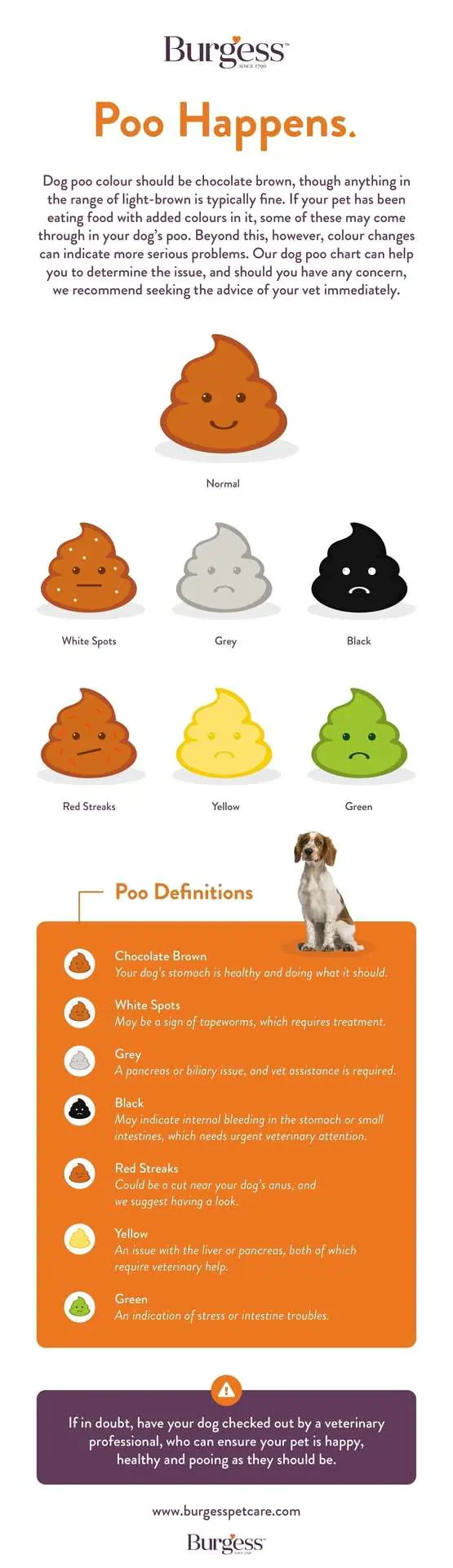
Image Source: www.burgesspetcare.com
Recognizing Changes in Canine Stool Color
Your dog’s poop color is a key sign of their inner health. A healthy dog usually has stool that is brown, firm, and easy to pick up. When the color shifts, it tells a story. Dog poop color chart variations happen often. Yellow, green, black, red, or orange can all show up.
What Orange Poop Usually Indicates
Orange dog poop is a noticeable change. It often suggests that bile, the greenish-yellow fluid made by the liver to help digest fats, is moving through the gut too quickly. When bile moves fast, it does not have time to break down into the normal brown pigments. This results in a yellow or bright orange dog poop.
We must look at the entire picture. Is the poop just a bit orange? Or is it very bright and watery? These details matter a lot.
Primary Reasons for Orange Dog Stool
There are several reasons why your dog might have orange poop. Some are simple diet changes. Others point toward mild sickness or a more significant health issue.
Dietary Factors: Dog Eating Something Orange
The most common cause is often the simplest: your dog ate something orange. Dogs are known for eating things they shouldn’t.
Artificial Dyes and Food Coloring
If your dog ate dog treats, colored kibble, or even certain human foods with bright dyes, the color can pass right through.
- Brightly colored dog biscuits: Many treats use food coloring for appeal.
- Carrots or sweet potatoes: While natural, a large amount of beta-carotene (found in orange veggies) can tint stool.
- Human foods: Cheese puffs, orange candies, or even food scraps with coloring agents can cause this.
If the color change stops after one day and your dog acts normal, this is likely the reason. Look closely at what your dog ate in the last 24 hours.
Sudden Diet Changes
Switching your dog’s food too quickly can cause a temporary upset. This rapid change affects how fast food moves through the intestines.
- New brand of food: Even if it’s a quality food, the different ingredients can alter stool texture and color temporarily.
- Adding rich food: A sudden serving of fatty table scraps can speed up digestion, leading to orange or yellow feces.
Digestive Upset and Bile Movement
When food passes through the system too quickly, we see soft dog stool color changes, often leaning toward orange or yellow. This rapid transit is key.
Rapid Intestinal Transit Time
Bile is produced in the liver. It starts green, turns yellow, and then brown as it mixes with waste. If food rushes through, the bile stays yellow or orange. This often happens during episodes of dog diarrhea causes.
What causes orange dog poop related to speed?
- Stress or anxiety.
- Eating spoiled food.
- Reaction to a new medication.
This scenario is often linked to mild canine digestive upset.
Issues with Bile Flow
The liver produces bile. The gallbladder stores it. Bile must be released into the small intestine to break down fats. If there is a problem with this system, the color changes.
If the bile is not released correctly, or if the flow is blocked, the stool color can be pale. However, if the flow is erratic or too much is present due to irritation, it can appear orange. This is less common than rapid transit but possible.
Intestinal Parasites and Infections
Sometimes, inflammation in the gut speeds things up. This irritation can be caused by parasites or mild bacterial overgrowth.
- Whipworms or hookworms: These parasites irritate the intestinal lining. This irritation can cause diarrhea and faster movement of contents, resulting in orange stool.
- Mild bacterial imbalance: A small infection can cause inflammation, leading to temporary diarrhea and color changes.
If you suspect parasites, you will likely see other signs, such as weight loss or visible worms.
When to Worry: Linking Color to Severity
It is essential to know when to worry about dog poop color. A single instance of orange poop after a known dietary indiscretion is usually not a crisis. However, if the orange color persists or comes with other symptoms, you need to act.
Pairing Orange Poop with Other Symptoms
The biggest concern arises when dog sick vomiting diarrhea is happening alongside the color change.
| Symptom Pairing | Potential Concern | Action Needed |
|---|---|---|
| Orange Poop + Normal Energy | Diet change, minor upset | Monitor closely for 24 hours. |
| Orange Poop + Soft Stool/Diarrhea | Rapid transit, mild irritation | Adjust diet to bland food. |
| Orange Poop + Vomiting + Lethargy | Serious infection, blockage, liver issue | Contact vet immediately. |
| Bright Orange Poop + Mucus | Severe gut inflammation | See a veterinarian soon. |
If your dog is acting normally—eating, drinking, and playing—but has orange poop for just one day, keep watching. If it lasts more than two days, call your vet.
The Difference Between Orange and Yellow
While often related, very yellow stool versus distinctly orange stool can mean slightly different things regarding bile processing.
- Yellow Stool: Usually indicates significant fat malabsorption or very rapid transit.
- Orange Stool: Often suggests the presence of food coloring or bile that is actively being processed quickly.
If the poop is pale yellow to beige, this can signal a more serious liver or gallbladder issue where bile is not reaching the stool at all. Orange dog poop usually suggests the bile is present but moving too fast.
Investigating Causes: A Step-by-Step Guide
When you notice soft dog stool color changes to orange, follow these steps to determine the cause.
Step 1: Review the Last 48 Hours of Ingestion
Did your dog get into the trash? Did you introduce new treats? Did they snack on something brightly colored outside?
- Check the yard: Look for remnants of dropped food or unusual plants eaten.
- Review treat containers: Are you using a new brand of chew or biscuit?
If you find a likely culprit (like a bag of orange cheese snacks), the solution is simple: remove that item from their diet immediately.
Step 2: Assess Stool Consistency and Frequency
Is the poop just soft, or is it full-blown diarrhea? How often is your dog going?
- Increased frequency: More trips to the bathroom mean faster movement through the colon, leading to orange color.
- Mucus: The presence of clear slime (mucus) often signals inflammation in the large intestine.
Step 3: Evaluate Overall Well-being
This is the most crucial step. A sick dog will show signs beyond their droppings.
- Appetite: Is your dog refusing food or water?
- Energy: Are they hiding, sleeping more, or unwilling to play?
- Pain signs: Are they whining, guarding their belly, or straining to defecate?
If you see signs of severe illness, do not wait.
Dietary Management for Mild Orange Stool
If the vet rules out serious issues, or if the orange stool seems related to mild canine digestive upset, simple dietary adjustments can help firm things up and normalize the color.
Implementing a Bland Diet
A bland diet gives the digestive tract a rest. It provides easy-to-digest food that slows down transit time.
What to feed for 2-3 days:
- Protein Source: Plain, boiled, skinless, boneless chicken breast OR lean ground beef (drained of all fat).
- Carbohydrate Source: Plain white rice, boiled until very soft.
Feeding Instructions:
- Mix 1 part protein to 2 parts rice.
- Feed small, frequent meals (3-4 times a day). This is easier on the gut than two large meals.
- Once stool firms up and returns to brown, slowly mix in their regular food over several days to prevent recurrence.
Hydration is Key
Diarrhea, even mild, leads to fluid loss. Ensure your dog has constant access to fresh, clean water. If your dog is vomiting, you may need to offer small amounts of water frequently rather than letting them gulp a lot at once.
Potential Serious Causes of Colored Stool
While often benign, persistent orange or yellow stool can sometimes signal problems with major organs. This is why observing the duration and accompanying symptoms is vital.
Liver and Gallbladder Issues
The liver makes bile. If the liver is diseased, it might not produce enough bile pigment, leading to pale, clay-colored, or sometimes strangely colored stool. Conversely, issues affecting bile release can cause strange colors if the digestive process is disrupted.
Signs of serious liver trouble often include:
- Jaundice (yellowing of gums or eyes).
- Extreme lethargy.
- Vomiting that won’t stop.
Pancreatitis
The pancreas produces enzymes vital for breaking down fats. If the pancreas is inflamed (pancreatitis), fats are not digested well. This can lead to fatty, greasy, or pale stools, which can sometimes appear yellowish-orange due to the excess undigested fat. Pancreatitis is very painful and requires immediate veterinary care.
Small Intestinal Bacterial Overgrowth (SIBO)
An imbalance in the gut bacteria can cause rapid transit and inflammation. SIBO often presents as chronic soft stool, gas, and sometimes unusual colors like orange or yellow, reflecting poor absorption.
Utilizing the Dog Poop Color Chart for Reference
When checking stool, reference a dog poop color chart mentally. This helps you track whether the change is moving toward normal or worsening.
| Color | What It Often Means | Urgency Level |
|---|---|---|
| Brown (Normal) | Healthy digestion | Low |
| Orange/Yellow | Rapid transit, diet change, excess bile | Medium (if persistent) |
| Green | Very fast transit, eating grass, bile issues | Medium |
| Black/Tarry | Bleeding high in the GI tract (old blood) | High |
| Red Streaks | Bleeding low in the GI tract (fresh blood) | High |
| White/Clay | Lack of bile, serious liver/gallbladder concern | High |
If you see black or red, this is an emergency. Orange is usually less urgent but demands attention if it lingers.
When to Contact Your Veterinarian
You need professional advice if you notice any of the following scenarios regarding your dog’s stool:
- Persistence: The orange color lasts more than 48 hours, even after switching to a bland diet.
- Severe Symptoms: The orange stool is accompanied by repeated vomiting, severe lethargy, or refusal to drink water.
- Pain: Your dog seems uncomfortable, cries, or strains excessively during defecation.
- Fever: You notice signs of fever along with the dog sick vomiting diarrhea.
- Weight Loss: You notice unintentional weight loss over a week or two alongside chronic soft dog stool color changes.
A vet will likely perform a physical exam, ask detailed questions about diet, and may request a fecal sample to check for parasites or an issue with bacterial balance.
Preventing Future Stool Color Surprises
Preventing strange stool colors often comes down to good digestive hygiene.
Consistency in Feeding
Stick to a high-quality, consistent diet recommended by your vet. If you must switch foods, do it slowly over 7 to 10 days, mixing increasing amounts of the new food with decreasing amounts of the old. This gradual change is kinder to the gut.
Controlling Ingestion Hazards
Keep human foods, especially fatty or brightly colored processed snacks, completely out of reach. Dogs with a history of eating strange things (sometimes called “garbage gut”) need strict supervision when outside or when new items are brought into the home.
Regular Parasite Checks
Even if you use monthly preventatives, occasional checks are wise. If your dog spends time in dog parks or wooded areas, parasites are always a risk. Regular deworming protocols keep your dog’s intestines healthy, reducing inflammation that can cause dog diarrhea causes.
Fathoming the Connection Between Diet and Digestion
The color of your dog’s output is a direct reflection of what happened in their stomach and small intestine an hour or two before. Think of it like a quick processing line.
When everything works well, the line moves at the right pace, and the final product is uniform brown. When the line speeds up—due to irritation, dietary distress, or illness—the product doesn’t get fully processed, resulting in a lighter, sometimes bright orange dog poop.
If your dog has recently been on antibiotics, this can wipe out good gut bacteria, leading to temporary digestive chaos and unusual stool colors, including orange. Probiotics can often help restore balance in these cases, under veterinary guidance.
Frequently Asked Questions About Orange Dog Poop
Why is my dog’s poop orange but firm?
If the poop is orange but still firm and well-formed, the most likely cause is the ingestion of something artificially colored, like dog treats or human snacks containing yellow/orange dye. Since the stool is firm, it means transit time was normal, and the color is just surface-level contamination.
Can stress cause orange stool in my dog?
Yes, significant stress or anxiety can trigger a rapid transit time in a dog’s digestive system. When food moves too fast, bile does not fully convert to brown pigment, leading to yellow or orange stool. This is a form of mild canine digestive upset.
Is bright orange dog poop an emergency?
Bright orange dog poop itself is rarely an emergency unless it happens alongside severe symptoms like continuous vomiting, extreme weakness, or painful abdomen. If it is a one-off event, monitor closely. If it continues for over two days, call your vet.
What if my dog has diarrhea and orange poop?
Diarrhea combined with orange stool strongly suggests rapid transit through the small intestine, allowing bile to exit before it turns brown. This often happens with mild dog diarrhea causes, like a dietary indiscretion. Bland diets and hydration are the first lines of home care.
How long does it take for food coloring to pass through a dog?
Generally, food coloring added to dog food or treats will pass through the digestive system within 24 to 48 hours. If you see the orange color for longer than two days, the cause might be related to how the dog is processing fats or bile, not just the dye itself.