
Yes, you can and should wash reusable dog diapers. Washing reusable dog diapers is key to keeping your pet healthy and saving money. This guide shows you the right way to clean cloth dog diapers. We will cover everything from quick rinsing to deep sanitizing.
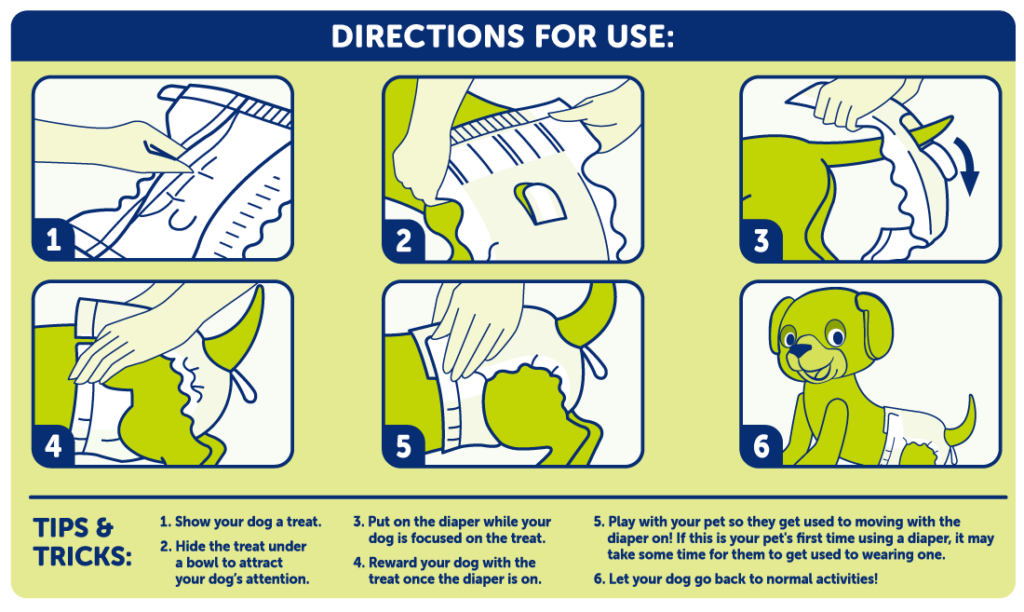
Image Source: www.hartz.com
Why Reusable Dog Diapers Need Special Care
Reusable dog diapers are great. They save trash and money. But they hold waste. This means proper cleaning is very important. If you don’t clean them well, bad smells can stay. Germs can also cause skin issues for your dog. Having a good dog diaper laundry routine makes life much easier.
The Initial Cleanup: Before the Wash
Before any machine washing, you must remove the solid waste. This step is crucial for good results. It also protects your washing machine.
Rinsing and Pre-Treatment
Soaking dog diapers is often the first step for heavy soiling.
Immediate Rinse
As soon as you remove a dirty diaper, rinse it. Take it straight to the toilet or a utility sink. Use cold water. Cold water helps stop stains from setting in. Quickly flush away any solids.
Soaking for Heavy Soil
If you cannot wash right away, prepare for soaking dog diapers.
- Use a dedicated soaking bucket. Do not use a bucket you use for dishes.
- Fill the bucket with cold water. Add a splash of white vinegar or a diaper pre-soak solution. Vinegar helps break down odors naturally.
- Soak for no more than 30 minutes for heavily soiled items. Too long can damage elastics.
- Never soak diapers with bleach.
Dealing with Liners and Inserts
Many dog diapers use removable pads or liners.
- Remove the liners or inserts completely. Wash these separately or with the diaper shell.
- If you use flushable liners, flush them down the toilet. Never put them in the trash if you can flush them easily.
The Main Event: Washing Reusable Dog Diapers
The washing machine is your best friend here. But you need the right settings. This section covers the best way to wash dog diapers.
Sorting Your Laundry
Keep diapers separate from regular clothes. Pet waste carries bacteria. Even though the wash cycle cleans them, it is safer to keep them apart.
- Wash diapers only with other pet items, like washing puppy pads or reusable pee pads.
- Do not overload the washer. Diapers need room to move for a thorough clean.
Detergent Choices
What soap you use matters a lot.
- Use a high-quality, enzyme-based detergent. Enzymes break down proteins found in urine and feces.
- Avoid detergents with heavy perfumes or fabric softeners. These can clog the fabric’s tiny pores. This is often called “repelling.” Once fabric repels, the diaper won’t absorb well.
- Use only half the amount of detergent you normally use. Too much soap leaves residue behind.
Water Temperature Settings
The right heat level is vital for sanitizing dog diapers.
- Pre-Rinse Cycle: Always start with a cold water rinse cycle. This removes remaining loose debris without cooking stains in.
- Main Wash Cycle: Use warm or hot water for the main wash. Hot water (around 130°F or 54°C) is best for killing germs. This is essential for sanitizing dog diapers. If the diaper material is delicate, use the warmest water safe for the fabric tag.
Rinse Cycles: The Key to No Residue
Rinsing is where many people go wrong when cleaning cloth dog diapers. Soap residue causes odors and irritation.
- Run at least two rinse cycles.
- If your machine has an extra rinse option, use it. This ensures all soap is gone.
- If you notice suds during the final spin, run another rinse cycle.
Advanced Cleaning: Odor and Stain Removal
Sometimes regular washing is not enough. You need specific steps for odor removal dog diapers and getting rid of tough spots.
Tackling Stubborn Odors
Lingering smells mean bacteria are still present or the fabric is holding onto residue.
Vinegar Boost
Add half a cup of distilled white vinegar to the rinse cycle. Vinegar is a natural deodorizer. It works as a fabric softener alternative without leaving residue.
Baking Soda Soak
For severe smells, try a baking soda soak before the wash.
- Mix one cup of baking soda into a gallon of warm water.
- Soak the diapers for a few hours.
- Then, wash them as normal.
Sun Bleaching (Natural Brightening)
For synthetic diapers, sunlight is a gentle brightener. After washing, hang the diapers outside. The UV rays help kill bacteria and naturally lighten stains. This is a safe way to aid in odor removal dog diapers.
Removing Stains from Dog Diapers
Yellowing or brown spots need direct action for removing stains from dog diapers.
- Oxygen Bleach (Color Safe): For tough stains on colored or synthetic diapers, use an oxygen-based bleach product (not chlorine bleach). Add this to the wash load according to the product directions, usually alongside your detergent. This is much safer for the fabric than chlorine bleach.
- Hydrogen Peroxide Spot Treatment: For very targeted, fresh stains, dab a little 3% hydrogen peroxide directly onto the spot before washing. Let it sit for 10 minutes, then wash immediately. Test this on a hidden area first to ensure color fastness.
Table 1: Stain and Odor Treatment Guide
| Problem | Recommended Action | Cycle Placement | Notes |
|---|---|---|---|
| Heavy Urine Odor | White Vinegar Soak/Add | Rinse Cycle | Use 1/2 cup. |
| Fecal Stains | Oxygen Bleach | Main Wash Cycle | Check fabric safety first. |
| Yellowing/Dullness | Sunlight Drying | After Washing | Natural sanitizing boost. |
| Residue Buildup | Extra Rinse Cycle | Final Rinse | Prevents diaper “repelling.” |
Sanitizing Dog Diapers
Sanitizing dog diapers is important, especially if your dog has a skin infection, like a yeast infection, or if you use them for a young puppy.
Sanitizing with Heat
Hot water washing (130°F+) is the primary method. If your machine allows a “Sanitize” cycle, use it. This cycle maintains a high temperature for a set time to kill most germs.
Vinegar Sanitizing Rinse
While heat is best, vinegar adds a sanitizing punch. After the main wash, use an extra rinse cycle with one cup of white vinegar. This helps ensure any surviving pathogens are neutralized.
Drying Dog Diapers Properly
How you dry the diapers affects their lifespan and effectiveness. Drying dog diapers properly maintains their fit and absorbency.
Tumble Drying Low
If you use a dryer, low heat is best. High heat damages the elastic bands and the waterproof PUL (polyurethane laminate) layer that keeps leaks contained.
- Tumble dry on the lowest setting possible.
- Remove them while they are still slightly damp.
Air Drying for Longevity
Air drying is the gentlest method and often prolongs the life of the diaper’s elastic.
- Hang them on a clothesline or a drying rack indoors or outdoors.
- Ensure good airflow around each diaper.
- Do not dry diapers in direct, harsh sunlight for long periods if they are synthetic, as this can break down the waterproof layer faster over time, though light sun exposure is fine for stain removal.
Creating Your Dog Diaper Laundry Routine
Consistency is key to success when washing reusable dog diapers. Set up a simple schedule.
Daily Tasks
- Rinse soiled diapers immediately with cold water.
- Store dry, soiled diapers in a designated, breathable container (like a mesh laundry bag or a pail with a loose lid). Do not let them sit wet for days.
Washing Frequency
Wash diapers every two to three days. This prevents excessive buildup of odors and bacteria, making the job easier.
Weekly Deep Clean
Once a week, add an extra step to your routine. This could be:
- A pre-soak with vinegar before the main wash.
- Running the load on the hottest setting your fabric allows for maximum sanitizing dog diapers.
Special Considerations
Some items require extra care, like pee pads or diapers for specific needs.
Washing Puppy Pads
Washing puppy pads is similar to diapers, but they might be less absorbent and have different materials.
- If they are just fabric layers, treat them like the diaper shells.
- If they have a plastic backing, check the care label carefully. Avoid high heat in the dryer to protect the plastic.
Diapers for Dogs with Medical Issues
If your dog has diarrhea or a severe infection, you must be extra diligent with sanitizing dog diapers.
- Use the hottest safe water setting.
- Consider adding a laundry sanitizer product specifically designed for pet items to the wash, following all instructions carefully.
- After washing, ensure complete drying, perhaps air drying in the sun for an extra barrier against germs.
Common Mistakes to Avoid
Making these errors can shorten the life of your diapers or leave them smelly.
Using Fabric Softener
Fabric softeners coat fibers with waxy chemicals. This stops the fabric from absorbing urine efficiently. It leads to leaks and odors trapped deep in the fibers. Avoid them completely when cleaning cloth dog diapers.
Using Too Much Detergent
More soap does not mean cleaner diapers. Excess detergent remains in the fabric. This causes stiffness and odors later on. Always use the lowest effective amount.
Washing Too Infrequently
Waiting too long allows urine salts and waste proteins to bind tightly to the fabric fibers. This makes removing stains from dog diapers and getting rid of smells nearly impossible without harsh chemicals.
Using Chlorine Bleach on PUL Layers
Chlorine bleach is harsh. It breaks down the elastic and ruins the waterproof PUL layer on modern diapers. Stick to oxygen bleach for whitening and sanitizing dog diapers.
Fathoming Diaper Care Terminology
Sometimes laundry labels use confusing terms. Here is a quick guide to help you care for your items better.
- PUL: The waterproof outer layer. Handle this gently during drying.
- Wicking: When moisture or odor seems to travel through the diaper when it shouldn’t. This is often caused by detergent buildup.
- Repelling: When the inner absorbent layers refuse to soak up water because soap residue has sealed the fibers. A strip wash (washing with just water and no soap) can sometimes fix this.
Frequently Asked Questions (FAQ) About Dog Diaper Laundry
Can I use fabric softener on dog diapers?
No, you should never use fabric softener on dog diapers. It clogs the absorbent fibers, leading to leaks and poor odor removal dog diapers. Use white vinegar in the rinse cycle instead for softening and deodorizing.
How many times should I wash my dog diapers before using them?
It is a good idea to wash new diapers once or twice before the first use. This removes any manufacturing residue and prepares the fabric to absorb fully.
Can I wash dog diapers and regular clothes together?
For safety, especially with heavily soiled diapers, it is best to wash diapers and washing puppy pads separately. If you must combine them, run an extra rinse cycle and use hot water for sanitizing.
How do I fix a diaper that smells right after washing?
This means you have a buildup issue or failed sanitizing dog diapers. Try stripping the diapers: soak them overnight in hot water with 1/4 cup of blue Dawn dish soap (a grease cutter). Rinse thoroughly until all suds are gone, then run a wash cycle using only hot water and an extra rinse.
What is the best way to store soiled diapers before washing?
Store soiled diapers dry. Keep them in an open pail or a hanging mesh bag. Do not seal them in plastic bins, as this traps moisture and causes mildew and very strong odors.
Are disposable liners okay to use with reusable diapers?
Yes, using flushable liners makes the pre-rinse and soaking dog diapers steps much faster and easier. Simply flush the liner and wash the cloth diaper shell.
How long should dog diapers last if washed correctly?
With a good dog diaper laundry routine following these best practices, most good quality reusable dog diapers should last for several years, even with daily use. Proper drying and avoiding harsh chemicals help them last longer.