
When a dog tucks its tail tightly between its legs, it almost always signals fear, anxiety, or submission. This common piece of dog communication tail behavior is a clear sign that your dog is feeling stressed or insecure in the current situation.
Deciphering canine body language is key to a strong bond with your pet. The tail is one of the most telling parts of a dog’s expressive toolkit. A tucked tail is a powerful signal. It tells us that the dog feels vulnerable. This article will delve deep into dog tail tucking meaning, helping you read these important dog fear signals. We will look at why dogs do this, what other signals accompany it, and how to help a stressed dog.
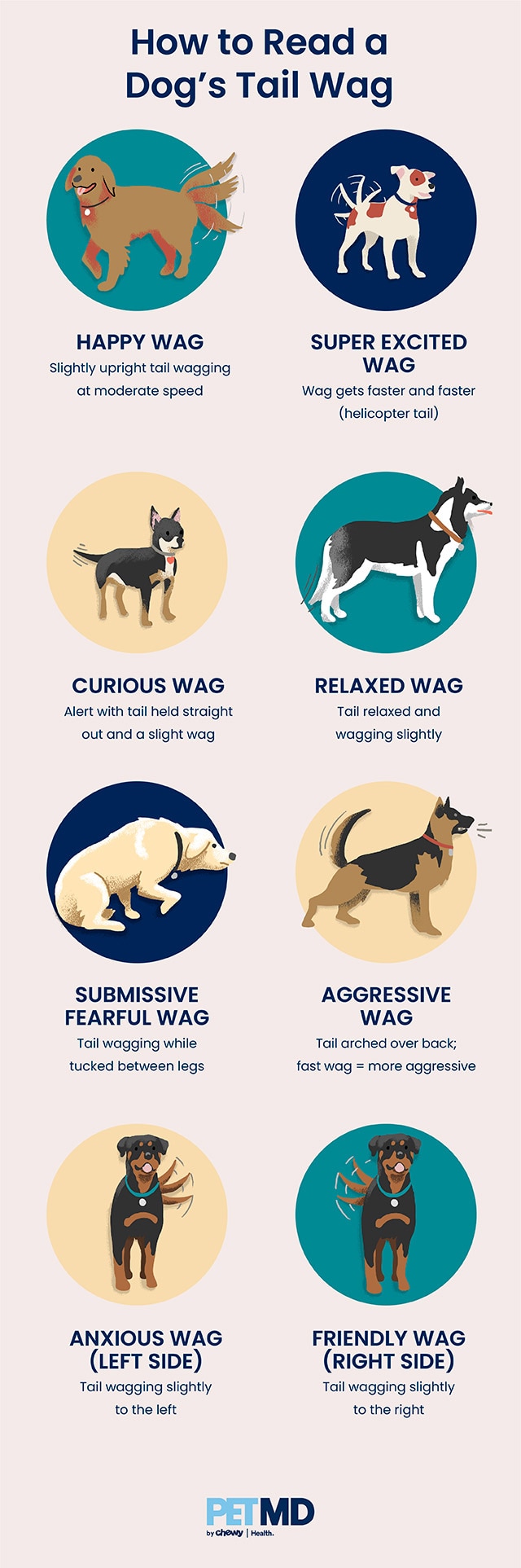
Image Source: image.petmd.com
The Science Behind the Tuck: Why Dogs Hide Their Tails
Why does my dog tuck its tail? The reason lies deep in canine biology and social structure. A dog’s tail serves several roles: balance, signaling, and scent dispersal. When a dog tucks its tail, it is trying to achieve two main things: minimize its silhouette and protect vulnerable areas.
Protecting the Core
The area between the back legs contains the anus and genitals. These are vital, sensitive parts of a dog. When a dog is scared or feels threatened, instinct tells it to cover these areas. Tucking the tail shields this region from potential attack. It is a primal defense mechanism.
Minimizing Threat Signals
In the dog world, size matters. A high, wagging tail often signals confidence or excitement. A low, still tail shows caution. A fully tucked tail sends the clearest message: “I am not a threat. Please leave me alone.” It makes the dog appear smaller and less confrontational. This dog appeasement behavior is designed to stop conflict before it starts.
The Role of Scent
Dogs have anal glands located near the anus. These glands release unique scent markers. When a dog is relaxed, the tail is often held in a neutral position, allowing these scents to waver freely. When the tail is tucked, these scent signals are blocked. This cuts off communication, which a stressed dog might want to do when feeling overwhelmed.
Reading the Full Picture: Contextualizing the Tuck
A tucked tail never exists in a vacuum. To truly grasp the dog tail tucking meaning, you must look at the whole dog. Observing other accompanying body language signs provides a complete picture of your dog’s emotional state.
Associated Signs of Stress and Fear
When a dog exhibits dog anxiety body language, several physical cues happen at once. The tail tuck is usually one of the most obvious, but watch for these others:
- Ears Pinned Back: Ears flattened against the head are a strong sign of fear or apprehension.
- Lip Licking: Quick flicks of the tongue out to the lips, often when no food is present. This is a classic calming signal.
- Yawning (When Not Tired): Dogs often yawn when stressed or uncertain.
- Avoidance of Eye Contact: Breaking gaze or looking away shows a desire to disengage.
- Crouching or Low Posture: The dog tries to make itself physically smaller, pulling its body low to the ground.
- Whale Eye: Showing the whites (sclera) of the eyes. This happens when the dog looks sideways, revealing the rim of the eye.
- Trembling or Shaking: Visible nervousness expressed through body vibrations.
- Hiding: Seeking physical barriers between themselves and the perceived stressor.
Interpreting Dog Submission Signs
Sometimes, a tucked tail is a direct act of submission. This is common when a dominant dog approaches a subordinate one, or when a dog greets a person it respects but fears slightly (like a stern owner returning home).
| Submission Level | Tail Position | Body Posture | Context |
|---|---|---|---|
| Mild Submission | Slightly lowered, slight wag | Head lowered, brief contact | Greeting a known, higher-status dog. |
| Moderate Submission | Tucked close to the body | Crouched low, avoiding eye contact | Being scolded or meeting an unfamiliar, imposing person. |
| Extreme Submission | Tightly tucked, vibrating | Belly down, sometimes urinating | Severe distress or intense fear reaction. |
This behavior shows the dog recognizes a hierarchy and is signaling that it means no harm. This is distinct from pure fear, as it often involves a slight, tentative wag near the base of the tail.
Dog Insecurity Body Language
A dog that frequently displays a tucked tail in various situations might be struggling with general insecurity. This suggests they lack confidence in their environment or social interactions. This dog unhappy tail position might be their default when unsure how to act. They default to the safest, least threatening posture.
Common Triggers for Tail Tucking
What specific situations cause a dog to adopt this defensive posture? The triggers vary widely based on the dog’s history, breed, and socialization.
Social Encounters
Meeting new dogs or people is a primary trigger. If a dog was poorly socialized, new encounters can be terrifying.
- Large, Boisterous People: Tall individuals who lean over the dog or move quickly can trigger a fear response.
- Other Dogs: An unfamiliar dog approaching stiffly or growling will almost certainly cause the tail to tuck.
- Veterinary Visits: The clinic setting itself—the smells, the strange handling, and the presence of other anxious animals—is highly stressful for many dogs.
Environmental Stressors
The world can be loud and overwhelming for a dog’s sensitive senses.
- Loud Noises: Thunderstorms, fireworks, construction sounds, or loud traffic can cause immediate anxiety.
- Unfamiliar Places: Entering a busy park or a new house where the dog doesn’t know the layout or the rules.
- Harsh Correction: If a dog has experienced physical punishment or severe scolding, the sight of a raised hand or an angry tone can instantly cause the tail to disappear.
Pain and Medical Issues
It is crucial to rule out physical causes when why does my dog tuck its tail becomes a frequent occurrence when there is no apparent stressor. Pain causes dogs to guard sensitive areas.
- Back or Hip Pain: If the tail hurts to move, or if movement aggravates pain in the lower back, the dog will naturally keep it still and low.
- Anal Gland Issues: Impacted or infected anal glands are extremely painful. A dog may tuck its tail to try and relieve pressure or protect the area.
- Injury: Any recent trauma to the rear end or tail itself will result in this protective posture.
If tail tucking starts suddenly without a clear behavioral trigger, a vet visit is essential to check for underlying physical problems.
Deciphering Different Tail Positions in Canine Communication
The tail offers a gradient of messages, not just an on/off switch for fear. Canine tail posture interpretation requires noting the exact height, tension, and movement.
The Neutral Tail
For most breeds, the neutral or natural tail carriage sets the baseline. This is the position the tail rests in when the dog is calm and relaxed, not actively engaging or stressed. This baseline varies greatly by breed. For a Greyhound, neutral might be low; for a Husky, it might be high and curved over the back.
High Tail Carriage
A tail held high, often stiffly, signals high arousal. This can mean confidence, alertness, or aggression, depending on the context. A highly elevated tail, perhaps with rapid, stiff wags, often means the dog is feeling very confident and ready to engage—sometimes aggressively.
Low Tail Carriage (But Not Tucked)
When the tail is held low, but not pressed against the body, it shows caution, apprehension, or mild uncertainty. The dog is saying, “I’m being careful right now.” This is less severe than a full tuck.
The Full Tuck: The Extreme End
As discussed, the full tuck is the most extreme signal of distress. The tail is pressed tightly against the perineum, often hidden completely under the belly or between the legs. This is the dog’s emergency “shut down” signal.
Tail Wag Interpretation
Even when tucked, the tail might still wag slightly. This is vital to notice.
- Relaxed Wag: Wide, sweeping, loose wags mean happiness.
- Stiff, Low Wag: A tight, fast, low wag often indicates conflict. The dog wants to be friendly but is scared. This is a classic sign of dog submission behavior mixed with anxiety. It is often seen when a friendly dog greets a stranger tentatively.
Assisting a Dog with a Tucked Tail
Once you identify that your dog is tucking its tail, your next step is to manage the situation to reduce their stress. The goal is to build confidence and create positive associations.
Immediate Steps During a Stressful Event
If your dog tucks its tail during an encounter (e.g., meeting a new dog):
- Create Space: Immediately increase the physical distance between your dog and the stressor. Do not force interaction.
- Interrupt Calmly: Use a neutral voice to call your dog away. Avoid high-pitched, excited tones, as this can increase their arousal.
- Do Not Comfort Excessively: While it’s natural to pet a scared dog, overly effusive petting (“It’s okay, you poor baby!”) can sometimes inadvertently reward the fear behavior. Instead, calmly lead them away to safety, then offer quiet, gentle reassurance once they are settled in a quiet area.
Long-Term Confidence Building
If dog insecurity body language is common, work on systematic desensitization and counter-conditioning.
- Positive Reinforcement Training: Focus on teaching your dog reliable commands (sit, stay, down) in low-distraction environments first. Success builds massive confidence.
- Controlled Exposure: If they fear strangers, start by having strangers stand far away (where the dog notices them but doesn’t tuck the tail) and toss high-value treats toward the dog without looking at them. Gradually decrease the distance over many sessions, only moving closer if the dog remains relaxed.
- Enrichment Activities: Activities that allow the dog to problem-solve—like puzzle toys, scent work, or supervised chew sessions—help them feel competent and in control.
Modifying the Environment
If specific environmental triggers cause the tucking, modify the environment as much as possible.
- If fireworks are the issue, use white noise machines or classical music to mask the scary sounds. Provide a safe “den” (like a crate covered with a blanket) where the dog can retreat.
- If greeting guests is hard, put your dog in another room with a long-lasting chew toy before the guests arrive. Let them decompress before a calm introduction, if one is necessary at all.
Breed Differences in Tail Carriage
It is essential to remember that what constitutes a “tuck” is relative to the dog’s breed standard. Some breeds naturally have tails that hang low or are very short.
| Breed Type | Typical Tail Carriage (Neutral) | Note on Tucking |
|---|---|---|
| Sighthounds (Greyhounds, Whippets) | Low, often curved sickle shape. | A true tuck is severe distress, as their normal carriage is already low. |
| Working/Herding Dogs (Shepherds) | Held level with the back or slightly above. | A tucked tail is a very clear, drastic signal of fear. |
| Spitz Breeds (Huskies, Malamutes) | Curled tightly over the back. | Tucking involves dropping the tail completely down the back, a huge postural shift. |
| Docked Breeds (Rottweilers, Boxers) | Very short or absent tail base. | Look for excessive crouching or hiding the rear end under the body, as the tail signal is limited. |
When assessing dog communication tail signals, always compare the current posture to that dog’s normal, relaxed carriage.
FAQ Section
Q: How long should I wait before assuming my dog is okay after tail tucking?
A: If the stressor is removed (e.g., the scary person leaves), monitor your dog closely. It may take 5 to 15 minutes for a highly stressed dog to fully relax its posture, breathing, and muscle tension. Keep the environment calm and quiet during this cool-down period. Do not immediately subject them to another high-arousal activity.
Q: Can a dog tuck its tail when it is happy?
A: No, not a true tuck. A happy dog has a relaxed, loose tail wag, often accompanied by a wiggly body. If the tail is tucked tightly against the body, even if the dog is wagging, it means the dog is experiencing conflict—wanting to greet you but being very fearful at the same time.
Q: My puppy constantly tucks its tail. Is this normal puppy behavior?
A: Mild tucking or low carriage is normal when puppies are learning social boundaries or encountering new things. However, if the puppy always tucks its tail, even when playing alone, it suggests underlying insecurity or perhaps fear learned from early negative experiences. Early, positive socialization is crucial to prevent chronic dog insecurity body language.
Q: What is the difference between submission and pure fear in tail tucking?
A: Submission usually involves a tucked tail accompanied by appeasement gestures like licking, rolling onto the side (exposing the belly), and a low, wiggly body. Pure fear often results in a rigid, tucked tail, intense avoidance, trembling, and efforts to flee or hide without the “inviting” belly-up posture associated with submission.