
A dog treat bully stick is made almost entirely from a bull’s pizzle. The pizzle is the dried, cooked, and stretched tendon or penis of a male bovine.
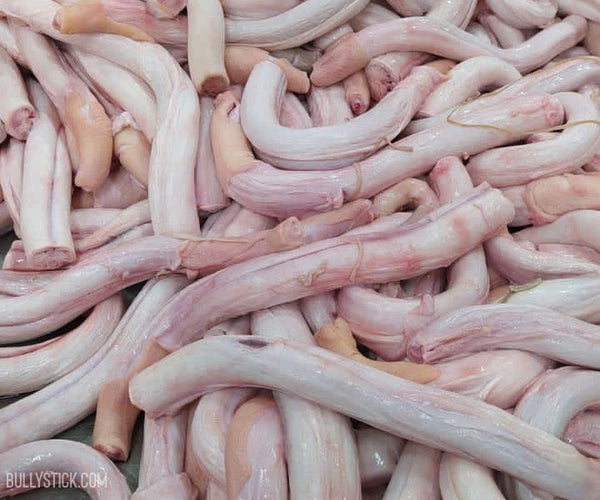
Image Source: cdn.shopify.com
Deciphering the Composition of Bully Sticks
Bully sticks have become one of the most popular chews for dogs today. Pet owners love them because they are highly appealing to dogs and often marketed as a safer, more natural choice compared to other chews. But what exactly goes into making these long-lasting treats? Knowing the dog chew composition helps owners make the best choices for their furry friends.
The Core Ingredient: The Pizzle
The main, and usually only, bully stick ingredient is the bull’s pizzle. This is simply the penis of a bull. While this might sound surprising to some, it is a very common practice in the meat processing industry to use all parts of an animal. This practice ensures minimal waste.
What is the Pizzle?
The pizzle is essentially a long, muscular tube. When prepared for dog chews, it goes through a transformation process.
- Source: The raw material comes from male cattle, usually those processed for the meat industry.
- Texture: In its raw state, it is soft tissue.
- Purpose: For dogs, it offers a tough, chewy texture that satisfies their natural urge to gnaw.
Processing: From Raw Material to Dog Chew
The transformation from a raw animal part to a hard, durable stick involves several key steps. This processing is what gives the bully stick its signature look, smell, and durability.
Cleaning and Preparation
The first step is thorough cleaning. The raw pizzles must be cleaned well to remove any unwanted debris or residue. This ensures the final product is safe for consumption by dogs.
Cooking and Drying
This is the most crucial stage in determining the final dog chew material. The cleaned pizzles are stretched and then cooked. Heat is vital.
- Stretching: The pizzles are often stretched to achieve the desired uniform shape and length.
- Cooking: High heat is applied. This intense heat serves two main purposes:
- It makes the chew very hard and durable.
- It kills any potential bacteria, making them safe digestible dog chews.
- Drying: After cooking, the sticks are carefully dried. This low-and-slow drying process removes almost all the moisture content. Removing moisture is essential for preservation. It prevents mold and makes the chew last longer on the shelf.
This entire method results in single-ingredient dog treats. They are purely dried animal parts, specifically the bull’s pizzle.
Bully Stick Sourcing and Quality
Where the raw material comes from matters significantly for the quality of the final product. Bully stick sourcing practices vary greatly among manufacturers.
Factors Affecting Quality
| Quality Factor | Description | Impact on Chew |
|---|---|---|
| Animal Diet | What the bull ate before processing. | Can affect the final odor and nutrient profile. |
| Processing Location | Where the cleaning and cooking happen. | Affects hygiene standards and safety checks. |
| Additives Used | Whether any chemicals or preservatives are added later (ideally none). | Determines if it remains a true natural treat. |
High-quality bully sticks emphasize minimal processing. They aim to be 100% natural, often coming from grass-fed or free-range cattle. This focus on clean sourcing enhances their status as natural dog treats.
Bully Sticks Versus Other Chews
To fully appreciate what a bully stick is made of, it helps to compare it to other common dog chews. Many owners seek rawhide alternatives, and bully sticks often fill this role.
The Rawhide Comparison
Rawhide chews are made from the inner layer of cowhide. The process involves extensive chemical treatment to remove hair and make the hide pliable.
- Composition: Rawhide is processed collagen (skin).
- Digestibility: Rawhide is generally less digestible than bully sticks. It can swell up and pose a serious choking or blockage risk if large pieces are swallowed before they soften enough.
- Chemicals: Rawhide often requires chemical washing or bleaching.
Bully sticks, conversely, are high in protein and generally very digestible. They are essentially dehydrated muscle/tendon tissue.
Synthetic Chews
Other popular chews are made from nylon, plastic, or starches (like corn or wheat).
- Composition: These are synthetic or plant-based polymers.
- Digestibility: They are generally not digestible at all. If pieces break off, they usually pass through the dog’s system without breaking down.
This contrast highlights why bully sticks are prized. Their composition means they break down safely in a dog’s stomach, fitting the category of digestible dog chews.
The Nutritional Breakdown of Bully Stick Ingredients
Since bully sticks are nearly a single-ingredient dog treat, their nutritional profile is straightforward. They are primarily composed of animal protein.
Macronutrients
A bully stick is mostly protein and fat, with very little carbohydrate content. This makes them similar to a dog’s ancestral diet, which was rich in animal matter.
- Protein: This is the main component. Protein is essential for muscle building and repair in dogs.
- Fat: The amount of fat varies depending on how much surface fat was left on the pizzle before drying.
- Moisture: Very low, usually less than 5-10%, which is why they are so hard and long-lasting.
Table: Estimated Nutritional Content Per Ounce (Varies by Thickness)
| Nutrient | Approximate Percentage | Benefit for Dogs |
|---|---|---|
| Protein | 80% – 90% | Muscle maintenance, energy source. |
| Fat | 3% – 10% | Energy source, aids in vitamin absorption. |
| Ash (Minerals) | 1% – 3% | Trace minerals for overall health. |
| Carbohydrates | Less than 1% | Negligible. |
Amino Acids
As a pure protein source, bully sticks are rich in essential amino acids. These are the building blocks of proteins that dogs cannot produce on their own. Consuming these amino acids supports strong connective tissues, skin, and coat health.
Variations in Bully Stick Products
While the base pizzle ingredients remain the same, manufacturers often alter the shape, size, and sometimes the final treatment to create different products.
Shapes and Sizes
The original bully stick is a straight, thick stick. However, you can find many forms based on the initial preparation of the dried animal parts:
- Sticks: The standard, straight shape.
- Rings or Knots: The stick is tied into a knot or loop. This often makes the chew last longer because the dog has to work harder to unknot it.
- Braids: Multiple pieces of pizzle are braided together, offering a multi-textured chew experience.
- Thick vs. Thin: Thicker sticks (often labeled “Jumbo” or “Giant”) are made from larger bulls or select portions of the pizzle, offering a much longer chewing time for power chewers.
Scented and Flavored Options
To enhance appeal, some companies offer treated bully sticks.
- Natural Scent: Some are lightly smoked or slow-roasted to enhance the meaty aroma without adding artificial ingredients.
- Infused: Less common, but some sticks are infused with dog-safe flavors like chicken broth or peanut butter. It is vital to check the label to ensure these infusions do not add unnecessary fillers, sugars, or artificial components, which would detract from their status as natural dog treats.
Safety and Digestibility: Fathoming the Chew
One of the primary reasons owners choose bully sticks over alternatives like rawhide is their high digestibility.
How Digestible Are They?
Bully sticks are considered highly digestible. Because they are almost pure protein, a dog’s digestive system can break them down efficiently.
When a dog chews, they break the stick down into small, manageable fibers. Stomach acids and enzymes can then easily digest these fibers. This significantly reduces the risk of intestinal blockages compared to non-digestible chews. This factor positions them well as digestible dog chews.
Potential Concerns with Bully Sticks
Even though they are safe in composition, there are still risks associated with any dog chew:
- Choking Hazard (The End Piece): As the stick gets smaller, it becomes a potential choking hazard. Owners must supervise chewing and remove any piece small enough for the dog to swallow whole.
- Odor: The natural smell of dried animal parts can be quite strong. Some manufacturers offer “odor-free” versions, usually achieved through a steam-cleaning process that removes more surface residues, though this can sometimes slightly affect texture.
- Bacterial Contamination (Rare): Because they are minimally processed, there is always a slight risk of bacterial contamination (like Salmonella), although proper cooking and drying minimize this. Buying from reputable suppliers who adhere to high safety standards (especially those following FDA or USDA guidelines) is key to ensuring safe bully stick ingredients.
The Rise of Alternative Pizzle Sources
While the bull pizzle dominates the market, the term “bully stick” has become a general term for similar single-ingredient dried tendons. Manufacturers sometimes diversify their offerings based on availability and cost.
Other Animal Tendons Used
If you are looking strictly at single-ingredient dog treats made from animal tissues, you might encounter chews made from:
- Venison Pizzle: Sourced from deer. These are often marketed as hypoallergenic options for dogs sensitive to beef.
- Lamb Pizzle: Less common but available from sheep sources.
These alternatives share the same basic dog chew composition—a dried, single tendon—but derive from different animals. The processing remains similar: clean, stretch, cook, and dry.
The Importance of Transparency in Dog Chew Material
Responsible manufacturers clearly label their products. If a bag says “Bully Sticks,” it should be bovine origin unless specified otherwise (e.g., “Lamb Pizzle Sticks”). Lack of transparency in labeling can mask the true dog chew material being sold.
Manufacturing for Specific Dog Types
The chew’s durability, based on its initial size and processing intensity, determines which dogs it is best suited for.
For Power Chewers
Dogs that rapidly destroy toys and chews need thicker sticks. These are made from the largest diameter pizzle ingredients. They undergo more intense drying to maximize hardness. These last significantly longer than standard sizes, offering sustained chewing satisfaction.
For Teething Puppies
Puppies need something easier to manage. Thinner or softer bully sticks are better. They still provide the satisfying texture but break down more easily for developing jaws. However, owners should be cautious with any chew for very young puppies, ensuring they supervise closely.
Comprehending the Label: What to Look For
When buying, owners should scrutinize the label, focusing on simplicity.
- Ideal Label: “Ingredients: Beef Pizzle.”
- Less Ideal Label: “Ingredients: Beef Pizzle, Natural Smoke Flavor, Preservatives (BHA/BHT).” (The additives are red flags if you seek purely natural dog treats.)
The goal is to confirm that the bully stick ingredients list is as short as possible.
Bully Sticks as a Dental Aid
Beyond being a satisfying chew, bully sticks offer significant benefits for canine dental health.
How Chewing Helps Teeth
The physical act of gnawing on a firm, textured surface helps scrape plaque and tartar buildup from the teeth surfaces.
- Friction: The abrasive action removes soft plaque.
- Gum Stimulation: Chewing massages the gums, which improves blood flow and overall gum health.
While they are not a replacement for professional dental cleanings, incorporating a quality digestible dog chew like a bully stick into a dog’s routine aids in daily maintenance.
Comparison to Dental Chews
Commercial dental chews are often soft and formulated with active ingredients (like binding agents or chlorhexidine) meant to chemically reduce bacteria. Bully sticks rely purely on mechanical abrasion. For dogs needing a long-lasting distraction that also cleans, the physical nature of the bully stick composition is highly effective.
FAQ: Frequently Asked Questions About Bully Sticks
Are bully sticks safe if my dog eats the whole thing?
If a dog eats a small, appropriately sized piece, it is usually safe because bully sticks are highly digestible. However, swallowing a very large piece or the final small nub too quickly can pose a choking or blockage risk. Always supervise chewing sessions.
Do all bully sticks smell bad?
The smell comes from the natural protein and fat content in the dried animal parts. Many companies offer “odor-free” options. These sticks usually undergo an extra steam cleaning or washing process that removes much of the residue causing the strong odor, though they may be slightly less palatable to some dogs.
How long should a bully stick last?
This depends heavily on the size of the stick and the intensity of your dog’s chewing. A thin 6-inch stick might last a small dog 15–30 minutes. A jumbo 12-inch stick can last a large dog several hours, or even days if given in short sessions.
Are bully sticks considered rawhide alternatives?
Yes, they are widely considered one of the best rawhide alternatives. This is because they are made from a single ingredient (dried pizzle) and are highly digestible, unlike traditional rawhide which is processed skin and can be difficult for dogs to break down safely.
Can I buy bully sticks made from American-sourced beef?
Yes. Due to rising concerns over bully stick sourcing and quality control, many premium brands now specify that their products come from USDA-inspected facilities within the USA or Canada, ensuring higher safety standards for the bully stick ingredients.
Are there any artificial colors or preservatives in bully sticks?
Ideally, no. The best bully sticks are single-ingredient dog treats with no additives. If you see flavorings, colorings, or chemical preservatives listed (like BHA or BHT), you should look for a purer option to ensure you are providing natural dog treats.