
Canine heartworm disease is a serious, sometimes fatal, condition caused by parasitic worms living in the heart, lungs, and blood vessels of infected dogs. Recognizing the signs early is key to successful treatment.
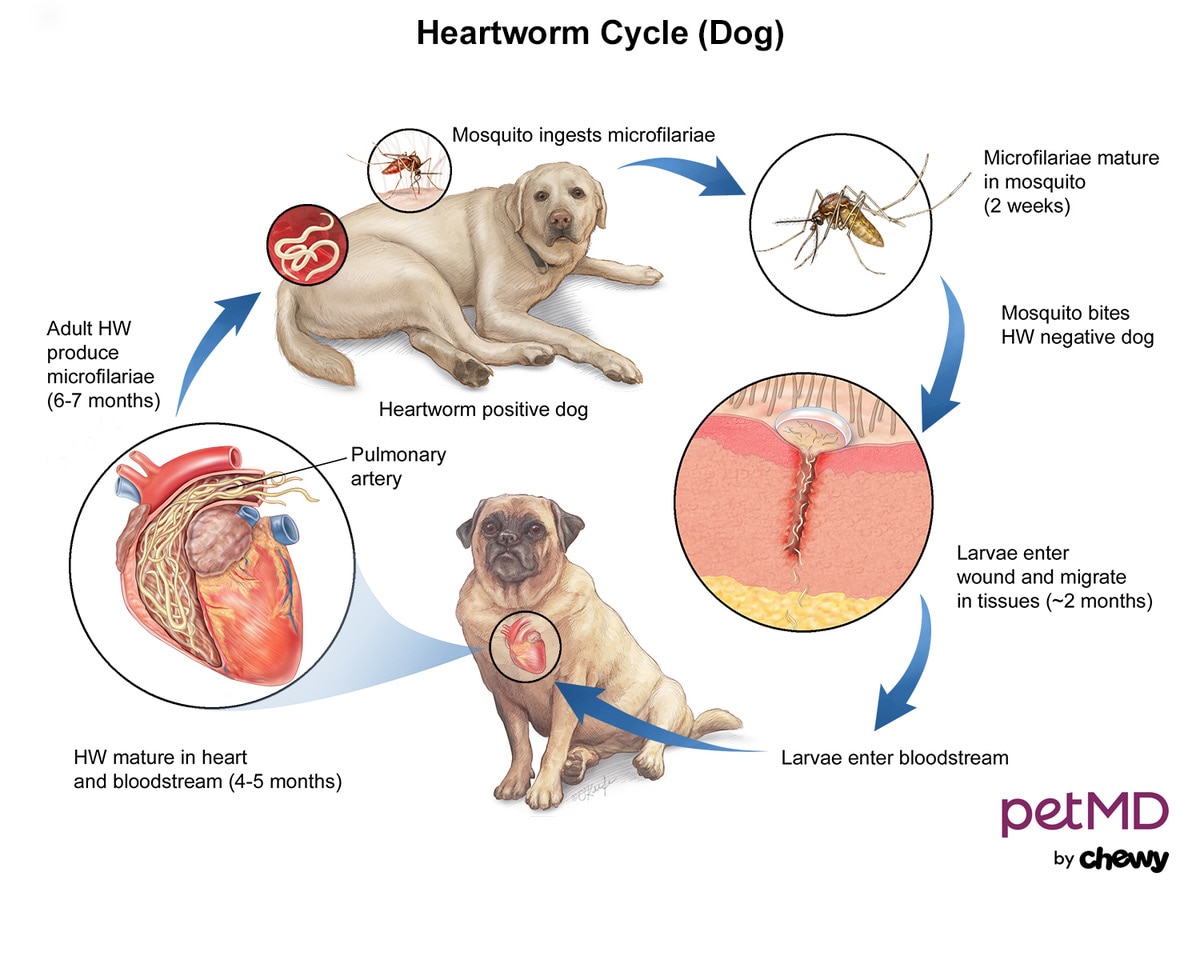
Image Source: image.petmd.com
The Threat of Heartworm Disease in Dogs
Heartworms are frightening parasites. They start small but grow into long worms that live inside your dog. These worms cause big problems for the heart and lungs. If left alone, the disease gets worse. This makes treatment much harder and riskier for your pet.
What Are Heartworms?
Heartworms are roundworms. They are transmitted through mosquito bites. A baby worm, called a larva, enters your dog from an infected mosquito. These larvae travel through the dog’s body. They grow up over several months.
The adult worms live in the pulmonary artery and the heart. They look like strands of spaghetti. They can grow up to 12 inches long. Adult worms cause severe damage. They block blood flow. They also cause inflammation in the blood vessels.
How Do Dogs Get Infected?
Mosquitoes spread heartworms. They bite an infected animal, like a coyote or another dog. The mosquito sucks up tiny baby worms, called microfilariae. Inside the mosquito, these larvae mature for about two weeks.
Then, the infected mosquito bites your dog. It passes the infective larvae into your dog’s skin. This is the start of the infection cycle. A dog must be bitten by an infected mosquito to get heartworms.
Spotting the Early Signs of Trouble
Finding heartworm disease early is best. In the beginning, dogs often show no signs at all. This is why regular testing is so important. We call these the early stage heartworm symptoms in dogs.
Initial Signs to Watch For
When the young worms start maturing, you might see very mild issues. These signs are easy to miss.
- Slight tiredness after play.
- Mild coughing, maybe only once in a while.
- Not as eager to run or jump as before.
These mild signs can easily be mistaken for normal aging or low energy. Do not ignore them, even if they seem small.
Recognizing Clear Canine Heartworm Symptoms
As the worms grow bigger, the symptoms become much clearer. These signs show that the worms are hurting the dog’s body. These are the main canine heartworm symptoms owners notice.
Mild to Moderate Disease Signs
When worms start crowding the heart and lungs, your dog will struggle more.
- Persistent Coughing: This is often a dry, soft cough. It might sound like a hacking sound. It often happens after exercise.
- Tiredness (Lethargy): Your dog gets tired very fast. Walks that were once easy now seem too hard. They might want to lie down often.
- Reduced Exercise Tolerance: They just do not want to play fetch or run anymore.
Severe Disease Signs
In severe cases, the disease has caused major damage. These signs mean the heart is struggling badly.
- Difficulty Breathing (Dyspnea): Your dog may breathe fast or seem to struggle for air, even when resting.
- Weight Loss: Even if your dog eats well, it loses weight. The body is fighting the infection.
- Fainting or Collapse: This is a serious sign. It means blood flow is badly blocked.
- Swelling (Ascites): Fluid builds up in the belly. This makes the dog look bloated. This happens because the heart cannot pump blood well.
- Heart Murmurs: Your vet might hear abnormal sounds in the heart during an exam.
It is vital to watch for these heartworm disease in dogs signs. They tell you the infection is serious.
Diagnosing the Infection: Dog Heartworm Testing
You cannot tell for sure just by looking at your dog. You need tests. Dog heartworm testing is the only way to confirm if your pet has worms.
Types of Heartworm Tests
Veterinarians use several tests. The most common test looks for heartworm proteins.
Antigen Tests
This is the main test. Adult female worms release special proteins into the dog’s blood. The test finds these proteins.
- What it detects: Adult female worms.
- When it works: Usually detectable about five to seven months after infection.
- Why it’s used: It is fast and very reliable for showing an active infection.
Antibody Tests
These tests look for the dog’s immune response. They check if the dog’s body has tried to fight the worms.
- What it detects: Exposure to heartworms.
- When it works: Can show up sooner than antigen tests, but can stay positive even after treatment if the dog was infected long ago.
Microfilariae Detection
This test looks for the microscopic baby worms circulating in the blood. We call this microfilariae detection in dogs.
- What it detects: Larvae or baby worms.
- Why it’s used: Important to see how many baby worms are present before starting treatment. Not all infected dogs have baby worms in their blood.
The Importance of Veterinarian Heartworm Screening
Regular check-ups are key. Veterinarian heartworm screening should happen yearly, even if your dog takes preventative medicine.
Why screen yearly?
- Missed Doses: Maybe a dose was missed, or the dog vomited it up.
- Preventative Failure: Rarely, a preventative might not work perfectly.
- Infection Before Prevention: The dog might have been infected before you started the medicine.
Table 1: Summary of Heartworm Tests
| Test Type | What It Finds | Best Time to Use | Reliability |
|---|---|---|---|
| Antigen Test | Adult Worm Proteins | 5-7 months post-infection | High for active infection |
| Antibody Test | Dog’s Immune Reaction | Early exposure | Good for history, less for current status alone |
| Microfilariae Test | Baby Worms in Blood | To see if treatment is needed | Only if baby worms are circulating |
Fathoming the Severity: Stages of Infection
The damage heartworms cause changes over time. Heartworm infection severity in dogs dictates the treatment plan.
Early Infection (Larval Stage)
When the larvae first arrive, they travel to the heart. They are too small to cause major symptoms. They are hidden. This stage requires careful heartworm larvae diagnosis in dogs if specific blood tests are run, but standard antigen tests won’t work yet.
Developing Infection
The worms start growing into adults. They settle into the pulmonary arteries. They begin reproducing. This is when mild symptoms like a soft cough start.
Established Infection (Adult Worms)
This is when adult heartworm presence in dogs is confirmed by a positive antigen test. The worms are causing physical blockages and inflammation. Symptoms become clearer. This stage requires intensive medical treatment.
Severe Infection (Caval Syndrome)
This is the worst stage. A large mass of worms blocks the main veins leading to the heart. This is a life-threatening emergency. Symptoms include sudden weakness, shock, and collapse.
Investigating the Microscopic Evidence
Sometimes, the antigen test is negative, but the vet still suspects worms. They will look for the tiny baby worms.
Detecting Microfilariae
A fresh blood sample is needed. The vet might use a technique called the “filter test” or a “knott’s test.” These methods concentrate the blood. This makes it easier to see the tiny swimming larvae under a microscope.
If the microfilariae test is positive, the dog is actively shedding baby worms. This means there are adult worms making babies inside. The dog is also a source of infection for mosquitoes that bite it.
When Preventative Side Effects Mimic Illness
Sometimes owners worry about illness when it is actually a reaction to medicine. It is important to know the difference between signs of heartworm disease and heartworm preventative side effects in dogs.
Mild Side Effects of Preventatives
Most heartworm preventatives are very safe. Side effects are rare. If they happen, they are usually mild.
- Slight vomiting after the dose.
- Mild diarrhea.
- Loss of appetite for a short time.
These usually clear up quickly. If they persist, call your vet.
Severe Side Effects (Rare)
Severe reactions are extremely rare with modern, monthly preventatives given orally or topically. They are more often associated with injectable long-acting preventatives if the dog has a severe existing reaction or if the dosage was wrong.
If your dog shows signs of severe illness shortly after a dose (like shaking, seizure, or severe vomiting), seek immediate vet care. This is usually an allergic reaction, not heartworm disease itself.
Distinguishing Heartworm Disease from Other Illnesses
Many canine heartworm symptoms look like other common dog illnesses. This is why diagnosis needs tests.
Table 2: Symptoms That Can Be Confused
| Heartworm Symptom | Other Possible Illnesses | Why Testing is Needed |
|---|---|---|
| Persistent Cough | Kennel Cough, Allergies, Trachea Issues | Coughing is general; heartworm involves the heart/lungs directly. |
| Tiredness/Lethargy | Anemia, Poor Diet, Infection, Pain | Lethargy is common to many health problems. |
| Weight Loss | Diabetes, Kidney Disease, Intestinal Parasites | Only blood tests can isolate heartworm damage. |
| Breathing Trouble | Heart Failure (from other causes), Pneumonia | Both look like serious breathing distress. |
Steps to Take If You Suspect Heartworms
If you see any signs, do not wait. Time allows the worms to grow larger and do more damage.
Step 1: Contact Your Veterinarian Immediately
Call your vet and explain the symptoms you have seen. Be ready to tell them:
- When the symptoms started.
- If your dog missed any heartworm preventative doses.
- What kind of preventative you use.
Step 2: Diagnostic Testing
Your vet will likely perform an antigen test first. They may also run a complete blood count (CBC) and chemistry panel. These tests check your dog’s overall health. They see how well the liver and kidneys are working. This is crucial before starting treatment.
Step 3: Confirming Infection Severity
If the antigen test is positive, the next step is checking for microfilariae. This tells the vet how many baby worms are circulating. This guides the first phase of treatment.
Step 4: Discussion of Treatment Options
Treatment for heartworms is complex and stressful for the dog. Your vet will explain the risks and steps needed based on the heartworm infection severity in dogs.
Deciphering Heartworm Treatment and Recovery
Treatment kills the worms. It must be done carefully because dead worms can cause clots.
Adulticide Therapy
This is the treatment that kills the adult worms. It usually involves several injections of a medication called melarsomine.
- Activity Restriction: This is the most important part of recovery. Your dog must have strict rest for many weeks. No running, jumping, or even playing. This allows the dead worms to dissolve without causing a dangerous blockage.
- Monitoring: Regular check-ups ensure the treatment is working and the dog is safe.
Microfilariae Killing
After the adult worms are treated, the baby worms must be cleared. This is often done using a medication like ivermectin or milbemycin oxime, sometimes at higher doses than the preventative dose.
Prevention is Always Better Than Cure
The best way to know if your dog has heartworms is to prevent them completely. Prevention is safe, cheap, and easy.
The Role of Preventative Medicine
Consistent use of vet-approved heartworm preventatives stops the larvae from growing up. If you give the medication correctly every month (or as directed), the larvae die before they become adults. This avoids all the severe canine heartworm symptoms.
Table 3: Comparison: Prevention vs. Treatment
| Aspect | Heartworm Prevention | Heartworm Treatment |
|---|---|---|
| Cost | Low, routine expense | Very high (medication, vet time, monitoring) |
| Risk to Dog | Very low risk of side effects | Significant risk of embolism/death from dying worms |
| Time Commitment | Easy monthly dose | Months of strict rest and multiple vet visits |
| Outcome | Near 100% effective when used correctly | Successful, but recovery takes time and caution |
Early Detection and Long-Term Outlook
If heartworm disease is caught very early—before adult worms develop—treatment is much simpler. It might involve just a few doses of preventative medication given more frequently to kill the migrating larvae.
If your dog is diagnosed with adult worms, prompt treatment is necessary. While treatment carries risks, most dogs recover fully if they follow the resting period strictly. They must then return to a strict lifelong preventative schedule.
Remember, your dog relies on you to protect it from this silent killer. Regular testing and consistent prevention are your strongest defenses against heartworm disease. If you notice subtle changes, act fast. Early veterinarian heartworm screening catches problems before they become life-threatening emergencies.