
Can I keep my dog safe in the yard using just a light leash? No, you cannot rely on just a light leash for safe dog yard containment. A secure yard setup is vital for your dog’s safety and your peace of mind. Keeping your dog securely in the yard means using the right tools and training. It is about making sure your dog stays put and stays safe from outside dangers. This guide gives you five key tips for solid outdoor dog safety. We look at fences, training, and low maintenance dog yard solutions.
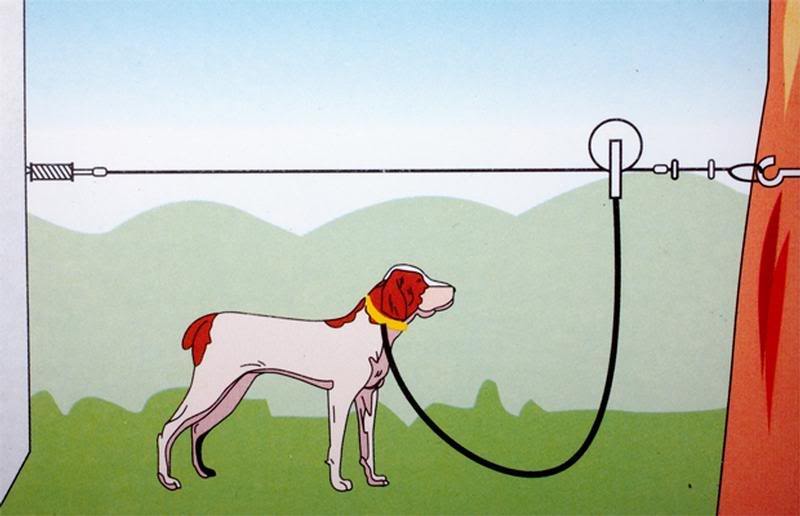
Image Source: www.k9ofmine.com
1. Choosing and Setting Up Solid Boundaries
The first step in keeping your dog contained is having strong barriers. A weak fence invites trouble. Dogs are smart, and they will find weak spots quickly. Strong boundaries are the core of secure dog fencing.
Assessing Your Current Fence
Take a good, long look at what you already have. Is it tall enough? Is it strong enough?
- Height Matters: Most dogs need a fence at least 4 to 6 feet high. Jumpers need more height. A fast, athletic dog might clear a 4-foot fence easily.
- Material Strength: Wood and chain link are common. Make sure there are no broken boards or loose panels. Heavy chewers might damage wood quickly.
- Gate Security: Gates are often the weakest link. They must latch firmly. Consider adding a second lock or a carabiner clip to swing gates.
Stopping Escapes Underneath
Many dogs escape by digging. They dig under the fence line to explore the neighborhood. This is a common problem when dealing with dog yard containment.
Deterring Dog Digging Under Fence
You must address the urge to tunnel. Here are proven ways to stop digging:
- L-Footers: Bury wire fencing (like chicken wire or hardware cloth) in an “L” shape along the bottom of your existing fence line. The bend faces inward toward the yard. If your dog digs, they hit the wire and stop. This is a very effective pet proofing yard method.
- Concrete or Pavers: Laying a concrete footing or setting paving stones tightly against the inside of the fence base makes digging hard work.
- Enrichment: Sometimes digging happens from boredom. Provide fun toys or a designated sandbox area to redirect this behavior.
Considering Alternative Containment Methods
If a traditional fence is not possible, or if you need backup, other options exist.
Invisible Dog Fence Installation
An invisible dog fence installation uses a buried wire and a special collar. The collar emits a warning beep, then a mild static correction if the dog crosses the boundary line.
- Pros: Offers a flexible boundary shape. It looks clean, with no visual barrier.
- Cons: Requires training. Some dogs ignore the correction. It does not stop other animals or people from entering your yard. It is only one layer of dog yard containment.
Building Best Dog Runs
For smaller yards or very active dogs, a dedicated best dog runs area might be the answer. These are often pre-fabricated, heavy-duty metal enclosures.
- Durability: They use strong welded wire panels, making them very hard for dogs to break out of.
- Flexibility: You can move them if needed. They offer guaranteed outdoor dog safety in a small zone.
2. Routine Yard Checks and Maintenance
A secure yard is not a “set it and forget it” system. Regular checks are essential for long-term dog yard containment. Think of it like checking the tires on your car—it needs routine care.
The Weekly Walk-Through
Once a week, walk the entire perimeter of your yard while looking at the fence line. Pretend you are your dog trying to find a way out.
- Look High and Low: Check for loose boards at the top, loose wires in the middle, and gaps near the ground.
- Check Gate Hardware: Ensure hinges are tight and latches engage fully every time the gate swings shut.
- Inspect for Wear and Tear: Are there new chew marks? Is the ground eroding near the bottom of the fence? Address these issues right away.
Simple Repairs Keep Things Safe
If you find a small issue, fix it fast. Small problems become big escapes quickly. Basic maintenance is a key part of pet proofing yard.
DIY Dog Fence Repair
Most common fence issues allow for simple DIY dog fence repair.
- Loose Boards/Panels: Use sturdy screws and a drill to reattach loose panels immediately. Do not use flimsy nails.
- Small Holes: For chain link, use heavy-gauge wire or metal sleeves to tie sections back together firmly.
- Post Wiggle Test: If a post wobbles, it might need new concrete poured around the base or reinforcement bracing added.
Table 1: Fence Inspection Checklist
| Area to Check | What to Look For | Repair Priority |
|---|---|---|
| Gate Latches | Loose screws, ability to swing open easily | High |
| Ground Line | Gaps, signs of recent digging | High |
| Fence Fabric/Boards | Holes, breaks, splintering wood | Medium |
| Posts/Support | Wobbly posts, concrete cracks | Medium |
| Vegetation | Thick vines hiding fence gaps | Low/Medium |
3. Providing A Stimulating Outdoor Environment
A bored dog is a destructive dog, and a destructive dog seeks escape routes. If your dog has nothing to do outside, they will create their own fun, often by breaching your secure dog fencing. Providing enrichment keeps them happy inside the boundaries. This ties into long-term dog yard training.
Enrichment Over Boredom
Make the yard an exciting place to be, not just a place to potty.
- Variety of Toys: Rotate toys often. Bring out tough chew toys, puzzle feeders, and balls. This keeps their focus on play, not escape.
- Safe Digging Spots: If your dog loves to dig (and many do!), give them an approved area. Fill a sandbox with sand or loose soil and bury treats there. This channels their natural instinct positively.
Creating Low Maintenance Dog Yard Solutions
Many owners want a secure yard that doesn’t demand constant upkeep. Low maintenance dog yard solutions help keep the space safe and fun without daily hassle.
- Durable Ground Cover: Grass can be destroyed by constant running or excessive potty use. Consider hardscaping like gravel patios, pavers, or even pet-safe artificial turf in high-traffic areas.
- Shade and Shelter: Dogs need refuge from the sun or rain. A sturdy dog house or a covered patio area ensures they stay comfortable, meaning they are less likely to pace or try to leave.
- Strategic Planting: Choose sturdy, non-toxic plants. Avoid plants that attract insects (like certain flowering bushes) that might draw your dog’s attention to the fence line.
4. Effective Dog Yard Training
Physical barriers are only half the battle. Your dog needs to learn that the fence line means stop. This is where dedicated dog yard training comes into play. Training reinforces the physical boundaries.
Boundary Training Basics
Boundary training teaches the dog to respect the edge of the property, whether marked by a physical fence or an electronic line.
- The “Stay Close” Command: Practice this command near the fence line using high-value treats. Reward heavily for staying a safe distance away from the barrier.
- Leash Practice Near the Fence: Initially, keep your dog on a long lead while practicing outside. If they approach the fence line too quickly or aggressively, gently redirect them back toward the center of the yard before they get worked up.
Addressing Reactivity
Many containment failures happen when a dog sees something exciting (another dog, a squirrel, a delivery person) right at the fence. This excitement causes them to charge the barrier.
- Desensitization: If your dog barks wildly at passersby, start training far from the fence. Slowly move closer over many sessions, rewarding calm behavior at each new distance.
- Visual Blockers: Use privacy slats in chain-link fences or plant dense hedges to reduce visual triggers. This reduces the urge to react, lessening pressure on your secure dog fencing.
Using Electronic Aids Correctly (If Applicable)
If you chose the invisible dog fence installation, training is non-negotiable. The fence only works if the dog respects the boundary line learned during training.
- Gradual Correction: Never start the correction level too high. Start with the audible warning tone only. Only increase the static level slowly if the dog ignores the warning and steps toward the boundary.
5. Advanced Security and Low-Risk Solutions
For owners of extreme escape artists or those dealing with high-risk neighborhood environments, layering security measures offers the best protection. This is the ultimate approach to pet proofing yard.
Double Barrier Systems
A double barrier uses two layers of containment. This provides a “buffer zone” where the dog cannot reach the true property line even if they breach the first layer.
- Two Fences: This involves building a second, inner fence about three feet inside your main perimeter fence. If the dog breaches the outer fence, they are still safely contained by the inner one.
- Fence with Dog Run: If you have a smaller yard, create an attached, very strong run leading directly into the house door or a secure shed. This ensures that when the dog is outside unsupervised, they are in the most robust structure possible. These specialized structures are often among the best dog runs available for high-security needs.
Choosing Materials for Durability
The materials you choose directly impact how often you need to perform DIY dog fence repair.
- Vinyl vs. Wood: Vinyl fences require almost no maintenance apart from washing. Wood needs regular staining or painting to prevent rot and splintering.
- Welded Wire vs. Woven Wire: Welded wire fences (where vertical and horizontal wires intersect and are fused) are much stronger and harder for dogs to push apart than woven wire fences.
Considering the Environment for Low Maintenance Dog Yard Solutions
Think about your local climate. Humid areas mean wood rots faster. Windy areas mean loose panels need checking more often. Cold areas mean ground heave can create new gaps under the fence. Adjust your maintenance schedule based on your specific environment to ensure the longevity of your secure dog fencing.
Frequently Asked Questions (FAQ)
What is the minimum fence height for a medium-sized dog?
For most medium-sized dogs (like Beagles or Spaniels), a minimum fence height of 4 feet is recommended. For more athletic or persistent dogs, 5 or 6 feet is safer to prevent jumping over.
How do I stop my dog from chewing through the fence?
If your dog chews wood, try applying bitter apple spray (safe for dogs) to the chewable areas. For gaps they try to squeeze through, reinforcement with hardware cloth (metal mesh) is the best DIY dog fence repair solution.
Are invisible fences truly secure for outdoor dog safety?
Invisible fences are a training aid, not a physical barrier. They do not stop neighborhood dogs or wildlife from entering your yard, and a highly motivated dog can easily run through the correction zone. They should be used as a supplement to, not a replacement for, physical barriers for true dog yard containment.
What are the best low maintenance dog yard solutions for potty areas?
For high-traffic potty spots, consider installing pea gravel or artificial turf specifically designed for pets. These drain well and are easier to clean than grass, contributing to good low maintenance dog yard solutions.
How long does it take to install an invisible dog fence?
A standard DIY invisible dog fence installation for an average-sized yard (half an acre) can take one full weekend of burying wire and setting up the transmitter. Professional installation might take one day. Remember, the training phase afterwards takes several weeks.