
The essential vaccines your dog usually needs for boarding include Rabies, Distemper/Parvovirus (often given as the DHLPP combination shot), and Bordetella (kennel cough). Providing a complete dog vaccine record for boarding facility is crucial for keeping your pet and others safe.
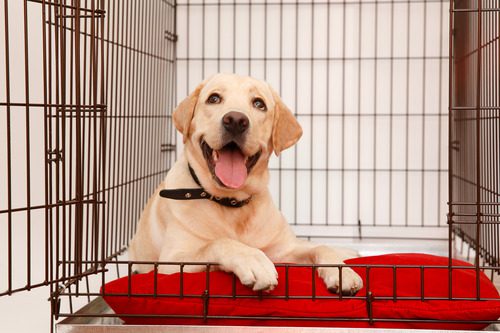
Image Source: millsanimalhospital.com
Why Vaccinations Are Non-Negotiable for Dog Boarding
Leaving your beloved dog in someone else’s care, whether at a boarding facility, a daycare, or even a trusted friend’s house, requires careful planning. One of the most critical steps is ensuring your dog is up-to-date on all necessary shots. Boarding kennels are high-traffic areas. Many dogs gather in close spaces. This environment makes the spread of contagious diseases very easy.
Boarding facilities have strict rules about shots for a simple reason: health protection. They must protect every dog staying with them. If one dog is sick, it can quickly infect many others. This is why most places require proof that your dog has received the required dog shots for kennel.
The Core Purpose of Canine Vaccinations for Kennels
Vaccines train your dog’s body to fight off specific, dangerous diseases. When many dogs mix, the risk of exposure goes up a lot. Proper vaccination cuts down this risk significantly. Think of it as mandatory health insurance for your dog’s stay.
Deciphering Essential Dog Vaccines for Boarding
Not all vaccines are treated the same way by boarding facilities. Some are legally mandated, while others are strongly recommended due to the high-risk environment of group settings. Knowing the difference helps you prepare well in advance.
Rabies Vaccine for Dog Boarding: The Legal Must-Have
The rabies vaccine for dog boarding is almost always required. Rabies is a deadly disease. It can pass from animals to people. Because of this danger, most states and counties legally require all dogs to be current on their rabies shots.
- Legal Requirement: If your dog is not current, many boarding centers simply cannot legally accept them.
- Duration: Rabies vaccines are usually good for either one or three years, depending on the specific vaccine used and local laws.
- Proof: Your vet records for dog boarding must clearly show the date of vaccination and when the next one is due.
DHLPP Requirements for Dog Boarding: The Core Protection
The DHLPP requirements for dog boarding cover several serious canine illnesses in one shot. DHLPP stands for:
- Distemper
- Hepatitis (or Adenovirus)
- Leptospirosis
- Parvovirus
- Parainfluenza
These diseases spread easily through bodily fluids, contaminated surfaces, or even the air.
| Disease Covered | Risk Level in Boarding | Protection Method |
|---|---|---|
| Distemper | High | Causes respiratory, GI, and nervous system issues. |
| Parvovirus | Very High | Highly contagious; causes severe vomiting and diarrhea. Often fatal in puppies. |
| Hepatitis | Medium | Affects the liver and kidneys. |
| Leptospirosis | Increasing | Spread through contaminated water/urine; can affect humans. |
| Parainfluenza | High | Common cause of kennel cough symptoms. |
Facilities need assurance that your dog is protected against these threats. If your dog is new to boarding, they might need a booster shot for DHLPP a few weeks before their stay.
Bordetella Vaccine for Dog Boarding: Stopping the Cough Contagion
The Bordetella vaccine for dog boarding is often the most discussed requirement. Bordetella bronchiseptica is the main bacteria causing “kennel cough.” This highly contagious respiratory illness spreads rapidly when dogs are housed together.
- Necessity: While not always legally required like rabies, nearly all reputable boarding and daycare facilities demand this vaccine. It protects their entire population.
- Types: Bordetella can be given as a shot, an oral dose, or intranasally (dropped into the nose). The intranasal version often works faster.
- Timing: Many facilities require the Bordetella vaccine to be given at least 10 to 14 days before arrival. This waiting period allows the vaccine to build up proper protection before exposure.
Getting Your Dog Vaccine Record for Boarding Facility
You cannot just tell the facility your dog is current. You need official proof. This proof must come directly from your licensed veterinarian.
What Makes a Good Dog Vaccine Record for Boarding?
A proper document is clear and complete. It should never look like a handwritten note from a friend.
- Veterinarian’s Stamp and Signature: The record must have the clinic’s official letterhead, stamp, and a signature from the vet or a certified technician.
- Clear Dates: It must list the exact date each vaccine was administered.
- Expiration/Due Date: It needs to clearly state when the next dose is due. Boarding staff rely on these dates.
- Vaccine Type: It should specify which version of the vaccine was given (e.g., 1-year Rabies vs. 3-year Rabies).
Submitting these vet records for dog boarding ahead of time is smart. Some facilities will reject a dog at check-in if the records are missing or unclear.
Timing Your Dog’s Vaccinations Before a Stay
Timing is everything when it comes to preparing for boarding. A vaccine given yesterday might not offer full protection today.
The Waiting Period Rule
Most boarding operations enforce a waiting period after vaccination. This ensures immunity has time to develop.
- Rabies: Usually, proof of a previous rabies shot is fine, but a first-time rabies shot often requires a 21 to 30-day waiting period before boarding.
- DHLPP: A booster given during a routine checkup is often fine if it was within the last year. If it’s a puppy series, the final shot usually requires a short wait.
- Bordetella: As mentioned, 7 to 14 days is the standard waiting time. If you wait until the last minute, they might turn you away.
If you are planning a trip months in advance, check your dog’s vaccine dates now. Schedule appointments to ensure everything is boosted well before your travel date. This proactive approach guarantees smooth check-in.
Beyond the Core Shots: Other Canine Vaccinations for Kennels
While Rabies, DHLPP, and Bordetella are the big three, certain areas or specialized kennels may require more canine vaccinations for kennels.
Leptospirosis: An Increasingly Important Shot
Leptospirosis is a serious bacterial disease. It spreads through water or soil contaminated by the urine of infected wildlife (like raccoons, rodents, or even neighborhood dogs). Dogs can get it by drinking from puddles or streams.
- Risk Factors: If your dog spends time outdoors, swims in lakes, or lives in an area with heavy wildlife, the Lepto vaccine is strongly suggested.
- Boarding Requirement: Many high-end or resort-style boarding facilities now mandate the Lepto vaccine. It is part of the essential dog vaccines for boarding in many regions.
Other Non-Core, Situational Vaccines
Depending on where you live or the type of boarding you choose, your vet might suggest other shots:
- Lyme Disease: If you live in an area with high tick populations, this vaccine might be recommended, especially if the facility has large outdoor play yards.
- Canine Influenza (Dog Flu): Outbreaks of Dog Flu (H3N2 or H3N8) sometimes cause boarding facilities to temporarily mandate this vaccine, similar to how human flu shots are recommended during peak season.
Always discuss your boarding plans with your veterinarian. They know the local disease risks best.
Exploring Titer Tests for Dog Boarding Alternatives
What if your dog has had vaccines but you are wary of repeated shots? Some owners explore titer tests for dog boarding.
What is a Titer Test?
A titer test is a blood test. It measures the level of protective antibodies your dog has against certain diseases, usually Distemper and Parvovirus (part of the DHP).
- How it Works: The test shows if the existing immunity from past shots is still strong enough to protect the dog. A “positive” or “protective” titer means the dog likely does not need another booster right now.
- Acceptance by Facilities: This is the tricky part. While scientifically valid, not all boarding facilities accept titer results instead of current vaccination dates.
Important Note: Rabies titers are rarely accepted in place of the legally required rabies certificate. Furthermore, titers are generally not available or reliable for Bordetella.
If you plan to use titers, call your chosen facility before getting the test done. Ask specifically if they accept DHP titers instead of annual proof.
Comparison Table: Core Boarding Vaccine Needs
This table summarizes what most facilities expect based on standard protocols.
| Vaccine | Standard Requirement | Typical Waiting Period After Last Shot | Required for First-Time Boarders? |
|---|---|---|---|
| Rabies | Yes (Legally Mandatory) | Varies (often 21–30 days for the first one) | Yes |
| DHLPP (or DAPP) | Yes (Core Protection) | Usually none if boosted within the last year | Yes |
| Bordetella | Highly Recommended / Near Mandatory | 7–14 Days | Yes |
| Leptospirosis | Recommended / Situational | Usually none if current | Depends on facility policy |
Interpreting Boarding Facility Guidelines
Every boarding center sets its own rules based on its insurance, local regulations, and operational style. You must check with the specific place you plan to use.
High-Intensity vs. Low-Density Care
The level of required vaccination proof can differ based on the level of interaction your dog will have:
- Kennel/Traditional Boarding: Dogs are generally separated, only interacting during scheduled playtimes. They usually require the core three (Rabies, DHLPP, Bordetella).
- Doggy Daycare/Resort Style: These facilities involve much higher rates of close, prolonged contact among many different dogs. They are almost always stricter, often requiring Bordetella within the last six months and potentially demanding Leptospirosis coverage.
When you call to book, ask this key question: “What are your specific dog vaccination requirements for boarding?” They should be able to list them clearly.
Dealing with Overdue Vaccines
If your dog’s shots have lapsed, don’t panic. Most facilities will still accept your dog if you act quickly.
- Call the Vet Immediately: Schedule an appointment to get caught up.
- Ask About the “Restart Protocol”: If a core vaccine like DHLPP is significantly overdue (e.g., more than 15 months past due), your vet might recommend restarting the series, which requires a follow-up shot a few weeks later.
- Inform the Boarding Facility: Tell them you are catching up and when the next booster will be due. They may allow a stay provided the initial shot is given before check-in and the follow-up is scheduled right after your return.
The Role of Your Veterinarian in Boarding Prep
Your vet clinic is your partner in this process. They are the only ones authorized to administer these life-saving shots and create the official paperwork.
Requesting Vet Records for Dog Boarding
Make this request simple for your clinic staff. When you schedule the pre-boarding checkup, say:
- “We are boarding at [Facility Name] on [Date].”
- “Can you please ensure [Dog’s Name] is current on Rabies, DHLPP, and Bordetella?”
- “We need an official physical or emailed copy of the dog vaccine record for boarding facility that includes the due dates for all records.”
This direct approach helps the front desk staff prepare the correct documentation quickly.
Finalizing Your Boarding Preparation Checklist
Getting the shots sorted is just one part of being ready for boarding.
Before You Go: Vaccine Checklist Summary
- [ ] Confirm the facility’s exact list of required shots.
- [ ] Ensure Rabies is current (check the 1-year vs. 3-year status).
- [ ] Verify DHLPP is up to date.
- [ ] Confirm Bordetella was given at least 7–14 days prior to drop-off.
- [ ] Obtain and print/email the official vet records for dog boarding.
- [ ] Schedule a final wellness check 1–2 weeks before departure if any vaccine is due soon.
By respecting these canine vaccinations for kennels rules, you ensure your dog has a safe, healthy, and fun stay away from home. You also help protect the entire community of dogs staying at the facility.
Frequently Asked Questions (FAQ) About Boarding Vaccinations
Q: Can I use a titer test instead of the Bordetella shot for boarding?
A: Generally, no. While some facilities accept titer tests for Parvo and Distemper (DHP), Bordetella protection relies on recent exposure or administration, and titers are not typically accepted for this specific illness due to its rapid spread. Always confirm with the specific facility.
Q: My puppy just got its first set of shots. Can it board right away?
A: Usually not. Puppies must complete their entire initial vaccine series (usually three rounds of DHLPP) and often need to wait 7 to 14 days after the final puppy shot before they can safely enter a group boarding environment to ensure full immunity.
Q: What if my dog is due for a booster on the day we leave for vacation?
A: You must give the booster shot before you check in. Most facilities will not accept a dog whose vaccine is due that very day, as its protection level is considered expired. Get the booster a few days early to satisfy the facility’s requirement.
Q: How far back in time can my dog’s rabies vaccine be for boarding?
A: Most facilities require the rabies vaccine to be current, meaning it cannot be expired. Some may allow a grace period (e.g., 30 days past the due date) if you are catching up immediately, but this is rare and depends entirely on local law enforcement requirements they must follow.
Q: Why is the waiting period so important after the Bordetella vaccine?
A: The waiting period ensures that the vaccine has fully stimulated the dog’s immune system to build defenses against the bacteria before the dog is exposed to high viral loads in the kennel environment. Without the waiting time, the dog is vaccinated but not yet protected.