
Your dog tucking his tail means he is likely feeling scared, nervous, or submissive. This common behavior signals that your dog is uncomfortable in the current situation.
A dog’s tail is a huge part of how he talks without words. It tells us if he is happy, ready to play, or feeling down. When a dog pulls his tail in close to his body, it is a big signal. It is one of the clearest ways your dog says, “I don’t feel good right now.” Deciphering dog tail tucking reasons helps you support your furry friend better. This article looks closely at all the main reasons when dogs tuck their tails and what you should do.
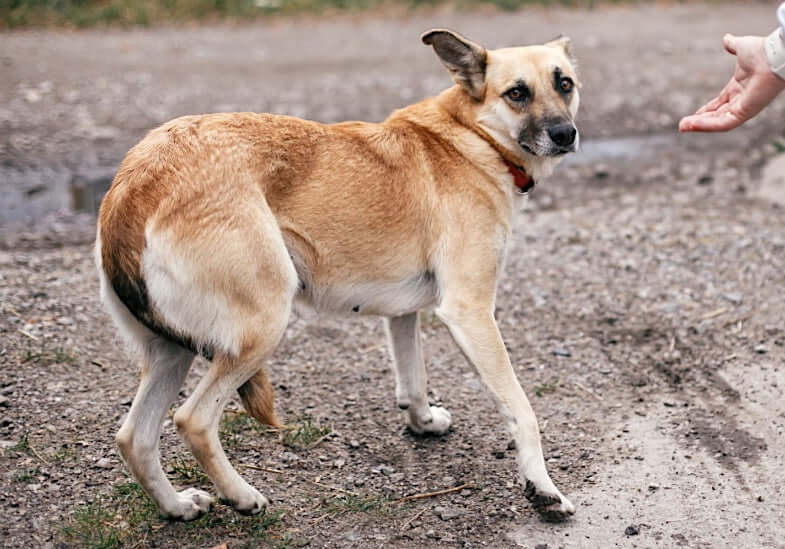
Image Source: www.mokaipaws.com
The Basics of Canine Tail Language
To truly grasp why a tail tuck happens, we first need to know what a normal, relaxed tail position looks like. A dog’s tail carriage changes based on its breed and natural posture. Some dogs naturally carry their tails low. But a tail that is clearly tucked—pulled tight against the belly or between the back legs—is almost always a sign of stress.
Normal Tail Positions
Tail position is a sliding scale, not just up or down.
| Tail Position | What It Often Means |
|---|---|
| Held high, perhaps with a wag | Alert, confident, happy, or ready to interact. |
| Held level with the back | Neutral, relaxed, interested, or mildly curious. |
| Held low, but not tucked | Slightly unsure, cautious, or concentrating. |
| Tucked tightly against the body/between legs | Fear, anxiety, pain, or extreme submission. |
Primary Reasons for Tail Tucking
There are several strong reasons why you might see a submissive tail position dog. These reasons usually fall into three main areas: emotional state, environmental triggers, or physical health.
Emotional Distress: Fear and Anxiety
The most frequent cause for tail tucking is fear. A dog tucks its tail to make itself look smaller. This is an instinctual move to avoid looking like a threat.
Fearful Tail Carriage in Dogs
A fearful tail carriage in dogs is often paired with other body language signs. The dog is trying to signal that it means no harm. It wants the perceived threat to go away.
- Crouching Low: The whole body sinks toward the ground.
- Avoidance: Turning the head away or trying to hide behind you.
- Ears Pinned Back: Ears flatten against the head.
- Lip Licking or Yawning: These are common appeasement gestures when stressed.
If you see these signs along with a tucked tail, your dog is likely experiencing significant stress.
Anxious Dog Tail Between Legs
An anxious dog tail between legs shows a high level of worry. This is common in new settings, like visiting the vet or meeting new people.
Think about a shy dog meeting a boisterous stranger. The dog wants to be polite but feels overwhelmed. Tucking the tail is part of that polite signal: “Please don’t look at me or touch me; I am not a challenge.”
Submission and Appeasement
Tail tucking is also a key part of the submissive tail position dog uses to communicate status and avoid conflict. This is different from pure fear, though they often overlap.
This behavior is about showing respect or acknowledging another dog or person is “in charge” in that moment.
- Puppy Behavior: Young puppies often display this when greeting older dogs or their owners, especially after being scolded.
- Greeting Rituals: A dog might approach a new, confident dog with a tucked tail as a sign of peace.
A fully tucked tail during greeting often means the dog is highly submissive. It is trying to make itself look as small and non-threatening as possible.
Environmental Triggers
Sometimes, the trigger is not a threat, but a loud, sudden change in the environment. This is often temporary.
- Loud Noises: Thunderstorms, fireworks, or construction noise can instantly cause signs of dog anxiety tail.
- New Places: A dog park filled with unfamiliar, fast-moving dogs can be too much stimulation.
- Unfamiliar People: People who approach too quickly or lean over the dog can trigger this response.
Physical Reasons for a Tucked Tail
While emotions are the top culprits, we must consider physical causes. If your dog suddenly starts tucking his tail when he usually doesn’t, pain is a major possibility.
Pain and Injury
When a dog hurts, they instinctively try to protect the sore area. The tail is connected to the spine, hips, and rear end. Any irritation here can cause a protective tuck.
Dog uncomfortable tail position can point to issues like:
- Tail Injury: A broken tail bone, a sprain, or injury from being stepped on or having the tail shut in a door.
- Anal Gland Issues: Impacted or infected anal glands cause great discomfort near the base of the tail.
- Hip or Back Pain: Arthritis or disc issues in the lower back can make moving or holding the tail normally painful.
If the tucking is constant, happens when touching that area, or is paired with reluctance to move, a vet visit is necessary. A thorough physical check is vital if you suspect injury, as canine fear signals tail caused by pain need medical attention.
Breed Predisposition
Some breeds naturally have tails that are carried lower or are prone to certain conditions.
- Brachycephalic Breeds (e.g., Pugs, Bulldogs): These dogs often have naturally short or screw tails. While their baseline is different, even they can tuck if stressed, often making the signs harder to spot.
- Dogs with Thick Fur: In breeds with very thick coats, subtle tail movements can be missed, but a full tuck is usually obvious.
Interpreting the Full Picture: Decoding Dog Tail Tucked Body Language
A tail tuck never happens alone. To truly interpret what is going on, you must look at the whole dog. This overall posture is the complete dog tail tucked body language package.
The Difference Between Tucked and Down
It is important to know why is my dog’s tail down versus truly tucked.
| Tail Position | Emotional Meaning | Typical Accompanying Signs |
|---|---|---|
| Tail Down (Low Carriage) | Neutral caution, mild uncertainty, or focused attention. | Soft eyes, relaxed mouth, body weight balanced. |
| Tail Tucked (Between Legs) | High stress, severe fear, submission, or acute pain. | Crouched body, averted gaze, tense muscles, trembling. |
A dog with a tail down might just be listening hard to a distant sound. A dog with a tail tucked is actively trying to disappear.
Correlation with Other Signals
When a dog is fearful, they use their entire body to signal distress. Look for these related signs when the tail is tucked:
- Body Posture: The dog tries to make its silhouette smaller. This includes a lowered head and a curved back.
- Facial Expressions: A tight mouth, showing the corners of the lips pulled back (a “stress grimace”), or excessive panting when not hot.
- Vocalization: Silence might be a sign, or whining/whimpering if the stress is very high.
Practical Steps: What to Do When Your Dog Tucks His Tail
Seeing your dog uncomfortable is hard. Your reaction is key to helping them cope. The goal is always to reduce the stressor and build confidence.
In High-Stress Situations (Vet, Park, Strangers)
If the tucking is triggered by an external event, your job is to manage the environment for your dog.
- Create Space: Immediately increase the distance between your dog and whatever is causing the distress. If it’s a person, ask them to stop approaching. If it’s noise, move to a quieter room.
- Be Calm: Dogs read our stress. If you get anxious about your dog’s reaction, you confirm to the dog that the situation is indeed dangerous. Use a low, soothing voice.
- Use Positive Redirection: If appropriate, try to change the dog’s focus to something positive, like a favorite chew toy or a high-value treat. This helps shift the anxious dog tail between legs posture toward a more neutral one.
Addressing Chronic Anxiety
If you frequently notice signs of dog anxiety tail even when nothing scary seems to be happening, you may be dealing with generalized anxiety or past trauma.
- Consult a Professional: Talk to your veterinarian about ruling out medical issues first. Then, consider a certified animal behaviorist or positive reinforcement trainer.
- Confidence Building: Engage in activities that naturally build your dog’s self-assurance. Scent work, puzzle toys, and gentle training sessions where the dog always succeeds are great confidence boosters.
When Pain is Suspected
If tail tucking is new, constant, or linked to movement, treat it as a potential emergency.
- Do Not Force Interaction: Do not try to forcefully examine the tail, the base, or the rear end. You risk getting nipped if you touch a painful area.
- Observe Closely: Note exactly when the tuck happens. Does it happen when jumping into the car? When going down stairs? This information is crucial for the vet.
- Seek Veterinary Care: Schedule an appointment right away to check for injury or underlying conditions causing the dog uncomfortable tail position.
Fathoming the Difference Between Fear and Extreme Play
Occasionally, a very new or overexcited puppy might momentarily tuck its tail during rough or unusual play. This can be confusing because play usually involves an upward or neutral tail.
However, even in play, a fully tucked tail combined with a rigid, low body usually means the play has crossed a boundary for the puppy. They are saying, “I am uncomfortable; please stop being so rough.” In this context, the submissive tail position dog uses is an appeasement signal aimed at the playmate, asking them to dial it back. Always respect this signal and end the rough interaction immediately.
Enhancing Communication: Reading More Than Just the Tail
Effective training and bonding rely on reading the entire canine communication package. Relying only on the tail can lead to misinterpretations.
Body Tension Matters
Tension speaks volumes. A dog that is merely cautious might have a slightly low tail but soft muscles. A dog in true distress—experiencing fearful tail carriage in dogs—will have rigid muscles, especially in the shoulders and back.
Use this quick reference guide to check overall tension:
| Low Tension (Neutral/Mildly Cautious) | High Tension (Fear/Distress) |
|---|---|
| Muscles look loose and fluid. | Body looks stiff, frozen, or hunched. |
| Movements are smooth. | Movements might be jerky or hesitant. |
| Weight is distributed evenly. | Weight is shifted back, ready to bolt, or pressed low. |
Eye Contact Clues
When a dog is fearful and tucking his tail, direct, prolonged eye contact from a person or another dog is often perceived as a threat.
If you see canine fear signals tail and the dog is actively avoiding eye contact, you are confirming they feel unsafe. Look instead for soft, sideways glances. This shows they are aware of the situation but not challenged by it.
Building a Confident Companion: Long-Term Strategies
If your dog frequently exhibits why is my dog’s tail down or tucked due to generalized anxiety, focus your efforts on long-term confidence building rather than just reacting to immediate stressors.
Systematic Desensitization
This technique involves exposing your dog to the stressor at a very low intensity while keeping them under their “threshold”—the point where they start showing clear signs of stress (like tucking the tail).
- Example: If loud traffic scares your dog, start by playing traffic sounds very quietly inside the house while giving treats. Slowly, over many sessions, increase the volume. If the tail tucks, you went too fast; dial the volume back down immediately.
Using Body Language to Reassure
Your body language can either escalate or de-escalate your dog’s fear response.
- Avoid Leaning Over: Leaning over a stressed dog mimics predator behavior and increases their urge to tuck their tail further.
- Turn Sideways: When approaching a nervous dog, approach at an angle rather than head-on. This is much less threatening.
- Use the “Sit and Ignore” Technique: When meeting new people, have them sit down and completely ignore the dog. Let the dog choose to approach. This removes the pressure that often leads to an anxious dog tail between legs.
Frequently Asked Questions (FAQ)
Q1: Is a dog with a tucked tail always scared?
Not always, but it is the most common reason. A tucked tail almost always signals discomfort, which can stem from fear, anxiety, pain, or extreme submission. If the dog is otherwise relaxed (soft eyes, loose body), it might be momentary apprehension. If the body is tense and low, fear or pain is highly likely.
Q2: Can a dog be trained not to tuck its tail?
You cannot force a dog to stop an instinctual reaction like tail tucking, as it is a natural defense mechanism. However, you can train the dog to be less afraid of the situations that cause the tucking. By building confidence and using desensitization, you reduce the need for the dog to display the fearful tail carriage in dogs.
Q3: What should I do if my dog tucks his tail at the vet?
This is very common. Make sure your vet knows your dog’s history. Ask the staff to approach slowly, use soft voices, and offer high-value treats (like peanut butter or cheese) while they perform necessary checks. A towel placed over the dog’s body can sometimes help reduce visual stimulation, which helps relieve the stress causing the dog uncomfortable tail position.
Q4: Does the tail position change with age?
Yes. Puppies often tuck their tails more readily as they learn social rules and test boundaries. Older dogs who develop arthritis or back pain might start tucking their tails later in life due to chronic discomfort, leading to a new why is my dog’s tail down scenario that needs medical review.