
Does your furry friend often end up with an upset tummy, followed by a yucky mess on the floor? You’re not alone. Many dog owners worry when their dog vomits, and figuring out what to feed them can be a real puzzle. So many dog food bags promise the world, but how do you know which one will actually help your dog feel better and stop the vomiting?
Choosing the right food for a dog with a sensitive stomach can feel overwhelming. You want to help your dog feel comfortable and healthy, but the sheer number of brands and ingredients can make your head spin. It’s frustrating to try one food, only to have it not work or even make things worse. You might be spending a lot of time and money on foods that just don’t solve the problem.
But what if there was a simpler way to find the best food for your dog’s delicate tummy? In this post, we’ll break down what makes a dog food good for sensitive stomachs and vomiting. We’ll explore key ingredients to look for and those to avoid. By the end, you’ll feel more confident in picking a food that can bring relief to your beloved pet and bring peace of mind to you.
Top Dog Food For Sensitive Stomach-Vomiting Recommendations

- Triple support for stomach, skin and immune system health
- Highly digestible formula with prebiotic fiber that is gentle on the stomach for optimal nutrient absorption
- Enriched with Vitamin E and Omega-3 & 6 fatty acids, for healthy skin and a lustrous coat
- Clinically proven antioxidants, Vitamin C+E, for a healthy immune system
- 27 key nutrients, including essential vitamins, minerals, and omega 3 & 6 fatty acids. Complete and balanced nutrition for adult dogs’ health

- Triple support for stomach, skin and immune system health
- Highly digestible formula with prebiotic fiber that is gentle on the stomach for optimal nutrient absorption
- Enriched with Vitamin E and Omega-3 & 6 fatty acids, for healthy skin and a lustrous coat
- Clinically proven antioxidants, Vitamin C+E, for a healthy immune system
- 27 key nutrients, including essential vitamins, minerals, and omega 3 & 6 fatty acids. Complete and balanced nutrition for adult dogs’ health

- Formulated to provide optimal digestive health in adult dogs
- Slow-cooked stew in a mouthwatering turkey flavor grown dogs love
- Promotes easier stool pickup with easily digestible ingredients
- Nourishes your grown dog's skin and coat with vitamin E and omega-6 fatty acids
- Add variety to meal time with Hill's Science Diet Adult Sensitive Stomach & Skin Chicken & Vegetable Entrée

- Oat meal is easily digestible and gentle on the digestive system
- High protein formula, with real salmon as the first ingredient
- Fortified with guaranteed live probiotics for digestive and immune health
- Used to be known as FOCUS Sensitive Skin and Stomach Salmon and Rice Formula
- Sunflower oil rich in omega-6 fatty acids for healthy skin and coat
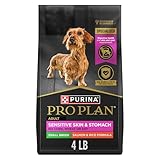
- Formulated high in protein to meet the needs of highly active small dogs
- High protein formula, with real salmon as the first ingredient
- Fortified with guaranteed live probiotics for digestive and immune health
- Used to be known as FOCUS Sensitive Skin and Stomach Salmon
- Sunflower oil rich in omega-6 fatty acids for healthy skin and coat

- Oat meal is easily digestible and gentle on the digestive system
- High protein formula, with real salmon as the first ingredient
- Fortified with guaranteed live probiotics for digestive and immune health
- Used to be known as FOCUS Sensitive Skin and Stomach Salmon and Rice Formula
- Sunflower oil rich in omega-6 fatty acids for healthy skin and coat

- Triple support for stomach, skin and immune system health
- Highly digestible formula with prebiotic fiber that is gentle on the stomach for optimal nutrient absorption
- Enriched with Vitamin E and Omega-3 & 6 fatty acids, for healthy skin and a lustrous coat
- Clinically proven antioxidants, Vitamin C+E, for a healthy immune system
- 27 key nutrients, including essential vitamins, minerals, and omega 3 & 6 fatty acids. Complete and balanced nutrition for adult dogs’ health

- Triple support for stomach, skin and immune system health
- Highly digestible formula with prebiotic fiber that is gentle on the stomach for optimal nutrient absorption
- Enriched with Vitamin E and Omega-3 & 6 fatty acids, for healthy skin and a lustrous coat
- Clinically proven antioxidants, Vitamin C+E, for a healthy immune system
- 27 key nutrients, including essential vitamins, minerals, and omega 3 & 6 fatty acids. Complete and balanced nutrition for adult dogs’ health
Choosing the Right Food for Your Dog’s Upset Tummy
It’s tough when your furry friend isn’t feeling well. Vomiting and a sensitive stomach can be worrying for any dog owner. Finding the right food can make a big difference. This guide will help you pick the best food to soothe your dog’s digestive woes.
Key Features to Look For
Digestible Proteins
Look for easily digestible protein sources. These are proteins that your dog’s body can break down and absorb without causing irritation. Good options include:
- Chicken
- Turkey
- Lamb
- Fish
Avoid foods with a lot of fillers or hard-to-digest proteins like beef or common animal by-products. These can sometimes trigger upset stomachs.
Limited Ingredients
Foods with fewer ingredients are often better for sensitive stomachs. This makes it easier to pinpoint what might be causing problems. A limited ingredient diet (LID) can be a lifesaver.
Prebiotics and Probiotics
These are good for your dog’s gut health. Prebiotics are like food for the good bacteria in your dog’s tummy. Probiotics are the good bacteria themselves. They help balance your dog’s digestive system.
No Artificial Additives
Artificial colors, flavors, and preservatives can sometimes upset a dog’s stomach. Stick to foods with natural ingredients.
Fiber Content
The right amount of fiber helps with digestion. It can help move food through the digestive tract smoothly and absorb water. Too much or too little fiber can cause issues.
Important Materials (Ingredients) to Consider
Single Source Protein
Many sensitive stomach formulas use only one type of animal protein. This helps reduce the chance of an allergic reaction or intolerance. For example, a food might be “limited ingredient chicken recipe.”
Gentle Carbohydrates
Easily digestible carbohydrates are important. Good choices include:
- Rice (white or brown)
- Oats
- Sweet potatoes
These provide energy without being hard on the stomach.
Healthy Fats
Omega-3 and Omega-6 fatty acids are good for overall health, including skin and coat. They can also help reduce inflammation in the gut. Sources include fish oil and flaxseed.
Factors That Improve or Reduce Quality
What Improves Quality
- High-quality protein sources: Real meat is always better than meat meals or by-products.
- Natural ingredients: Whole foods and natural preservatives.
- Veterinarian recommendations: Formulas developed with veterinary input often have better results.
- Specific formulations: Foods designed for digestive health, often with added digestive aids.
What Reduces Quality
- Excessive fillers: Ingredients like corn, wheat, and soy can be hard to digest for some dogs.
- Artificial ingredients: As mentioned, these can cause irritation.
- Generic “meat by-products”: These can be of lower quality and harder to digest.
- Unknown ingredient sourcing: Transparency in where ingredients come from is a good sign.
User Experience and Use Cases
Owners often turn to sensitive stomach food when their dog experiences:
- Frequent vomiting
- Diarrhea
- Gas
- Loss of appetite
- General lethargy due to digestive upset
These foods are also helpful for puppies with delicate tummies or senior dogs whose digestion may be slowing down. Many owners report seeing improvements within a few days of switching to a suitable sensitive stomach formula. It’s important to transition your dog slowly to a new food. Mix a little of the new food with their old food, gradually increasing the new food over a week.
Frequently Asked Questions (FAQ)
Q: What should I do if my dog is vomiting?
A: If your dog is vomiting, it’s always best to consult your veterinarian first. They can help determine the cause and recommend the best course of action, including specific food choices.
Q: How long does it take for sensitive stomach food to work?
A: Many dogs show improvement within a few days to a week of switching to a sensitive stomach food. However, it can vary depending on the dog and the severity of their issues.
Q: Can I feed my dog sensitive stomach food all the time?
A: Yes, if your dog has a chronically sensitive stomach, feeding them a high-quality sensitive stomach food long-term can be beneficial. Always discuss this with your vet.
Q: What is the difference between sensitive stomach food and hypoallergenic food?
A: Sensitive stomach food focuses on easy digestibility and soothing ingredients. Hypoallergenic food is designed for dogs with specific allergies, often using novel proteins and limited ingredients to avoid common allergens.
Q: Are grain-free foods always better for sensitive stomachs?
A: Not necessarily. Some dogs do well with grains like rice or oats. The key is digestibility. If your vet suspects a grain allergy, then grain-free might be recommended.
Q: What if my dog doesn’t like the taste of sensitive stomach food?
A: Some sensitive stomach foods can have a different taste. Try warming the food slightly or mixing in a small amount of plain, boiled chicken or pumpkin (if your vet approves) to make it more appealing.
Q: Should I switch my dog’s food suddenly?
A: No, sudden food changes can upset a dog’s stomach. Always transition gradually over 7-10 days.
Q: What is a common ingredient to avoid for dogs with sensitive stomachs?
A: Many dogs have trouble with common fillers like corn, wheat, and soy, as well as artificial additives.
Q: Can I give my dog table scraps if they have a sensitive stomach?
A: It’s generally not recommended to give table scraps to dogs with sensitive stomachs, as human food can be fatty, spicy, or contain ingredients that cause upset.
Q: When should I switch back to regular dog food?
A: If your dog’s digestive issues resolve and your vet gives the okay, you can slowly transition them back to their regular food. Monitor them closely for any recurring symptoms.