
Yes, you can stop your dog from resource guarding you. Resource guarding directed at people, especially the owner, is a serious behavior that needs careful management and specific training techniques. This behavior often stems from a dog feeling the need to protect something valuable from perceived threats, and that valuable thing can be you, the owner.
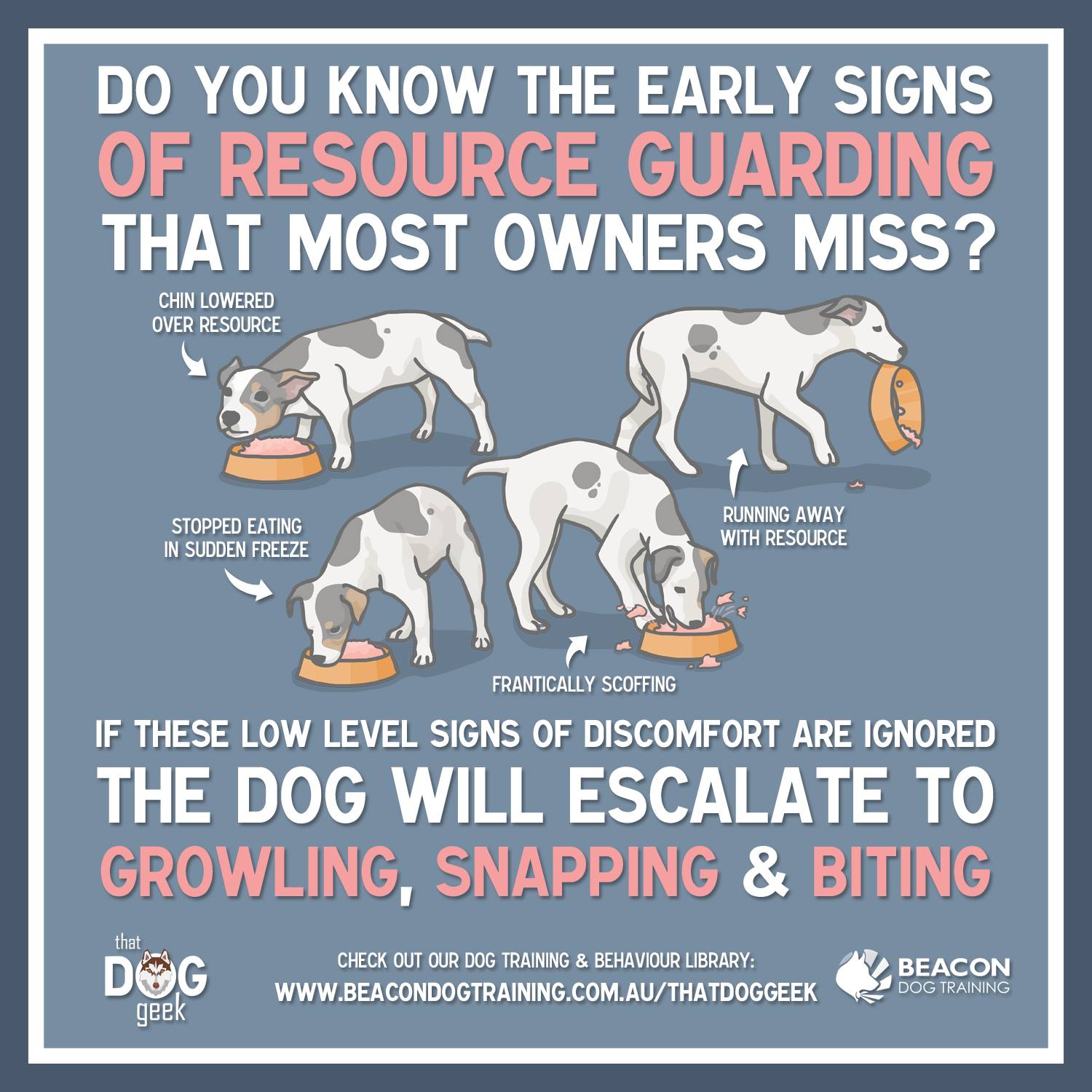
Image Source: www.oaklandanimalservices.org
Deciphering Dog Resource Guarding Possessiveness
Dog resource guarding possessiveness is when a dog tries to keep items or access to people away from others. These resources can be food, toys, resting spots, or even affection from a specific person. When a dog guards you, it means they see you as a high-value resource they must defend.
This guarding behavior is natural to some degree in many animals. However, when it leads to growling, snapping, or biting, it becomes dangerous and needs immediate attention. The dog feels anxious or fearful when someone approaches you, or when you try to move away from them.
Roots of Guarding Behavior Directed at People
Why does a dog feel the need to guard you? There are several common causes.
- Past Negative Experiences: If a dog had resources scarce in the past, or if someone has tried to take something away forcefully, they learn that guarding works.
- Insecurity and Fear: The dog might lack confidence. They fear that if you move away, or if someone else comes close, they will lose access to you.
- Learned Behavior: Sometimes, owners accidentally reward the guarding. For example, if the owner backs off when the dog growls, the dog learns: “Growling made the person leave me alone. Growling works.”
- Breed Tendencies: Some breeds are naturally more protective or territorial. This does not excuse the behavior, but it is part of the setup.
Spotting the Signs: Dog Appeasement Signals Resource Guarding
Before a dog escalates to a bite, they usually show subtle warnings. These are called dog appeasement signals resource guarding. Recognizing these is key to intervening early.
| Signal | Description | What It Means |
|---|---|---|
| Stiffening Body | The dog freezes or becomes very tense. | High stress level. |
| Hard Stare | Direct, unblinking eye contact focused on the perceived threat (you or another person). | Challenge or warning. |
| Lip Licking (Quick Flick) | Rapid licking of the lips when no food is present. | Stress or anxiety indicator. |
| Snapping Air | A quick bite motion with no contact. | Clear warning to back off. |
| Growling | A low, rumbling sound made when you approach. | Direct threat warning. |
| Hiding/Tucking Tail | The dog tries to make itself small near you. | Attempt to hide the resource (you) or show submission due to stress. |
If you see these signals, stop what you are doing immediately. Do not punish the growl; it is communication. Punishing a growl often teaches the dog to skip the warning and go straight to biting.
Safety First: Safe Management for Resource Guarding Dogs
The very first step when dealing with aggression is safety. We must prevent dog aggression over resources—in this case, you. Until training takes hold, safe management is vital.
Establishing Safe Physical Space
You need to make sure the dog cannot practice the guarding behavior while you work on training.
- Avoid Triggers: Know what sets your dog off. Is it when you are sitting on the couch? When you are near the front door? Keep the dog away from those situations for now.
- Leash Control Indoors (If Necessary): If the dog is Velcro-like and follows you everywhere, creating tension, use a long line indoors. This lets you gently guide them away from a situation without confrontation.
- Use Barriers: Use baby gates or crates when visitors come over or when you need to interact closely with another person. This manages the environment so the dog cannot rehearse the bad behavior.
- Do Not Confront: Never try to “prove” you can take the dog away from you or touch them while they are guarding you. This raises the risk of injury for everyone.
Training to Stop Dog Guarding Toys and Other Possessions
While guarding you is the main concern, often the dog guards everything near you. Fixing guarding over objects is a foundational step toward fixing guarding over people. We look at training to stop dog guarding toys and other items.
The Swap Game: Trading Up
This method teaches the dog that when a person approaches a resource, something better happens. This is a key part of counter-conditioning dog guarding behavior.
Steps for Trading:
- Start with a low-value item the dog has, like a regular chew bone.
- Approach calmly. Wait for the dog to look up.
- Offer a super high-value treat (like cooked chicken or cheese) right near their nose. Do not try to take the bone. Just offer the treat.
- The moment the dog drops the bone to take the treat, immediately praise them happily.
- After they eat the treat, toss the original bone back to them.
The dog learns: Human approaches object = I get a super yummy snack AND I get my original item back. You are not taking anything away; you are adding value.
Building Distance with High-Value Items
Once the swap is working, start adding distance.
- Toss the treat slightly further away from the item.
- Then, toss the treat so the dog has to move a step or two away from the item to get it.
- Always return the original item after the trade.
This builds positive associations with your presence near their treasures.
Specific Methods for Dog Training for Guarding People
Dealing with a dog who guards you requires precision. The goal is to change the dog’s feeling about people approaching you. We want them to feel relaxed, not threatened.
Desensitization to Resource Guarding Triggers
Desensitization to resource guarding triggers means slowly exposing the dog to the things that make them anxious, while keeping them below the threshold where they react.
If your dog guards you when you are sitting down, start here:
- Baseline: Identify the distance where your dog notices you but does not react (no stiffness, no staring). Let’s say this is 10 feet away.
- Initial Exposure: Have a helper (someone the dog knows and likes, if possible) stand at that safe 10-foot distance while you are sitting with your dog. Keep the interaction very calm.
- Reward Calmness: If the dog stays relaxed for five seconds, reward them heavily (give them a jackpot of treats while they remain calm).
- Gradual Change: Over many sessions, have the helper slowly move one foot closer. If the dog shows any tension, the helper needs to move back to the previous safe distance immediately.
- Vary the Triggers: Practice with different people (helpers) in different locations (couch, floor, doorway).
The dog learns that people approaching you predicts good things (treats) and does not mean they will lose you.
Classical Conditioning: Changing the Emotion
We need to create a new emotional response. If the old emotion was fear/defense, the new emotion must be happy anticipation.
Scenario: Someone approaches you while you are standing up.
- Mark the Start: The instant the trigger appears (person starts walking toward you), immediately start feeding your dog a constant stream of amazing treats. Keep feeding them steadily.
- Mark the End: The second the trigger leaves the area or stops approaching, stop feeding the treats immediately.
The dog associates the arrival of the trigger with the start of the buffet. If the trigger goes away, the buffet ends. This powerfully shifts their outlook.
Teaching an “Off” Cue Away From You
If your dog is sitting on you or leaning heavily, creating a barrier, you need a reliable way to ask them to move gently.
- Targeting Practice: Teach your dog to touch their nose to your hand (a hand target). Reward heavily for this.
- Moving Off: Once they target your hand, hold your hand slightly lower and away from your body. When they move off you to touch your hand, reward them in that new spot.
- Adding the Cue: Say a word like “Off” or “Place” just as they start to move away. Reward them only when they are in the designated spot (like a dog bed or mat).
This gives you a polite way to ask for space without creating conflict.
Fathoming Dog Guarding High-Value Items Near You
When a dog is guarding food or chews, and you are nearby, it is often a combination of object guarding and personal guarding. They are worried you will take the item and that you will leave them.
Working with Food Boundaries
For dog guarding food from me, follow these strict protocols:
- No Approaching While Eating: For several weeks, feed the dog in a safe, quiet area where no one bothers them, especially you.
- The “Treat Toss”: While the dog is eating their regular meal from their bowl, toss a high-value treat near the bowl (not into it). This is similar to the swap game, but less demanding. They associate your presence near the bowl with bonus food, not theft.
- The Bowl Pickup: Only when the dog is completely comfortable with the treat toss should you attempt to walk near the bowl. Toss the bonus treat, wait for them to look up, and then very slowly reach down toward the bowl. If they tense up, freeze, and immediately toss another treat past them. Do not touch the bowl yet.
- Systematic Pickup: Once they ignore your hand nearing the bowl, try touching the bowl briefly, then step away, tossing a treat as you move away. Gradually increase the duration you touch the bowl before rewarding and moving on. The goal is to touch, lift slightly, replace, and reward.
Important Note: Never reach over the dog’s head to interact with the bowl. Always approach from the side.
Recognizing and Responding to Stress Signals
A dog that guards resources, whether objects or people, is operating from a place of high stress or perceived need. A key component of successful training is learning to read subtle cues.
Interpreting Dog Appeasement Signals Resource Guarding
We mentioned these signals before, but here is how they relate directly to stopping the behavior:
- Avoidance: If the dog turns their head away when you look at them, or looks away when you approach, they are trying hard not to fight. They are asking for space non-aggressively. Respect this! Back up slowly.
- Yawning (Out of Context): A dog often yawns when they are tired, but a quick, stressed yawn when you are near their resource means, “I am uncomfortable right now.”
- Lip Curling: This is a serious visual warning. If you see the lips twitch to expose teeth, you are too close to their comfort zone. Stop all movement toward the dog and retreat slowly.
When you see these signals, your response should always be to increase the dog’s space, not decrease it. This reinforces that they don’t need to escalate their threats.
Long-Term Consistency and Professional Help
Fixing deep-seated guarding behavior takes time, patience, and consistency across every member of the household.
The Role of Predictability in Training
Dogs thrive on routine. When you introduce behavior modification, keep the rules the same every single time.
- If today you allow the dog to sit on your lap while you work, but tomorrow you pull them off because you need to take a call, you confuse the dog.
- Confusion breeds anxiety, and anxiety fuels dog resource guarding possessiveness.
Make sure every person interacting with the dog knows the specific protocol for managing resource guarding situations.
When to Call a Professional
If your dog’s guarding behavior is intense, involves hard stares or snapping, or if you feel unsafe managing the situation yourself, seek immediate help.
Look for a certified professional:
- Certified Professional Dog Trainer (CPDT-KA) specializing in behavior modification.
- Veterinary Behaviorist (DACVB) if medication is being considered alongside behavior modification.
Avoid trainers who use outdated, punishment-based methods (like leash pops, alpha rolls, or shock collars). These methods suppress the growl but increase the underlying fear, often leading to unpredictable aggression later. Safe management for resource guarding dogs paired with positive reinforcement is the modern, effective path.
Summary of Key Training Steps
To effectively stop dog guarding food from me and to reduce guarding of your person, implement these steps simultaneously:
| Step Category | Action Item | Goal |
|---|---|---|
| Safety & Management | Identify and avoid known triggers for guarding moments. | Prevent rehearsal of the unwanted behavior. |
| Association Building | Use counter-conditioning dog guarding behavior protocols daily. | Change the dog’s emotional response to triggers from negative to positive. |
| Value Addition | Practice the “Trade Up” game with all items, including items near you. | Teach the dog that your approach brings rewards, not loss. |
| Proactive Training | Implement desensitization to resource guarding triggers slowly. | Increase comfort levels with people approaching you in controlled steps. |
| Clear Communication | Teach a clear, rewarding cue (“Off” or “Place”) to move away from you. | Provide an alternative, appropriate behavior to guarding. |
By consistently applying these techniques, you shift the dog’s mindset from defending a scarce resource (you or their toys) to anticipating a gain when you or others are near. This creates a calmer, safer relationship for everyone involved.
Frequently Asked Questions (FAQ)
Q1: Is my dog trying to be dominant when they guard me?
A: Modern behavioral science suggests that dog resource guarding possessiveness is rarely about “dominance.” It is usually about fear, anxiety, or a learned protective instinct that has become maladaptive. Punishing a dog for guarding often increases their underlying fear, making the problem worse.
Q2: How long does it take to stop resource guarding?
A: There is no set timeline. Mild guarding issues might show improvement in a few weeks with dedicated, daily work. Severe guarding that involves aggression toward people may take several months of consistent counter-conditioning dog guarding behavior and professional guidance. Consistency is more important than speed.
Q3: Can I ever stop feeding my dog from a bowl if they guard food from me?
A: Not necessarily. The goal is to change the emotional association with the bowl, not eliminate the bowl itself. Through slow, careful work using food exchanges and increasing your distance gradually, you can often stop dog guarding food from me while they eat, provided you follow positive reinforcement protocols precisely.
Q4: My dog guards me only when other dogs are around. What should I do?
A: This is social-context guarding. You are the resource being protected from a perceived canine competitor. Focus heavily on desensitization to resource guarding triggers involving other dogs. Practice having a helper dog at a great distance while you give your dog high-value rewards just for remaining calm in the presence of the other dog.