
Does your furry friend’s tummy often rumble with discomfort after meals? It can be heartbreaking to see your dog suffer from digestive issues, and even more frustrating to navigate the overwhelming world of dog food to find something that actually works. The sheer number of brands and ingredients can make choosing the right food for a sensitive stomach feel like a guessing game, leaving you worried about what you’re feeding your beloved companion.
If you’re tired of the guesswork and want to bring peace back to your dog’s digestion, you’re in the right place. This guide is designed to cut through the confusion. We’ll explore what really makes a dog food “sensitive stomach friendly” and equip you with the knowledge to identify the best options.
By reading on, you’ll learn to spot key ingredients, understand common triggers, and discover practical tips for transitioning your dog to a new diet. Get ready to discover how to choose a food that soothes their stomach and helps them thrive, leading to happier mealtimes and a healthier, more comfortable pup.
Top Dog Food For A Dog With A Sensitive Stomach Recommendations

- Triple support for stomach, skin and immune system health
- Highly digestible formula with prebiotic fiber that is gentle on the stomach for optimal nutrient absorption
- Enriched with Vitamin E and Omega-3 & 6 fatty acids, for healthy skin and a lustrous coat
- Clinically proven antioxidants, Vitamin C+E, for a healthy immune system
- 27 key nutrients, including essential vitamins, minerals, and omega 3 & 6 fatty acids. Complete and balanced nutrition for adult dogs’ health

- Triple support for stomach, skin and immune system health
- Highly digestible formula with prebiotic fiber that is gentle on the stomach for optimal nutrient absorption
- Enriched with Vitamin E and Omega-3 & 6 fatty acids, for healthy skin and a lustrous coat
- Clinically proven antioxidants, Vitamin C+E, for a healthy immune system
- 27 key nutrients, including essential vitamins, minerals, and omega 3 & 6 fatty acids. Complete and balanced nutrition for adult dogs’ health

- Oat meal is easily digestible and gentle on the digestive system
- High protein formula, with real salmon as the first ingredient
- Fortified with guaranteed live probiotics for digestive and immune health
- Used to be known as FOCUS Sensitive Skin and Stomach Salmon and Rice Formula
- Sunflower oil rich in omega-6 fatty acids for healthy skin and coat

- Triple support for stomach, skin and immune system health
- Highly digestible formula with prebiotic fiber that is gentle on the stomach for optimal nutrient absorption
- Enriched with Vitamin E and Omega-3 & 6 fatty acids, for healthy skin and a lustrous coat
- Clinically proven antioxidants, Vitamin C+E, for a healthy immune system
- 27 key nutrients, including essential vitamins, minerals, and omega 3 & 6 fatty acids. Complete and balanced nutrition for adult dogs’ health

- Formulated to provide optimal digestive health in adult dogs
- Slow-cooked stew in a mouthwatering turkey flavor grown dogs love
- Promotes easier stool pickup with easily digestible ingredients
- Nourishes your grown dog's skin and coat with vitamin E and omega-6 fatty acids
- Add variety to meal time with Hill's Science Diet Adult Sensitive Stomach & Skin Chicken & Vegetable Entrée
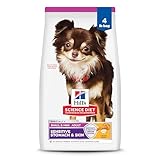
- UPDATED FORMULA: Triple support for stomach, skin and immune system health
- Highly digestible formula with prebiotic fiber that is gentle on the stomach for optimal nutrient absorption
- Enriched with Vitamin E and Omega-3 & 6 fatty acids, for healthy skin and a lustrous coat
- Clinically proven antioxidants, Vitamin C+E, for a healthy immune system
- 27 key nutrients, including essential vitamins, minerals, and omega 3 & 6 fatty acids. Complete and balanced nutrition for adult dogs’ health

- Triple support for stomach, skin and immune system health
- Highly digestible formula with prebiotic fiber that is gentle on the stomach for optimal nutrient absorption
- Enriched with Vitamin E and Omega-3 & 6 fatty acids, for healthy skin and a lustrous coat
- Clinically proven antioxidants, Vitamin C+E, for a healthy immune system
- 27 key nutrients, including essential vitamins, minerals, and omega 3 & 6 fatty acids. Complete and balanced nutrition for adult dogs’ health
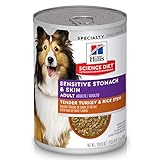
- Triple support for stomach, skin and immune system health
- Highly digestible formula that is gentle on the stomach for optimal nutrient absorption
- Enriched with Vitamin E and Omega-3 & 6 fatty acids, for healthy skin and a lustrous coat
- Clinically proven antioxidants, Vitamin C+E, for a healthy immune system
- Delicious taste that dogs love
Choosing the Right Food: A Guide for Dogs with Sensitive Stomachs
Does your furry friend often have an upset tummy? Does their digestive system struggle with regular dog food? You’re not alone! Many dogs have sensitive stomachs, and finding the right food can make a world of difference. This guide will help you navigate the options and pick the best food for your sensitive pup.
Key Features to Look For
1. Limited Ingredients
Dogs with sensitive stomachs often do best on food with fewer ingredients. This makes it easier to pinpoint what might be causing upset. Look for foods that list simple, recognizable ingredients. A shorter ingredient list is usually better.
2. Easily Digestible Proteins
Some protein sources are easier for dogs to digest than others. Good options include:
- Lamb
- Duck
- Salmon
- Venison
Avoid common allergens like beef, chicken, and dairy if your dog has shown sensitivity to them.
3. Novel Carbohydrates
Just like proteins, some carbohydrate sources can be easier on a dog’s stomach. Consider foods with:
- Sweet potatoes
- Peas
- Potatoes
- Oats
Grains like corn, wheat, and soy can sometimes cause digestive issues for sensitive dogs. These are often called “fillers” in lower-quality foods.
4. Prebiotics and Probiotics
These are beneficial for gut health. Prebiotics feed the good bacteria in your dog’s gut, and probiotics are live good bacteria. They work together to improve digestion and nutrient absorption. Many sensitive stomach formulas include these.
5. No Artificial Additives
Artificial colors, flavors, and preservatives can irritate a dog’s digestive system. Always choose foods that are free from these unnecessary chemicals.
Important Materials (Ingredients)
When you read the ingredient list, prioritize whole, recognizable foods. The first few ingredients are the most important. Look for a named meat source (like “lamb” or “salmon”) as the first ingredient, not a generic “meat by-product.” Healthy fats and essential vitamins and minerals are also crucial for overall health.
Factors That Improve or Reduce Quality
Improving Quality
- High-quality protein sources: Named meats and fish are best.
- Whole food ingredients: Real fruits, vegetables, and grains.
- Added digestive aids: Prebiotics and probiotics.
- Nutrient-dense formulas: Food that provides all necessary vitamins and minerals.
Reducing Quality
- Generic meat by-products: Less digestible and nutritious.
- Artificial colors, flavors, and preservatives: Can cause irritation.
- Fillers like corn, wheat, and soy: Common allergens and less digestible for some dogs.
- Excessive processing: Can strip nutrients from the food.
User Experience and Use Cases
Owners of dogs with sensitive stomachs often report significant improvements when switching to a specialized diet. These improvements can include:
- Reduced vomiting and diarrhea
- Less gas and bloating
- Softer, more consistent stools
- Increased energy levels
- Healthier skin and coat
This type of food is ideal for dogs who:
- Frequently experience digestive upset.
- Have diagnosed food allergies or intolerances.
- Are recovering from gastrointestinal issues.
- Are picky eaters who seem sensitive to certain flavors or textures.
Always transition your dog to a new food gradually over 7-10 days. Mix a small amount of the new food with their old food, slowly increasing the new food and decreasing the old food. This helps their digestive system adjust.
Frequently Asked Questions (FAQ)
Q: What are the main signs of a sensitive stomach in dogs?
A: Signs include frequent vomiting, diarrhea, gas, bloating, and sometimes skin issues or lethargy.
Q: How do I know if my dog’s stomach is sensitive?
A: If your dog consistently shows digestive upset after eating, it’s a good indicator.
Q: Can I feed my dog human food if they have a sensitive stomach?
A: It’s best to stick to dog-specific food. Some human foods can be harmful or cause further upset.
Q: What protein is usually best for sensitive stomachs?
A: Novel proteins like lamb, duck, or salmon are often good choices.
Q: Should I look for grain-free food for my dog?
A: Not necessarily. Some dogs do fine with certain grains like oats or rice. Focus on limited ingredients and easily digestible carbs.
Q: How long does it take to see results after switching food?
A: You may see improvements within a few days, but it can take up to a few weeks for your dog’s system to fully adjust.
Q: Can I mix different sensitive stomach foods?
A: It’s generally not recommended to mix different foods, even sensitive ones, as it can still cause upset.
Q: What is a “novel protein”?
A: A novel protein is one that your dog has likely never eaten before, making it less likely to cause an allergic reaction.
Q: Should I consult my veterinarian?
A: Yes, always consult your vet before making major diet changes, especially if your dog has ongoing health issues.
Q: What if my dog doesn’t like the taste of the sensitive stomach food?
A: Try warming the food slightly or adding a small amount of plain, boiled chicken or a tiny bit of low-sodium broth (check with your vet first).