
Imagine the joy of watching your furry friend chase a ball, their tail wagging furiously. Now, imagine that same joy tinged with worry because your beloved dog has been diagnosed with diabetes. It’s a challenging road, and one of the biggest hurdles is finding the perfect food to manage their condition. The sheer volume of choices can feel overwhelming, leaving you with questions about ingredients, nutritional needs, and what truly makes a food “diabetic-friendly.”
Choosing the right diabetic dog food is more than just picking a bag off the shelf; it’s about actively contributing to your dog’s health and well-being. You want to ensure they get the nutrients they need to stay energetic and happy, without causing their blood sugar levels to spike. This can feel like a puzzle, with so many brands making different claims and the fear of making the wrong choice looming large.
But don’t worry, you’re not alone! This post is here to guide you through the maze of diabetic dog food options. We’ll break down what to look for, what to avoid, and how to decipher those confusing labels. By the end, you’ll feel confident in your ability to select a food that supports your dog’s health and helps them live their best, most active life.
Top Diabetic Dog Food Recommendations

- Prescription Diet w/d Multi-Benefit is specially formulated by Hill’s nutritionists and veterinarians to helps manage multiple conditions that respond to fiber, weight & glucose management, digestive issues, and urinary health.
- Helps manage glucose and weight, support urinary health and healthy digestion
- Therapeutic L-carnitine levels helps metabolize fat and maintain lean muscle
- Optimal blend of soluble and insoluble fiber, along with low calories helps maintain healthy weight
- Controlled levels of magnesium and sodium promotes urinary tract health
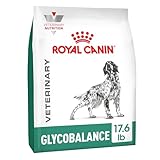
- FOR ADULT DOGS WITH DIABETES: Royal Canin Glycobalance is formulated to meet the nutritional needs of diabetic adult dogs
- HIGHLY APPETIZING POULTRY-BASED KIBBLES: A special combination of aromas makes mealtime interesting
- WEIGHT MANAGEMENT: Helps maintain a stable, healthy body weight, which is important for diabetic dogs
- SUPPORTS HEALTHY BLOOD GLUCOSE LEVELS: Formulated with a reduced level of starch, which contributes to maintaining healthy blood glucose levels
- PRECISE PROTEIN CONTENT: Helps maintain muscle mass

- A grain-free dry dog food with 85% less carbohydrate than other leading "grain-free" brands (less than 6% total digestible carbohydrate).
- Less than 6% starch and 0.5% sugars.
- More than 46% protein. All of our chicken is non-GMO, antibiotic-free, and raised by American ranchers using sustainable practices.
- Made 100% in the USA using natural ingredients (with added vitamins and minerals).
- Created by Daniel Schulof, the groundbreaking author of "Dogs, Dog Food, and Dogma."
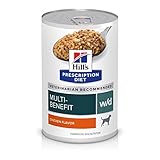
- Prescription Diet w/d Multi-Benefit is specially formulated by Hill’s nutritionists and veterinarians to helps manage multiple conditions that respond to fiber, weight & glucose management, digestive issues, and urinary health
- Helps manage glucose and weight, support urinary health and healthy digestion
- Therapeutic L-carnitine levels helps metabolize fat and maintain lean muscle
- Optimal blend of soluble and insoluble fiber, along with low calories helps maintain healthy weight
- Controlled levels of magnesium and sodium promotes urinary tract health

- Reduced carbohydrate recipe supports glucose and weight management
- Balanced fat content helps maintain a healthy body weight.
- High protein nutrition to help maintain lean muscle.
- L-Carnitine to help support fat metabolism and energy efficiency
- Made in the USA, reviewed by Board Certified Veterinarian Nutritionists. No prescription needed.
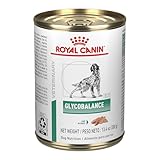
- FOR ADULT DOGS WITH DIABETES: Royal Canin Glycobalance is formulated to meet the nutritional needs of diabetic adult dogs
- SUPPORTS HEALTHY BLOOD GLUCOSE LEVELS: Formulated with a reduced level of starch, which contributes to maintaining healthy blood glucose levels
- HIGHLY PALATABLE POULTRY-BASED PATE: Soft loaf in a delicious sauce that also helps with hydration
- WEIGHT MANAGEMENT: Helps maintain a stable healthy body weight, which is important for diabetic dogs
- PRECISE PROTEIN CONTENT: Helps maintain muscle mass

- Prescription Diet w/d Multi-Benefit is specially formulated by Hill’s nutritionists and veterinarians to helps manage multiple conditions that respond to fiber, weight & glucose management, digestive issues, and urinary health.
- Helps manage glucose and weight, support urinary health and healthy digestion
- Therapeutic L-carnitine levels helps metabolize fat and maintain lean muscle
- Optimal blend of soluble and insoluble fiber, along with low calories helps maintain healthy weight
- Controlled levels of magnesium and sodium promotes urinary tract health
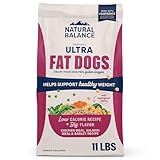
- CHICKEN MEAL IS THE FIRST INGREDIENT providing essential protein and amino acids to help maintain strong muscles; Peas, oat groats, and barley are included as a healthy and rich source of fiber for digestive health; Contains (1) 11-Pound bag
- TARGETED NUTRITION Formulated with quality protein, wholesome grains, added vitamins, and a special fiber blend to help your dog feel full and satisfied
- ULTRA REDUCED CALORIES Scale back on the calories, not the taste! Made with the same whole ingredients your dog loves, this delicious, reduced calorie formula has fewer calories to help your dog maintain a healthy weight
- NUTRITION FOR EVERY TYPE OF DOG Any dog can enjoy our delicious recipes, not just dogs with sensitive stomachs, irritable skin or allergies; Our purposefully crafted formulas reduce the number of ingredients without sacrificing taste or nutrition
- SAFETY & TRANSPARENCY Natural Balance's 'Feed with Confidence' program tests every batch of food from start to finish, ensuring safety with every bite; Validate bag on our site or call our Customer Care Team of Registered Veterinary Technicians
Choosing the Best Diabetic Dog Food: A Comprehensive Guide
Managing diabetes in dogs can be a challenge. One of the most important steps you can take is choosing the right food. This guide helps you understand what to look for in diabetic dog food. It will empower you to make the best decision for your furry friend.
Key Features to Look For
When you shop for diabetic dog food, several key features stand out. These help manage your dog’s blood sugar levels effectively.
- **Controlled Carbohydrates:** Look for foods with complex carbohydrates. These break down slowly. This helps prevent sudden spikes in blood sugar. Avoid foods with simple sugars and refined grains.
- **High Fiber Content:** Fiber is crucial. It slows down digestion. This means sugar enters the bloodstream more gradually. Many diabetic dog foods have added fiber sources like beet pulp or psyllium.
- **Moderate Fat Levels:** While dogs need fat, too much can be problematic. High fat can lead to weight gain, which worsens diabetes. Moderate fat levels help maintain a healthy weight.
- **Quality Protein Sources:** Lean protein supports muscle health. It also helps your dog feel full. Look for named protein sources like chicken, turkey, or lamb as the first ingredient.
- **Low Glycemic Index (GI) Ingredients:** Foods with a low GI release sugar into the blood slowly. Ingredients like barley, oats, and sweet potatoes often have a lower GI than corn or white rice.
Important Ingredients to Consider
Beyond the key features, specific ingredients play a vital role.
- **Complex Carbohydrates:** Whole grains like barley and oats are good choices. They provide sustained energy.
- **Fiber Sources:** Psyllium, beet pulp, and cellulose are common. They help regulate digestion.
- **Lean Protein:** Chicken, turkey, fish, and lamb are excellent. They are easily digestible.
- **Antioxidants:** Vitamins E and C help support overall health. They can also help manage inflammation.
Factors That Improve or Reduce Quality
The quality of diabetic dog food varies. Understanding these factors helps you choose wisely.
Factors That Improve Quality
- **Named Meat Sources:** Foods listing “chicken” or “lamb” are better than those with “meat by-products.”
- **Whole Food Ingredients:** Foods made with whole vegetables and grains are often superior.
- **Limited Artificial Additives:** Fewer artificial colors, flavors, and preservatives are ideal.
- **Veterinarian Recommended Formulas:** Many brands work with vets to develop their recipes.
Factors That Reduce Quality
- **Fillers:** Ingredients like corn, wheat, and soy can be fillers. They offer less nutritional value.
- **Excessive Carbohydrates:** High amounts of simple carbohydrates cause blood sugar issues.
- **Artificial Ingredients:** These offer no health benefits and can sometimes cause sensitivities.
- **Unspecified Meat By-Products:** These can be of lower quality.
User Experience and Use Cases
Choosing the right food impacts your dog’s daily life.
Pet owners often report positive changes when switching to appropriate diabetic dog food. Dogs may experience more stable energy levels. They might drink and urinate less frequently. These are all good signs of better blood sugar control.
The primary use case for diabetic dog food is to manage canine diabetes. It helps stabilize blood glucose levels. This leads to a better quality of life for the dog. It can also reduce the need for frequent insulin adjustments.
Always consult your veterinarian before making any dietary changes. They can recommend specific brands or formulations based on your dog’s individual needs.
Frequently Asked Questions (FAQ)
Q: What is the main goal of diabetic dog food?
A: The main goal is to help manage your dog’s blood sugar levels. It aims to keep them as stable as possible.
Q: Can I feed my diabetic dog regular dog food?
A: It is generally not recommended. Regular dog food may not have the specific nutrient balance needed for diabetes management.
Q: How much should I feed my diabetic dog?
A: Portion sizes vary by dog and food. Always follow the feeding guidelines on the food bag. Your vet can also give you specific advice.
Q: How long does it take to see results?
A: You might see improvements within a few weeks. However, it can take longer for your dog’s body to fully adjust.
Q: What are some good carbohydrate sources in diabetic dog food?
A: Good sources include barley, oats, sweet potatoes, and certain legumes.
Q: What should I do if my dog doesn’t like the diabetic dog food?
A: Talk to your vet. They can suggest alternative brands or ways to make the food more appealing.
Q: Does diabetic dog food help with weight management?
A: Yes, many formulas are designed to help dogs maintain a healthy weight, which is important for diabetes control.
Q: Can diabetic dog food prevent diabetes?
A: No, diabetic dog food is for managing diabetes, not preventing it. A balanced diet and healthy lifestyle can help reduce risk factors.
Q: What does “low glycemic index” mean for dog food?
A: It means the food releases sugar into the bloodstream slowly, helping to avoid sharp increases in blood sugar levels.
Q: Should I switch my dog’s food suddenly?
A: No, always transition your dog to new food gradually over 7-10 days. This helps prevent digestive upset.