
K9 dog training costs can range widely, from low hundreds for basic group classes to tens of thousands for specialized police or protection work; typically, you can expect to pay between \$50 and \$250 per hour for a professional dog trainer rates.
The price you pay for K9 dog training depends on many things. These include the type of training, where you live, and how experienced the trainer is. Getting good training for your dog is a big step. It helps your dog behave well. It also builds a strong bond between you and your pet. This guide will help you figure out what you might spend. We will look at different kinds of training and what they involve.
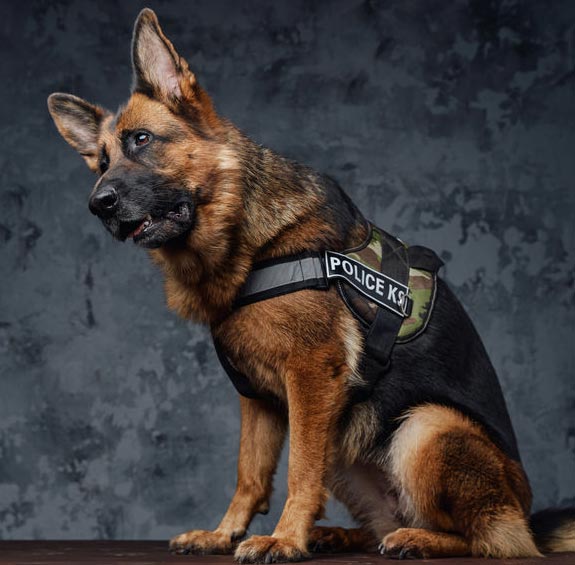
Image Source: www.dogtrainercollege.us
Deciphering Dog Training Investment Levels
Dog training is not a one-size-fits-all service. The final bill reflects the expertise of the handler and the intensity of the program. Knowing the general price structure helps you budget wisely.
Entry-Level Training: Group Classes and Basic Obedience
For most new dog owners, starting with group classes is the best first step. These classes teach basic manners. They help socialize your puppy or adult dog.
Group Dog Training Expenses
Group classes offer a social setting. Dogs learn around other dogs and people. This is vital for real-world practice.
- Duration: Most group courses run for 4 to 8 weeks.
- Frequency: Classes usually meet once a week.
- Cost Basis: Prices are often set per course package.
Table 1: Typical Puppy Training Class Cost
| Training Type | Average Price Range (Per Course) | Key Focus Areas |
|---|---|---|
| Puppy Socialization Classes | \$100 – \$250 | Potty training, bite inhibition, basic socialization. |
| Basic Obedience (Level 1) | \$150 – \$350 | Sit, stay, come, loose-leash walking. |
| Advanced Obedience (Level 2) | \$200 – \$400 | Longer recalls, distance stays, proofing commands. |
Group classes are usually the most budget-friendly option. They give you a good baseline for dog obedience training prices.
One-on-One Attention: Private Dog Training Fees
When group classes don’t work, or your dog has specific issues, private lessons are the next step. These sessions offer focused attention. The trainer adapts everything to your dog.
Private training costs are usually calculated hourly. Professional dog trainer rates vary widely based on location and expertise.
- In-Home Sessions: Training where you live is convenient. It helps the dog learn in its own environment. This is often called in-home dog training cost. Expect this to be higher than at the trainer’s facility.
- Trainer’s Facility Sessions: Some trainers work from their own secure location.
Private sessions cost more per hour than group class tuition. You are paying for the trainer’s focused time and travel, if applicable. Expect to pay more for certified dog trainer rates compared to trainers without formal certification.
Board and Train Programs
Board and train means your dog stays with the trainer for several weeks. The trainer works with the dog intensively every day. This often yields fast results.
This option is often the highest expense for general obedience.
- Duration: Programs typically last 2 to 6 weeks.
- All-Inclusive: Food, boarding, and training are bundled.
These programs aim for significant behavioral changes quickly. They are a major investment in your dog’s future conduct.
Factors Driving K9 Training Costs
Why do some trainers charge \$50 an hour while others charge \$200? Several factors determine the final bill.
Trainer Credentials and Experience
Certification matters a lot in setting professional dog trainer rates. Trainers who have gone through rigorous testing and continuous education often charge premium fees.
- Certification Bodies: Look for credentials from reputable organizations.
- Years in Practice: A trainer with a decade of success commands higher fees.
- Specialization: Trainers who focus only on aggression or service dogs charge more for their niche expertise.
High certified dog trainer rates reflect proven knowledge and reduced risk of improper training methods being used.
Geographic Location
Where you live heavily impacts the price. Training in a major metropolitan area costs more than in a rural setting. This is due to the higher cost of living and business overhead for the trainer.
- High Cost of Living Areas: Expect top-tier pricing for all services, including private dog training fees.
- Rural Areas: Prices might be lower, but the pool of highly specialized trainers might be smaller.
Type and Complexity of Training
The goal of the training dictates the cost structure. Basic manners are less complex than specialized tasks.
Advanced Dog Training Pricing
Advanced dog training pricing covers behaviors that require specialized equipment or a deep knowledge of animal behavior modification.
- Behavior Modification: Dealing with severe anxiety, aggression, or resource guarding takes more time and specialized skill. These sessions are longer and require more planning.
- Sport Training: Preparing a dog for agility, nose work, or competitive obedience requires specialized facility access and high-level handling skills.
- Service and Therapy Dog Training: This is one of the most expensive categories. These dogs must perform flawlessly in diverse public settings.
The Extreme End: Cost of Police Dog Training
The cost of police dog training, often referred to as K9 unit training, is in a class of its own. These costs are typically borne by the law enforcement agency, not the individual owner, but it’s useful for comparison.
- Selection and Breeding: Elite working lines are expensive to acquire.
- Intensive Certification: Training covers patrol work, narcotics detection, tracking, and handler protection.
- Duration: Initial certification takes many months, followed by mandatory ongoing certification hours.
- Equipment: Specialized bite suits, detection tools, and specialized vehicles add to the expense.
The investment in a police K9 reflects the legal liability and critical nature of the dog’s duties.
Breaking Down the Budget for Common Training Needs
Let’s examine typical out-of-pocket expenses for common needs, focusing on dog obedience training prices for the average pet owner.
Puppy Training Class Cost
For new puppy owners, early intervention is key. The puppy training class cost covers socialization, which is critical for temperament development.
- A six-week basic puppy course often falls between \$150 and \$300.
- Many trainers offer a bundle deal if you sign up for Puppy Class followed immediately by Basic Obedience Level 1.
Addressing Specific Behavior Issues with Private Training
If your dog pulls hard on the leash or barks excessively, you need focused intervention.
| Behavior Issue | Recommended Training Type | Estimated Total Cost Range (for noticeable results) |
|---|---|---|
| Leash Reactivity/Pulling | Private Lessons (8-12 sessions) | \$600 – \$1,500 |
| Separation Anxiety | Private Lessons + Behavior Modification Plan | \$800 – \$2,500+ |
| Basic Manners Refresher | 3-5 Private Booster Sessions | \$300 – \$750 |
When researching K9 training costs for behavior modification, always ask about the trainer’s success rate with that specific issue.
The Price of In-Home Convenience
The in-home dog training cost premium reflects the convenience and environmental specificity. Trainers must factor in travel time and the energy required to manage training in a new location.
In high-cost areas, a single one-hour private session conducted in your home can easily run from \$150 to \$275. If you need 10 sessions, this adds up quickly. However, for dogs who are too anxious to leave home, this cost is necessary.
Package Deals vs. Pay-As-You-Go
Many trainers prefer to sell training in packages rather than single sessions. This encourages commitment from the owner, which leads to better results.
Advantages of Package Deals
Packages often provide a slight discount per session compared to buying them one at a time.
- Consistency: Ensures you maintain momentum.
- Lower Effective Rate: You might pay \$1,200 for ten sessions instead of paying \$150 ten times (\$1,500 total).
- Trainer Commitment: The trainer commits to seeing your specific behavior goal through.
When Pay-As-You-Go Makes Sense
Single sessions are best for maintenance or troubleshooting specific, small problems. For example, if your dog masters sit and stay but suddenly forgets “down” after a vacation, a single refresher session might be enough.
Always compare the per-session rate in a package versus the single-session rate before deciding.
Comprehending Long-Term Investment: Maintenance and Proofing
Training is not a one-time fix. Dogs, like people, can forget skills if they are not used. Long-term success requires maintenance.
Proofing and Generalization
This is where many owners see hidden future costs. Proofing means ensuring the dog performs the command perfectly, no matter where they are (the park, a busy street, around squirrels). This requires ongoing practice and occasional check-ins with a professional.
Advanced dog training pricing often includes a block of time dedicated solely to proofing commands under high distraction. Do not skip this step if you want reliable behavior outside your living room.
The Cost of Not Training
It is important to weigh the K9 training costs against the cost of not training.
- Medical Bills: Aggression issues that lead to bites can result in lawsuits or vet bills for injuries sustained by the dog or another animal.
- Rehoming Fees: Severe behavioral issues are a leading cause of dogs being surrendered to shelters.
- Owner Stress: Living with a disobedient or anxious dog impacts your quality of life significantly.
Investing in training is often cheaper than dealing with the consequences of poor behavior later on.
How to Find Value in Professional Dog Trainer Rates
Finding the right trainer means balancing cost with quality. You want high value for your money.
Red Flags That Justify Higher Rates
If a trainer promises perfect results in one session for an extremely low price, be cautious. High-quality certified dog trainer rates are usually justified by:
- Clear Explanations: They explain why the dog behaves a certain way, not just how to stop it.
- Positive Reinforcement Focus: Ethical trainers use science-based methods that build trust.
- Transparency: They clearly outline their methods and what you, the owner, need to do between sessions.
Questions to Ask When Comparing Prices
When getting quotes, ask these specific questions to gauge what you are paying for:
- What is included in the package price? (e.g., handouts, homework videos?)
- What is your certification status? (Helps gauge certified dog trainer rates justification.)
- What is your policy if I need extra help between scheduled appointments?
- What are your specific methods (e.g., positive reinforcement only)?
Remember, when looking at private dog training fees, you are hiring an expert to change a relationship and manage a family member. Cheap training can sometimes cost more in the long run if the methods are ineffective or cause new problems.
Frequently Asked Questions (FAQ)
How much does it cost to train a service dog myself?
Training a service dog yourself is possible, but extremely difficult and lengthy. The cost is primarily for equipment, specialized instruction manuals, and perhaps occasional consultation with a professional. While you save on professional dog trainer rates, the failure rate for owner-trained service dogs is high due to the rigorous public access standards required. It can take 1.5 to 3 years.
Are dog obedience training prices negotiable?
Sometimes they are. Trainers may offer discounts for:
- Paying for a large package upfront in cash.
- Veterinarian or shelter referrals.
- Training multiple dogs from the same household.
However, highly specialized trainers or those with very high demand may be less flexible on their base rates.
What is the difference between a dog trainer and a behaviorist regarding cost?
A Certified Professional Dog Trainer (CPDT-KA) focuses on teaching skills and managing common manners. Their dog obedience training prices are generally lower. A Veterinary Behaviorist (DACVB) or Certified Applied Animal Behaviorist (CAAB) focuses on complex medical and severe psychological disorders, often involving medication consultation. Their fees are much higher, reflecting their advanced scientific background.
If I use an in-home dog training cost service, do I need to buy special tools?
Often, yes. For effective in-home dog training cost sessions, the trainer might require you to purchase specific tools like a front-clip harness, a long line, or specific puzzle toys. These are separate from the training fees but are necessary for the work done at home.
Does the cost of police dog training ever include the dog’s purchase price?
For agencies buying fully trained police dogs from outside vendors, the cost usually includes the dog itself, its initial training, and the handler’s initial certification course. This bundled price is often six figures because it represents years of specialized development.