
Your dog has an underbite when the lower jaw grows longer than the upper jaw. This makes the bottom front teeth stick out in front of the top front teeth.
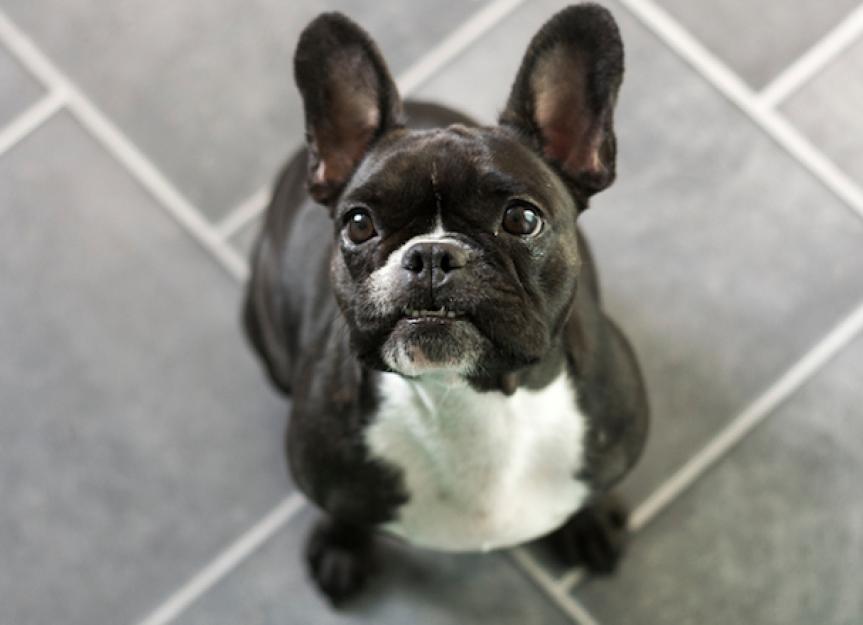
Image Source: image.petmd.com
Fathoming the Causes of Canine Underbites
An underbite in dogs is a common issue. It is often a simple matter of inherited traits. Think of it like eye color in people. Some dogs are simply born with a dog jaw structure abnormality.
Genetics: The Main Player in Jaw Development
A dog’s jaw shape is heavily controlled by its genes. Genes tell the bones how fast and how large to grow. Sometimes, these instructions lead to uneven growth. This results in a dog jaw misalignment.
Inherited Traits and Breed Predispositions
Certain breeds are much more likely to have an underbite. This is because breeders have selected for specific head shapes in these lines. These shapes often come with an increased risk of dog breed jaw issues.
Brachycephalic breeds are often involved. These are the flat-faced dogs. Breeds like Bulldogs, Pugs, and Boxers frequently show this trait. Their short muzzles mean the upper jaw does not always keep pace with the lower jaw. This leads to brachycephalic dog jaw problems.
Not all underbites are the same. Some are slight and cause no issues. Others are severe and need medical attention.
When Does the Underbite Show Up?
Usually, you can spot a puppy underbite treatment need early on. As the puppy grows, the difference in jaw size becomes clear.
- Very Young Puppies: Sometimes the jaws look fine at birth.
- Weaning Time (4-8 weeks): This is often when the difference appears. The puppy teeth come in. You can see the lower jaw moving ahead.
- Adult Dogs: The jaw structure sets by the time the dog is about a year old. The final bite is then set.
It is important to note that some slight misalignment in very young puppies can self-correct. This is called “puppy teething shift.” However, a true underbite usually stays or worsens.
Types of Underbites in Dogs
Not all misaligned jaws are the same. Vets look at two main types when checking for a veterinarian consult for dog bite issues.
Class III Malocclusion: True Underbite
This is what most people mean when they say “underbite.” The lower jaw is too long compared to the upper jaw.
- The lower incisors overlap the upper incisors.
- This is also known scientifically as mandibular prognathism in dogs.
Base-Narrow Canines
This is sometimes confused with an underbite. Here, the lower canines (big pointy teeth) tilt inward. They cross in the middle, but the jaws themselves might be aligned properly. This is a narrower problem focused on tooth position, not overall jaw length.
Health Concerns Related to Dog Underbites
While some mild underbites are just cosmetic, others can cause real problems for your dog’s health. These issues affect eating, comfort, and dental health.
Difficulty Eating and Chewing
When the jaws do not meet correctly, chewing becomes hard work.
- Dogs may drop food while trying to bite down.
- Hard kibble can be difficult to crush properly.
- This can lead to weight loss or picky eating if the dog associates eating with discomfort.
Dental Trauma and Wear
This is one of the biggest long-term worries. When teeth hit in the wrong spot, they cause damage.
- Upper Teeth: The lower teeth hit the roof of the mouth (palate) or the gums behind the upper teeth. This can cause sores or gum damage.
- Lower Teeth: The upper teeth might hit the lower lip or gums. This causes rubbing and irritation.
This constant rubbing can lead to dog teeth crowding underbite situations as the dog tries to shift its jaw to find a comfortable bite. It also wears down the enamel faster on the misaligned teeth.
Soft Tissue Injury
The constant pressure of misaligned teeth against soft tissues is painful.
| Affected Area | Potential Injury | Severity |
|---|---|---|
| Lower Jaw/Gums | Deep cuts, chronic sores | Moderate to Severe |
| Hard Palate (Roof of Mouth) | Ulceration, potential bone infection | Severe |
| Lower Lip | Hair loss, chronic irritation, rubbing sores | Mild to Moderate |
Diagnosing Your Dog’s Jaw Alignment
If you suspect your dog has an underbite, the first step is always a veterinarian consult for dog bite assessment. The vet will perform a thorough physical exam.
Visual Inspection
The vet will look closely at your dog’s mouth, often when the dog is excited or yawning. They will check how the front teeth line up when the mouth is closed normally.
Radiographs (X-rays)
X-rays are crucial for complex cases. They allow the vet to see:
- The relationship between the upper and lower jaw bones beneath the gums.
- The angle and growth plates of the jaw joints (TMJ).
- If the roots of the teeth are being damaged by incorrect pressure.
This detailed look helps determine if the problem is rooted in bone growth (mandibular prognathism in dogs) or just tooth positioning.
Treatment Options for Canine Underbites
Treatment for a dog underbite depends on the dog’s age, the severity of the misalignment, and the specific health risks involved. Options range from simple monitoring to complex surgery.
Monitoring: For Mild Cases
If the underbite is slight and causes no pain, infection, or difficulty eating, the vet may suggest regular check-ups. In some puppies, mild misalignment resolves on its own as the adult jaw comes in.
Dental Corrections: Tooth Movement
If the issue is more about the teeth and less about the bone structure, dental procedures can help.
Dental Appliances (Braces)
For minor shifts, a veterinary dentist might apply small brackets and wires to the dog’s teeth. This is similar to human braces.
- The goal is to slowly move the teeth into a better position.
- This requires frequent visits for adjustments.
- This method works best when the dog is still growing.
Tooth Filing or Reshaping
If a single tooth is hitting the palate or lip painfully, the vet can carefully file down the sharp edge. This provides immediate relief without major surgery.
Surgical Intervention: Correcting the Bone Structure
When the dog jaw structure abnormality is significant, surgery might be necessary. This is often required to prevent chronic pain or severe dental trauma.
Guided Tissue Regeneration (For Young Dogs)
If the puppy is still growing rapidly, the vet might suggest minor procedures to slow the growth of the longer jaw (the lower jaw) or encourage the shorter jaw (the upper jaw) to catch up. This usually involves reshaping the growth plates in the jaw joint.
Orthognathic Surgery (For Adult Dogs)
This is complex surgery for severe mandibular prognathism in dogs.
- Osteotomy: The surgeon makes controlled cuts in the lower jawbone.
- Repositioning: The lower jaw is moved back into the correct alignment with the upper jaw.
- Fixation: Plates, screws, or strong wires are used to hold the jawbone firmly in place while it heals. This fixation might be temporary or permanent.
This surgery requires general anesthesia and careful post-operative care.
Determining the Cost of Dog Underbite Surgery
The cost of dog underbite surgery varies widely. It depends on the complexity, the surgeon’s experience, and where you live.
- Minor Dental Filing/Filing: Usually a few hundred dollars.
- Bracing: Can cost between $1,000 and $3,000, often spread over several months of adjustments.
- Major Jaw Surgery (Osteotomy): This is costly, often ranging from $4,000 to $10,000 or more, especially if specialist veterinary orthodontists are required.
It is essential to get a detailed estimate after the initial veterinarian consult for dog bite evaluation.
The Underbite in Brachycephalic Breeds
As mentioned, flat-faced breeds have specific challenges. Their facial structure is compressed. This compression often results in crowded jaws, short muzzles, and brachycephalic dog jaw problems.
Bulldog Specifics
Bulldogs are famous for their underbites. In many countries, a pronounced underbite is actually an accepted breed standard feature for the Bulldog. However, even when accepted, owners must monitor for health issues. If the underbite prevents the dog from breathing comfortably or causes severe tooth wear, correction may still be advised.
Pugs and French Bulldogs
These breeds often have severe dog teeth crowding underbite because the limited space forces the teeth into odd positions. While mild protrusion might be common, severe cases can block the airway slightly or cause chronic irritation.
Preventative Care and Managing an Underbite
Whether your dog has a slight deviation or a major structural issue, proper care is key to long-term health.
Home Care for Dogs with Misaligned Jaws
If your dog has an underbite, focus on gentle care:
- Soft Food Diet: Temporarily switch to softer foods if your dog struggles with hard kibble after diagnosis.
- Routine Checks: Be vigilant about checking the insides of the lips and the roof of the mouth for redness or sores.
- Brushing: Brush teeth gently. Be extremely careful around any teeth that rub against the opposite jaw or lip.
Regular Veterinary Follow-ups
For dogs undergoing treatment, these visits are non-negotiable.
- If using braces, adjustments are mandatory.
- If the dog had surgery, X-rays are needed to confirm the bone is healing correctly.
- Even without treatment, annual dental cleanings become more important to manage tartar buildup on oddly positioned teeth.
Fathoming the Genetics: A Deeper Dive
The development of the skull and jaws is complex. It involves many genes working together.
What Genes are Involved?
Scientists are still mapping all the genes for dog breed jaw issues. However, research points to several key areas:
- Growth Rate Genes: Genes that control how fast the bones grow. If the upper jaw growth gene slows down early, the lower jaw will overtake it.
- Craniofacial Development Genes: Genes that guide the shape of the entire face and skull structure. Mutations in these genes can lead to shortened snouts and, subsequently, underbites.
Why Do Some Pups in the Same Litter Differ?
Even with the same parents, puppies get different combinations of genes. If both parents carry the recessive gene for a long lower jaw, one puppy might inherit that gene combination, while another might not. This explains the variability seen even within a single litter.
Comparing Underbite (Class III) with Overbite (Class II)
It is helpful to contrast the underbite with its opposite, the overbite, or canine overbite correction needs.
| Feature | Underbite (Class III / Mandibular Prognathism) | Overbite (Class II / Maxillary Prognathism) |
|---|---|---|
| Appearance | Lower jaw sticks out past the upper jaw. | Upper jaw sticks out past the lower jaw. |
| Common Breeds | Bulldogs, Boxers, Pugs. | Many breeds, often linked to long snouts that grow too long. |
| Primary Risk | Trauma to the lower lip or palate. | Trauma to the roof of the mouth by lower teeth. |
| Treatment Focus | Shortening or repositioning the lower jaw/teeth. | Correcting the upper jaw alignment or reducing lower tooth prominence. |
Frequently Asked Questions (FAQ)
Can a dog’s underbite fix itself naturally?
Sometimes, mild misalignment in very young puppies (under 4 months) can slightly improve as the adult teeth come in and the rest of the skull grows. However, a true, genetically-caused underbite (Class III malocclusion) rarely corrects itself completely once the dog passes its first birthday.
Is an underbite painful for my dog?
It depends on the severity. Mild underbites might only cause minor rubbing or difficulty chewing. Severe cases cause chronic pain as teeth impact soft tissues or cause extreme dog teeth crowding underbite, leading to deep sores or gum recession. A veterinarian consult for dog bite is necessary to assess pain levels.
Are all flat-faced dogs going to have an underbite?
No, but they are at a much higher risk due to their shortened facial bones. Many brachycephalic dog jaw problems stem from the upper jaw not developing enough room for all the teeth, leading to crowding or a pronounced underbite (mandibular prognathism in dogs).
How soon should I seek treatment for a puppy underbite?
If you notice a clear deviation by 4–6 months of age, schedule a veterinarian consult for dog bite analysis. Early diagnosis is crucial, especially if puppy underbite treatment options involving guiding jaw growth are to be considered.
What happens if an underbite is left untreated?
Untreated severe underbites can lead to chronic dental disease, deep oral infections, difficulty eating leading to nutritional deficits, and constant pain from the tissues rubbing against the protruding teeth.