
What should I feed my dog after a tooth extraction? You should feed your dog only soft food for dogs after dental surgery for a period specified by your veterinarian, usually 10 to 14 days. This is crucial for letting the extraction sites heal properly without pain or tearing.
Caring for your dog after dental surgery is very important. A tooth extraction is a big deal for your pet. Good feeding helps them heal fast and feel good. This guide will tell you exactly what to feed your dog after tooth extraction and how to manage their diet.
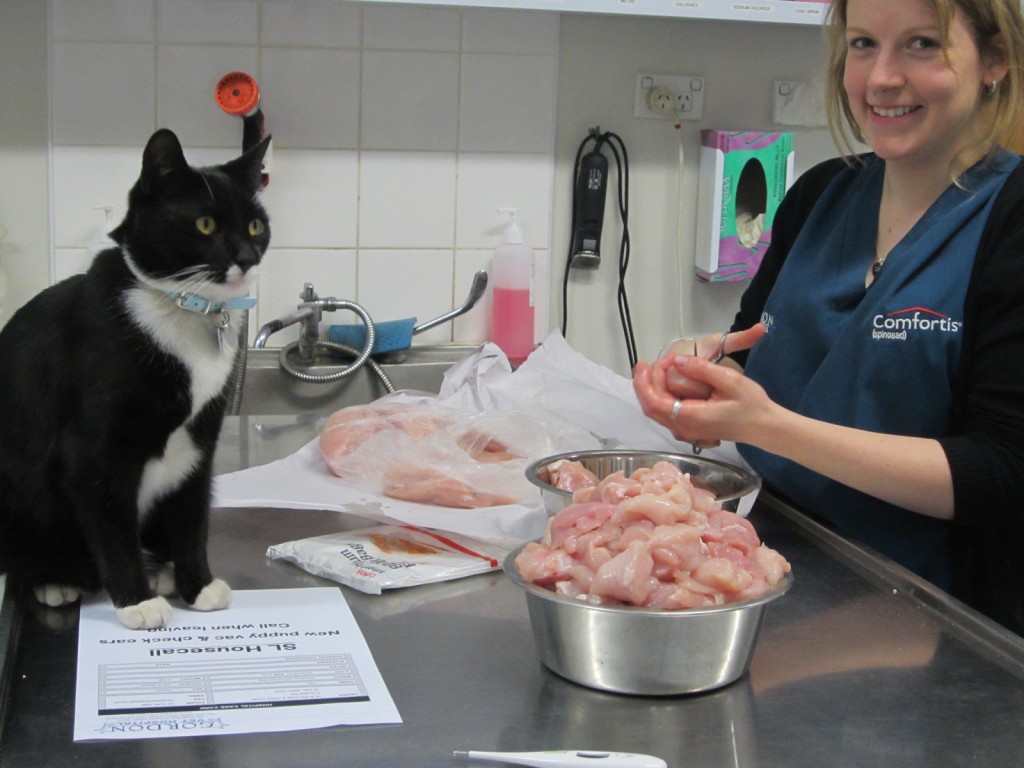
Image Source: gordonvet.com.au
Why Soft Food is Non-Negotiable
When a tooth is pulled, a hole or socket is left in the jaw. This hole needs time to close up. If your dog chews hard food, the sharp edges of the kibble can cut this healing spot. This causes pain, bleeding, and infection.
The main goal of feeding soft food is to protect the surgical sites. We want a blood clot to form and stay put. This clot is the first step to healing. Hard food can knock the clot out. This is called “dry socket,” and it hurts a lot.
Deciphering Your Veterinarian’s Instructions
Your vet will give you clear directions. Always follow those first. They know exactly what procedures were done. They will tell you exactly how long to feed soft food after dog tooth extraction. This time frame might change based on how many teeth were pulled or if extractions were complex.
Listen closely to their advice on medication, pain relief, and when to switch back to normal food.
Choosing the Best Dog Food for Tooth Extraction Recovery
The best dog food for tooth extraction recovery is bland, soft, and easy to swallow. It must still provide full nutrition. Your dog needs energy to heal.
Store-Bought Soft Food Options
Many great options are available in stores. These are usually the easiest choice.
Canned Wet Food Recommendations for Dog Dental Extraction
Canned wet food is often the first choice. Look for high-quality brands. The texture should be smooth, like a thick paste or puree.
- Check the Ingredients: Make sure the food is not chunky. If it has hard peas or large pieces of meat, you must mash it thoroughly.
- Avoid Strong Additives: Stick to simple formulas. Avoid foods with lots of added vegetables or grains that might be too hard to swallow safely.
- Temperature: Always serve canned food at room temperature. Do not serve it hot or cold.
Prescription Dental Diets
Your vet might suggest a special prescription diet. These foods are made to break down easily. They are often very smooth and balanced for recovery. These are often the safest bet right after surgery.
Creating Homemade Soft Food for Dogs Dental Extraction
Sometimes, you may need to make food at home, especially if your dog has allergies or needs a very specific diet. Always check with your vet before starting any homemade diet plan.
Safe Ingredients for Homemade Soft Diets
When making homemade soft food for dogs dental extraction, keep it simple and bland.
- Protein: Cooked, plain chicken or turkey. Boil it until very tender. Shred it finely or blend it.
- Carbohydrates: Plain white rice or plain sweet potato. Cook these until they are very mushy.
- Moisture: Use plain, low-sodium chicken broth (not salty human broth) to help blend everything into a smooth paste.
Process for Making Soft Meals:
- Boil the protein until falling apart.
- Cook rice or potato until very soft.
- Place a small amount of each ingredient into a blender or food processor.
- Add broth slowly until the mixture is like a thick soup or applesauce. It should easily slide off a spoon.
Table 1: Comparison of Food Types Post-Extraction
| Food Type | Texture | Suitability (First Week) | Notes |
|---|---|---|---|
| Hard Kibble | Hard, crunchy | No | Can damage extraction sites. |
| Dry Kibble Soaked | Softened, mushy | Maybe (with vet approval) | Can still have sharp edges when breaking down. |
| High-Quality Canned Food | Smooth, pureed | Excellent | Easy to swallow and nutritious. |
| Homemade Puree | Very smooth paste | Excellent | Customizable, bland, easy to control texture. |
| Soft Treats | Chewy, soft | No (Until cleared) | Avoid all treats until sites are healed. |
Liquid Diet for Dogs After Tooth Extraction Considerations
In rare, complex cases, your vet might suggest a liquid diet for dogs after tooth extraction. This usually involves using a syringe. If your dog refuses to eat even soft mush, this might be necessary. This is a temporary measure to ensure hydration and basic calories. Never start syringe feeding without direct instruction from your veterinary team.
Establishing the Feeding Schedule After Dog Tooth Extraction
The feeding schedule after dog tooth extraction needs to change temporarily. Your dog might be drowsy from anesthesia or have a sore mouth, making them less interested in food at first.
The First 24 Hours Post-Surgery
This is the most important time. The body is focused on closing the wounds.
- Initial Offering: Offer small amounts of the soft food about 4 to 6 hours after returning home, only if the dog seems fully awake and alert.
- Appetite Check: Do not force your dog to eat large meals. A small spoonful is enough initially. Vomiting after dental surgery can cause issues with the clots.
- Hydration First: Make sure fresh water is always available. Dehydration slows healing.
Days 2 Through 7: Building Consistency
During this week, you need to encourage consistent, gentle eating.
- Frequency Over Volume: Feed smaller amounts, but more frequently. Instead of two large meals, try four or five small meals spread throughout the day. This keeps the mouth less sore for longer periods.
- Serving Temperature: Keep food lukewarm or room temperature. Cold food can irritate sensitive gums.
Syringe Feeding Dog After Tooth Extraction: A Last Resort
If your dog refuses to eat for more than 24 hours, they need intervention. Lethargy and not eating are serious signs of trouble feeding dog after tooth extraction.
If syringe feeding is needed:
- Use a large syringe (without the needle, of course).
- Load the syringe with a very smooth, thin puree (like watery canned food).
- Place the tip gently into the side of the mouth, near the cheek.
- Slowly push the plunger. Do not rush this. If the dog chokes or resists heavily, stop immediately.
- Syringe feeding should only be done under vet instruction to ensure the technique is safe and effective.
Post-Surgery Care: More Than Just Food
Feeding is only one part of recovery. Other care measures support the soft food diet.
Keeping the Mouth Clean Gently
Your vet will likely prescribe an antiseptic mouthwash. Do not let your dog aggressively rinse or paw at their mouth.
- No Brushing: Absolutely no teeth brushing during the recovery period.
- Gentle Wipes: Some vets may allow very gentle wiping of the outer lips with a damp gauze pad if food residue builds up, but ask your vet first.
Managing Chewing and Activity
The best way to protect the extraction sites is to prevent chewing.
- Toy Removal: Remove all hard chew toys, bones, bully sticks, and dental chews.
- Soft Toys Only: Offer only very soft, plush toys that they cannot shred or ingest.
- Activity Restriction: Keep activity low. No running, jumping, or rough play. This minimizes stress on the head and jaw muscles.
Transitioning Dog Food After Tooth Extraction
When can my dog go back to normal kibble? This switch requires a slow, careful process. This is called transitioning dog food after tooth extraction. Rushing this step can undo all the careful healing done over the past weeks.
Step 1: Assessing Healing (Usually Day 10-14)
Your vet must give the final “all clear.” They will check the gums to ensure the sockets look closed and healthy. Do not start transitioning until your vet confirms it is safe.
Step 2: The Gradual Switch
Do not switch from 100% soft food to 100% kibble overnight.
Example Transition Schedule (Total 7 Days):
| Day | Soft Food Proportion | Kibble Proportion | Notes |
|---|---|---|---|
| 1-2 | 75% | 25% (Soaked) | Soak kibble in warm water or low-sodium broth until very mushy. |
| 3-4 | 50% | 50% (Soaked) | Kibble should still be very soft, not crunchy. |
| 5-6 | 25% | 75% (Slightly Soaked) | Kibble can start to have a little firmness, but still easily broken by a finger. |
| 7+ | 0% | 100% (Normal Dry Food) | Monitor closely for any signs of discomfort while eating. |
Key Tip for Transition: Even when mixing, ensure the kibble is fully saturated with water or broth. It should still feel soft to your touch. If your dog eats kibble aggressively or seems hesitant, return to the previous, softer stage for a few more days.
Interpreting Warning Signs: Signs of Trouble Feeding Dog After Tooth Extraction
While most dogs recover smoothly, you must watch for complications. Knowing the signs of trouble feeding dog after tooth extraction allows for fast intervention.
Refusal to Eat or Drink
A mild dip in appetite the first day is normal due to anesthesia. However, prolonged refusal is serious.
- If your dog refuses food for more than 24 hours, call the vet immediately. They might need pain management adjustment or appetite stimulants.
Excessive Drooling or Dropping Food
If your dog tries to eat the soft food but lets it fall out of their mouth, this often means:
- The pain is worse than anticipated.
- The food texture is still too irritating. Try making it thinner.
Swelling or Bleeding from the Gums
A tiny bit of pink tinge on the food is sometimes okay, but active bleeding is not. If you see visible swelling around the extraction site or continuous bleeding when they eat, contact your vet right away. This can mean the clot has been dislodged.
Vomiting or Diarrhea
Digestive upset can happen, sometimes due to pain medication or stress. If vomiting persists, stop feeding for a few hours, offer sips of water, and call your vet. If the vomiting continues, the stress on the healing site increases.
Frequently Asked Questions (FAQ) About Post-Extraction Feeding
Can I give my dog ice cubes or frozen treats?
No. Ice cubes or frozen items are too hard and can cause trauma to the healing gums. Stick strictly to soft, room-temperature foods until cleared by the vet.
How long should I wait before giving hard treats?
Generally, wait at least 10 to 14 days, and only start when you are fully transitioning dog food after tooth extraction back to their normal diet, and only with your vet’s approval. Even then, start with very soft, small training treats.
Is it okay to mix water into dry kibble?
Yes, this is often a good early step when moving away from purely canned food. Mix just enough warm water or broth to turn the kibble into a thick mush that crumbles easily. Ensure there are no sharp, hard pieces left in the mix.
Should I use a bowl or hand-feed my dog?
For the first few days, try feeding from a plate or shallow dish rather than a deep bowl. Some dogs find bending their neck down to a deep bowl painful after oral surgery. You can also offer small amounts directly from your hand (if your vet permits handling near the mouth area) to monitor how much they are actually swallowing.
What if my dog drinks water fine but won’t eat the soft food?
Hydration is more important than food for the first 24-36 hours. If they are drinking, monitor closely. Try warming the food slightly (very slightly!) as this can increase the aroma and encourage eating. If they still refuse after 24 hours of refusing solids, call your vet for guidance on appetite stimulants or temporary syringe feeding.